
To verify if a bottle of Toyota Genuine ATF (Automatic Transmission Fluid) is authentic, you must perform a systematic inspection of the packaging quality, check the security seals, verify the batch codes, and examine the physical characteristics of the fluid itself. In the Philippine automotive market, counterfeit transmission fluids are an ongoing concern for vehicle owners looking to maintain their vehicles under hot, humid tropical driving conditions. While a single factor may not immediately expose a counterfeit, a combination of visual, tactile, and sensory checks—coupled with buying from authorized channels—provides a highly reliable way to confirm you are putting genuine fluid into your transmission.
The Hidden Risks of Counterfeit Transmission Fluid
Your vehicle’s automatic transmission is a highly complex system of gears, clutches, and hydraulic valves that operates under extreme heat and pressure. Genuine toyota genuine atf plays a multi-functional role within this system: it acts as a hydraulic medium to facilitate gear shifts, provides critical lubrication to rotating components, and transfers heat away from delicate internal parts. In a tropical climate like the Philippines, where stop-and-go traffic in cities combined with high ambient temperatures subjects transmissions to severe thermal stress, the quality of this fluid is paramount.
Using counterfeit or substandard transmission fluid poses immediate and severe risks to your vehicle’s drivetrain. Fake fluids often lack the advanced additive packages required to withstand high operating temperatures, leading to rapid thermal breakdown, poor lubrication, and accelerated wear on clutches and bands. Over time, this breakdown results in the formation of harmful sludge and varnish, which can clog the intricate passages of the transmission’s valve body. The eventual outcome is often erratic shifting, slipping gears, severe overheating, and ultimately, catastrophic transmission failure that requires an expensive rebuild or replacement. Prioritizing authenticity is a crucial preventative maintenance step that protects your vehicle’s longevity and safeguards you from massive repair bills.
Products mentioned in this guide
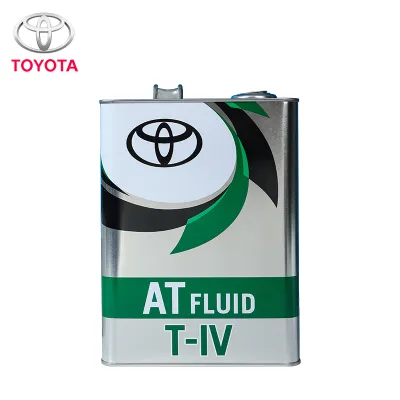
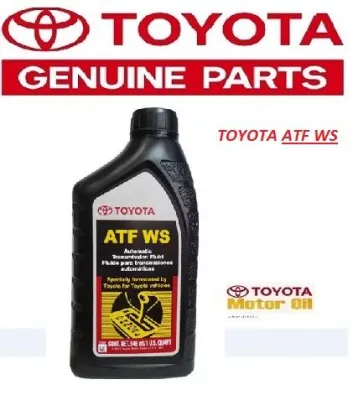
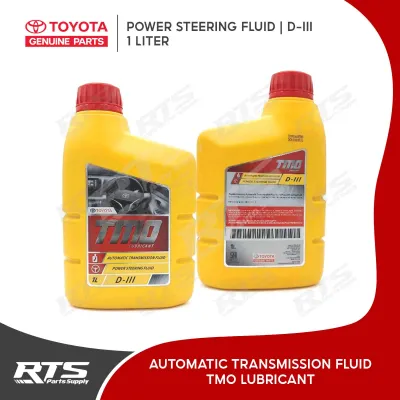
Prices are valid at publication and may change. Please refer to the product page for the latest price.
Physical Traits of Authentic Toyota Genuine ATF
Spotting a counterfeit bottle of Toyota Genuine ATF begins with a meticulous physical inspection before you ever open the container. Counterfeiters often focus their efforts on replicating the fluid itself or reusing old containers, but they frequently fall short when it comes to replicating the precise manufacturing standards of genuine packaging. By learning what a genuine bottle looks and feels like, you can quickly filter out substandard products.

Bottle, Label, and Batch Code Details
An authentic bottle of Toyota Genuine ATF is made from high-density, high-quality plastic that feels sturdy and rigid to the touch. The molding of the bottle should be uniform and clean, with smooth, barely noticeable seams and no rough plastic flashings or deformities along the edges. If the bottle feels unusually soft, squeezes too easily, or has highly visible, jagged molding seams, it is highly likely a counterfeit.
The label on a genuine bottle is printed using high-resolution industrial equipment. The text must be incredibly sharp, the colors vibrant and consistent, and the Toyota logo perfectly proportioned with correct typography. Examine the label closely for any spelling mistakes, grammatical errors, or blurry, pixelated fonts, which are classic hallmarks of cheap printing presses used by counterfeiters.
Additionally, look for the batch code and production date, typically located on the lower portion of the bottle or laser-etched onto the plastic. On genuine bottles, these codes are crisp, clearly defined, and resistant to light rubbing. They are never printed on cheap, easily peeled paper stickers or smudged with low-grade ink that rubs off with a simple swipe of your finger.
Cap Seals and Security Features
The bottle cap and its security seals are critical lines of defense against tampering and refilling. A genuine bottle of Toyota Genuine ATF features a precisely molded plastic cap equipped with an intact, unbroken breakaway safety ring. When you twist the cap open for the first time, you should feel a distinct resistance followed by a clean snap as the safety ring separates from the cap. If the ring is already broken, loose, or spins freely without resistance, the bottle has been compromised.
Beneath the cap, authentic bottles feature a high-quality inner induction seal. This foil or plastic membrane is cleanly and securely bonded to the lip of the bottle mouth, leaving no loose edges, wrinkles, or visible glue residue. Depending on the specific packaging version distributed in the region, this seal may feature official branding patterns or be a clean, solid metallic foil.
Be exceptionally suspicious of any bottle that displays messy glue marks around the neck, unevenly cut foil, or an inner seal that peels off too easily without leaving a clean outline. These are clear signs that a used genuine bottle has been refilled with cheap, generic fluid and resealed manually.
Fluid Color, Smell, and Consistency
If you have already purchased the fluid and want to verify its physical properties before pouring it into your transmission, you can perform a sensory check. Unused, authentic Toyota Genuine ATF (such as the widely used Type T-IV or World Standard/WS formulations) typically exhibits a clear, bright red or pinkish-red hue. The fluid should be completely transparent and free of any suspended particulates, cloudiness, or dark discoloration.
The consistency of the fluid must be smooth and uniform, flowing consistently without any signs of separation or water contamination. In terms of odor, genuine ATF has a distinct, mild chemical and petroleum-based smell. It should never emit a strong burnt odor, a sour smell, or an unusually sweet perfume-like scent, which often indicates recycled industrial oil or cheap hydraulic fluids mixed with artificial colorants.
Crucial Safety Boundary: Please note that fluid color, smell, and viscosity can vary slightly depending on the specific ATF formulation, manufacturing plant, and production batch. Because of these natural variations, sensory traits alone are never enough to guarantee 100% authenticity. You must always use these fluid checks in conjunction with the packaging and seal inspections detailed above. Always refer to your vehicle’s owner’s manual to verify the exact ATF specification required for your specific transmission model before adding any fluid.
Red Flags: How to Identify Fake Toyota ATF
To protect your vehicle’s transmission, you must be able to quickly identify the common warning signs of counterfeit products. Counterfeiters often use cheap materials and manual assembly processes that leave behind distinct clues. Keep an eye out for the following major red flags when inspecting a bottle of transmission fluid:
- Flimsy Packaging: The plastic bottle feels thin, collapses easily when squeezed, or features irregular, sharp seams from poor blow-molding quality.
- Defective Labels: The label colors appear faded, washed out, or misaligned. Text is blurry, font weights are inconsistent, or the official Toyota logo has incorrect proportions or spacing.
- Compromised Seals: The breakaway safety ring on the cap is already separated, loose, or missing entirely. The inner foil seal is wrinkled, lifting at the edges, or shows messy glue residue around the bottle opening.
- Fluid Anomalies: The fluid inside is dark red, brownish, cloudy, or contains visible sediment at the bottom of the bottle. It may also have a strong, offensive burnt or sour odor.
- Unrealistic Pricing: If a seller is offering Toyota Genuine ATF at a price significantly lower than the standard retail rate found at authorized dealerships in the Philippines, it is a major warning sign. Genuine automotive fluids have consistent market pricing due to strict import and distribution costs; a price that seems "too good to be true" almost always indicates a counterfeit product.
Official Verification and Authentication Methods
Beyond performing a visual inspection, you can leverage official verification methods to confirm the legitimacy of your purchase. Toyota and authorized distributors frequently update their packaging with security features designed to help consumers verify their products.
Many modern genuine fluid bottles feature secure QR codes or unique barcodes printed directly on the label. You can scan these codes using your smartphone to link directly to the official manufacturer verification portal or database. Ensure that the web address you are redirected to is an official, verified Toyota domain, as sophisticated counterfeiters sometimes print QR codes that link to fake, look-alike verification websites.
You can also cross-reference the batch codes and production numbers printed on the bottle by contacting authorized Toyota distributors or local customer service channels in the Philippines. They can verify if the specific batch number exists in their database and matches the shipment records for that region.
When purchasing fluids in bulk or from specialized automotive supply shops, do not hesitate to request a certificate of authenticity or official proof of sourcing from the seller. Legitimate business operators who source their stock directly from authorized distributors will have no issue providing documentation to prove their supply chain’s integrity. Remember that no single check is completely foolproof; utilizing a combination of visual inspection, batch code verification, and secure sourcing is the best way to guarantee absolute authenticity.
Safe Purchasing Channels in the Philippines
The single most effective way to avoid counterfeit transmission fluid is to carefully choose where you buy it. In the Philippine market, the prevalence of unverified online listings and independent auto supply shops makes sourcing a critical decision.
The safest and most reliable option is to purchase your Toyota Genuine ATF directly from the parts department of an authorized Toyota dealership or an official Toyota service center. While the price at a dealership may be slightly higher than secondary market listings, it comes with a 100% guarantee of authenticity, protecting your vehicle’s warranty and mechanical health.
If you prefer to shop online, only purchase from official brand flagship stores or highly rated, verified mall listings on established e-commerce platforms. Look for sellers that carry official brand authorization badges and have a long history of positive customer feedback. Avoid unverified third-party sellers, informal social media marketplace listings, and independent auto supply shops that cannot provide clear proof of their supply chain.
Regardless of where you complete your purchase, always demand an official sales receipt or invoice. A legitimate receipt is not only a requirement for consumer protection claims under Philippine law, but it also serves as vital evidence if you need to return the product or file a dispute regarding counterfeit goods.
Steps to Take If You Suspect a Counterfeit Purchase
If you suspect that you have purchased a counterfeit bottle of Toyota Genuine ATF, taking prompt action is essential to protect your vehicle and secure your consumer rights.
Immediate Action: Under no circumstances should you pour the suspected fluid into your vehicle’s transmission. If you have already added the fluid and driven the vehicle, stop driving immediately. Have your vehicle towed or brought to a professional mechanic or authorized service center to have the transmission system completely drained, flushed, and refilled with verified genuine fluid. Running a vehicle on counterfeit fluid, even for a short distance, can cause irreversible internal wear. Before taking any action, always check the applied product’s label and your vehicle manufacturer’s instructions. If instructions conflict, the treated item is unidentified, or the use is not covered, stop and consult the manufacturer or a qualified professional.
Evidence Preservation: Keep the suspected bottle, any remaining fluid, the cap, and the original sales receipt intact. Take high-resolution photographs of the packaging from all angles, focusing on the batch codes, labels, seals, and any physical defects. These photos and physical items will serve as critical evidence for your claim.
Reporting and Resolution: If you bought the item online, immediately file a dispute or return request through the e-commerce platform, uploading your photographic evidence of the counterfeit features. Report the seller to the platform’s customer support team to prevent them from selling to other motorists. You can also report the incident to local consumer protection agencies, such as the Department of Trade and Industry (DTI) in the Philippines, to help curb the spread of dangerous counterfeit automotive parts.
Vehicle Check: Finally, have a qualified technician perform a comprehensive diagnostic scan and physical inspection of your transmission. They can check for early signs of clutch slippage, fluid contamination, or pressure drops, ensuring that any potential issues are caught and addressed before they escalate into complete mechanical failure.
Frequently Asked Questions (FAQ)
Can I rely solely on the batch code to verify authenticity?
No, you cannot rely solely on the batch code. Sophisticated counterfeiters frequently copy valid batch codes and production dates from authentic bottles and print them onto counterfeit labels. While a missing, smudged, or poorly printed batch code is a strong indicator of a fake, a matching or clean batch code alone does not guarantee that the fluid inside is genuine. You must always combine batch code verification with a thorough inspection of the bottle’s plastic quality, the integrity of the cap’s safety ring, the inner foil seal, and the fluid’s physical characteristics.
What should I do if the fluid looks correct but smells unusual?
If the fluid has the correct bright red color but emits an unusual, strong, burnt, sour, or heavily perfumed smell, do not use it. Genuine Toyota Genuine ATF has a very specific, mild chemical and petroleum odor. An unusual smell is a strong indicator of low-grade hydraulic oil, recycled oil, or chemical additives used to mimic the appearance of genuine fluid. You should immediately return the product to the seller, preserve the packaging, and consult a qualified professional mechanic or the vehicle manufacturer before introducing any questionable fluid into your transmission.
Community discussion
Share your experience or ask a question. Comments are reviewed before publication.