
Verifying the authenticity of your transmission fluid is one of the most critical maintenance steps you can take for your vehicle. Using counterfeit fluid can quickly destroy a continuously variable transmission (CVT), leading to catastrophic mechanical failure and exceptionally high repair bills. To tell if Toyota Genuine CVT Fluid FE is authentic, you must systematically evaluate the packaging design, inspect the physical properties of the fluid itself, and purchase exclusively from verified, authorized channels.
Before purchasing or adding any fluid to your vehicle, always consult your owner’s manual or official vehicle documentation to verify the exact fluid specification, model year compatibility, and capacity requirements. Never infer compatibility simply from a broad category term. Using CVT fluid in a traditional planetary automatic transmission, or applying the wrong specification of CVT fluid, can lead to immediate operational failure.
Why Counterfeit CVT Fluid Poses a Severe Risk to Your Transmission
Continuously variable transmissions rely on a highly specialized engineering design to transfer power. Unlike traditional automatic transmissions that use interlocking metal gears, a CVT utilizes a steel belt or chain moving between two smooth, variable-diameter pulleys. This design relies entirely on the precise frictional properties and high thermal stability of specialized fluids like Toyota Genuine CVT Fluid FE to prevent the metal belt from slipping against the pulleys under load.
Products mentioned in this guide
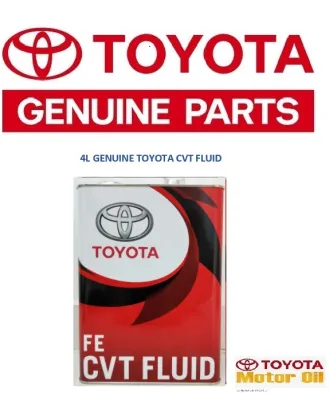
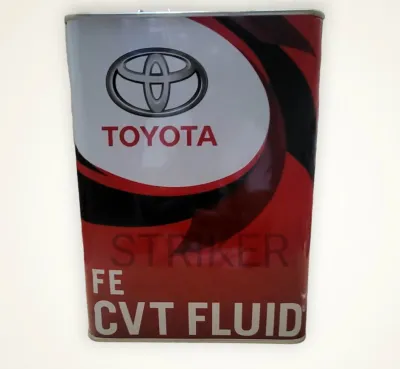
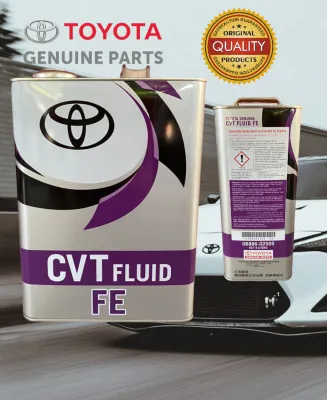
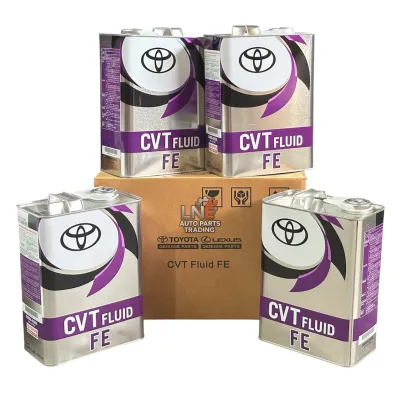
![[4 LITERS] Toyota CVTF FE - [2013 - 2025 CVT] Toyota Vios CVTF - Genuine Toyota Auto Parts](https://img.lazcdn.com/g/p/2b0f74ef07d3c0812e3235eb5d7b7803.jpg_400x400q80.jpg_.webp)
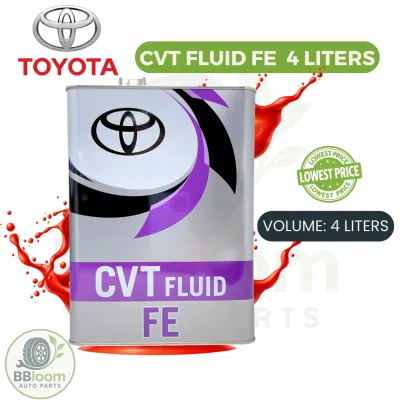
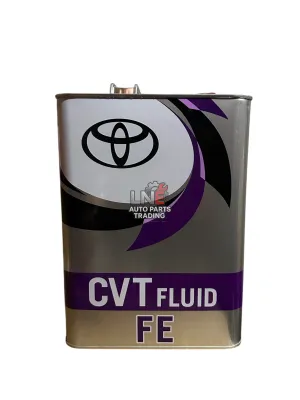
Prices are valid at publication and may change. Please refer to the product page for the latest price.
Counterfeit fluids are typically formulated using cheap, low-grade base oils mixed with generic, substandard additives that completely lack the shear stability required for modern CVTs. Without the correct friction modifiers, a fake fluid cannot maintain the necessary grip between the belt and the pulleys. This lack of friction causes immediate belt slippage, which generates extreme localized heat and rapidly wears down the polished metal surfaces of the transmission internals.
In the tropical climate of the Philippines, transmission fluid is subjected to severe environmental stress. Prolonged stop-and-go driving in high ambient temperatures, such as during heavy Manila traffic, causes transmission temperatures to climb rapidly. Genuine fluid is engineered with advanced anti-foaming agents and thermal stabilizers to withstand these harsh conditions, whereas counterfeit fluids degrade quickly, leading to fluid oxidation, transmission shuddering, delayed engagement, and eventual complete system failure.
Replacing a damaged CVT assembly is an incredibly expensive undertaking. In the local market, a complete transmission replacement can easily cost upwards of ₱100,000 to ₱200,000 at an authorized service center. This massive financial risk makes pre-purchase verification of your transmission fluid a critical, non-negotiable step for every vehicle owner.
Key Visual and Physical Traits of Authentic Toyota CVT Fluid FE
Identifying genuine fluid requires a detailed inspection of both the outer container and the physical properties of the liquid inside. Counterfeiters have become adept at mimicking packaging, but they rarely match the rigorous manufacturing standards and quality control of official Toyota suppliers.

Packaging, Seals, and Labeling Details
Toyota Genuine CVT Fluid FE is commonly distributed in the Philippines in either a 4-liter rectangular metal tin or a 1-liter plastic bottle. For the 4-liter metal tin, inspect the overall construction quality. The metal should be completely sturdy, free of dents, and feature clean, uniform solder lines along the seams. The lithographic printing must be applied directly to the metal surface with razor-sharp resolution and vibrant, non-faded colors. Counterfeit tins often use low-quality paper or vinyl stickers pasted onto generic metal cans, or the direct printing appears blurry, pixelated, and misaligned.
For 1-liter plastic bottles, check the uniformity of the plastic molding. Authentic bottles feature smooth, clean edges without excess plastic flashing along the seams. The plastic cap must fit perfectly flush with the neck of the bottle, and the tamper-evident plastic ring must be fully intact and firmly connected to the cap by thin, unbroken plastic tabs. If the cap feels loose or the security ring is already separated, the fluid should not be used.
Examine the label text and branding elements with extreme care. Genuine packaging uses a specific, consistent Toyota logo font and a deep, solid red color. Check for typos, awkward phrasing, or spelling errors in both the English and Japanese technical descriptions, as these are common indicators of illicit production. Additionally, look for the batch numbers and manufacturing dates, which are typically laser-etched or printed with high-durability ink on the bottom or back of the container. Try rubbing the printed code firmly with your thumb; on genuine packaging, this text will not smear or rub off easily.
Fluid Characteristics: Clarity, Viscosity, and Odor
If you have already purchased the fluid, you can perform a sensory check before pouring it into your transmission. Pour a small sample of the fluid into a clean, clear glass container under bright, natural light. Always perform this check in a well-ventilated area and avoid direct skin contact or inhaling fumes.
Observe the clarity and color of the sample. Authentic Toyota Genuine CVT Fluid FE typically exhibits a clear, light straw or slightly amber-greenish hue, depending on the specific regional blending plant. It must be completely transparent, free of any cloudiness, suspended particles, or visible separation of liquid layers. Any signs of floating debris or a milky appearance indicate contamination.
Evaluate the fluid’s viscosity by gently swirling the glass container. Genuine CVT Fluid FE is a low-viscosity formulation designed to reduce drag and improve fuel economy. It should flow smoothly and leave a consistent, slick, and thin film on the glass walls. It should not feel watery, nor should it have the heavy, thick consistency of gear oil or older automatic transmission fluids.
Take note of the odor profile. Authentic transmission fluid has a distinct, mild chemical or petroleum scent that is not excessively offensive. Counterfeit fluids, which often utilize recycled engine oils or incorrect industrial lubricants, frequently emit a harsh, burnt, or highly pungent chemical odor that is immediately noticeable upon opening the container. While no single sensory check guarantees authenticity, combining these observations with packaging inspections provides a reliable defense against fakes.
Red Flags: Common Signs of Counterfeit CVT Fluid
Spotting a counterfeit product often comes down to identifying subtle inconsistencies in the packaging and the seller’s behavior. Recognizing these red flags early can save your vehicle from severe transmission damage.
- Compromised Tamper Seals: A broken plastic ring on a bottle cap or a metal pull-tab on a tin that shows signs of being pried open and resealed is a major red flag. Counterfeiters frequently collect discarded genuine containers from repair shops, refill them with cheap hydraulic oil, and attempt to reseal them for resale.
- Poor Label Application: High-volume manufacturing plants use precise automated machinery to apply labels. Crooked labels, air bubbles trapped underneath, or edges that peel off easily suggest manual application in an illicit workshop.
- Physical Fluid Anomalies: Dark sediment settling at the bottom of the container, a cloudy appearance, or an unusual dark red or deep brown color are clear indicators of a non-genuine or degraded fluid.
- Suspiciously Low Pricing: While genuine Toyota CVT Fluid FE commands a premium price due to its specialized additive package, online listings offering the product at 50% or 60% below the standard retail price at authorized dealers are almost certainly selling counterfeits. If the price in PHP seems too good to be true, it is safe to assume the product is fake.
- Lack of Supply Chain Transparency: Avoid sellers who cannot provide clear, high-resolution photos of the batch numbers, those who refuse to show the actual container before shipping, or those who cannot verify their supply chain origin.
Safe Purchasing Channels and Verification Methods
To ensure your vehicle receives the correct, high-quality lubrication it requires, you must be highly selective about where you purchase your maintenance supplies.
To guarantee absolute authenticity, purchase Toyota Genuine CVT Fluid FE directly from the parts department of an authorized Toyota dealership in the Philippines. Buying directly from a dealership ensures a secure, official supply chain that originates directly from the manufacturer. Alternatively, you can source the fluid from well-established, reputable automotive supply stores that are certified partners of official distributors.
When shopping on online marketplaces or e-commerce platforms, exercise extreme caution. Only purchase from official flagship brand stores or sellers that carry a verified “Mall” or “Preferred” badge. Always ask the seller to provide official dealership receipts or certificates of authorized distribution before finalizing your order.
Do not rely solely on high sales volumes or positive customer reviews on online platforms. Counterfeit operations frequently use automated accounts to generate artificial five-star reviews and inflate sales numbers to deceive unsuspecting buyers. A high rating on an unverified seller’s page is not a guarantee of product safety.
If your packaging features a regional security QR code or scratch-off verification seal, follow the instructions carefully. Ensure that any QR code scan redirects you to an official Toyota domain (such as toyota.co.jp or the official regional Toyota country domain) rather than a generic, look-alike URL designed to mimic a legitimate verification page. You can also cross-reference the printed batch number with an authorized Toyota service center to verify if the batch format matches legitimate distributions.
What to Do If You Suspect You Purchased Fake Fluid
If you suspect that the fluid you have purchased is counterfeit, you must act quickly to protect your vehicle and assert your consumer rights.
First, stop immediately and do not pour the suspected fluid into your vehicle’s transmission. Once a counterfeit fluid enters the transmission system, it contaminates the torque converter, valve body, and hydraulic passages, making remediation significantly more difficult and expensive.
Securely seal the container and store it in a safe place. Retain all original packaging, shipping boxes, and protective wraps exactly as they arrived. Gather and preserve all evidence of the transaction, including physical receipts, online order confirmations, screenshots of the product listing, and all chat history or written communication with the seller.
Report the seller directly to the e-commerce platform to initiate a return and refund process under their buyer protection program. Provide clear photographic comparisons of the suspicious packaging traits against genuine standards. Additionally, you can file a formal complaint with the Department of Trade and Industry (DTI) in the Philippines to report the sale of counterfeit automotive goods, which is illegal and poses a severe safety hazard to motorists.
If you have already added the suspected fluid to your transmission and driven the vehicle, do not continue to operate it. Driving with counterfeit fluid can cause rapid, irreversible wear to the CVT belt and pulleys. Have the vehicle towed to an authorized Toyota service center or a reputable transmission specialist immediately. Instruct them to perform a complete transmission flush—which involves draining the fluid, refilling it with genuine Toyota Genuine CVT Fluid FE, running the system, and repeating the process multiple times—to ensure all traces of the counterfeit fluid are thoroughly purged from the system.
Frequently Asked Questions (FAQ)
Can I mix genuine Toyota CVT Fluid FE with other brands or older versions?
No, mixing Toyota Genuine CVT Fluid FE with other brands, generic CVT fluids, or older specifications like Toyota CVT Fluid TC is strongly discouraged. CVT FE (Fuel Economy) is formulated with a lower viscosity and a highly specific package of friction modifiers designed to optimize fuel efficiency and belt grip in modern Toyota CVTs. Mixing it with other fluids alters these precise chemical properties, which can lead to belt slippage, foaming, increased operating temperatures, and accelerated wear of internal components. If your vehicle requires CVT Fluid FE and currently has an unknown or incorrect fluid in the system, you should perform a complete drain and fill or a comprehensive system flush using only the correct genuine fluid to restore proper protection.
Does a higher price on online marketplaces guarantee the fluid is authentic?
No, a higher price tag on online marketplaces does not guarantee that the fluid is genuine. Counterfeiters are well aware that smart buyers are suspicious of unusually low prices. To bypass this suspicion, some sellers intentionally price their fake products close to or slightly below the official retail price in PHP. This pricing strategy creates a false sense of security, making the product look like a legitimate dealer surplus or a slight discount rather than a cheap knockoff. Therefore, you should always prioritize the seller’s authorized status and physical verification of the packaging over the price tag when determining authenticity.
Community discussion
Share your experience or ask a question. Comments are reviewed before publication.