
To protect your vehicle’s engine from catastrophic wear, verifying the authenticity of your lubricants is a critical first step. In the Philippines, where high humidity, intense tropical heat, and grueling stop-and-go traffic put immense stress on engines, high-performance synthetic lubricants like AMSOIL are highly sought after. However, this popularity also makes the brand a target for counterfeiters. The most reliable way to guarantee you are receiving a genuine product is to purchase directly from an amsoil official store or an authorized regional distributor. Because counterfeit oils can mimic the appearance of genuine bottles at a glance, understanding how to verify packaging details, evaluate seller credentials, and cross-reference batch codes is essential for every vehicle owner. Always consult your vehicle’s owner’s manual to confirm the recommended viscosity grade and specification standards before introducing any new motor oil to your engine.
The Risks of Using Counterfeit Motor Oil
Using counterfeit motor oil carries severe consequences that can permanently damage your vehicle’s internal components. Genuine synthetic motor oil is formulated with highly refined base oils and a precise balance of advanced additives designed to withstand extreme shear stress, prevent thermal breakdown, and control deposit formation. In contrast, counterfeit lubricants are often made from cheap, low-grade mineral oils, recycled fluids, or poorly blended base stocks that lack these vital protective properties.
When these substandard fluids are subjected to the high operating temperatures typical of tropical climates, they degrade rapidly. This thermal breakdown leads to severe oxidation and the formation of thick engine sludge, which can clog oil passages, starve critical components of lubrication, and cause catastrophic engine failure. Without the proper anti-wear additives, metal-on-metal contact increases exponentially, accelerating the wear of piston rings, cylinder walls, camshafts, and bearings.
Products mentioned in this guide
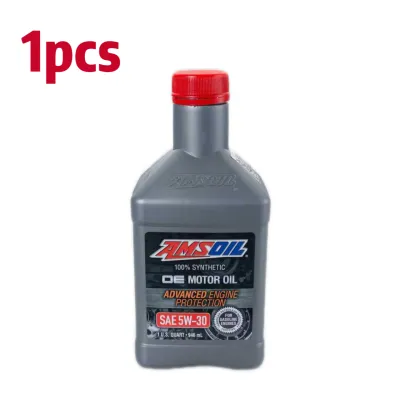
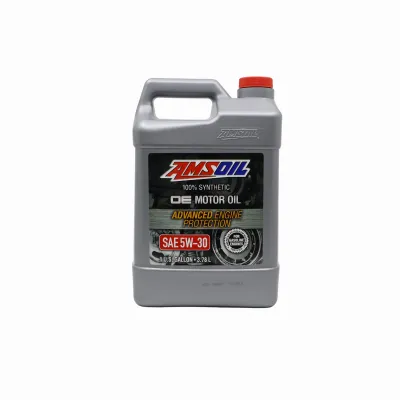
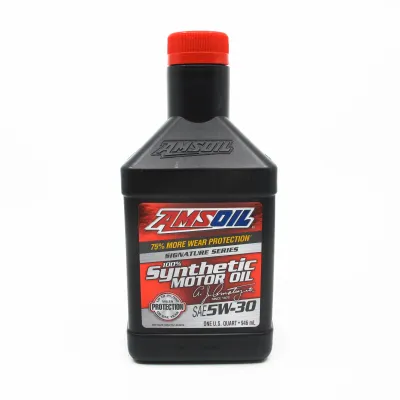
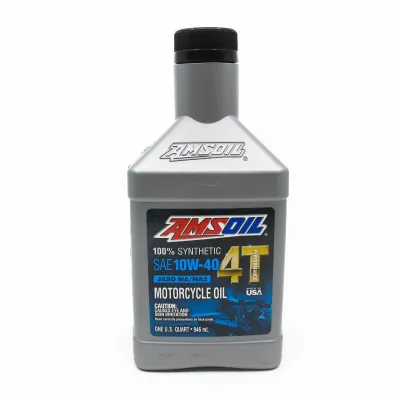
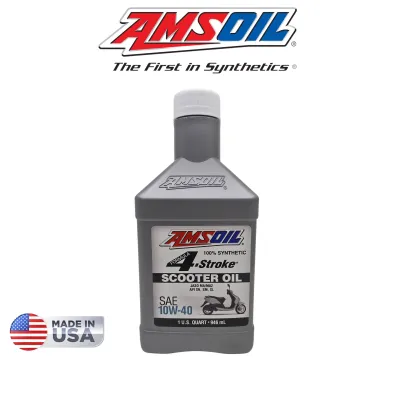
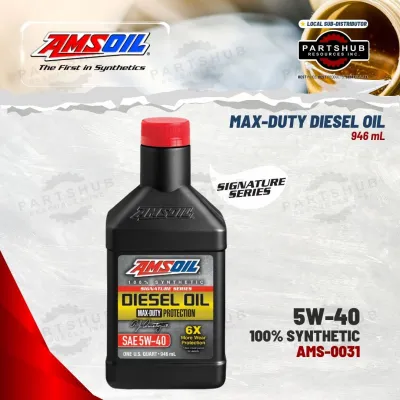
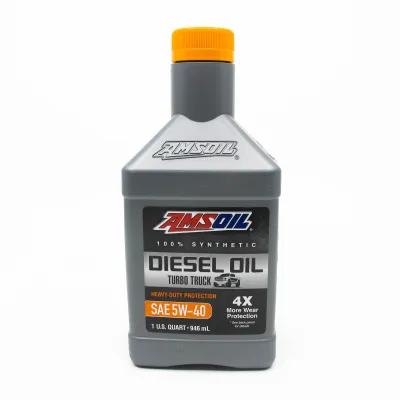
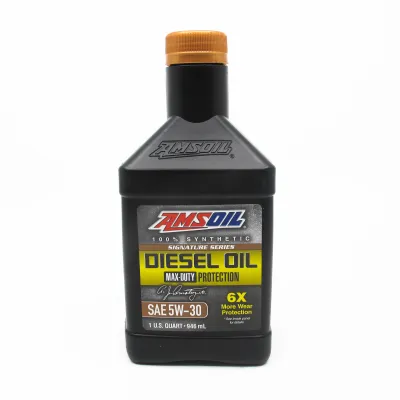
Prices are valid at publication and may change. Please refer to the product page for the latest price.
The financial fallout of using counterfeit oil extends far beyond the immediate cost of a replacement bottle. Modern vehicle manufacturers require strict adherence to specific oil standards and viscosity grades to maintain warranty coverage. If an engine failure occurs and laboratory analysis reveals the presence of counterfeit or non-compliant fluid, the manufacturer’s warranty will be voided, leaving you fully responsible for the cost of major engine rebuilds or replacements. Visual similarity is never a guarantee of chemical integrity; even if a bottle looks identical to the genuine product, the fluid inside may fail to meet the basic lubrication requirements of your engine.
Visual Inspection: Spotting Genuine AMSOIL Packaging
Identifying counterfeit motor oil requires a keen eye for physical details. While counterfeiters have become highly sophisticated, minor manufacturing shortcuts and material discrepancies often expose fake products during a close physical inspection.

Bottle Quality and Seal Integrity
Genuine AMSOIL containers are manufactured using high-density polyethylene (HDPE) molds that produce a rigid, uniform structure. When holding an authentic bottle, the plastic should feel sturdy, with consistent thickness across the corners and sides. Inspect the seams of the bottle closely; authentic packaging features clean, smooth parting lines from the blow-molding process, whereas counterfeit bottles often display rough, prominent, or misaligned seams. Additionally, verify that any molded symbols, such as recycling codes or material labels on the bottom of the container, are crisp and clearly defined.
The closure system is another critical area to examine. Genuine caps are precisely threaded and fit securely without any play or leakage. Check the tamper-evident ring below the cap; it should be firmly attached and break cleanly upon first opening. Underneath the cap, authentic bottles feature a high-quality induction seal or pull-tab that is perfectly centered and securely bonded to the lip of the bottle. If the seal appears loose, wrinkled, hand-glued, or displays uneven adhesive residue around the rim, treat the product with extreme suspicion and do not use it.
Label Printing and Typography
The labels on genuine AMSOIL products are printed using high-resolution industrial equipment that ensures exceptional clarity, vibrant colors, and sharp gradients. Counterfeit labels, which are often scanned and reproduced on inferior printing presses, frequently exhibit a slightly blurry appearance, color bleeding, or faded tones. Pay close attention to the brand logos and fine print on the back of the bottle. On genuine packaging, even the smallest text remains perfectly legible under magnification.
Carefully read all the text on both the front and back labels to look for typographical errors, spelling mistakes, or grammatical anomalies. Counterfeiters operating in different regions often overlook minor textual details, resulting in misaligned paragraphs, inconsistent fonts, or incorrect technical terms. Furthermore, check for standard regulatory and certification marks, such as the API (American Petroleum Institute) donut or specific OEM approval labels. These marks must be positioned correctly and match the official design layouts shown on the manufacturer’s official documentation.
Batch Codes and Manufacturing Dates
Every authentic bottle of AMSOIL motor oil is marked with a unique batch code and manufacturing date used for quality control and tracking. On genuine containers, this information is typically applied using a high-precision laser-etching or dot-matrix printing system. These marks are physically bonded to the plastic or integrated into the label surface, making them highly resistant to smudging or wear. If you can easily scratch, rub off, or smear the batch code with your fingernail or a drop of rubbing alcohol, the bottle is likely a counterfeit that has been marked using cheap, surface-printed ink.
Verify that the date format, font style, and placement conform to the brand’s current packaging standards. The manufacturing date should represent a logical timeline relative to your purchase date. If the batch code is missing entirely, appears heavily smudged, or uses a font that looks inconsistent with professional packaging standards, avoid purchasing or using the product.
Official Verification Channels and Tools
Relying solely on a physical inspection can sometimes be challenging, especially as counterfeiters refine their techniques. Utilizing official verification channels and direct communication with the manufacturer or authorized regional representatives provides an essential layer of security.
If you are uncertain about the authenticity of a bottle you have purchased, document the packaging thoroughly. Take clear, high-resolution photographs of the front and back labels, the cap and seal, the bottom of the bottle, and the laser-printed batch codes. You can contact AMSOIL customer service or the authorized national distributor in the Philippines directly through their official portals to request a batch code verification. Provide them with the photos and details of where you purchased the product. The manufacturer can cross-reference the batch code against their production logs to confirm if the specific code corresponds to a genuine production run and matching packaging type.
Be highly cautious of third-party verification apps, generic QR code scanners, or security stickers that are not explicitly documented on the official AMSOIL website. Counterfeiters frequently print fake QR codes on their labels that redirect users to cloned, unverified websites designed to mimic official verification portals. These fraudulent sites will falsely claim the product is authentic. To protect your vehicle, only trust verification methods and digital tools that are directly hosted on, or officially endorsed by, the manufacturer’s verified domain. Remember that no single visual or digital check is completely foolproof; the most secure approach is to combine physical inspection with verified purchasing channels.
Navigating Purchase Channels: Official Stores vs. Third-Party Sellers
Where you choose to buy your motor oil is the single most important factor in avoiding counterfeit products. Understanding the difference between authorized retail networks and unverified third-party sellers will help you make safe, informed purchasing decisions.
Identifying Authorized Dealers and Official Stores
The safest way to source genuine lubricants is to buy from an amsoil official store or an authorized regional distributor. You can locate these verified sellers by visiting the official AMSOIL website and using their international distributor locator tool. In the Philippines, authorized distributors maintain a network of verified physical shops, automotive service centers, and official online storefronts.
When visiting a physical retail partner, look for official store credentials, such as authorized dealer certificates or branded signage provided by the regional distributor. Pay close attention to how the products are stored within the facility. High-quality motor oils should be kept in a clean, dry, climate-controlled environment away from direct sunlight, extreme heat, and high humidity, which can degrade packaging and compromise the fluid over long periods. Additionally, professional staff at an authorized store should possess clear, technical knowledge of the product line, helping you select the correct oil viscosity and specification based on your vehicle’s owner’s manual rather than pushing generic products.
Red Flags on E-commerce Platforms
Online marketplaces offer convenience, but they also host numerous unauthorized third-party sellers. When shopping on these platforms, extreme price discrepancies are the most immediate red flag. Genuine synthetic motor oil requires advanced engineering and high-quality base stocks, which dictates a consistent market price. If a seller is offering AMSOIL products at prices significantly below the standard retail rates established by authorized distributors (for instance, a discount of 30% or more without a verifiable promotional campaign), the product is highly likely to be counterfeit or expired.
Evaluate the seller’s profile thoroughly before making a purchase. Avoid stores that lack a verifiable business history, have low overall ratings, or show a high volume of negative feedback regarding product authenticity. Be suspicious of listings that exclusively use generic stock photos instead of actual pictures of their physical inventory. When reading customer reviews, look past simple delivery ratings and focus on detailed feedback. Pay close attention to reviews that mention damaged seals, leaking caps, thin or unusual oil consistency, or poor engine performance after an oil change. Always prioritize online storefronts that are officially badged as authorized brand partners, and look for platforms that offer robust buyer protection and clear return policies for automotive fluids.
Steps to Take If You Suspect a Fake Product
If you suspect that the motor oil you purchased is counterfeit, taking immediate and correct action is vital to protect your vehicle and your financial interests.
- Do not pour the oil into your engine: If you have any doubts about the fluid's authenticity, do not introduce it to your vehicle. The potential cost of a catastrophic engine failure far outweighs the price of a replacement bottle of genuine oil. If the oil is already in your engine and you discover it is counterfeit, do not start the vehicle. Arrange to have the vehicle towed to a professional service center to have the system completely flushed and refilled with verified, genuine oil.
- Document the product and purchase: Take detailed, clear photographs and videos of the bottle, focusing on the labels, batch codes, seals, and the fluid's appearance if it has been opened. Keep all physical receipts, digital transaction records, invoice copies, and chat histories with the seller.
- Initiate a dispute and refund request: Contact the e-commerce platform or the retail store immediately to report the issue. Submit your documented evidence to initiate a formal dispute and request a full refund under the platform's buyer protection policy.
- Report the seller: Report the fraudulent listing and the seller's account directly to the online marketplace's customer support team. Additionally, forward your documentation, purchase location, and photos to the brand's regional distributor or official customer service team. This helps manufacturers track down counterfeit supply chains and protect other consumers in the market.
Frequently Asked Questions (FAQ)
Does a higher price guarantee the motor oil is authentic?
No, a higher price does not guarantee authenticity. While cheap counterfeit oil is common, sophisticated counterfeiters often price their fake products close to standard retail rates to blend in with legitimate listings and avoid raising suspicion. You must always evaluate the seller’s authorized credentials and perform a physical packaging inspection regardless of the price.
Are imported AMSOIL bottles different from local distributor packaging?
Yes, genuine AMSOIL products can exhibit minor packaging variations depending on their intended market or batch origin. Differences may include label languages, measurement units (such as US quarts versus liters), or slight variations in bottle shape. Always verify these regional differences by consulting the authorized distributor in the Philippines before assuming a product is counterfeit.
Can I rely on third-party verification apps for motor oil?
No, you should not rely on generic, third-party verification apps or unverified QR codes. Counterfeiters can easily generate functional QR codes that redirect users to fake, cloned websites designed to validate counterfeit products. Only use verification tools, batch check services, or contact channels that are officially hosted on the manufacturer’s verified website.
Community discussion
Share your experience or ask a question. Comments are reviewed before publication.