
Verifying the authenticity of Denso motorcycle parts is a critical step in maintaining your vehicle’s reliability and performance. Counterfeit components are a persistent issue in the motorcycle market, and relying on a single visual feature is rarely enough to confirm a part is genuine. By systematically checking the print quality of the packaging, inspecting the precision of physical engravings, and verifying through official channels, riders can protect their engines from premature failure.
In the Philippines, where high humidity, heavy rain, and intense heat put extra stress on motorcycle engines, using reliable components is essential. A faulty spark plug, ignition coil, or filter can quickly leave you stranded on a flooded street or a busy highway. Taking the time to verify your parts before installation ensures your motorcycle remains safe and dependable under demanding tropical riding conditions.
Why Authentic Denso Parts Matter for Your Motorcycle Engine
Counterfeit engine components, such as spark plugs, fuel pumps, or ignition coils, are manufactured without the strict quality control standards of original equipment manufacturers. In a motorcycle engine, which operates at high revolutions per minute (RPM) and elevated temperatures, sub-standard materials can fail catastrophically. For instance, a counterfeit spark plug with a poorly secured ceramic insulator or low-grade electrode can melt or break off directly inside the combustion chamber, causing severe cylinder damage that requires an expensive engine overhaul.
Products mentioned in this guide
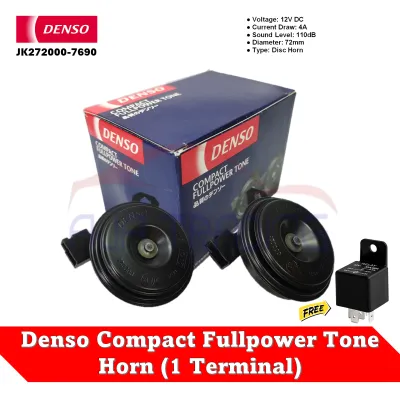
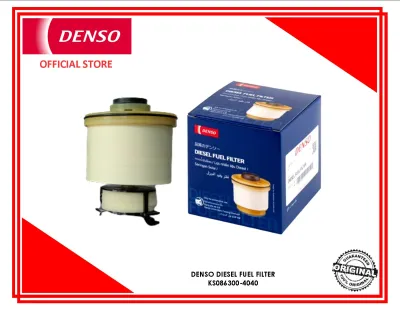
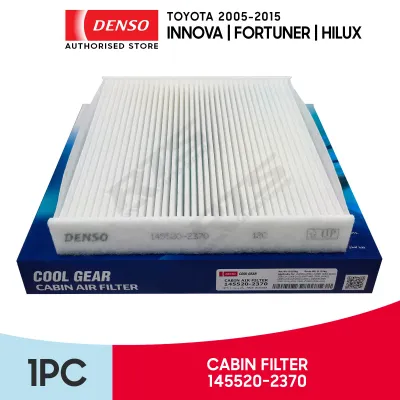
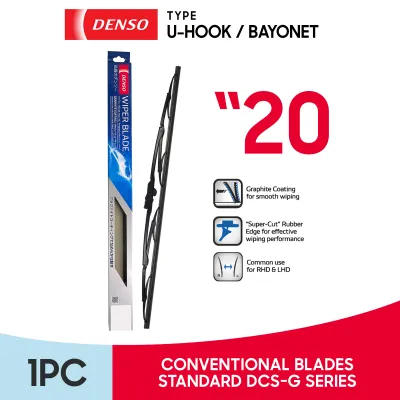
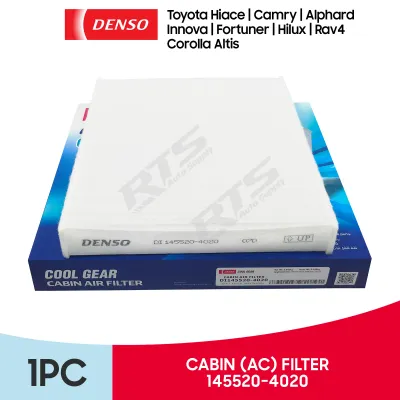
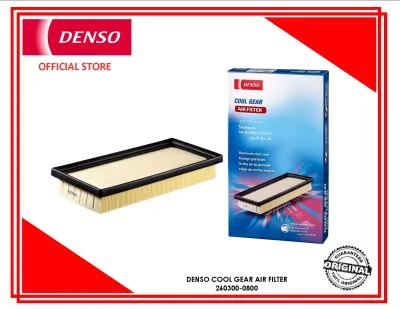
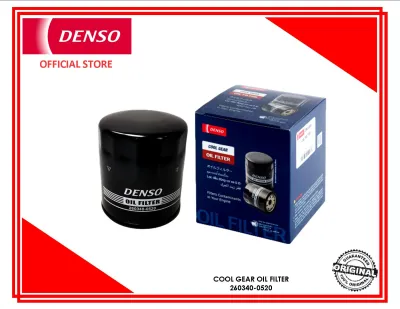
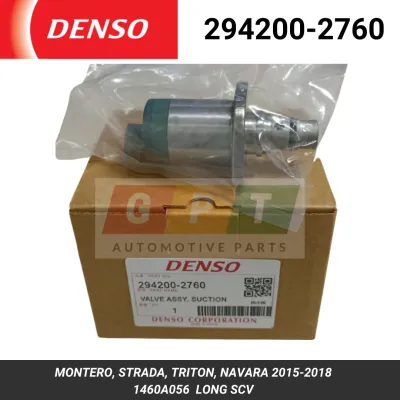
Prices are valid at publication and may change. Please refer to the product page for the latest price.
Beyond immediate mechanical failure, fake parts degrade overall engine performance and fuel efficiency. Poorly wound ignition coils or incorrect electrical resistance can lead to misfires, hard starting, and increased fuel consumption, which adds up to significant long-term costs. In tropical climates, where stop-and-go traffic in intense heat is common, engine components must withstand extreme thermal stress. Installing unverified parts increases the risk of sudden stalling, compromising your safety on busy roads. Investing time in verification prevents premature wear on secondary components and saves you from unexpected towing and repair bills.
Visual and Physical Checks for Denso Packaging
The packaging is your first line of defense when verifying authenticity. Genuine Denso boxes are constructed from high-quality, sturdy cardboard designed to protect the component during shipping and storage in humid environments. Inspect the overall structural condition of the box; flimsy, easily crushed cardboard is a common indicator of a counterfeit product.

Examine the print quality and color consistency across the entire package. Genuine packaging features sharp, clear text and consistent brand colors, typically a distinct blue and red. Counterfeit boxes often display blurry logos, faded colors, or slight color shifts due to low-quality printing processes. Pay close attention to the typography and labels. Look for spelling mistakes, awkward English phrasing, or misaligned text on the informational stickers.
Verify the product label details, including the part number, barcode, and manufacturing origin. The text on genuine labels is crisp and perfectly aligned. If the label looks crooked, has uneven margins, or uses a font that differs from standard Denso packaging, exercise caution. Additionally, inspect the security seals or tape. Genuine parts often feature intact, tamper-evident seals. If the seal is broken, peeled, or looks like it has been reapplied, the contents may have been swapped. Compare the packaging layout and details with official reference images on the manufacturer’s regional website before opening the box.
Inspecting the Part Quality and Markings
Once the packaging is open, perform a detailed physical inspection of the component itself. Genuine Denso parts are manufactured using precise machining and high-grade materials. Examine the casting quality and surface finish of metal components. Authentic parts feature smooth, clean surfaces without rough edges, casting flash, or uneven seams. Counterfeit parts often exhibit poor machining, visible burrs, or a lightweight, flimsy feel that suggests inferior metal alloys.
Locate and inspect the part numbers, batch codes, and brand markings engraved or stamped on the part. On genuine components, these markings are clean, uniform in depth, and perfectly aligned. Counterfeiters often use cheap stamping tools or laser etchers that produce shallow, uneven, or blurry lettering. In some cases, the part number on the physical component may not even match the number printed on the box, which is a definitive sign of a fake.
Check any included accessories, such as gaskets, washers, or O-rings. Genuine accessories are made from high-quality, resilient rubber or metal designed to withstand engine heat and chemical exposure. If the included O-ring feels brittle, has excess rubber flashing, or does not fit the component perfectly, the entire assembly is likely counterfeit. Be aware of unusual chemical odors, such as strong, cheap plastic or low-grade oil smells, which often indicate the use of non-compliant materials. Always verify the specific mounting dimensions and interface compatibility against your vehicle’s original documentation before attempting installation.
Using Official Verification Channels
Visual inspections are highly effective, but combining them with official verification channels provides the highest level of assurance. Denso periodically updates its anti-counterfeit measures and regional verification guides to combat evolving counterfeiting techniques. Visit the official Denso website to review the latest security notices and guidelines specific to motorcycle components.
Some product lines feature unique QR codes or secure holographic labels on the packaging. If your product package includes a verification QR code, use a secure smartphone scanner to read it. Ensure the scan directs you to an official, secure Denso domain rather than a spoofed website designed to mimic the manufacturer’s portal. Check the URL carefully for spelling variations or unusual domain extensions.
If you remain uncertain about a part’s authenticity, contact an authorized local distributor or Denso’s customer support directly. You can provide them with the batch codes, part numbers, and high-resolution photos of the packaging and markings for verification. Keep in mind that anti-counterfeit features can vary by region, product line, and manufacturing year. Relying on a single visual element, such as the presence of a specific sticker, is not foolproof; a holistic approach using multiple verification steps is always recommended.
Choosing Reliable Purchasing Channels
The most effective way to avoid counterfeit parts is to control where you buy them. Purchasing directly from authorized Denso dealers, official brand stores, or established motorcycle service centers significantly reduces the risk of acquiring a fake. These sellers source their inventory directly from authorized distributors, ensuring a secure supply chain.
When shopping on third-party online marketplaces or ecommerce platforms, exercise extreme caution. Evaluate the seller’s profile, historical customer feedback, and overall rating. Look for detailed reviews from other buyers, paying close attention to any mentions of part fitment, performance issues, or suspected counterfeits. Avoid sellers with generic names, high volumes of negative feedback, or those who refuse to answer specific product questions.
Recognize pricing red flags. While finding a good deal is appealing, genuine Denso parts are manufactured to high standards, and their prices reflect those material costs. If a seller offers a part at a price significantly below the average market rate in ₱, it is highly likely to be a counterfeit. Request proof of purchase, official invoices, or authorization certificates when buying from independent shops. Legitimate businesses are generally willing to provide documentation to prove the authenticity of their inventory.
What to Do If You Suspect a Counterfeit
If you suspect that a motorcycle part you purchased is counterfeit, do not attempt to install it on your vehicle. Installing an unverified component can lead to sudden engine failure, void your motorcycle’s warranty, and compromise your safety on the road. For complex electrical or engine work, always consult your vehicle’s original manual and consider seeking assistance from a qualified professional mechanic.
Begin by documenting your concerns. Take clear, well-lit, high-resolution photographs of the packaging from all angles, focusing on the labels, barcodes, and security seals. Photograph the physical part, highlighting any blurry markings, rough finishes, or discrepancies compared to genuine reference images. Keep your original receipt, invoice, and any communication with the seller as evidence.
Contact the seller or the ecommerce platform immediately to initiate a return and refund. Most reputable online marketplaces have buyer protection policies that cover counterfeit goods, provided you report the issue within the specified return window. Additionally, consider reporting the incident to the platform administrators or local consumer protection agencies in the Philippines to help prevent other riders from purchasing dangerous, low-quality components.
Frequently Asked Questions (FAQ)
Can I rely solely on the price to identify a fake Denso part?
No, price alone is not a definitive indicator of authenticity. While an exceptionally low price in ₱ is a major warning sign, some sophisticated counterfeiters price their fake parts close to the retail rate of genuine items to deceive buyers into thinking they are purchasing authentic stock. To make an accurate assessment, you must combine pricing analysis with thorough physical inspections of the packaging, part markings, and the seller’s credentials.
Do all genuine Denso motorcycle parts come with a hologram sticker?
Not all genuine Denso parts feature a hologram sticker. Anti-counterfeit measures, including holograms, QR codes, and security seals, vary depending on the specific product line, the manufacturing facility, and the region where the part is distributed. To determine the exact security features required for your component, consult the official Denso regional website or contact an authorized local distributor with your specific part number.
Is it safe to use a suspected counterfeit part temporarily?
It is highly unsafe to install or use a suspected counterfeit part, even for a short period or in an emergency. Counterfeit engine components are prone to sudden, unpredictable failures due to substandard materials and poor manufacturing tolerances. A sudden failure of a critical part like a spark plug or ignition coil can cause immediate engine shutdown, potentially leaving you stranded in dangerous traffic or causing severe, irreversible internal engine damage.
Community discussion
Share your experience or ask a question. Comments are reviewed before publication.