
To ensure your motorcycle runs reliably under the intense heat and heavy traffic conditions of the Philippines, verifying the authenticity of replacement engine parts is absolutely critical. Finding a reputable seiwa automotive store or authorized distributor is the most dependable way to avoid the mechanical hazards of counterfeit components. While visual inspections and packaging checks provide strong clues, absolute certainty requires cross-referencing part numbers with your vehicle’s official documentation and purchasing exclusively from verified sellers.
Understanding the Safety Risks of Counterfeit Engine Parts
Installing unverified internal engine parts introduces severe operational risks that go far beyond simple mechanical inconvenience. Counterfeit components such as pistons, gaskets, and timing chains are often manufactured using substandard alloys or low-grade rubber compounds that cannot withstand the extreme thermal and mechanical stresses of a running engine. When these critical parts fail, they can cause catastrophic engine lockups, sudden loss of power while riding, or severe oil leaks that can slick your tires and lead to dangerous road accidents.
While counterfeit parts remain a persistent challenge in the aftermarket motorcycle industry, your best defense is a combination of personal vigilance, systematic inspection, and safe purchasing practices. Relying on unverified parts to save money frequently results in much higher long-term costs, as a single failed component can destroy adjacent engine assemblies. Furthermore, using non-genuine parts typically voids any standard manufacturer warranties and can compromise the road legality and overall safety profile of your motorcycle.
Products mentioned in this guide
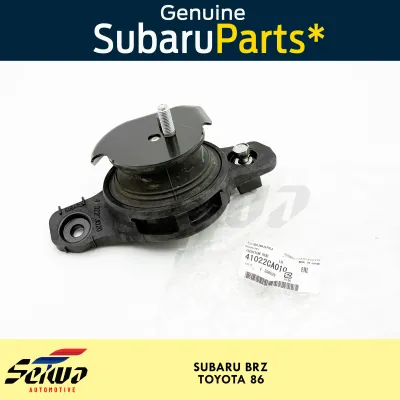
![[1 PIECE][2013 - 2014] Subaru BRZ Ignition Coil - Genuine Subaru Auto Parts](https://img.lazcdn.com/g/p/fd50d9a331c6e38a71f9e8a5e44df84f.jpg_400x400q80.jpg_.webp)
Prices are valid at publication and may change. Please refer to the product page for the latest price.
Before undertaking any engine repair or parts replacement, always consult your motorcycle’s original manufacturer instructions and service manual. Because internal engine work directly impacts vehicle safety and handling, any disassembly, installation, or modification should be performed by a qualified mechanic. Verifying compatibility with your specific vehicle model, year, and dimensions is a mandatory safety boundary that must be established before any parts are purchased or installed.
Identifying Genuine Seiwa Packaging and Physical Markings
Authentic Seiwa engine parts are distributed in high-quality packaging designed to protect the components from humidity and physical damage. When inspecting a box at a seiwa automotive store, pay close attention to the print quality, alignment, and structural integrity of the packaging materials. Genuine boxes are constructed from sturdy, high-density cardboard that does not easily crush, featuring crisp, smudge-free printing, accurate brand logos, correct part numbers, and flawless spelling. Counterfeit packaging often exhibits blurry text, slight variations in the brand’s signature color scheme, or obvious typographical errors.

Beyond the box, the physical markings on the part itself serve as a reliable indicator of authenticity. Genuine Seiwa components feature precise laser etchings, clean cast logos, or deeply stamped part numbers directly on the metal or rubber surfaces. These markings are applied using advanced manufacturing equipment, resulting in uniform depth, consistent font alignment, and sharp edges. In contrast, counterfeit parts frequently display shallow, unevenly spaced, or painted-on markings that can easily be scraped off or will quickly degrade when exposed to engine oil and heat.
The overall material quality and physical weight of the component can also reveal its origin. Authentic engine parts are manufactured to strict weight specifications to ensure proper engine balance and rotational dynamics. If a replacement part feels unusually light or exhibits a rough, uneven surface finish, it may be a counterfeit cast from cheap, porous metals. Comparing the replacement part directly against the worn, original component removed from your engine can help you spot these subtle physical discrepancies.
Inspecting Gaskets and Seals
Non-metallic components like gaskets and oil seals require meticulous physical inspection because they are highly vulnerable to counterfeiting. Genuine Seiwa gaskets feature uniform thickness, perfectly clean cutouts with no ragged edges, and a consistent material texture designed to seal fluids under high pressure. When evaluating rubber seals, gently flex the material to check its elasticity; genuine rubber is pliable yet resilient, designed to endure the intense humidity and thermal cycles of tropical riding.
Be highly suspicious of gaskets or seals that feel brittle, overly stiff, or emit a strong, chemical, or foul-smelling odor. These are clear indicators of low-grade rubber compounds or synthetic materials that will rapidly degrade, crack, or melt when exposed to hot engine oil. A failing seal can lead to sudden compression loss or severe oil leaks, which can starve the engine of lubrication and cause permanent internal damage.
Checking Metal Components and Machining
Hard engine parts such as pistons, valves, and gears require precise machining tolerances to prevent destructive friction inside the engine block. Inspect the surfaces of these metal components under bright light, looking for smooth machining marks, clean threads, and an absolute absence of rough burrs, sharp casting flash, or uneven edges. Genuine parts undergo rigorous finishing processes to ensure that every surface meeting another component is perfectly flat and smooth.
Additionally, authentic metal components often feature specialized protective coatings or anti-corrosion treatments to guard against rust in humid environments. Counterfeiters rarely invest in these advanced chemical treatments, leaving their parts with unevenly applied coatings, discoloration, or raw, unprotected metal surfaces that are highly susceptible to premature wear and oxidation.
Spotting Red Flags in Suspected Fake Seiwa Parts
Identifying counterfeit engine parts requires a keen eye for subtle manufacturing flaws and inconsistent packaging details. Blurry logos, mismatched font styles, and off-center text on the box are common visual red flags that indicate a lack of quality control. Genuine manufacturers adhere to strict branding guidelines, meaning any variation in logo placement, color saturation, or security features (such as holographic stickers or tamper-evident seals) should immediately raise suspicion.
Fitment and dimensional inaccuracies represent another major red flag that often only becomes apparent during installation. Counterfeit parts are frequently made using reverse-engineered molds that fail to capture exact tolerances, resulting in slightly off dimensions, misaligned bolt holes, or improper clearances. Forcing a misaligned part into place can warp engine casings, strip threads, or create microscopic gaps that lead to compression loss and fluid leaks. If a part does not slip into its designated mounting position smoothly and precisely as described in your vehicle’s service manual, stop the installation immediately.
Suspicious pricing structures and unusual product bundling are also strong indicators of counterfeit goods. If a retailer offers a critical engine component at a price significantly below the standard market rate—such as a piston kit or a full gasket set sold for a fraction of the typical retail price in the Philippines—you should proceed with extreme caution. While everyone appreciates a bargain, high-quality manufacturing, specialized metallurgy, and rigorous quality control carry unavoidable production costs. Counterfeiters exploit the desire for cheap parts by selling low-grade items that mimic the appearance of premium brands without offering any of the engineering integrity.
Official Verification and Authentication Steps
To protect consumers from counterfeit goods, many reputable aftermarket manufacturers implement advanced security and authentication features on their packaging. When purchasing from a seiwa automotive store, check the box for official security elements such as holographic labels, scratch-off verification panels, or unique QR codes. These features are designed to be tamper-proof and provide a direct link to the manufacturer’s official verification database. Scanning the QR code or entering the scratch-off serial number into the official brand portal using your smartphone offers a reliable way to confirm the part’s origin.
Another essential step is cross-referencing the part numbers printed on both the packaging and the component itself with the official Seiwa product catalog. Ensure that the part number matches your specific motorcycle model, engine displacement, and production year. Counterfeiters often print generic or outdated part numbers on their boxes, or they may package a completely different component inside a box labeled with a valid part number. Double-checking these details against your vehicle’s service manual prevents compatibility errors and helps expose fraudulent packaging.
However, it is important to recognize the limitations of visual and digital checks alone. Highly sophisticated counterfeit operations can replicate holographic stickers, copy legitimate serial numbers, or redirect QR codes to fraudulent clone websites. Because visual inspections cannot guarantee absolute certainty, you must combine these checks with secure purchasing habits. Relying on digital verification tools is most effective when the part is sourced from an established, highly rated distributor with a direct supply chain to the manufacturer.
Choosing a Trustworthy Seiwa Automotive Store for Genuine Parts
The most effective way to guarantee the authenticity of your engine parts is to carefully select where you shop. Purchasing directly from an authorized distributor or a certified seiwa automotive store ensures that you receive genuine products that have been transported and stored under optimal conditions. Authorized dealers are backed by the manufacturer, meaning they can provide valid warranties, accurate technical support, and reliable compatibility advice based on your specific vehicle model and year.
When shopping on e-commerce platforms or online marketplaces, you must exercise extra diligence to filter out unauthorized third-party sellers. Look for sellers that carry verified “official store,” “preferred,” or “mall” badges, which indicate that the platform has verified their business registration and supply chain. Take the time to read through customer feedback, focusing specifically on detailed reviews from verified buyers who have successfully installed the engine parts. Be skeptical of stores with generic names, extremely short operating histories, or a high volume of repetitive, suspiciously positive reviews.
If you prefer shopping at a physical retail store in your local area, do not hesitate to ask the shop owner or manager about their sourcing practices. Reputable store owners will gladly show you their proof of authorization, distributor stickers, or official supplier invoices to prove the legitimacy of their inventory. A trustworthy business owner values customer safety and will be transparent about where their products are sourced, whereas a shop selling counterfeit goods will often offer vague explanations or refuse to provide any verification details.
What to Do If You Suspect a Counterfeit Purchase
If you purchase an engine part and suspect it is counterfeit upon closer inspection, the absolute first rule of safety is to never install it in your vehicle. Attempting to run an engine with a suspected fake component risks severe mechanical damage, complete engine failure, and potentially life-threatening accidents on the road. Keep the part in its original packaging, preserve all purchase receipts, and immediately consult a qualified professional mechanic to inspect the component if you are unsure of its quality.
To recover your money, initiate a return and refund process through the e-commerce platform’s dispute resolution center or directly with the physical store’s customer service department. Provide clear, high-resolution photographs highlighting the discrepancies you discovered, such as blurry printing, misaligned logos, incorrect dimensions, or failed security codes. Most reputable platforms and physical retailers have strict policies against the sale of counterfeit goods and will issue a full refund if you present clear evidence of fraud.
Finally, take active steps to report the fraudulent seller to help protect other riders in the motorcycle community. You can file a formal complaint with the e-commerce platform to have the seller’s store suspended or shut down. In the Philippines, you can also report the business to local consumer protection authorities, such as the Department of Trade and Industry (DTI), which monitors and penalizes the sale of counterfeit and substandard automotive parts to ensure public safety on the road.
Frequently Asked Questions (FAQ)
Can I rely solely on the price to identify a fake Seiwa engine part?
No, you cannot rely solely on the price to determine whether an engine part is genuine. While an unusually low price is a strong indicator of a counterfeit product, some sophisticated counterfeiters price their fake parts very close to standard retail rates to deceive buyers into thinking they are purchasing authentic goods. To ensure safety, you must combine price evaluation with visual inspections, packaging checks, and official verification steps.
Do all genuine Seiwa parts come with a warranty card?
Not all genuine parts include a physical warranty card, as the inclusion of warranty documentation depends heavily on the specific component type and the authorized dealer’s individual policies. Major, high-value engine assemblies are more likely to feature official warranty paperwork, whereas smaller consumable parts and gaskets typically do not. Always verify the specific warranty terms and return policies with your chosen seiwa automotive store before finalizing your purchase.
Community discussion
Share your experience or ask a question. Comments are reviewed before publication.