
To protect your vehicle’s engine from severe damage, verifying the authenticity of your engine oil before purchase is essential. You can reliably verify the official Medex store by looking for verified mall badges on major e-commerce platforms, cross-referencing the seller’s details with official distributor lists, and performing a meticulous physical inspection of the packaging’s security seals, batch codes, and print quality upon delivery. Taking these preventive steps ensures you receive genuine lubricants formulated to protect your engine under demanding driving conditions.
The Risks of Counterfeit Engine Oil to Your Vehicle
Genuine engine oil is formulated to withstand extreme operating temperatures, especially in tropical climates like the Philippines where stop-and-go traffic under the sun places immense thermal stress on your engine. High-quality lubricants maintain a stable protective film between moving metal parts, reducing friction and dispersing heat effectively. Counterfeit oils, however, often consist of cheap, low-grade base oils without the necessary additive packages required for modern engines.
These substandard fluids degrade rapidly under heat, losing their viscosity and failing to protect critical components. Without proper lubrication, friction increases, causing rapid wear on pistons, camshafts, and bearings. Over time, the degraded oil oxidizes and transforms into thick engine sludge, which clogs oil passages, starves the engine of lubrication, and causes severe overheating.
Products mentioned in this guide
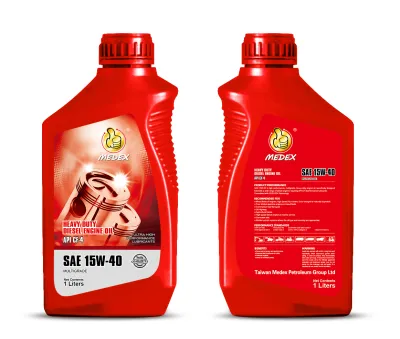
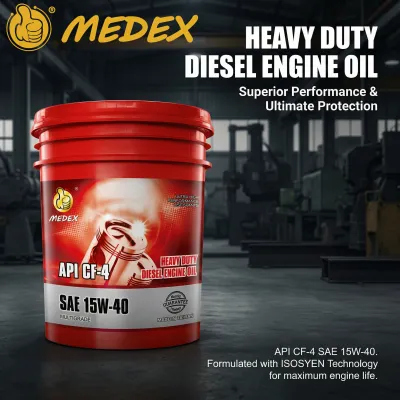
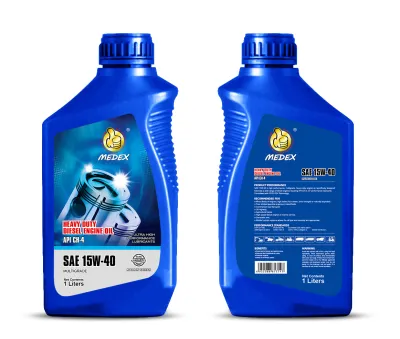
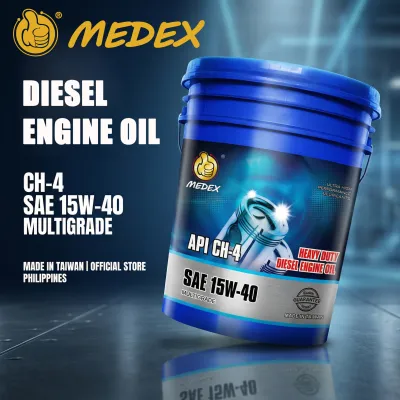
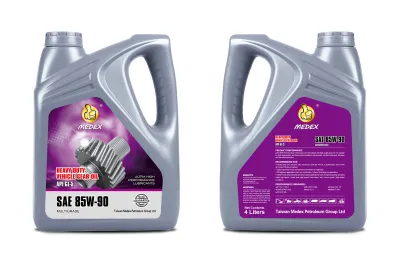
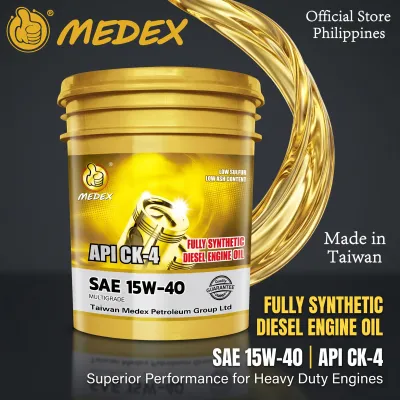
Prices are valid at publication and may change. Please refer to the product page for the latest price.
Once the oil is poured into the engine, identifying a counterfeit product becomes incredibly difficult. Visual symptoms like a ticking engine, increased fuel consumption, or an oil pressure warning light usually only appear after significant internal damage has already occurred. This makes pre-purchase verification and packaging inspection your primary lines of defense against costly mechanical failures.
How to Verify the Medex Official Store Online
When shopping on major e-commerce platforms, the easiest way to identify the official Medex store is by looking for platform-verified badges. Trusted online marketplaces use specific tags, such as official mall status or verified seller badges, to indicate that the store is either the brand owner or an authorized distributor. Always look for these distinct icons next to the store name before browsing their product listings.

Beyond the badge, take a close look at the seller’s profile page to evaluate their legitimacy. Legitimate official stores typically display clear business registration details, a physical office or warehouse address, and professional customer service hours. If a seller’s profile contains vague contact information, a generic name, or a high volume of unrelated products, it is highly likely to be an unauthorized third-party reseller.
Customer reviews provide valuable clues about product authenticity and seller reliability. Do not just look at the overall star rating; filter the reviews to read specific feedback regarding packaging condition, seal integrity, and delivery quality. Look for customer-uploaded photos showing the security seals and batch codes. If multiple buyers mention leaking bottles, smudged labels, or suspicious packaging, treat these as major red flags.
Finaly, cross-reference the online seller’s name with official brand resources. If the manufacturer maintains an official website or a list of authorized local distributors, check if the online store name matches these records exactly. Counterfeiters often use slightly altered names, such as adding extra characters or words like “discount” or “outlet,” to mimic official stores and deceive unsuspecting car owners.
How to Inspect Medex Packaging for Authenticity
Once your package arrives, perform a thorough physical inspection of the bottle before opening it or scheduling an oil change. Genuine engine oil containers are manufactured to high standards, featuring clean mold seams, consistent plastic thickness, and a sturdy feel. Inspect the cap closely to ensure the tamper-evident ring is completely intact and firmly attached to the bottle neck. Any signs of a loose cap, broken plastic rings, or re-glued pull-tabs indicate potential tampering.
Next, examine the labels on both the front and back of the bottle. Official manufacturers use high-precision printing equipment that produces sharp text, vibrant colors, and perfectly aligned graphics. Counterfeit labels often suffer from blurry text, faded colors, misaligned borders, or even spelling mistakes. Run your fingers over the label; high-quality packaging often features textured elements or a premium finish that cheap copies cannot replicate.
Locate the batch number, manufacturing date, and expiry date on the container. On genuine bottles, this information is typically laser-etched or embossed directly onto the plastic, making it highly resistant to smudging or scratching. If you find that the batch details are printed with cheap, easily smudged ink that rubs off with a finger, the product is highly suspicious.
Many modern lubricant brands incorporate advanced security features, such as holographic stickers, unique QR codes, or color-shifting security seals. If the bottle features a QR code or a scratch-off verification code, use your smartphone to scan it. Ensure the link directs you to the official, secure domain of the manufacturer rather than a lookalike website designed to mimic a verification portal.
Steps to Take If You Receive Suspected Fake Oil
If your inspection reveals any signs of a counterfeit product, stop the installation process immediately. Do not pour the suspected oil into your engine, even as a temporary measure. Running an engine with counterfeit oil can lead to catastrophic mechanical failure, resulting in repair bills that far exceed the cost of a genuine bottle of oil.
Immediately document your findings to build a strong case for a refund. Take clear, high-resolution photos and videos of the unboxing process, focusing on the specific packaging flaws, broken seals, smudged batch codes, or blurry labels. Keep the shipping label intact, as it contains crucial tracking information and seller details that you will need for your report.
File a formal return and refund request through the e-commerce platform’s buyer protection program. Select the option for counterfeit or damaged goods and upload your photo and video evidence. Additionally, report the seller directly to the platform’s customer support team to help prevent other car owners from falling victim to the same shop. Finally, consider sending the batch details and photos to official customer support to assist them in tracking unauthorized distribution networks.
Frequently Asked Questions (FAQ)
Can I rely solely on the oil's color and smell to spot a fake?
No, you cannot rely solely on sensory checks like color, clarity, or smell to identify counterfeit engine oil. Modern counterfeiters often use cheap, clean-looking base oils or recycled lubricants that closely mimic the appearance and scent of genuine products. Because these visual and olfactory characteristics are easily replicated, relying on them is highly risky. Instead, always prioritize verifying the seller’s credentials and inspecting the physical packaging security features, such as tamper-evident caps, laser-etched batch codes, and official verification QR codes.
Is it safer to buy Medex oil from physical auto supply shops?
Buying from a physical auto supply shop offers the distinct advantage of allowing you to inspect the bottle’s packaging, seals, and labels before you hand over your cash. However, physical stores are not entirely immune to counterfeit risks, as some independent retailers may unknowingly source their inventory from unauthorized distributors. To protect your vehicle, always ask the shop owner about their sourcing, request an official receipt, and perform the same rigorous packaging and batch code checks on-site before completing your purchase.

Community discussion
Share your experience or ask a question. Comments are reviewed before publication.