
To secure genuine Arivo tires in the Philippines, buyers must systematically verify the seller’s credentials, inspect physical tire markings, and cross-reference digital storefronts with official distributor networks. Counterfeit tires are a growing hazard in the automotive and motorcycle aftermarket, presenting severe safety risks to riders who unknowingly install them. By understanding how to identify authorized dealers and spot the physical signs of a genuine product, you can protect both your financial investment and your personal safety on the road.
Why Authenticity Matters for Motorcycle Tires
In the Philippines, road conditions demand exceptional tire performance. Tropical climates bring intense heat that accelerates rubber degradation, while sudden monsoon downpours require superior wet grip to prevent hydroplaning. Genuine motorcycle tires are engineered with specific rubber compounds and tread designs optimized to handle these exact challenges. Counterfeit tires, by contrast, often use substandard reclaimed rubber that hardens quickly, loses traction on wet asphalt, and fails under load.
Using counterfeit tires compromises your vehicle’s braking efficiency and cornering stability. A fake tire may look identical to a genuine one, but it lacks the internal steel or nylon reinforcement required to withstand high speeds and heavy loads. This structural weakness increases the risk of sudden blowouts, which can lead to catastrophic accidents, especially on busy highways or uneven provincial roads.
Products mentioned in this guide
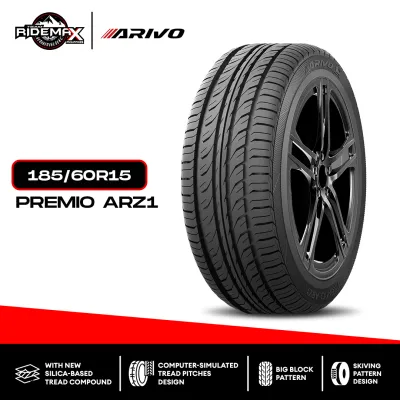
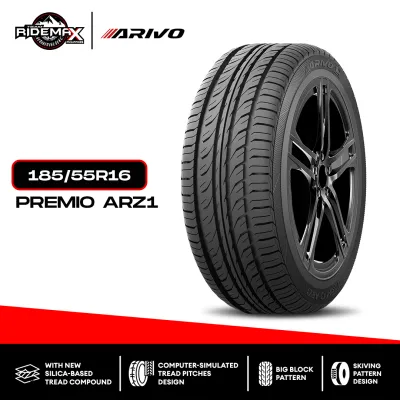
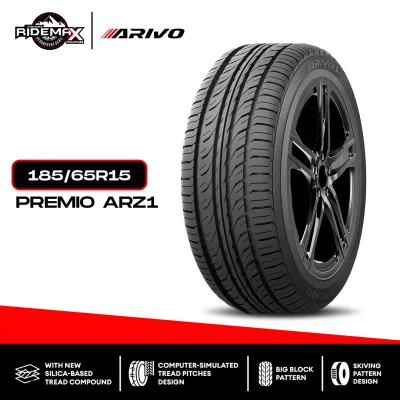
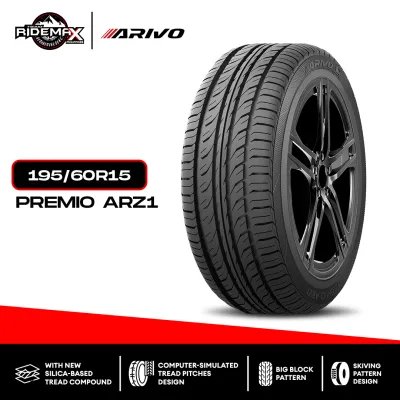
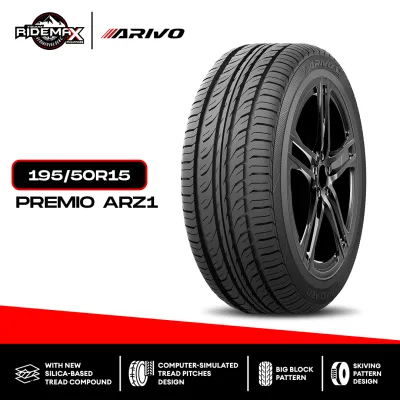
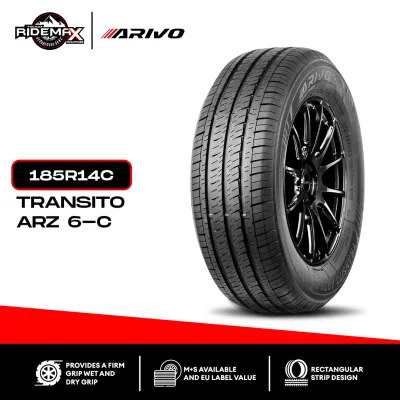
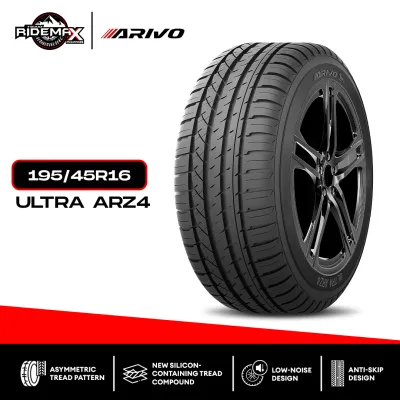
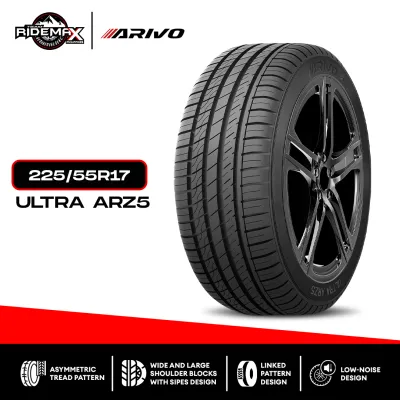
Prices are valid at publication and may change. Please refer to the product page for the latest price.
Because tires are the sole point of contact between your motorcycle and the road, any compromise in tire quality directly threatens your safety. Before purchasing or installing any tire, always consult your vehicle’s owner’s manual to verify the exact dimensions, load index, and speed rating required for your specific model. Never exceed the manufacturer’s recommended limits. Additionally, because improper mounting can damage the tire bead or lead to sudden pressure loss, always have your tires installed by a qualified professional using proper tire-changing machinery.
How to Identify the Official Arivo Tires Store
Identifying an official Arivo tires store requires looking beyond attractive digital banners and low prices. Genuine distribution in the Philippines relies on a structured network of authorized dealers who receive their inventory directly from the official importer. To verify a seller, start by asking for their official dealer certificate or business registration documents. Legitimate businesses operate transparently and will readily provide proof of their relationship with the authorized local distributor.

Cross-referencing seller information with the manufacturer’s official distributor lists or customer service channels is the most reliable way to confirm legitimacy. Many brands maintain updated directories of authorized physical shops and online storefronts on their official websites or social media pages. If a seller’s name does not appear on these lists, contact the official distributor directly to verify the shop’s status before making a purchase.
Verifying Online Storefronts and E-commerce Platforms
When shopping on major e-commerce platforms and online marketplaces, look for platform-verified badges such as official mall tags or preferred seller statuses. These designations indicate that the platform has vetted the seller’s business registration and authenticity. However, do not rely solely on these badges, as some unauthorized sellers may attempt to mimic official branding to deceive buyers.
Take time to evaluate the seller’s history, looking for consistent branding, professional product photography, and detailed product descriptions. Be highly skeptical of stores with generic, randomly generated names or those that mix unrelated product categories. These are common signs of drop-shipping operations that may source inventory from unverified suppliers.
Examine customer reviews closely to gauge the authenticity of the storefront. Look for detailed feedback with actual photos of the tires, and watch out for repetitive, overly generic positive reviews that may indicate manipulation. High follower counts can be artificially inflated, so they should never be your sole metric for trust. A genuine store will have active customer service representatives who can answer technical questions about tire specifications and compatibility.
Confirming Physical Dealerships and Authorized Retailers
For brick-and-mortar shops, look for prominent, high-quality brand signage and official marketing materials provided by the distributor. Authorized physical dealers typically display a framed certificate of authorization in a visible area of the shop. These certificates usually feature the distributor’s official seal, an expiration date, and the dealer’s registered business name.
When visiting a local tire center, do not hesitate to ask the staff about their supply chain. Reputable dealers will confidently explain where their stock comes from and will provide an official receipt that clearly details the tire’s model, size, and serial number. This receipt is your primary tool for claiming manufacturer warranties and ensuring after-sales support.
If a shop refuses to issue an official receipt or offers a discount specifically to avoid issuing one, consider it a major warning sign. Legitimate businesses comply with local tax regulations and warranty standards, meaning they will always provide proper documentation. Furthermore, authorized shops often have professional tire-mounting equipment and trained technicians, ensuring your tires are installed safely and correctly.
Inspecting Packaging and Physical Tire Markings
A physical inspection of the tire is one of the most reliable ways to confirm authenticity. Start by examining the tire sidewall, where all critical safety and manufacturing data is molded. Genuine tires feature clean, crisp, and deeply molded lettering. Look for the Department of Transportation (DOT) code, which indicates the manufacturing facility and the week and year of production. This code is expressed as a four-digit number, such as 2426 for the 24th week of 2026.
The tire size, load index, and speed rating must match the official specifications listed in the brand’s catalog. On counterfeit tires, these markings are often blurry, unevenly spaced, or show signs of being ground down and restamped. If the lettering looks shallow or has rough edges, the tire may have been retreaded or altered to mimic a more expensive model.
Next, inspect the packaging. Genuine tires are typically wrapped in high-quality, branded protective foil with sharp, vibrant logos and clear text. Check for any anti-counterfeit labels, holographic stickers, or QR codes on the packaging wrapper. If a QR code is present, scan it to see if it directs you to an official brand verification portal rather than a generic or suspicious website.
Finally, evaluate the physical rubber itself. Genuine rubber compounds feel firm yet pliable and have a consistent color. Counterfeit tires often emit a strong, highly toxic chemical odor due to cheap bonding agents, and they may exhibit irregular tread patterns, excess rubber flashing from poor molding, or uneven tread depths. Remember that no single visual cue is foolproof; you must perform a combination of these checks to ensure authenticity.
Steps to Take If You Receive a Suspected Counterfeit
If you suspect that you have received a counterfeit tire, do not attempt to mount it on your vehicle or ride on it under any circumstances. A substandard tire can fail catastrophically at high speeds, leading to severe accidents. Keep the tire in its original packaging and take clear, high-resolution photographs and videos of the areas that raised your suspicion, including blurry sidewall markings, poor molding, or damaged packaging.
If you purchased the tire online, immediately initiate a return and refund request through the e-commerce platform’s buyer protection program, citing counterfeit goods as the reason. Do not click the button to confirm receipt of the order or close the transaction, as this may release your payment to the seller. Provide all your photographic evidence and communication history with the seller to support your claim.
For physical purchases, return to the store with your official receipt and demand a full refund. Additionally, report the suspicious seller to the platform’s customer support, the official local distributor of Arivo tires, and the Department of Trade and Industry (DTI) to help protect other consumers in the Philippines from purchasing dangerous fakes.
Frequently Asked Questions (FAQ)
Can I trust a seller if they offer a significantly lower price?
While legitimate promotional sales and seasonal discounts do occur, prices that are drastically lower than the standard market average—such as a tire offered at half the price of established dealers—are a primary indicator of a counterfeit or expired product. Always compare the seller’s price with the manufacturer’s suggested retail price or prices from known authorized dealers. If the deal seems too good to be true, it is highly likely a fake.
Do genuine Arivo tires come with a specific warranty card?
Genuine tires purchased through authorized channels in the Philippines are backed by a manufacturer’s warranty. Depending on the current distributor policy, this may involve a physical warranty card, a digital registration portal, or validation via your official sales receipt. Always ask the seller to clarify the warranty registration process before you finalize your purchase. A seller’s inability or refusal to provide clear warranty terms or an official receipt is a clear signal to halt the transaction immediately.
Community discussion
Share your experience or ask a question. Comments are reviewed before publication.