
Finding a genuine official store online is the most critical step in ensuring your motorcycle engine receives high-performance, reliable components. With the rising popularity of underbone and scooter tuning, counterfeit engine parts have increasingly flooded online marketplaces, posing a severe threat to both your machine and your personal safety. To protect your investment, you must learn how to distinguish authorized distributors from unauthorized copycats by analyzing seller credentials, inspecting physical packaging, and recognizing common listing red flags.
Why Authentic Pitsbike Engine Parts Matter
Installing counterfeit engine components can lead to catastrophic mechanical failures that are both dangerous and expensive to resolve. High-performance parts like camshafts, valves, and cylinder blocks operate under extreme thermal and mechanical stress, especially in tropical climates where ambient temperatures and humidity accelerate engine wear. Substandard alloys and poor machining tolerances in fake parts often result in rapid wear, improper oil clearance, and eventual component breakage.
When a critical moving part fails at high speeds, it can cause immediate engine seizure, locking the rear wheel and putting the rider at risk of a severe accident. Furthermore, using unverified components typically voids any existing manufacturer warranties on your motorcycle, leaving you fully responsible for subsequent repair costs. Because engine modifications directly impact vehicle safety and road legality, always consult your motorcycle’s original manufacturer documentation to verify compatibility, mounting positions, and torque specifications before purchasing. For these reasons, we highly recommend having all critical engine components installed by a qualified motorcycle mechanic.
Products mentioned in this guide
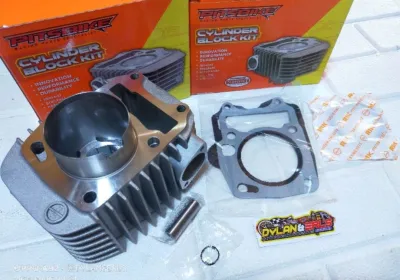
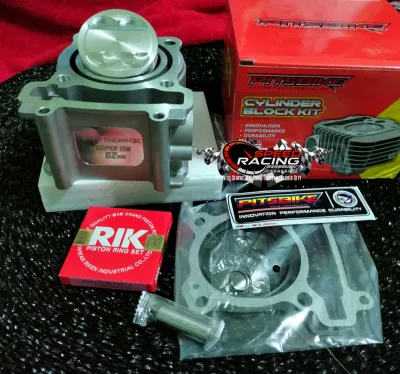
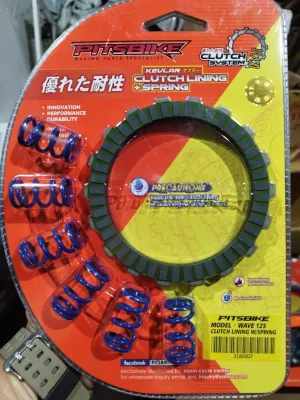
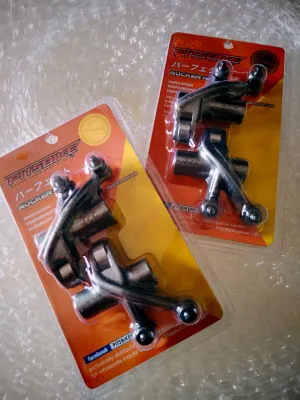
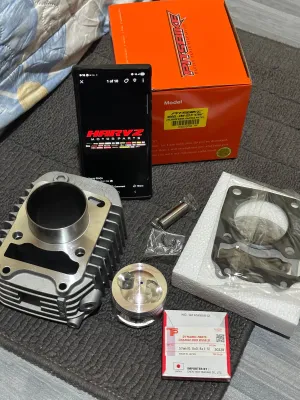
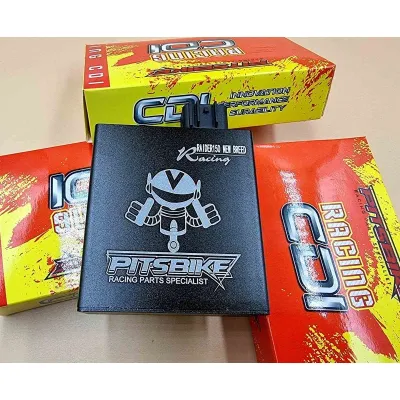
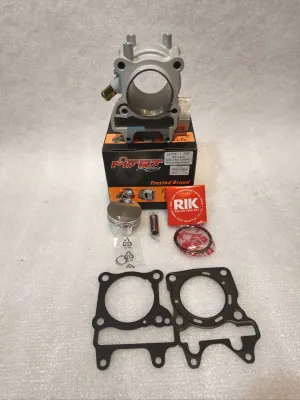
Prices are valid at publication and may change. Please refer to the product page for the latest price.
How to Identify the Official Pitsbike Store Online
Navigating online marketplaces requires a systematic approach to verify a seller’s legitimacy before clicking the purchase button. When shopping on major e-commerce platforms, look for official store badges, verified seller tags, or mall status indicators that signify a direct brand partnership or authorized distributorship. These platforms vet official stores through strict business registration checks, providing a primary layer of security for buyers.

Do not rely solely on the store’s name, as counterfeiters often use variations of the brand name to deceive shoppers. Cross-reference the store’s listed business name, address, and contact details with the official corporate channels and social media pages of the brand. Legitimate distributors will display consistent branding, high-resolution logos, and professional product photography across all their digital storefronts.
Additionally, evaluate the store’s operational history, follower count, and customer feedback patterns. A genuine official store typically boasts a long-standing presence on the platform, a high volume of positive ratings, and active customer service representatives who can answer technical inquiries. Be wary of newly created stores with generic usernames, low follower counts, and highly repetitive or suspicious product reviews.
Physical and Packaging Checks for Genuine Parts
Once your package arrives, conduct a thorough physical inspection of the packaging and the component itself before initiating installation. Genuine parts are shipped in high-quality, sturdy packaging featuring crisp, clear printing, correct brand logos, and intact factory seals. Counterfeiters often use cheap, flimsy cardboard or plastic wrap with blurry text, spelling errors, or mismatched color schemes that indicate low-budget reproduction.
Inspect the component’s build quality, machining finish, and structural details under good lighting. Authentic parts feature precise machining, clean threads, and consistent surface treatments without burrs, casting defects, or uneven edges. Look for engraved or stamped part numbers, batch codes, and official security holograms, which are difficult for counterfeiters to replicate accurately.
To ensure absolute compatibility, compare the received item’s weight, dimensions, and mounting interfaces against the specifications in your vehicle’s documentation or the original part you removed. Even a fraction of a millimeter of variance in a piston or camshaft can cause severe engine damage upon startup. If the part feels unusually light or fails to align perfectly with the factory mounting points, do not force the installation; instead, contact a professional to verify its authenticity.
Red Flags of Counterfeit Sellers and Listings
Recognizing the warning signs of a fraudulent listing can save you from purchasing substandard parts in the first place. The most common red flag is a price that is significantly lower than the standard market rate. If a listing offers a high-performance engine component for a fraction of the price found on official brand channels, it is highly likely a counterfeit designed to lure unsuspecting buyers looking for a bargain.
Analyze the product description and listing photos carefully before making a decision. Legitimate listings provide detailed technical specifications, precise vehicle compatibility lists, and actual photos of the product from multiple angles. Counterfeit listings often rely on low-resolution stock photos, vague descriptions, and generic titles that avoid specific technical details or compatibility warnings.
Furthermore, pay close attention to the seller’s communication and policies. Legitimate sellers are willing to provide proof of authorization, clear return policies, and official receipts for warranty purposes. If a seller refuses to answer technical questions, avoids providing clear return instructions, or operates under a strict no-return policy for allegedly brand-new parts, you should look for an alternative source.
What to Do If You Suspect a Counterfeit Part
If you receive a part and suspect it is counterfeit, halt the installation process immediately. Attempting to fit or run a suspicious component in your engine can cause irreversible damage to other genuine parts, turning a simple return process into an expensive engine rebuild. Keep the part in its original, uninstalled condition to preserve your eligibility for a refund.
Document the entire unboxing and inspection process with clear, high-resolution photos and videos. Capture close-up shots of the packaging, shipping labels, security seals, and any physical defects or discrepancies on the part itself. This visual evidence is crucial when filing a dispute with the e-commerce platform’s buyer protection program.
Initiate a formal return or refund request through the platform as soon as possible, selecting the appropriate reason code for counterfeit or mismatched items. Report the fraudulent seller to the platform’s customer support team and the official brand representatives to help protect other riders in the motorcycle community from falling victim to the same scam.
Frequently Asked Questions (FAQ)
Can I use a counterfeit Pitsbike part temporarily if it fits?
No, you should never use a counterfeit engine part, even as a temporary fix. Substandard metallurgy and poor manufacturing tolerances mean these parts have highly unpredictable failure rates under intense engine heat and pressure. A sudden failure can cause catastrophic engine seizure, leading to expensive rebuilds and severe safety risks on the road.
Do official Pitsbike stores offer warranties on engine parts?
Yes, official stores and authorized distributors typically offer limited warranties covering manufacturing defects. To qualify for warranty support, you must verify the specific store’s policy before purchasing, retain your official receipt, and keep the original packaging intact.
Community discussion
Share your experience or ask a question. Comments are reviewed before publication.