
Shopping for automotive care products requires vigilance, especially when purchasing premium interior cleaners and air fresheners online. To guarantee you are buying authentic products, you must verify that you are purchasing directly from the pristine official store. With counterfeit automotive goods increasingly entering digital marketplaces, learning how to distinguish legitimate storefronts from unauthorized copycats is the most effective way to safeguard your vehicle and your health.
In the Philippines, the combination of intense tropical heat and high humidity makes interior maintenance challenging. Using counterfeit cleaning agents on delicate dashboard plastics, leather seats, or sensitive electronics can lead to rapid, irreversible damage. This guide provides a step-by-step verification framework to help you navigate online marketplaces, inspect physical packages, and take action if you receive a suspect product.
The Risks of Fake Interior Cleaners and Fresheners
Counterfeit car care products pose significant risks to your vehicle’s interior materials. Authentic formulations are engineered to clean surfaces without stripping protective coatings, whereas fake interior cleaners often contain harsh, unlisted industrial solvents. These aggressive chemicals can dry out leather upholstery, cause soft-touch plastics to become sticky, and discolor vinyl dashboards over time.
Products mentioned in this guide
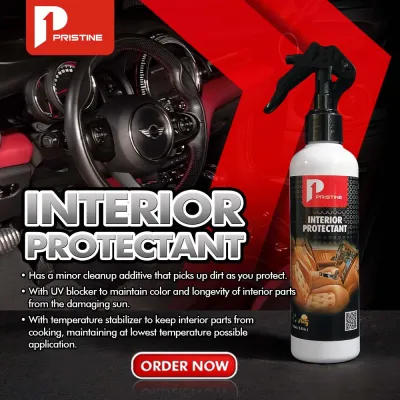
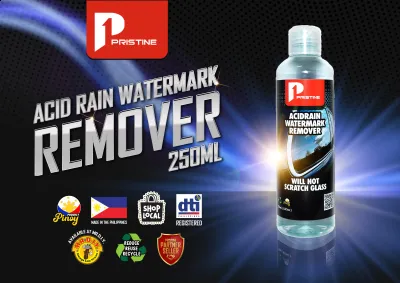
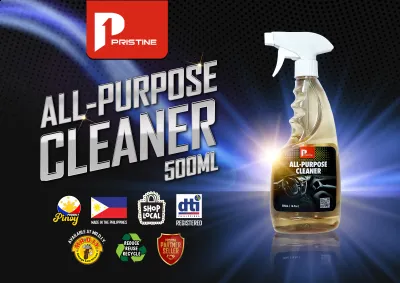
Prices are valid at publication and may change. Please refer to the product page for the latest price.
Furthermore, counterfeit car perfumes and fresheners present hidden health hazards. Genuine fragrances undergo strict safety evaluations, but counterfeit versions frequently rely on low-grade synthetic compounds and volatile industrial alcohols. When exposed to the high cabin temperatures common in parked cars under the Philippine sun, these chemicals evaporate rapidly, potentially causing headaches, respiratory irritation, or allergic reactions for passengers.
Additionally, poor-quality freshener liquids can leak or leave a stubborn, sticky residue on air vents and dashboard panels. This residue attracts dust and grime, creating a stubborn layer that is difficult to clean without damaging the underlying material. To avoid these issues, always check the applied product’s label and your vehicle manufacturer’s care instructions before use. If the instructions conflict or the material is unidentified, stop and consult a professional detailer.
How to Identify the Legitimate Pristine Storefront Online
Finding the genuine pristine official store on digital marketplaces requires analyzing specific platform markers rather than relying on search results alone. Major e-commerce platforms in the Philippines use verified badges to distinguish official brand distributors from third-party merchants. Look for indicators such as “Mall” tags, “Official Store” labels, or verified seller checkmarks next to the storefront name.

To ensure you are not visiting a sophisticated imitation, cross-reference the store’s profile link or URL with the brand’s official website or verified social media channels. Legitimate brands typically maintain a direct directory of their authorized online retail channels. If a seller’s URL contains random strings of numbers, misspellings of the brand name, or unusual domain extensions, treat it as a significant red flag.
Analyze the store’s operational history, return policies, and customer service responsiveness. A legitimate brand store usually displays a long-term presence on the platform, comprehensive warranty information, and a clear, structured return policy. When you message the seller, the responses should be professional, coherent, and knowledgeable about the product specifications, rather than automated, repetitive, or evasive.
Be highly skeptical of extreme price discrepancies. While official stores run seasonal promotions or offer bundle discounts, authentic premium interior cleaners and fresheners maintain a stable market value. If a listing offers a product at a fraction of its standard retail price—such as advertising a premium cleaner for ₱150 when the official listing is ₱600—it is highly probable that the item is counterfeit. Avoid relying solely on follower counts, as these metrics can be artificially inflated by malicious actors.
Physical Inspection: Spotting Genuine vs. Counterfeit Products
Once your order arrives, conducting a physical inspection before opening or using the product is your next line of defense. Do not assume a product is authentic simply because the shipping box looks intact. Look for a cumulative series of physical anomalies rather than relying on a single indicator to make your decision.
Packaging and Labeling Red Flags
Genuine automotive care products feature high-quality packaging designed to withstand shipping and storage. Inspect the labels carefully for blurry text, pixelated graphics, or uneven color printing, which indicate low-cost reproduction methods. Misspelled words, grammatical errors, or missing ingredient lists are clear signs of a counterfeit operation.
Examine the physical container, focusing on the quality of the plastic bottle, trigger spray mechanism, or freshener housing. Authentic manufacturers use sturdy, uniform molds, whereas counterfeit bottles often display rough seams, thin plastic walls, or poorly fitting caps. Look for tamper-evident seals, shrink-wrap bands, or holographic stickers over the closures; if these safety features are missing, damaged, or look hastily applied, do not use the product.
Product Consistency and Scent Profiles
If the packaging passes initial inspection, carefully examine the product itself. For liquid cleaners, check the viscosity, color clarity, and uniformity through the bottle if it is translucent. Authentic formulations remain stable, whereas counterfeit liquids may show signs of separation, unusual sediment at the bottom, or an unnatural color tint.
For car fresheners and perfumes, the scent profile is a critical indicator of authenticity. Genuine car scents are balanced, subtle, and designed to diffuse gradually over time. Counterfeit air fresheners often emit a sharp, overwhelming odor of alcohol or harsh synthetic chemicals immediately upon opening, which can quickly degrade into an unpleasant smell.
Before applying any newly purchased cleaner to your dashboard, seats, or door panels, always perform a spot test. Apply a tiny amount of the liquid to a small, hidden area of the car interior, such as the underside of a seat or a low corner of the door panel. Wait for the recommended drying time to ensure there is no discoloration, fading, or material degradation before proceeding with a full application.
Actionable Verification Steps Before and After Purchase
To elevate your verification process, utilize the structural security features provided by modern manufacturers. Many premium car care brands print unique QR codes, barcodes, or scratch-off verification panels directly on their product packaging. Locate these codes on the back or bottom of the bottle and scan them using a smartphone camera.
However, you must exercise caution when scanning QR codes, as counterfeiters sometimes clone valid codes or redirect users to fake verification websites. When the scan completes, carefully inspect the destination URL in your browser’s address bar. Ensure the domain matches the official brand website exactly, looking out for subtle typosquatting tricks, such as replacing letters with numbers or using unusual domain extensions.
Next, locate the printed batch code and expiration date, which are typically stamped on the bottom of the bottle or near the neck. Authentic manufacturers use precise, high-speed inkjet printing or laser engraving for these codes, resulting in clean, uniform characters. Counterfeiters often use cheap hand-stamps that smudge easily, or they may omit these details entirely to save on production costs.
If you remain uncertain about the product’s authenticity after performing these checks, contact the brand’s official customer support team directly. Provide them with clear, high-resolution photographs of the product’s front and back labels, the batch code, the packaging seals, and a copy of your purchase receipt. Legitimate customer service departments can cross-reference the batch code against their production logs to confirm if the item is genuine.
What to Do If You Receive a Suspected Counterfeit
If your verification steps indicate that you have received a counterfeit product, stop using it immediately. Continued use of unverified chemical cleaners or fresheners poses a direct risk to your vehicle’s interior materials and your personal health. Store the product safely out of reach of children and pets while you resolve the issue.
Document the counterfeit item thoroughly to build a strong case for a refund. Take clear, well-lit photos of the product alongside any genuine items you own, highlighting the specific discrepancies you discovered, such as blurry text, poor molding, or missing seals. Take screenshots of the online store listing, the seller’s profile, and your transaction details, including the order number and payment confirmation.
File a formal dispute through the buyer protection program of the e-commerce platform where you made the purchase. Most major online marketplaces have strict policies against counterfeit goods and offer refund mechanisms if you report the issue within their designated protection window. Present your documented evidence clearly and objectively to the platform’s customer support team.
Avoid engaging in aggressive or hostile confrontations with the seller. Some unauthorized merchants may attempt to persuade you to close the dispute in exchange for a partial refund or a replacement item, which can void your platform-backed buyer protection. Allow the e-commerce platform’s formal dispute resolution process to handle the communication and refund processing.
If the platform rules in your favor and does not require you to return the item, dispose of the chemical product safely. Do not pour automotive cleaners or chemical fresheners down household drains or discard them in regular trash bins, as they can harm municipal water systems and the environment. Research local waste management guidelines in your city or municipality in the Philippines to locate a safe disposal point for hazardous household waste.
Frequently Asked Questions (FAQ)
Can I trust third-party sellers with high ratings?
High ratings and positive reviews on third-party listings do not guarantee product authenticity. Online storefront ratings can be manipulated through incentivized reviews, brush accounts, or automated feedback systems. Additionally, some positive reviews may simply reflect fast shipping times or secure packaging rather than the actual genuineness of the liquid cleaner or freshener inside. To guarantee you receive genuine products, prioritize purchasing directly from the pristine official store or authorized physical distributors.
Do authentic Pristine fresheners always have a batch code?
Most authentic fresheners and interior cleaners feature a clearly printed batch code for quality control and tracking purposes. However, minor variations can occur due to packaging updates, limited-edition promotional sizes, or regional manufacturing differences. If you notice a missing or unusual batch code format, do not rely on unverified online forums; instead, contact the brand’s official customer support channel to verify the packaging standards for that specific product batch.
Community discussion
Share your experience or ask a question. Comments are reviewed before publication.