
Finding a reliable motorcycle helmet is one of the most critical decisions a rider in the Philippines can make. With the rising popularity of affordable yet stylish gear, Zebra helmets have become a common sight on local roads. However, this popularity has also made the brand a target for counterfeiters who produce cheap, unsafe imitations that fail to protect you during an accident.
To ensure you are purchasing a genuine product, you must know how to identify the official Zebra helmet store and recognize the physical markers of an authentic helmet. Buying from authorized channels and performing a thorough inspection of the packaging, safety labels, and build quality are the only ways to guarantee your gear meets real safety standards. This guide outlines the exact steps to verify your purchase and protect yourself from dangerous counterfeits.
Where to Buy from the Zebra Helmet Official Store and Authorized Dealers
When shopping online, the easiest way to avoid fakes is to purchase directly from verified flagship stores on major ecommerce platforms. These platforms feature official mall sections where brands must submit legal business registration documents to obtain an “Official Store” or “Mall” badge. Always look for these specific verification badges next to the seller’s name before adding a helmet to your cart.
Products mentioned in this guide
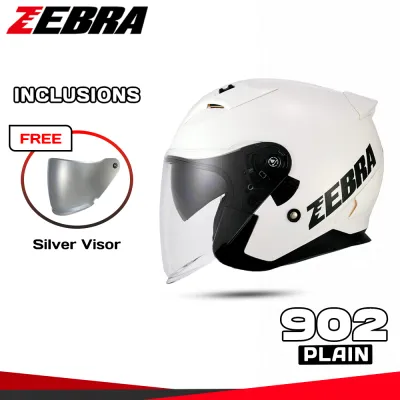
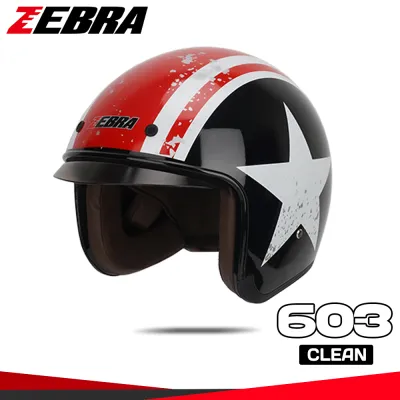
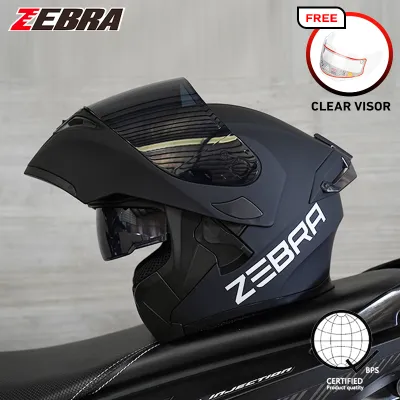
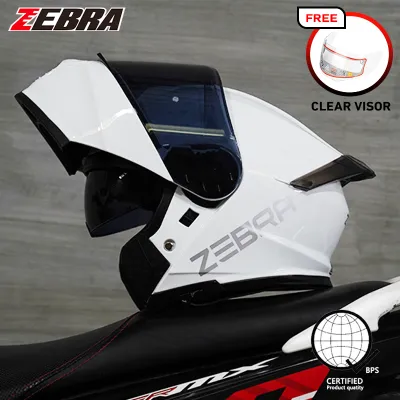
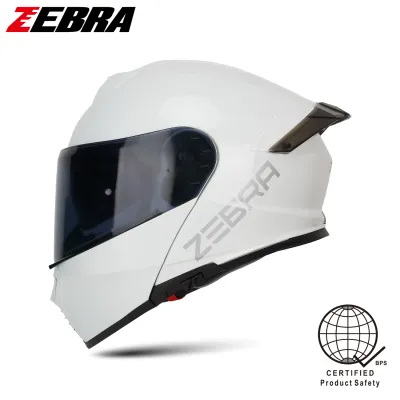
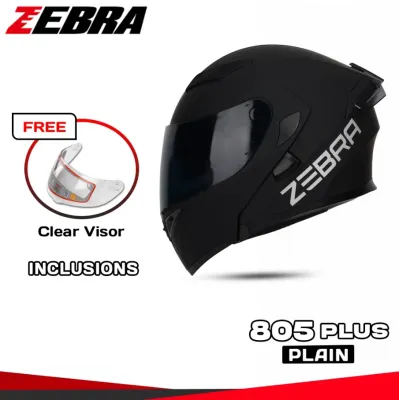
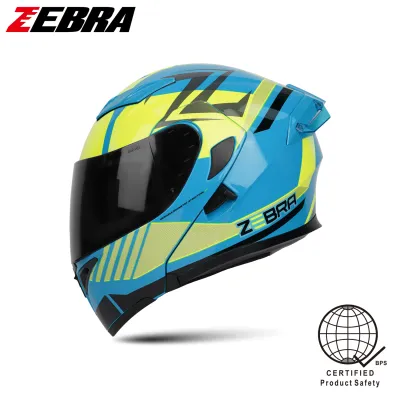
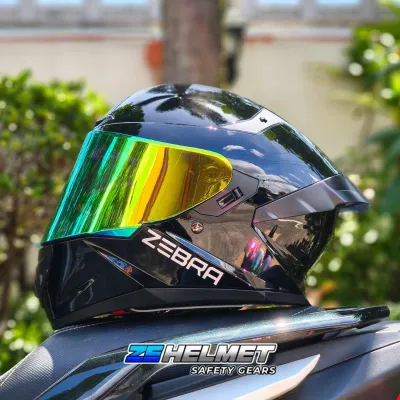
Prices are valid at publication and may change. Please refer to the product page for the latest price.
If you prefer buying from a physical retail shop, always ask the seller for their official dealer certificate. Legitimate distributors and physical motorcycle accessory shops in the Philippines are proudly authorized by the manufacturer and will readily display their credentials. You can also cross-reference the shop’s name with the authorized dealer lists often posted on the official social media pages of the brand.
Be highly suspicious of unauthorized third-party sellers, especially those operating on social media marketplaces or classified ads. These sellers often lure buyers with incredibly low prices, sometimes offering helmets for only a few hundred ₱ when the standard retail price is significantly higher. If a deal seems too good to be true, it is almost certainly a counterfeit product made from inferior materials.
How to Inspect Packaging and Certification Labels for Authenticity
Before you even put the helmet on, a close inspection of the external packaging and certification labels can reveal whether the product is genuine. In the Philippines, all legitimate motorcycle helmets must carry official safety markings. Look for the Import Commodity Clearance (ICC) sticker or the Philippine Standard (PS) mark, which are issued by the Bureau of Philippine Standards.

On an authentic helmet, the ICC sticker is a high-quality, holographic label that is securely adhered to the shell, typically at the rear. Counterfeit helmets often feature fake ICC stickers that are poorly printed, lack the distinct holographic shimmer, or are easily peeled off with a fingernail. You can also verify the validity of the ICC certificate number printed on the sticker through official government verification channels or apps if available.
Next, examine the box and the included materials. Genuine Zebra helmets are packaged in sturdy, high-quality cardboard boxes featuring sharp, high-resolution printing with accurate brand logos and colors. Inside, you should find a clean, professionally printed user manual and a warranty card. If the box is flimsy, lacks branding, or contains documents with obvious typographical errors and blurry text, you are likely dealing with a fake.
Finally, look for the manufacturer’s serial numbers or batch codes. These are usually printed on a small sticker located on the helmet shell or underneath the comfort liner. Authentic manufacturers keep strict records of these production codes. If the helmet lacks a serial number entirely, or if the sticker looks hastily applied and misaligned, it is a major warning sign.
Physical and Visual Checks to Spot Fake Zebra Helmets
If the packaging passes inspection, the next step is to evaluate the physical build quality of the helmet itself. Authentic helmets undergo strict quality control processes, resulting in a flawless finish. Inspect the outer shell carefully under good lighting; the paint should be smooth and even, with no runs, bubbles, or trapped dust particles.
Decals and graphics on a genuine helmet are applied precisely and are sealed under a durable clear coat. On counterfeit helmets, you will often find that the graphics are cheap stickers applied on top of the paint, which can be easily peeled or scratched off at the edges. The brand logo itself may also feature subtle spelling variations or incorrect fonts designed to trick casual observers.
The interior of the helmet is where safety is determined, specifically within the Expanded Polystyrene (EPS) foam liner. In an authentic helmet, this liner is dense, firm, and designed to absorb high-impact forces. Press your thumb firmly against the EPS liner; if it feels soft, spongy, or crumbles easily, it is a counterfeit made of cheap packaging foam that offers zero crash protection.
Additionally, examine the comfort padding and the retention system. Genuine padding is made of moisture-wicking, breathable fabric with neat, uniform stitching that does not fray. The chin strap should be securely anchored to the shell with heavy-duty rivets, and the buckle mechanism—whether a quick-release or double-D ring—must operate smoothly and lock securely without any play.
Do not forget to check the visor and its mounting hardware. Authentic visors are made of optical-grade polycarbonate that provides a clear, distortion-free view of the road. Counterfeit visors are often made of cheap, thin plastic that distorts your vision, scratches easily, and may shatter upon impact. The visor hinge mechanism should allow for smooth opening and closing, locking firmly into place at each detent.
What to Do If You Suspect You Bought a Counterfeit Helmet
If you realize you have purchased a counterfeit helmet, do not ride with it. Your immediate priority should be documenting the evidence to secure a refund and report the fraudulent seller. Take clear, high-resolution photos and videos of the counterfeit indicators, such as the fake stickers, poor stitching, flimsy packaging, and any discrepancies in the brand logo.
Keep all transaction records, including order confirmation emails, digital receipts, and chat logs with the seller. If you bought the helmet through an online marketplace, initiate a return and refund request immediately within the platform’s buyer protection window. Make sure to select the correct reason for the return, such as “counterfeit item” or “item not as described,” and upload your documented evidence.
Do not click the button to confirm receipt of the item, as this often releases the funds to the seller and makes getting a refund much more difficult. After initiating the return, report the seller’s account directly to the platform’s customer support team so they can take down the listing. You can also file a formal complaint with the Department of Trade and Industry (DTI) in the Philippines to help prevent other riders from falling victim to the same scam.
Frequently Asked Questions (FAQ)
Can I rely solely on the helmet's price to determine if it is authentic?
No, price alone is not a reliable indicator of authenticity. While an extremely low price in ₱ is a strong warning sign, some deceptive sellers list counterfeit helmets at or near the standard retail price to make them appear genuine. To protect yourself, you must always combine price checks with channel verification and a thorough physical inspection of the safety labels and build quality.
Is it safe to use a suspected counterfeit helmet if it fits well?
No, it is highly dangerous to use a suspected counterfeit helmet, regardless of how well it fits. Counterfeit helmets do not undergo standardized impact testing and are constructed from cheap, unrated materials that cannot withstand crash forces. Using a fake helmet leaves you completely unprotected on the road, so you should discontinue its use immediately and replace it with a verified, authentic helmet.
Community discussion
Share your experience or ask a question. Comments are reviewed before publication.