
Ensuring your riding gear is genuine is a matter of life and death on the road. To verify if your LS2 helmet is authentic, you must look for the official Import Commodity Clearance (ICC) or Philippine Standard (PS) certification marks, inspect the physical build quality, and cross-reference the unique serial numbers with official distributor databases. While counterfeiters have become increasingly sophisticated, they consistently fail to replicate the strict safety standards and manufacturing precision of a genuine helmet.
When shopping for protective gear, knowing how to spot these differences protects both your wallet and your life. Purchasing directly from a verified ls2 helmet official store or an authorized dealer is the most reliable way to guarantee you are buying a genuine product. By combining visual inspections of the safety stickers with physical examinations of the helmet’s materials, you can confidently ride knowing your head is fully protected.
Why PSB and ICC Marks Matter for Your Safety on Philippine Roads
The Bureau of Philippine Standards (BPS) under the Department of Trade and Industry (DTI) regulates protective headgear to ensure all motorcycle helmets sold locally can withstand severe impacts. The PS mark and the ICC sticker serve as official proof that a helmet has passed rigorous laboratory testing. These tests evaluate critical safety performance metrics, including shock absorption, penetration resistance, chin strap retention strength, and peripheral vision clearance.
Products mentioned in this guide
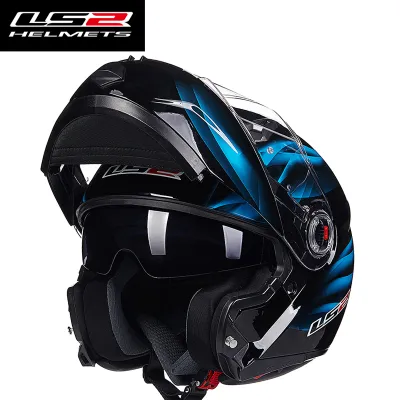
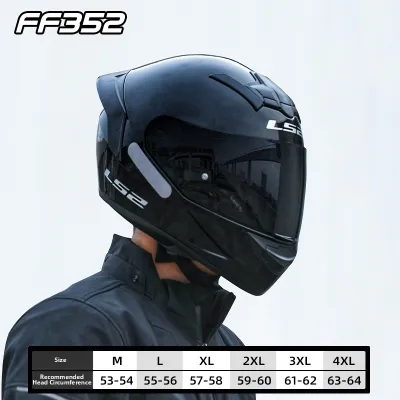
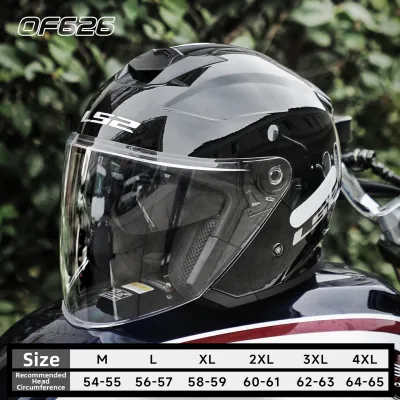
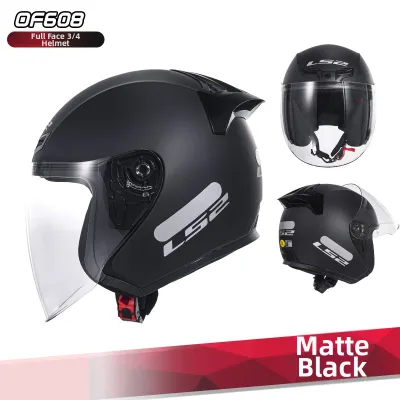
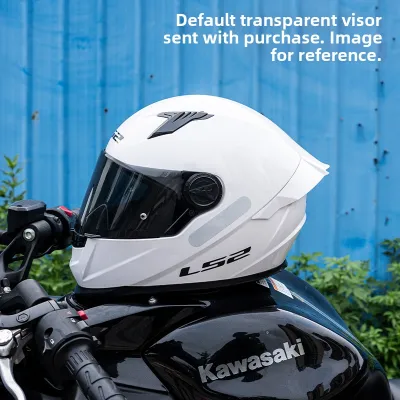
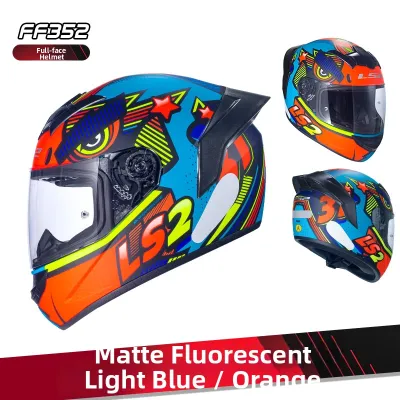
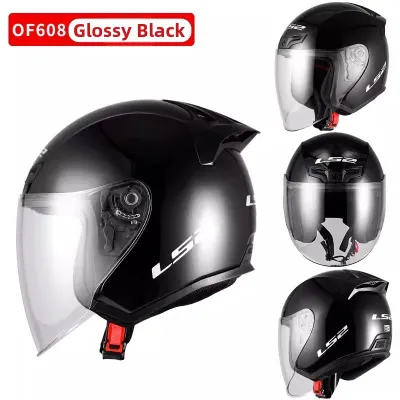
Prices are valid at publication and may change. Please refer to the product page for the latest price.
When a helmet carries a genuine ICC or PS mark, it means the specific batch or model has been verified to protect your head during a collision. In contrast, counterfeit helmets bypass these quality control measures entirely. Fake helmets are often constructed from cheap, brittle plastics instead of high-grade polycarbonate, fiberglass, or carbon fiber composites. Under the force of an impact, a counterfeit shell can shatter catastrophically, transferring the full energy of the crash directly to the rider’s skull.
In the Philippine market, the prevalence of uncertified and counterfeit riding gear poses a significant hazard. Many of these substandard products are sold at fraction-of-the-cost prices, targeting riders who may not be aware of the safety compromises involved. Riding in a tropical environment with heavy traffic, unpredictable road conditions, and sudden weather changes demands reliable gear. Relying on an unverified helmet means riding without a safety net, making certification verification an essential step before every purchase.
How to Visually Inspect PSB and ICC Certification Marks
The first line of defense in verifying your LS2 helmet is a thorough visual inspection of the certification marks. On genuine imported helmets like LS2, you will typically find the blue-and-green ICC sticker affixed to the back of the outer shell. This sticker is usually placed over the clear coat or directly on the shell surface near the base of the helmet. In some cases, manufacturing or standard compliance labels are also printed on the inner comfort padding or stitched onto the chin strap.

A genuine ICC sticker has distinct characteristics that are difficult for counterfeiters to copy perfectly. The printing on an authentic sticker is crisp, clear, and perfectly aligned, with no blurred edges or bleeding ink. It features a unique serial number printed at the bottom of the sticker, which corresponds to the specific import shipment approved by the DTI. The holographic elements on the sticker should catch the light cleanly, showing a distinct shift in color and pattern when tilted.
You must avoid relying solely on the presence of a sticker, as counterfeiters frequently print fake decals to deceive buyers. A common red flag is a sticker that peels off too easily or feels like cheap, thin paper. Authentic ICC stickers use strong industrial adhesives designed to withstand the high humidity and intense heat of the Philippine climate without curling at the edges. If the sticker looks off-center, uses an unusual font, or lacks a unique serial number, you should treat the helmet with high suspicion.
To ensure the mark is legitimate, you can cross-reference the sticker’s layout with the official guidelines provided by the Bureau of Philippine Standards. The BPS periodically updates the design and security features of its certification marks to combat counterfeiting. Checking the official BPS portal or DTI advisory pages will show you the exact dimensions, color schemes, and holographic patterns that should be present on a compliant helmet sticker for the current year.
Beyond the Sticker: Physical and Packaging Authenticity Checks
While safety stickers can be faked, replicating the advanced engineering and high-quality materials of a genuine LS2 helmet is incredibly difficult and expensive for counterfeiters. A comprehensive physical inspection of the packaging, documentation, and the helmet’s structural components will quickly reveal whether the product is authentic.
Evaluating the Box and Documentation
An authentic LS2 helmet always arrives in a sturdy, high-quality cardboard box featuring sharp, high-resolution graphics and accurate brand logos. Counterfeit packaging often uses thinner, flimsy cardboard that easily crushes during shipping. You should carefully examine the text on the box for spelling mistakes, pixelated images, or faded colors, which are classic indicators of a rushed, low-cost counterfeit production run.
Inside the box, a genuine helmet is protected by a premium fabric dust bag, typically branded with the LS2 logo. The drawstring on the dust bag should be thick and durable, and the fabric should feel soft to prevent scratching the helmet’s paint. Additionally, the package must include an official user manual, a warranty card, and reflective safety stickers. If these documents are missing, printed on cheap paper with poor grammar, or contain low-resolution diagrams, the helmet is highly likely to be a fake.
Inspecting Build Quality and Materials
The inner EPS (Expanded Polystyrene) liner is one of the most critical safety components of a helmet, designed to absorb impact energy. On a genuine LS2 helmet, the EPS liner is dense, uniformly molded, and fits perfectly inside the outer shell without any gaps or loose movement. If you press on the liner and it feels soft, crumbly, or unevenly dense, it is a counterfeit. Genuine EPS liners are often painted black or dark gray in specific areas and feature molded channels for airflow.
Next, test the visor mechanism and the optical clarity of the shield. Authentic LS2 visors are made from optically correct, scratch-resistant polycarbonate that does not distort your vision. When you raise or lower the visor, the mechanism should operate smoothly with distinct, positive detents and a secure lock when fully closed. Counterfeit visors often feel flimsy, exhibit noticeable optical distortion at the edges, and may rattle or fail to seal properly against the eyeport gasket.
You should also closely examine the stitching on the interior comfort padding and the quality of the chin strap. Genuine LS2 helmets feature laser-cut foam padding with neat, heavy-duty stitching and moisture-wicking, hypoallergenic fabrics designed for tropical riding. The chin strap buckle—whether a micrometric quick-release system or a double-D ring—should be made of robust metal or high-grade composite, operating smoothly without catching or slipping. Any loose threads, rough plastic edges on the shell, or uneven paint finishes are clear signs of substandard manufacturing.
Verifying Your Helmet Through Official LS2 Channels
To eliminate any doubt about your helmet’s authenticity, you should utilize the digital verification tools and official tracking systems provided by the manufacturer. Genuine LS2 helmets feature unique identifiers, such as serial numbers and barcoded labels, which are typically located under the comfort padding on the EPS liner or on a tag attached to the chin strap. These numbers correspond directly to the factory production records and the specific model batch.
Many modern LS2 models come equipped with a unique QR code or a holographic authenticity label on the box or the helmet itself. Scanning this QR code with your smartphone should direct you to an official LS2 verification portal, displaying the helmet’s model name, color scheme, size, and manufacturing date. If the scan directs you to an unverified, generic website, or if the serial number on the helmet does not match the number printed on the box, the product is a counterfeit.
If you are still uncertain, you can contact the official LS2 distributor in the Philippines directly to verify your helmet’s serial number. The authorized distributor maintains a database of all legally imported shipments and can confirm if your specific serial number matches an authentic product imported through official channels. You can reach out to them via their verified social media pages, official customer service emails, or by visiting an authorized physical retail outlet.
Relying on official manufacturer verification is the single most secure method to confirm your helmet’s legitimacy. While visual and physical checks are highly effective, a digital database match provides absolute certainty. Taking a few minutes to verify the serial number before you wear the helmet on the road ensures that your safety is backed by genuine, certified engineering.
Finding a Genuine LS2 Helmet Official Store and Safe Purchase Channels
The most effective way to avoid the risks of counterfeit riding gear is to be highly selective about where you shop. Purchasing your gear from a verified ls2 helmet official store ensures that every product you buy is 100% authentic, certified, and covered by the manufacturer’s warranty. Authorized physical dealerships and official flagship stores on major online marketplaces are the safest environments for your purchase.
When shopping on digital platforms, you must look for specific trust indicators to verify the seller’s legitimacy. Look for “Mall” or “Official Store” badges, which indicate that the platform has verified the seller’s business registration and brand authorization documents. Carefully read through customer reviews, paying close attention to photos uploaded by actual buyers showing the ICC stickers, packaging, and overall finish of the helmet. You should also ask the seller directly for their official distributor certificate or proof of compliance with the Department of Trade and Industry.
Be extremely cautious of deals that seem too good to be true. Authentic LS2 helmets are engineered with high-quality materials and undergo strict safety testing, which reflects in their retail pricing. If an online seller is offering a brand-new, high-end LS2 model at a fraction of the standard retail price seen in authorized stores, it is almost certainly a counterfeit. Additionally, avoid sellers who refuse to provide actual, high-resolution photos of the helmet’s certification marks, serial numbers, or packaging before shipment.
Action Plan If You Suspect a Counterfeit Helmet
If you have already purchased a helmet and suspect it is a counterfeit, you must take immediate action to protect yourself and other riders. First, stop using the helmet for riding immediately. A counterfeit helmet does not offer the impact protection required by law and may fail completely during an accident, putting your life at serious risk. Do not compromise your safety for the sake of recovering the cost.
Next, initiate a return and refund request through the purchase channel you used. If you bought the helmet on an e-commerce platform, file a dispute immediately under their buyer protection policy, selecting “Counterfeit Product” or “Item Not as Described” as the reason. Upload clear photos comparing the suspicious details of your helmet—such as blurry stickers, poor stitching, or cheap packaging—against the authentic characteristics of a genuine LS2 helmet. Keep all original packaging, tags, and documentation intact to support your claim.
Finally, report the fraudulent seller to the platform’s customer support team and the relevant consumer protection authorities in the Philippines. You can file a formal complaint with the Department of Trade and Industry (DTI) or the Bureau of Philippine Standards (BPS) regarding the sale of uncertified or counterfeit safety gear. Reporting these sellers helps remove dangerous, substandard products from the market, protecting the wider riding community from potential harm.
Frequently Asked Questions (FAQ)
Can counterfeiters replicate PSB and ICC stickers?
Yes, counterfeiters frequently print fake PSB and ICC stickers to make substandard helmets appear compliant. These fake decals often lack the crisp printing, holographic depth, and industrial-strength adhesive of genuine certification marks. Because stickers can be replicated, you must never rely on them as your sole proof of authenticity; always combine sticker inspection with physical build quality checks and serial number verification.
Do all genuine LS2 models require both PSB and ICC marks?
No, a genuine LS2 helmet sold in the Philippines does not require both marks simultaneously. Because LS2 helmets are manufactured internationally and imported into the country, they are certified under the Import Commodity Clearance scheme and will carry the ICC sticker. The PS (Philippine Standard) mark is typically reserved for locally manufactured helmets, so seeing only a genuine, verified ICC sticker on your imported LS2 helmet is completely standard and compliant.
Community discussion
Share your experience or ask a question. Comments are reviewed before publication.