
Finding the correct cabin air filter for your Hyundai Reina is essential for maintaining both your vehicle’s air conditioning system and the health of everyone inside the cabin. The Hyundai Reina, a highly popular subcompact sedan in the Philippines, relies on a properly fitted cabin filter to strain out road dust, soot, pollen, and exhaust fumes. Because our local roads are frequently subjected to heavy traffic congestion, seasonal monsoons, and dusty dry spells, choosing a high-quality filter that perfectly matches the Reina’s specifications is a critical maintenance step.
Several compatible cabin filter options exist for the Hyundai Reina, ranging from original equipment manufacturer (OEM) parts to various aftermarket alternatives. These options are generally categorized into standard particulate filters, activated carbon filters, and premium high-efficiency or anti-allergen filters. To ensure a perfect fit, you must verify the exact physical dimensions and mounting specifications of the filter, as even minor discrepancies can cause air bypass or damage the heating, ventilation, and air conditioning (HVAC) housing.
Before purchasing any replacement filter, it is highly recommended to consult your vehicle owner’s manual and inspect the existing filter. If you are uncomfortable performing the inspection or replacement yourself, or if you suspect damage to the filter housing or blower motor assembly, always seek assistance from a qualified automotive technician or an authorized service center.
Products mentioned in this guide
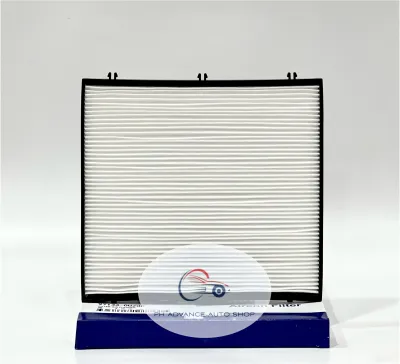
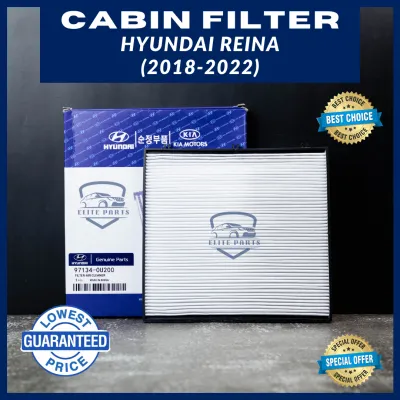
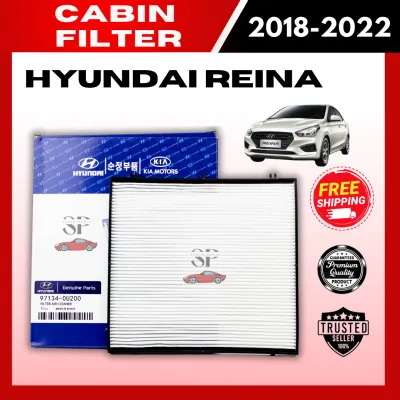
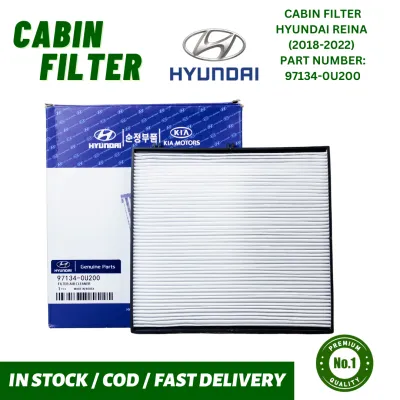
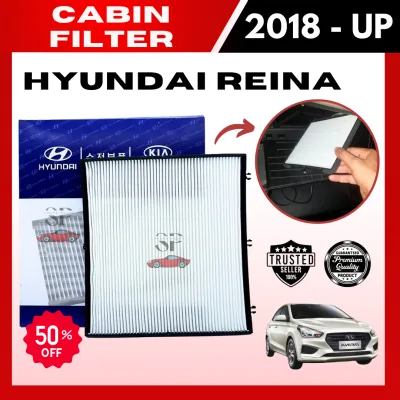
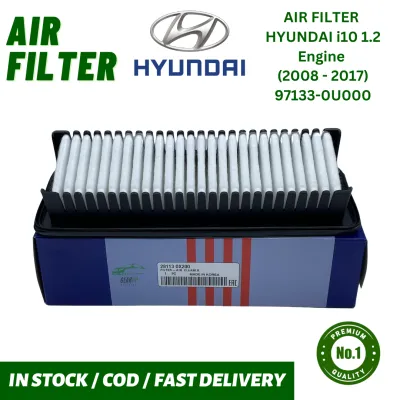
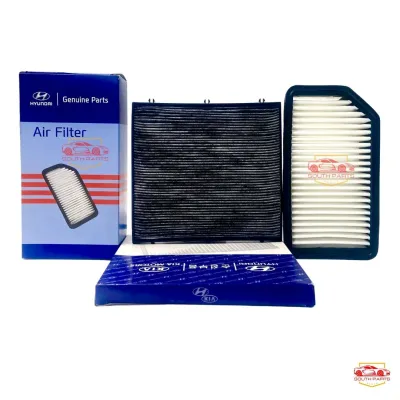
Prices are valid at publication and may change. Please refer to the product page for the latest price.
Understanding Hyundai Reina Cabin Filter Specifications
The cabin filter in the Hyundai Reina is located directly behind the glove compartment, positioned in a dedicated slot within the HVAC housing. This strategic location allows the filter to clean the air drawn from outside before it passes through the air conditioning evaporator core and out of the dashboard vents. By capturing airborne contaminants, the filter prevents dirt and organic debris from accumulating on the wet surfaces of the evaporator, which is highly prone to mold growth in the humid Philippine climate.
While the Hyundai Reina shares its underpinnings and platform with certain sister models like the Kia Soluto, you should never assume that all parts are universally interchangeable without verifying the exact dimensions. The cabin filter compartment requires a specific rectangular filter shape with precise length, width, and thickness measurements. Even a millimeter of variation can prevent the filter cover from latching securely or cause the filter media to buckle inside the housing.
Forcing an ill-fitting or generic filter into the slot can lead to several complications. It can bend the filter frame, break the delicate plastic retaining clips on the filter cover, or leave gaps along the edges. When gaps are present, dirty air bypasses the filter entirely, allowing leaves, insects, and road grime to clog the evaporator core. Over time, this bypass reduces cooling efficiency, causes unpleasant odors, and can lead to expensive HVAC repairs.
Types of Cabin Filters Compatible with the Hyundai Reina
When shopping for a Hyundai Reina cabin filter, you will encounter different types of filtration media. Selecting the right type depends on your daily driving routes, your budget, and whether any passengers suffer from respiratory sensitivities.

Standard Particulate Filters
Standard particulate filters are the most common and budget-friendly options available. Usually constructed from high-quality paper or non-woven synthetic fibers, these filters are designed to capture larger physical particles such as road dust, pollen, wild seeds, and loose debris. They provide the baseline protection required to keep your HVAC system clean and functioning smoothly.
These filters are highly suitable for drivers who primarily travel through rural areas, provincial highways, or less congested regions where exhaust emissions are relatively low. While they are highly effective at stopping solid contaminants, standard particulate filters do not possess the chemical properties required to neutralize odors, toxic gases, or fine combustion soot from surrounding vehicle exhausts.
Activated Carbon (Charcoal) Filters
Activated carbon filters feature an integrated layer of treated charcoal embedded within the synthetic fiber pleats. This carbon layer works through a process called adsorption, where gas molecules, odors, and chemical vapors physically bond to the highly porous surface of the carbon. This allows the filter to neutralize unpleasant smells, sulfur dioxide, nitrogen oxides, and volatile organic compounds (VOCs).
For daily commuters navigating the heavy, stop-and-go traffic of major Philippine cities like Metro Manila, Cebu, or Davao, an activated carbon filter is highly recommended. It significantly reduces the amount of diesel soot and jeepney exhaust fumes entering the cabin, resulting in a much fresher and healthier breathing environment. While they carry a slight price premium over standard filters, the improvement in air quality is immediately noticeable.
High-Efficiency / Anti-Allergen Filters
High-Efficiency particulate air filters and anti-allergen filters represent the premium tier of cabin filtration. These filters utilize densely packed synthetic fibers, often enhanced with electrostatic charges or specialized anti-microbial and polyphenol coatings. They are engineered to trap microscopic particles, including PM2.5 (fine particulate matter), mold spores, bacteria, and common allergens.
If you or your frequent passengers suffer from asthma, severe allergies, or other respiratory vulnerabilities, investing in a high-efficiency filter is an excellent choice. However, before installing a very dense premium filter, you must verify that your vehicle’s HVAC blower motor can handle the increased resistance. Denser filter media can restrict airflow if the system is not designed for high static pressure, which may slightly reduce the maximum air volume coming out of your vents during hot afternoons.
OEM vs. Aftermarket: Which Should You Choose?
Deciding between an Original Equipment Manufacturer (OEM) filter and a reputable aftermarket brand involves balancing cost, convenience, and performance goals.
OEM filters, branded as Hyundai Genuine Parts, are designed to meet the precise engineering standards of your vehicle. They guarantee an exact fit, optimal airflow resistance, and compliance with the manufacturer’s warranty guidelines. You can purchase these filters directly from authorized Hyundai dealerships and certified service centers. While they offer complete peace of mind, they are typically more expensive and are usually only available in standard particulate or basic carbon configurations.
Reputable aftermarket brands offer a wider variety of options, allowing you to choose specialized media such as heavy-duty activated carbon or advanced anti-allergen coatings. Established automotive aftermarket manufacturers produce high-quality filters that match or exceed OEM specifications at a more competitive price point. These filters are widely available at local auto supply shops and trusted online marketplaces.
However, the aftermarket segment also carries the risk of counterfeit or low-quality products. Extremely cheap, unbranded filters often use thin, single-layer paper that tears easily, lacks structural support, or uses fake grey dye to mimic activated carbon. These substandard filters can collapse under the suction of the blower motor, potentially getting sucked into the fan blades and causing mechanical damage. To avoid this, always purchase aftermarket parts from authorized physical retailers or official brand stores.
How to Verify Compatibility Before Buying
To ensure you purchase a cabin filter that fits your Hyundai Reina perfectly, follow these practical verification steps before completing your purchase.
First, check your vehicle owner’s manual to find the recommended maintenance intervals and any specific part numbers or dimensions listed by the manufacturer. Keep in mind that different model years of the Hyundai Reina (from its launch to the present) generally share the same cabin filter slot, but verifying your specific model year and trim level with the seller is always a safe practice.
Second, perform a physical inspection of your current filter. To do this safely:
- Ensure the vehicle's engine is turned off, the ignition key is removed, and the AC blower fan is completely switched off.
- Open the glove compartment fully.
- Locate the plastic stoppers on the inside left and right walls of the glovebox. Twist these stoppers counterclockwise to release them, allowing the glovebox door to drop down and expose the HVAC housing behind it.
- Locate the rectangular cabin filter cover. Pinch the locking tabs on the side of the cover and pull it straight off.
- Slide the old cabin filter out of its slot.
Once the filter is removed, look for any part numbers, brand markings, or dimensions printed along the plastic or cardboard frame. Take a photo of these markings for easy reference when shopping. Additionally, note the physical orientation of the filter, paying close attention to the “Air Flow” arrow printed on the side. On the Hyundai Reina, the airflow direction is downward, meaning the arrow on your new filter must point toward the floor when installed.
Finally, cross-reference your findings with reputable auto parts catalogs. If you are purchasing from a local auto supply shop, ask the sales representative to verify the filter’s compatibility with the Hyundai Reina 1.4L engine variant. If you notice any discrepancy between the new filter and your old one during a physical comparison, do not attempt to force it into the slot; instead, return it for the correct size.
Signs It Is Time to Replace Your Cabin Filter
Because the cabin filter acts as the primary shield for your vehicle’s interior air, it will eventually become clogged with captured debris. Recognizing the warning signs of a saturated filter will help you maintain a comfortable cabin and protect your HVAC system from unnecessary strain.
- Weak Airflow from Vents: If you notice that you have to turn your AC fan speed to a higher setting than usual to get the same amount of cooling, a clogged filter is the most likely culprit. Accumulated dust blocks the passage of air, forcing the blower motor to work harder.
- Musty or Sour Odors: A dirty filter, especially in high-humidity conditions, can trap moisture along with organic dust. This creates a breeding ground for mold and bacteria, resulting in a damp, sour smell whenever you first turn on the air conditioning.
- Slow Defogging: When the cabin filter is severely restricted, the HVAC system cannot dehumidify the air inside the vehicle efficiently. This causes your windshield and side windows to fog up quickly during heavy rainstorms and clear up much slower than usual.
- Visible Dirt and Debris: A quick visual inspection of the filter media is the most reliable diagnostic method. If the pleats are dark grey, filled with thick dust, or clogged with leaves and insects, the filter has reached the end of its service life and must be replaced immediately.
Frequently Asked Questions (FAQ)
Can I wash and reuse the Hyundai Reina cabin filter?
No, you should not wash and reuse standard paper or activated carbon cabin filters. These filters are constructed from specialized paper pulp or delicate synthetic fibers that rely on static electricity to trap fine particles. Exposing the filter to water or cleaning detergents destroys this electrostatic charge, degrades the physical fibers, and causes the paper media to warp or tear once dry.
Furthermore, washing an activated carbon filter will completely ruin the carbon layer, washing away its odor-absorbing properties. While you can gently tap a dusty filter against a hard surface to remove loose leaves or large dirt particles as a temporary emergency measure, a dirty or clogged filter must always be replaced with a brand-new unit to ensure proper filtration and airflow.
How often should I replace the cabin filter in the Philippines?
Under normal driving conditions, automotive manufacturers generally recommend replacing the cabin air filter every 15,000 to 20,000 kilometers, or at least once a year. However, the unique environmental factors in the Philippines often require a more frequent replacement schedule.
If you frequently drive through heavily congested urban areas with high levels of exhaust emissions, or if you regularly travel on dusty, unpaved provincial roads, your cabin filter will clog much faster. In these demanding environments, it is highly recommended to inspect your cabin filter every 10,000 kilometers and replace it sooner if it shows signs of heavy dirt accumulation. Regular replacement ensures your air conditioning system cools efficiently and keeps the interior air clean and healthy.
Community discussion
Share your experience or ask a question. Comments are reviewed before publication.