
Choosing the right engine oil for your vehicle involves looking past the marketing labels on the front of the bottle. When comparing Hyundai XTeer 5W-30 to equivalent offerings from Shell, Castrol, and Motul, the optimal choice depends on matching your vehicle’s required API/ILSAC certifications, OEM approvals, and base oil type, rather than relying on brand reputation alone. Each of these brands manufactures formulations designed to meet specific engine demands, and selecting the correct one requires a systematic comparison of technical specifications.
The “5W-30” designation represents the oil’s viscosity grade, which is a measure of its resistance to flow. The “5W” portion indicates the oil’s low-temperature flow characteristics, with the “W” standing for winter. A lower number before the W means the oil remains more fluid at cold start-up, allowing it to circulate quickly and protect critical engine components during those initial seconds of operation.
The “30” portion represents the oil’s kinematic viscosity at operating temperature, specifically measured at 100 degrees Celsius. This number indicates how well the oil maintains its protective film under normal and high-temperature operating conditions. In tropical climates like the Philippines, where vehicles frequently endure high ambient temperatures, intense humidity, and prolonged idling in heavy traffic, maintaining this high-temperature viscosity is essential to prevent metal-on-metal contact and premature engine wear.
Products mentioned in this guide
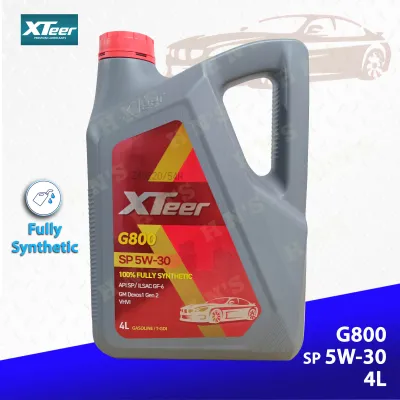
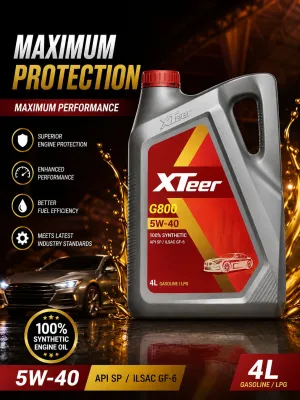
![Hyundai XTeer Gasoline Ultra Protection 5W-30 Fully Synthetic Oil Change Bundle for Hyundai Tucson / Elantra / Kona / Stargazer / Creta / i20 / i30 / Sonata / Kia Seltos / Kia Sportage / Forte [ 4 liters + Filter ]](https://img.lazcdn.com/g/p/6af0c5aa065a5da5eebe4ab38e070e8f.jpg_400x400q80.jpg_.webp)
![Hyundai XTeer Gasoline Ultra Protection 5W-30 Fully Synthetic Oil Change Bundle for Hyundai Accent / Kia Rio / i10 / Eon / Reina / Soul / Soluto / Picanto [ 4 liters + Filter ]](https://img.lazcdn.com/g/p/f1ce3089673227c7de92e89580527eb2.jpg_400x400q80.jpg_.webp)
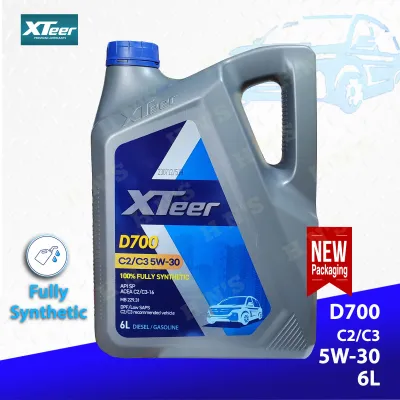
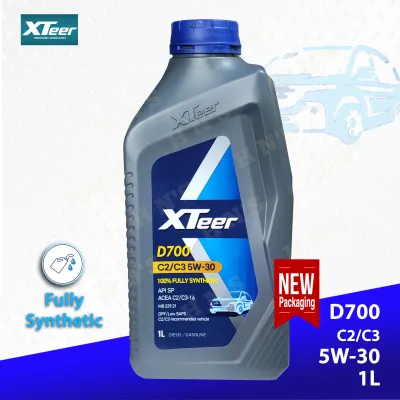
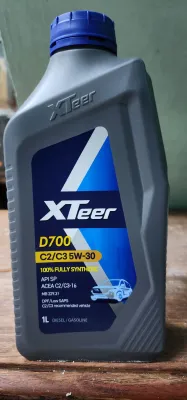
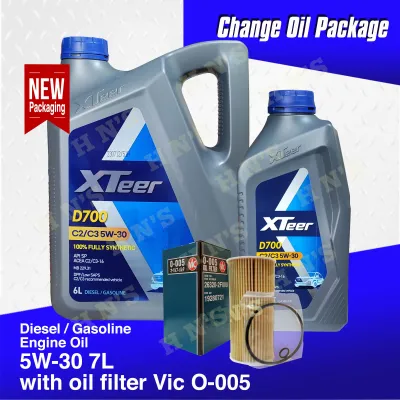
Prices are valid at publication and may change. Please refer to the product page for the latest price.
Before evaluating any specific brand or product line, you must consult your vehicle’s owner’s manual. The manual outlines the exact viscosity grade recommended for your engine under various operating temperatures. More importantly, it specifies the precise performance standards and manufacturer approvals required to maintain engine health and preserve your vehicle’s warranty.
Comparing Core Specifications and Certifications
To make an informed comparison between Hyundai XTeer, Shell, Castrol, and Motul, you must look at the industry-standard certifications printed on the back label of each bottle. These standards are established by international organizations to guarantee that the oil meets minimum performance thresholds for wear protection, deposit control, and fuel economy.
The American Petroleum Institute (API) rating is one of the most common standards you will encounter. Modern gasoline engines typically require API SP or API SN ratings. The API SP standard, introduced to address the specific needs of modern turbocharged direct-injection engines, provides enhanced protection against low-speed pre-ignition (LSPI) and timing chain wear. When comparing 5W-30 oils, verify that the specific product carries the API rating mandated by your vehicle manufacturer.
Alongside the API rating, you will often see the International Lubricant Standardization and Approval Committee (ILSAC) rating, such as GF-6A or GF-5. The ILSAC GF-6A standard aligns closely with API SP but places additional emphasis on fuel economy and emission system protection. If your vehicle manual specifies an ILSAC rating, ensure the oil bottle displays the corresponding certification mark on the front label.
For vehicles originating from European manufacturers, the Association des Constructeurs Européens d’Automobiles (ACEA) standards are highly relevant. ACEA ratings, such as A3/B4 or C3, dictate specific performance characteristics for European gasoline and diesel engines, often requiring higher shear stability and different sulfated ash, phosphorus, and sulfur (SAPS) limits. A 5W-30 oil designed for Japanese or American vehicles may not meet the stringent ACEA requirements of a European vehicle, making it critical to verify these codes.
Finally, many manufacturers require specific Original Equipment Manufacturer (OEM) approvals. For example, Hyundai and Kia vehicles may require oils that meet specific internal standards, while European brands like BMW, Volkswagen, or Mercedes-Benz have their own proprietary approval lists. Always check the technical data sheet of the specific Hyundai XTeer, Shell, Castrol, or Motul product to confirm it officially carries the exact OEM approval code listed in your manual.
Evaluating Base Oil Types and Formulation Claims
Beyond certifications, the performance of a 5W-30 engine oil is heavily influenced by its base oil type and the specific additive package blended into it. Understanding how to read these formulations allows you to look past front-label marketing terms like “advanced synthetic” or “synthetic technology.”

Engine oils are generally classified into three main categories: fully synthetic, semi-synthetic (or synthetic blend), and conventional mineral oil. Fully synthetic oils utilize highly refined base stocks that offer superior thermal stability, better resistance to oxidation, and more consistent viscosity under extreme temperatures. Semi-synthetic oils blend synthetic and mineral base oils to offer a balance of improved performance and lower cost, while conventional oils provide basic protection suitable for older, less demanding engines.
To truly understand the quality of a synthetic oil, you must look for the base oil group classifications defined by the API. Group III base oils are highly hydroisomerized mineral oils, which are legally marketed as synthetic in many regions. Group IV base oils consist of polyalphaolefins (PAOs), which are true synthetic chemical compounds offering exceptional low-temperature flow and high-temperature stability. Group V includes all other base oils, such as esters, which are often used in high-performance or racing formulations. You can find these details by researching the product’s official Technical Data Sheet (TDS) or Material Safety Data Sheet (MSDS).
The additive package mixed into the base oil is equally critical. Additives include detergents to keep engine components clean, dispersants to prevent sludge buildup, anti-wear agents to protect metal surfaces, and viscosity index improvers to maintain stability across temperature ranges. While brands like Shell, Castrol, Motul, and Hyundai XTeer all claim proprietary additive technologies, you should verify these claims by checking for specific performance certifications on the label rather than relying on marketing slogans.
Assessing Price, Availability, and Overall Value in the Philippines
When purchasing engine oil in the Philippines, calculating the true cost of ownership requires looking at local pricing, product availability, and the risk of counterfeit goods. A lower initial purchase price does not always translate to the best long-term value.
To assess pricing, compare the price per liter of the specific 5W-30 variant across authorized local distributors, official online brand stores, and reputable physical auto supply shops. Avoid purchasing from unverified third-party sellers on online marketplaces, as the automotive market occasionally faces issues with counterfeit lubricants. Counterfeit oils often use low-grade mineral base oils that fail to protect modern engines, leading to severe internal damage.
When verifying product authenticity, inspect the packaging closely. Reputable brands utilize specific security features, such as holographic seals, unique QR codes that link to verification portals, tamper-evident caps, and high-quality label printing. If the price of a premium brand seems unusually low compared to authorized dealer pricing, treat it as a warning sign and verify the source before pouring the fluid into your engine.
To determine the overall value, factor in your vehicle’s recommended oil change interval and the cost of a high-quality oil filter. If a premium fully synthetic oil allows you to safely run the maximum interval recommended by your vehicle manufacturer, it may prove more cost-effective over a year than a cheaper semi-synthetic oil that requires more frequent changes. Always calculate the total cost of the oil, the filter, and the labor required for the service to find the true economic choice.
Decision Framework: Which 5W-30 Engine Oil Should You Choose?
Selecting the right 5W-30 oil requires a structured decision framework based on your vehicle’s current status, driving conditions, and manufacturer requirements.
Consider choosing Hyundai XTeer 5W-30 if your vehicle is a Hyundai or Kia, especially if it is still under an active dealership warranty. Using an oil formulated by the manufacturer’s affiliate brand ensures strict compliance with the specific OEM standards required by the dealership, minimizing the risk of warranty disputes. It is also an excellent, cost-effective choice for out-of-warranty Korean vehicles that require standard API and ILSAC specifications.
Consider choosing specific 5W-30 variants from Shell, Castrol, or Motul if your vehicle is out of warranty, or if you require specialized formulations that meet European OEM approvals. Shell and Castrol offer widely available formulations with robust cleaning and wear-protection claims, making them highly accessible at almost any local auto shop or service center in the Philippines. Motul is often favored by enthusiasts or owners of high-performance vehicles who seek specialized synthetic formulations, though it may carry a higher price point.
Before making your final selection, evaluate your vehicle’s specific operating conditions. If your car has high mileage, modified engine components, or is consistently driven under severe conditions—such as daily commuting in heavy Manila traffic, carrying heavy loads, or driving in dusty environments—you may need to look for specialized high-mileage or heavy-duty formulations within these brands’ product lines. Always prioritize the specific certifications required by your engine over general brand preferences.
Frequently Asked Questions (FAQ)
Can I mix Hyundai XTeer 5W-30 with Shell, Castrol, or Motul?
Mixing different brands of engine oil, even if they share the same 5W-30 viscosity grade, is generally discouraged by manufacturers. Each brand utilizes a unique chemical recipe for its additive package, and mixing them can lead to chemical incompatibilities that reduce the oil’s overall effectiveness, potentially compromising wear protection or leading to additive precipitation.
In an emergency situation where your oil level is dangerously low, topping up with any clean 5W-30 oil that meets your vehicle’s minimum specifications is preferable to running the engine dry. However, this should only be treated as a temporary measure. You should schedule a complete oil and filter change at the earliest opportunity to restore the proper chemical balance and ensure optimal engine protection.
Will switching from a dealership oil to an aftermarket brand void my warranty?
Switching from a dealership-branded oil to an aftermarket brand like Hyundai XTeer, Shell, Castrol, or Motul will not automatically void your vehicle’s warranty, provided the aftermarket oil meets or exceeds the exact technical specifications mandated by the manufacturer. Under consumer protection guidelines, manufacturers cannot force you to use their branded parts or fluids as long as the aftermarket alternatives are technically equivalent.
To protect your warranty, you must ensure that the specific oil you choose officially lists the required API, ILSAC, or OEM approval codes on its label or technical data sheet. Additionally, you must keep meticulous records of your purchases, including detailed receipts showing the specific oil brand and grade, along with service invoices from qualified automotive professionals proving that the oil changes were performed at the recommended intervals.
Community discussion
Share your experience or ask a question. Comments are reviewed before publication.