
An ignition coil is a vital component of your vehicle’s ignition system, acting as a compact transformer that converts the low voltage from your battery into the tens of thousands of volts required to create an electrical spark at the spark plugs. When an ignition coil begins to fail, it can lead to engine misfires, poor fuel efficiency, rough idling, and even complete engine failure. Unlike routine maintenance items like engine oil or filters, ignition coils do not have a set, scheduled replacement interval and are generally engineered to last a very long time, though real-world driving conditions often cut their lifespan short.
To keep your vehicle running smoothly and avoid unexpected breakdowns on the road, it is essential to understand how long these components typically last, what causes them to fail prematurely, and how to recognize the warning signs of a failing coil.
Expected Lifespan of an Ignition Coil
Ignition coils are solid-state electrical components designed to endure the harsh environment of the engine bay for a substantial period. Under ideal operating conditions, a high-quality ignition coil can last up to 100,000 to 150,000 kilometers, and in some cases, they may even last the entire lifetime of the vehicle. However, because they are constantly subjected to extreme thermal cycles, electrical stress, and physical vibrations, premature failure is relatively common. To determine if your vehicle has any specific inspection intervals or recommended replacement schedules for its ignition components, always consult your vehicle’s official owner’s manual or manufacturer maintenance guide.
Products mentioned in this guide
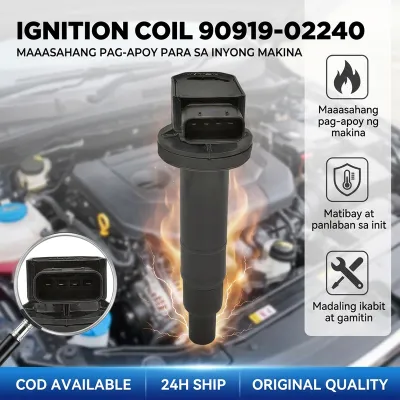
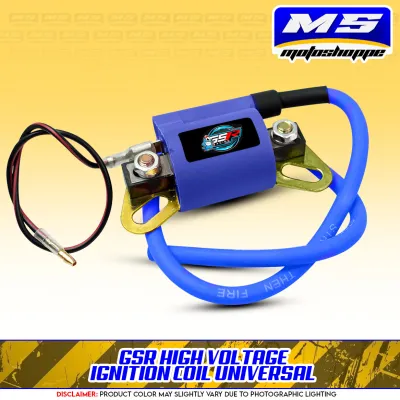
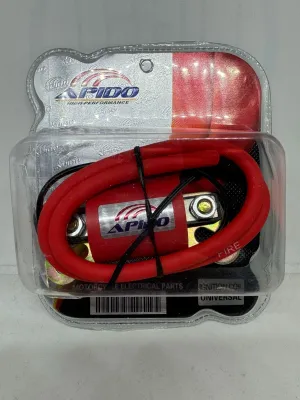
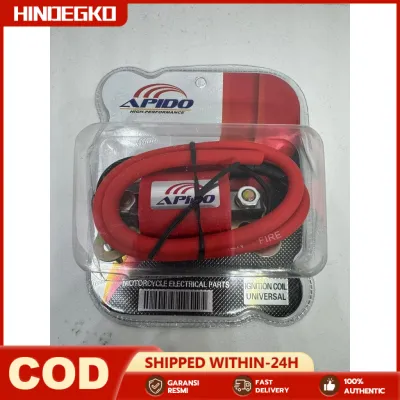
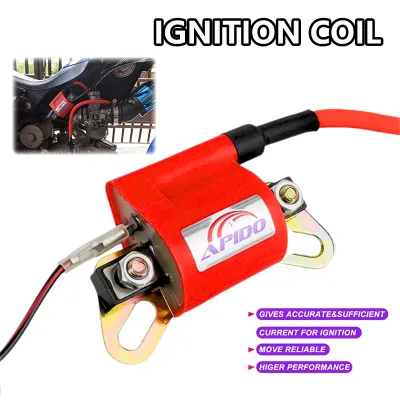
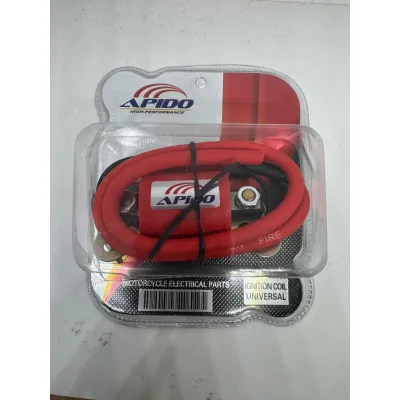
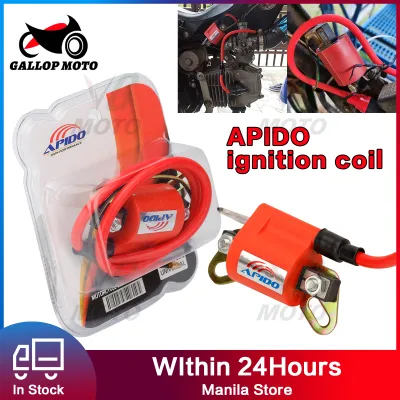
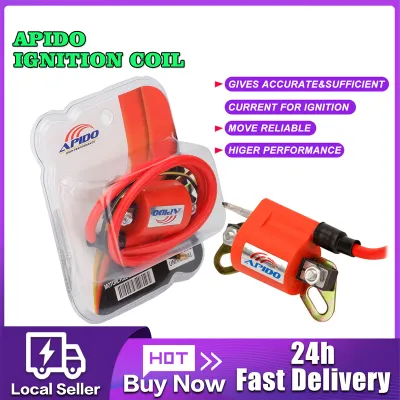
Prices are valid at publication and may change. Please refer to the product page for the latest price.
The overall design of your vehicle’s ignition system also plays a significant role in how ignition coils wear over time and how they must be replaced. Older vehicles typically rely on a distributor-style ignition system, which uses a single ignition coil to generate high voltage that is then mechanically distributed to each spark plug via a rotor and spark plug wires. In this setup, the single coil is under constant, high-frequency stress because it must fire for every single cylinder during every engine cycle. If this single distributor coil fails, the entire engine will immediately stall and refuse to start.
In contrast, modern vehicles utilize a Coil-on-Plug (COP) or individual coil pack system, where each cylinder has its own dedicated ignition coil mounted directly on top of the spark plug. This design eliminates the need for spark plug wires and distributors, reducing voltage loss and improving combustion efficiency. Because each coil in a COP system only fires for its designated cylinder, the individual workload and thermal stress on each coil are significantly reduced. If a single coil fails in a COP system, only that specific cylinder will misfire, allowing the engine to continue running on the remaining cylinders, albeit with a noticeable loss of power and rough operation.
Key Factors That Affect Ignition Coil Longevity
While ignition coils are built to be robust, several mechanical, environmental, and regional factors can accelerate their degradation and lead to early failure. Understanding these variables can help you take proactive measures to protect your ignition system.

Spark Plug Condition and Electrode Gap
There is a direct, highly dependent relationship between the condition of your spark plugs and the lifespan of your ignition coils. As spark plugs age and experience normal wear, the gap between their electrodes gradually widens due to the spark eroding the metal. A wider electrode gap requires a significantly higher voltage to bridge the physical space and ignite the air-fuel mixture.
When forced to consistently output this elevated voltage, the ignition coil must work much harder than originally intended. This constant over-exertion generates excessive internal heat within the coil’s copper windings. Over time, this extreme thermal stress degrades the delicate internal insulation of the coil, leading to internal short circuits and eventual complete electrical failure.
Heat, Vibration, and Engine Bay Contaminants
The engine bay of any vehicle is an incredibly hostile environment characterized by extreme heat and constant physical movement. During operation, the ignition coils are subjected to intense thermal cycling—heating up to extreme temperatures while the engine runs and then cooling down to ambient temperatures when the vehicle is parked. This continuous expansion and contraction can cause the plastic outer housing and internal epoxy insulation of the coil to develop micro-cracks over time.
Once these micro-cracks form, the coil becomes highly vulnerable to physical vibrations from normal engine operation, which can break the delicate internal electrical connections. Furthermore, engine bay contaminants such as engine oil, coolant, or road grime can seep into these cracks. If you have a leaking valve cover gasket, engine oil can pool inside the spark plug wells, completely submerging the lower portion of the ignition coil boot. This oil exposure rapidly degrades the rubber boot, destroying its insulating properties and causing the high-voltage current to leak out to the engine block instead of reaching the spark plug.
Tropical Climate and Driving Conditions
Drivers operating vehicles in tropical regions face unique environmental challenges that can significantly shorten the life of ignition coils. High ambient temperatures combined with intense relative humidity accelerate the heat soak effect within the engine bay, especially during prolonged idling in heavy stop-and-go traffic. Because the air passing through the radiator is already warm, the engine bay struggles to dissipate heat efficiently, keeping the ignition coils at elevated operating temperatures for extended periods.
Additionally, high humidity and exposure to heavy rainfall or flooded roads can introduce moisture into the engine compartment. If moisture penetrates the connection points between the ignition coil boot and the spark plug, it can cause electrical arcing, where the electrical current bypasses the spark plug entirely and grounds itself on the cylinder head. This not only causes immediate engine misfires but also places immense electrical strain on the coil, leading to rapid internal degradation.
Warning Signs of a Failing Ignition Coil
Because ignition coils rarely fail completely without warning, paying close attention to how your vehicle behaves can help you identify a failing coil before it leaves you stranded or causes expensive secondary damage to other engine components.
Check Engine Light (CEL) and Misfire Codes
The most immediate and reliable electronic indicator of an ignition coil issue is the illumination of the Check Engine Light on your dashboard. Modern vehicle engine control units (ECUs) continuously monitor the performance of each cylinder. If the ECU detects that a cylinder is failing to fire correctly due to a weak or missing spark, it will trigger the warning light.
If you connect an OBD2 diagnostic scanner to your vehicle’s port, you will typically find specific diagnostic trouble codes (DTCs) related to misfires. A code of P0300 indicates a random or multiple cylinder misfire, while codes ranging from P0301 to P0308 point directly to a misfire in a specific cylinder (for example, P0302 indicates a misfire in cylinder number two). If the Check Engine Light is flashing, this indicates a severe misfire that can cause immediate damage to your catalytic converter, requiring you to pull over safely and turn off the engine.
Engine Misfires and Rough Idling
A failing ignition coil will cause noticeable physical symptoms during daily driving, most notably engine misfires. When a coil fails to deliver a sufficiently strong spark, the air-fuel mixture inside that specific cylinder will fail to ignite properly. This results in a sudden hesitation, jerking, or stumbling sensation when you attempt to accelerate, especially under heavy engine load or when climbing steep inclines.
When the vehicle is stationary and idling, a failing coil will manifest as a rough, unstable idle. You may feel the vehicle shake or vibrate excessively through the steering wheel and seats, and the engine’s RPM gauge may fluctuate erratically. The engine note will also sound uneven and labored compared to its normal, smooth hum.
Poor Fuel Economy and Sluggish Acceleration
When an ignition coil is weak and producing an inconsistent spark, the combustion process within the affected cylinder becomes highly inefficient. Because the fuel is not being burned completely or at the correct moment, your engine’s overall power output drops significantly. To compensate for this loss of power and maintain your desired speed, you will find yourself pressing the accelerator pedal much harder.
This inefficient combustion and increased throttle input lead to a noticeable drop in fuel economy. You will find yourself visiting the fuel station more frequently, and the unburnt fuel from the misfiring cylinder will simply be pushed out into the exhaust system, wasting expensive fuel and increasing tailpipe emissions.
Hard Starting or No-Start Conditions
If your vehicle uses a single distributor-style ignition coil and that coil fails completely, the engine will crank but will be entirely unable to start because there is no spark source to ignite the fuel. In modern vehicles with Coil-on-Plug systems, a single dead coil will usually not prevent the engine from starting, though it will start with a very rough, loud idle.
However, if multiple ignition coils have failed or are severely degraded, or if the vehicle’s electrical system has experienced a surge that damaged the ignition control circuit, you may experience a hard starting condition where the engine must crank for an extended period before finally catching. In extreme cases, the engine may refuse to start altogether to protect itself from severe damage.
Should You Replace One Ignition Coil or All of Them?
When faced with a failed ignition coil, car owners often wonder whether they should replace only the single damaged unit or invest in a complete set of new coils. The correct choice depends on your vehicle’s mileage, the accessibility of the coils, and long-term cost considerations.
When to Replace Just One
Replacing a single ignition coil is generally the most practical and cost-effective approach if your vehicle has relatively low mileage (for example, under 60,000 kilometers) and the failure is determined to be an isolated manufacturing defect rather than wear-and-tear. In this scenario, the remaining coils are still well within their operational lifespan and are highly likely to continue functioning reliably for years to come.
When to Replace the Full Set
If your vehicle has high mileage (over 100,000 kilometers) and one ignition coil fails due to age and normal wear, it is highly recommended to replace the entire set. Because all the coils have experienced the exact same number of engine cycles, thermal variations, and environmental stress, the failure of one coil is a strong indicator that the remaining coils are nearing the end of their operational life. Replacing only one will often result in a “domino effect,” where the other older coils begin to fail one by one over the following weeks or months, leading to repeated trips to the repair shop.
Furthermore, you must consider the labor costs involved in accessing the ignition coils. On many modern engines, particularly V6 or V8 configurations, accessing the rear cylinder bank requires the removal of the intake manifold, throttle body, and various vacuum lines. Because this disassembly process is labor-intensive, it is far more economical to replace all the coils and spark plugs at the same time while the engine is already disassembled, rather than paying for the same expensive labor repeatedly.
Matching Coil Quality
If you decide to replace your ignition coils, it is vital to select high-quality replacement parts that match the specifications of your vehicle. Avoid the temptation to mix cheap, unbranded ignition coils with premium original equipment manufacturer (OEM) or reputable aftermarket units.
Your vehicle’s ECU expects a uniform level of electrical resistance and performance across all cylinders. Mixing coils of varying quality and electrical output can lead to subtle imbalances in spark delivery, resulting in minor engine roughness, reduced fuel efficiency, or false misfire codes. Always verify the vehicle model, year, engine size, and mounting interface from the product documentation before purchasing to ensure perfect compatibility.
Maintenance Tips to Extend Ignition Coil Life
While ignition coils are not serviceable items that can be repaired, practicing proper preventative vehicle maintenance can significantly extend their operational lifespan and protect them from premature failure.
To maximize the life of your ignition coils, consider the following maintenance practices:
- Replace Spark Plugs on Schedule: Adhere strictly to your vehicle manufacturer's recommended spark plug replacement intervals. Installing fresh spark plugs ensures that the electrode gap remains within the correct specification, preventing the ignition coils from having to generate excessive voltage and run hot.
- Inspect and Replace Coil Boots: The rubber boot at the bottom of the ignition coil is responsible for insulating the high-voltage current. During every spark plug change, carefully inspect these boots for signs of cracking, dry rot, or hardening. Replacing a damaged boot is very inexpensive and prevents voltage leaks and arcing.
- Address Valve Cover Gasket Leaks Immediately: Regularly inspect your engine bay for signs of oil leaks, particularly around the valve cover. If you notice oil seeping into the spark plug wells, have the valve cover gasket and spark plug tube seals replaced immediately. Clean any pooled oil out of the wells thoroughly before reinstalling the ignition coils.
- Use Dielectric Grease Correctly: When installing new ignition coils or spark plugs, apply a very thin layer of high-quality dielectric grease inside the tip of the rubber coil boot. This grease acts as a moisture barrier, preventing water ingress and electrical arcing, while also ensuring the rubber boot does not fuse to the ceramic portion of the spark plug over time. Always read the grease manufacturer's instructions to ensure you do not apply it to the actual metal electrical connectors, which can disrupt the circuit.
- Keep the Engine Bay Clean and Dry: Avoid spraying high-pressure water directly onto the ignition coils or electrical connectors when cleaning your engine bay. If you must clean the area, use authorized automotive degreasers according to their labels, wipe down components by hand, and ensure all electrical connections are completely dry before starting the engine.
Frequently Asked Questions (FAQ)
Can I drive with a bad ignition coil?
No, you should not drive your vehicle if you suspect or know you have a bad ignition coil. Driving with a misfire allows unburnt fuel to pass directly out of the misfiring cylinder and into the extremely hot exhaust system. This raw fuel will ignite inside your catalytic converter, rapidly raising its temperature to destructive levels. This thermal overload can melt the internal ceramic honeycomb structure of the converter, completely destroying it. Replacing a ruined catalytic converter is an exceptionally expensive repair, often costing upwards of ₱30,000 to ₱80,000 depending on your vehicle make and model, turning a simple coil replacement into a major financial burden.
Do ignition coils need to be replaced every time I change spark plugs?
No, ignition coils do not need to be replaced every time you change your spark plugs. Spark plugs are consumable wear items with a relatively short operational life, whereas ignition coils are durable electrical components designed to last much longer. You should only replace your ignition coils if they show clear physical signs of damage (such as cracks, burn marks, or deteriorated casings), fail a professional diagnostic resistance test, or if you are performing preventative maintenance on a high-mileage vehicle where the labor to access them is exceptionally high. Otherwise, simply replacing your spark plugs on schedule is sufficient to keep your existing coils functioning healthy.
Community discussion
Share your experience or ask a question. Comments are reviewed before publication.