
Quick Answer: Which Car Wash Shampoo Fits Your Needs?
Selecting the right vehicle cleaning method depends entirely on your car’s current condition, your paint’s protective layer, and your maintenance budget. There is no single product that excels in every scenario; instead, the best results come from matching the chemical and application tool to the specific detailing task.
- Choose the IK Multi Pro 2 sprayer setup paired with a professional pre-wash concentrate if your vehicle regularly encounters heavy road grime, mud, or volcanic dust. This pressurized application method allows a highly concentrated pre-wash solution to dwell on the surface, dissolving and lifting abrasive dirt before you ever touch the paint with a wash mitt. This touchless step is the most effective way to prevent swirl marks on delicate clear coats.
- Choose a dedicated wax-infused shampoo if your car is already relatively clean and you are performing a routine weekly maintenance wash. These formulations deposit a micro-thin layer of gloss-enhancing polymers and protective waxes, reinforcing your existing paint protection while adding a noticeable shine in a single step.
- Choose a heavy-duty degreasing shampoo only when you need to strip old wax coatings, remove stubborn grease, or prepare the paint surface for a fresh ceramic coating, sealant, or polish.
Before purchasing any product, always verify its paint safety and recommended dilution instructions directly on the manufacturer’s label to prevent accidental damage to your clear coat.
What to Expect From IK Multi Pro 2
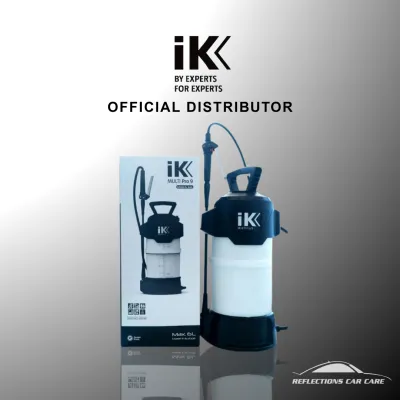
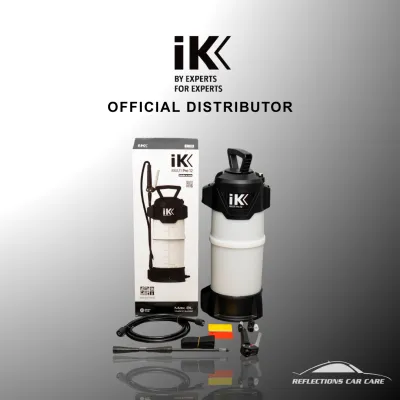
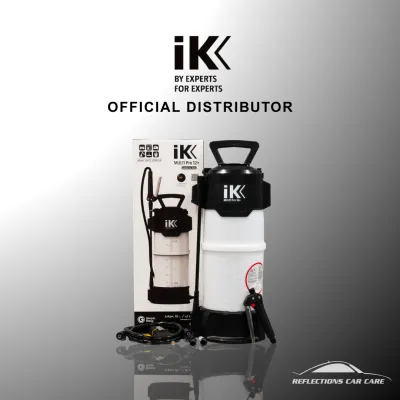
To understand how the IK Multi Pro 2 fits into an automotive cleaning routine, it is important to clarify its role. Unlike traditional liquid soaps, the IK Multi Pro 2 is a professional-grade, heavy-duty compression sprayer. It is engineered specifically to dispense highly concentrated cleaning solutions, pre-wash foaming agents, and multi-purpose cleaners under consistent, manual pressure.
Products mentioned in this guide
Prices are valid at publication and may change. Please refer to the product page for the latest price.

In the detailing community, this sprayer is highly valued for its chemical-resistant Viton seals, robust safety valves, and durable construction. It allows users to mix concentrated chemicals at precise ratios, transforming them into a fine mist or thick foam that clings to the vehicle’s panels. This targeted application is far more efficient than applying chemicals with a standard trigger spray bottle or a traditional wash bucket.
This sprayer features a robust polypropylene tank with a stable base, a safety valve set at 3 bar to prevent over-pressurization, and color-coded indicators to help you identify different chemicals. It also includes three specialized foaming nozzles (orange for wet foam, green for dry foam, and grey for intermediate foam) that allow you to customize how long the cleaning agent dwells on vertical panels. These features make it an exceptionally versatile tool for applying pre-washes, wheel cleaners, and engine degreasers.
When using this setup, you must check the manufacturer’s technical data sheet or the physical product label for chemical compatibility. Different cleaning concentrates require specific dilution ratios depending on whether you are cleaning delicate paintwork, greasy engine bays, or heavily soiled wheels. Always verify that the chemical you plan to spray is safe for your vehicle’s specific surfaces and matches the chemical resistance limits of the sprayer itself.
Core Dimensions for Comparing Car Wash Shampoos
Evaluating car care products requires looking past marketing claims and focusing on measurable performance characteristics. The transition from basic household detergents to specialized automotive chemicals has made it easier to preserve clear coats, but it requires a clear understanding of how different formulations interact with your vehicle’s paintwork, existing protective coatings, and your wallet.
Cleaning Power and Lubricity
The primary job of any car wash shampoo is to lift dirt away from the paint surface safely. Lubricity refers to the “slickness” of the soapy solution, which creates a protective barrier between your wash mitt and the clear coat. High lubricity is crucial because it allows the mitt to glide effortlessly, encapsulating abrasive dirt particles so they do not drag and scratch the paint.
When testing a shampoo, observe the physical slickness of the solution on the paint rather than just the height of the foam. While thick suds look impressive, they do not always guarantee superior lubricity or cleaning power. Furthermore, you must match the cleaning strength to the job: heavy-duty strip washes are designed to break down tough road film but will also remove waxes, whereas mild maintenance shampoos are formulated to clean without stripping existing protection.
Paint Safety and pH Levels
Automotive clear coats and aftermarket protective coatings are sensitive to chemical exposure. Car wash shampoos generally fall into three categories: pH-neutral, alkaline, and acidic. Understanding where a product falls on this scale is vital for preserving your vehicle’s finish.
- pH-Neutral Shampoos: These are the safest option for regular maintenance washes. They clean gently without degrading wax, polymer sealants, or ceramic coatings, making them ideal for weekly upkeep.
- Alkaline Cleaners: Often used in pre-wash concentrates applied via sprayers like the IK Multi Pro 2, alkaline solutions excel at breaking down organic matter such as bug splatter, bird droppings, and greasy road film. However, frequent use of highly alkaline products can degrade traditional waxes and sealants over time.
- Acidic Shampoos: These are specialized products used primarily to dissolve water spots and mineral deposits. They should only be used occasionally and with caution.
Always inspect the product packaging for explicit “pH-neutral” or “clear coat safe” certifications to ensure you do not inadvertently compromise your vehicle’s protective layers.
Dilution Ratios and Cost Per Wash
A common mistake when shopping for car wash products is comparing only the upfront price of the bottle. A cheap, pre-diluted shampoo may seem like a bargain, but if it requires several ounces per wash, you will deplete the bottle quickly. Conversely, highly concentrated professional formulas often present a much better long-term value.
To calculate the true value of any concentrated product, use this simple formula: Cost Per Wash = (Price of Bottle / Total Volume of Bottle) x Volume Required Per Wash
Consider a practical comparison. A standard retail car wash shampoo might cost ₱350 for a 500ml bottle and require 100ml per bucket, yielding only 5 washes at ₱70 per wash. In contrast, a professional-grade concentrate applied through a compression sprayer might cost ₱1,800 for a 1-liter bottle but only require a 1:50 dilution ratio (20ml of concentrate per 1-liter spray mixture). This yields 50 applications, reducing the cost to just ₱36 per wash. By comparing these ratios on the product labels, you can determine which option offers the most economical solution for your washing frequency.
IK Multi Pro 2 vs. Common Alternatives: Feature Matrix
To help you visualize how a professional compression sprayer setup compares to traditional shampoo methods, the table below outlines the key differences across several practical dimensions.
| Feature / Dimension | IK Multi Pro 2 Setup (Concentrate) | Wax-Infused Shampoos (General) | Heavy-Duty Degreasing Shampoos (General) |
|---|---|---|---|
| Primary Use Case | Pre-washing, touchless dirt loosening, and deep cleaning | Maintenance washing and gloss enhancement | Stripping old wax, deep cleaning, and prep work |
| Dilution Ratio (Check Label) | Highly concentrated (typically 1:10 to 1:50 or more) | Moderate concentration (typically 1:100 to 1:200) | Low to moderate concentration (typically 1:50 to 1:128) |
| Foam Lubricity | Moderate (optimized for clinging and lifting dirt) | High (designed for safe contact washing with a mitt) | Moderate (focused on chemical stripping rather than glide) |
| Wax / Sealant Safety | Depends on the chosen chemical; can be customized | Highly safe; preserves and reinforces existing wax | Not safe; designed to strip waxes and sealants |
| Best For | Removing heavy road film and mud without scratching | Quick weekly washes on lightly soiled, protected cars | Preparing paint for polishing, ceramic coating, or waxing |
Disclaimer: Formulations, concentration levels, and product lines change frequently. Always verify the exact specifications, dilution ratios, and surface safety guidelines on the physical product packaging before application.
Evaluating Value and Sourcing in the Philippines
Sourcing genuine car care products in the Philippines requires careful attention. Because high-end detailing tools like the IK Multi Pro 2 and premium concentrates are investment pieces, counterfeit or improperly stored products are a real concern. To ensure you are getting authentic merchandise, always purchase from authorized local distributors, official brand stores, or highly rated automotive specialty shops.
While online marketplaces and ecommerce platforms offer unparalleled convenience and competitive bulk pricing, you must exercise caution. Before adding an item to your cart, inspect the seller’s ratings, read detailed customer feedback, and look for authenticity badges. When your order arrives, check the packaging seals and batch numbers to verify that the product has not been diluted, tampered with, or expired.
The tropical climate of the Philippines presents unique challenges for vehicle maintenance. High humidity, intense UV exposure, frequent monsoon rains, and volcanic dust mean that cars accumulate road grime much faster than in temperate regions. This environmental pressure requires more frequent washes to prevent paint etching and water spotting. Vehicles driven in Metro Manila are exposed to heavy diesel soot and industrial fallout, while those in coastal areas face salt air, which accelerates corrosion if not washed off promptly.
Furthermore, storing detailing chemicals in a hot garage can cause polymer-rich shampoos or waxes to separate or degrade over time. Shaking your products thoroughly before use and storing them in a cool, shaded area away from direct sunlight is highly recommended. Consequently, calculating the cost-per-wash and opting for highly concentrated products that can be bought in bulk becomes a highly practical strategy for local car owners looking to maximize their detailing budget.
Best Practices for a Safe and Effective Car Wash
Regardless of the product or system you choose, executing proper washing techniques is the single most important factor in preventing paint damage. Following a structured, low-risk workflow will keep your vehicle’s clear coat looking pristine and swirl-free.
- Clean Wheels and Tires First: Always wash your wheels, tires, and wheel wells before touching the paintwork. If you clean the paint first, the dirty water, brake dust, and road grime from the wheels will splash back onto your clean panels.
- Work in the Shade: Always wash your vehicle out of direct sunlight and ensure the panels are cool to the touch. In the hot Philippine climate, washing a hot car causes water and soap to dry prematurely, leaving stubborn mineral deposits that can chemically etch into the clear coat, requiring machine polishing to remove.
- Perform a Thorough Pre-Rinse: Before touching the paint with a wash mitt, use a hose or pressure washer to rinse away loose dirt, sand, and debris. Applying a pre-wash foam using a compression sprayer like the IK Multi Pro 2 during this stage helps loosen bonded road grime safely.
- Use the Two-Bucket Method: Dedicate one bucket to your soapy wash solution and a second bucket filled with clean water for rinsing your wash mitt. Ensure both buckets are equipped with grit guards—radial plastic inserts that trap dirt particles at the bottom so they are not picked up by the wash mitt on the next dip.
- Wash From Top to Bottom: Start washing from the roof and work your way down. The lower sections of a vehicle accumulate the heaviest, most abrasive road grime. Washing these areas last prevents you from transferring that heavy dirt to the cleaner upper panels.
- Dry Safely: Never let the vehicle air dry. Use a clean, plush, high-GSM microfiber drying towel to gently absorb water. Avoid dragging the towel with heavy pressure; instead, pat dry or glide it gently across the surface to minimize friction.
Frequently Asked Questions (FAQ)
Can I use IK Multi Pro 2 on matte or wrapped finishes?
Before using any chemical in your IK Multi Pro 2 on matte paint or vinyl wraps, you must strictly check the manufacturer’s label of the cleaning concentrate. Matte finishes and vinyl wraps are highly sensitive to gloss-enhancing agents, harsh acids, or strong alkaline solutions, which can permanently alter the texture or degrade the adhesives. If the chemical packaging does not explicitly state that it is safe for matte or wrapped surfaces, do not use it; instead, opt for a dedicated specialty cleaner designed specifically for non-gloss finishes.
Does a higher foam volume mean better cleaning?
Thick, shaving-cream-like foam looks impressive, but it does not automatically translate to superior cleaning power or paint safety. The chemical surfactants within the solution that actively lift, encapsulate, and suspend dirt are what determine cleaning performance. Lubricity—the slickness of the solution on the paint—is far more critical than foam volume because it prevents the wash mitt from creating micro-scratches. Some highly effective maintenance shampoos produce moderate foam but offer exceptional lubrication.
How often should I wash my car in a tropical climate?
In a tropical environment like the Philippines, washing your vehicle every one to two weeks is highly recommended. The combination of high humidity, intense UV rays, frequent rain, and environmental contaminants like volcanic ash, tree sap, and bird droppings can rapidly etch into your clear coat if left untreated. Regular washing prevents these contaminants from bonding permanently, especially when baked onto the paint by the hot sun. Adjust this frequency if your vehicle is parked outdoors or driven daily through muddy areas.
Community discussion
Share your experience or ask a question. Comments are reviewed before publication.