
Selecting the right injector puller tool requires matching the tool’s physical dimensions, thread pitch, and extraction mechanism directly to your engine’s fuel system specifications. Because fuel injectors are engineered to fit tightly within the cylinder head, using a tool with the wrong jaw width or pull range can permanently damage both the injector and the engine block. To make an accurate choice, you must cross-reference your vehicle’s service manual with the tool’s documented limits before attempting any removal.
Why Engine Configuration Dictates Your Puller Choice
Engine bay layouts vary significantly, directly affecting the physical space available around each fuel injector. In compact passenger cars or tightly packed diesel utility vehicles common in the Philippines, overhead clearance is often extremely limited, making tall extraction tools impractical. Additionally, tropical humidity and intense heat cycles can accelerate carbon buildup around the injector nozzle, effectively cementing the injector into the cylinder head.
Different fuel systems also employ distinct injector body shapes and retention methods. For instance, common rail direct injection (CRDI) systems often feature long, slender injectors secured by hold-down brackets, whereas older indirect injection systems may use threaded injectors. Attempting to use a generic or poorly sized puller on these specialized shapes risks bending the injector body, cracking the plastic electrical connector, or scarring the aluminum cylinder head, leading to expensive repairs.
Products mentioned in this guide
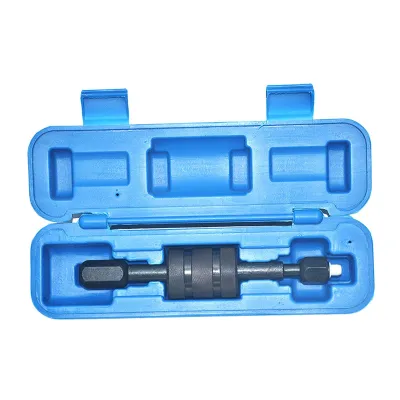
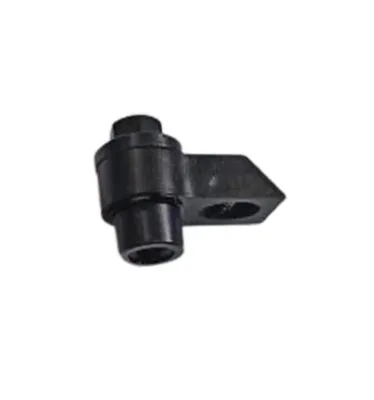
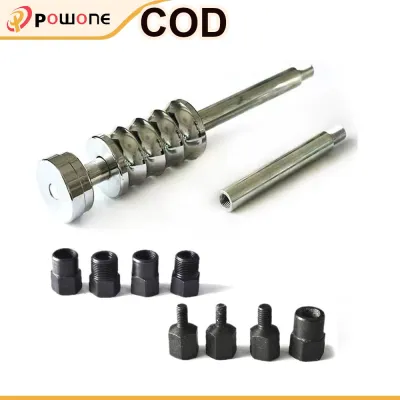
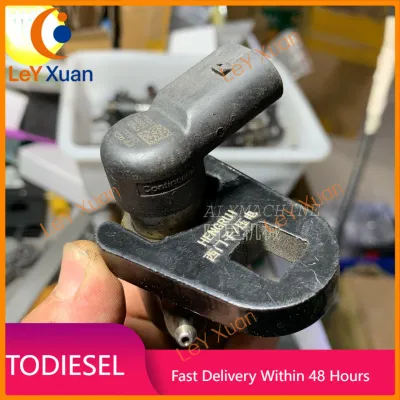
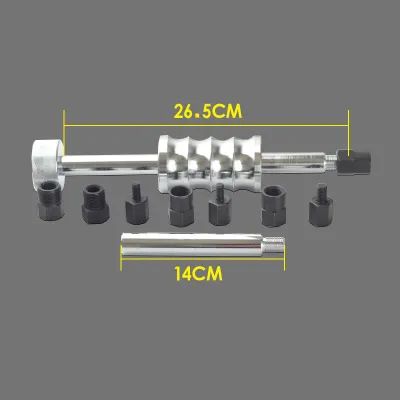
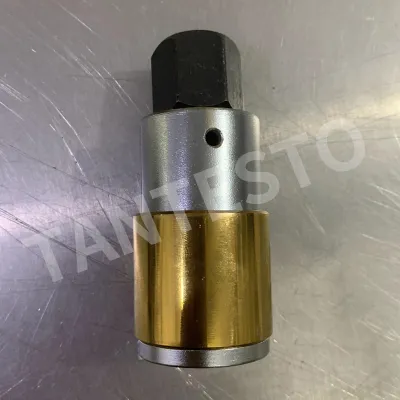
Prices are valid at publication and may change. Please refer to the product page for the latest price.
Safety and Operational Boundaries for Injector Removal
Working on fuel systems carries inherent risks that require strict adherence to safety protocols. Before beginning any work, you must completely relieve the fuel system pressure according to your vehicle manufacturer’s instructions and disconnect the negative battery terminal to prevent accidental fuel ignition. Always wear appropriate eye protection and fuel-resistant gloves, as residual pressurized fuel can cause severe injury.

If the injector does not budge under standard hand force, or if you observe the injector puller tool slipping or flexing, stop the operation immediately. Forcing a seized injector can strip the threads in the cylinder head or snap the injector body in half. When encountering severe carbon buildup or heavily seized components, halt the process and consult a qualified professional mechanic who has specialized heavy-duty extraction equipment.
Decoding Key Injector Puller Tool Specifications
To select a tool that fits your engine safely, you must evaluate three primary mechanical specifications. These dimensions dictate how the tool connects to the injector, how much force it can safely apply, and whether it will physically fit within your engine bay.
Jaw Width and Grip Type
The jaw width of an injector puller tool must match the outer diameter of the injector body or its designated gripping collar. Jaws that are too wide will slip under load, rounding off the injector’s flat surfaces, while jaws that are too narrow will fail to seat properly, applying uneven force.
Review the tool’s packaging or product manual to verify its supported injector profiles, such as specific flange or groove designs. High-quality pullers feature locking collars or adjustable jaws that secure the tool tightly against the injector body, preventing lateral movement. Always check the manufacturer’s label to ensure the maximum clamping force of the tool aligns with the physical demands of your specific engine type.
Pull Range and Thread Size
Many modern injectors require a threaded connection for a secure, non-slip pull. You must verify that the thread pitch and diameter of the puller’s adapter match the internal or external threads of the injector assembly exactly. Using an incorrect thread size will strip the threads, ruining both the tool and the injector.
Additionally, consider the pull range, which is the maximum distance the tool can pull the injector upward before running out of travel. Deeply seated injectors, particularly those in multi-valve cylinder heads, require a longer pull stroke to clear the injector well completely. If your vehicle uses non-standard thread configurations, look for puller kits that include a wide array of metric adapters to ensure a precise fit.
Pull Mechanism: Slide Hammer vs. Screw Type
The choice between a slide hammer and a screw-type puller depends on your workspace limits and how tightly the injector is stuck. Slide hammers use kinetic energy to shock the injector loose, making them highly effective for stubborn, carbon-caked injectors. However, they require significant vertical clearance, which may not be available in vans or vehicles with recessed engine bays.
Screw-type or bridge pullers apply gradual, controlled mechanical force by turning a nut or bolt against a support bridge. This method is ideal for confined spaces with limited overhead clearance and minimizes the risk of sudden impact damage to surrounding plastic components. Always consult the tool’s instructions to understand its safe force application limits and ensure the puller remains perfectly aligned with the injector’s axis during extraction.
How to Verify Compatibility Before You Buy
Before purchasing an injector puller tool, locate your vehicle’s exact engine code and injector part number, then cross-reference them with the tool manufacturer’s official compatibility charts. Do not rely solely on generic vehicle compatibility lists, as manufacturers often update fuel system components mid-model year.
Next, open your hood and use basic calipers or a ruler to measure the physical clearance around the target injector. Ensure there is enough lateral space for the puller’s jaws and sufficient vertical clearance for the slide hammer or screw mechanism to operate without striking the firewall or cowl. Finally, review your vehicle’s official service manual to confirm the recommended extraction procedures and verify if any proprietary specialty tools are required for your specific model.
Frequently Asked Questions (FAQ)
Can I use a standard gear puller instead of a dedicated injector puller tool?
Using a standard gear puller is not recommended because general-purpose pullers lack the specialized jaw profiles and precise alignment features required for fuel injectors. Standard gear pullers distribute force unevenly, which can easily crack the fragile injector body, damage the delicate electrical connectors, or scar the aluminum cylinder head. Dedicated injector puller tools are engineered to apply force perfectly parallel to the injector well, minimizing the risk of costly structural damage.
What should I do if the injector puller tool threads strip during use?
If you feel the tool threads slip or strip, stop applying force immediately to prevent further damage to the cylinder head or the injector. Carefully remove the tool and inspect both the adapter threads and the injector threads to determine which component has failed. If the injector threads are damaged or if a portion of the tool has snapped off inside the injector, do not attempt to drill it out yourself; instead, seek professional machining or mobile extraction services to safely remove the broken components without ruining the engine block.
Community discussion
Share your experience or ask a question. Comments are reviewed before publication.