
Maintaining a vehicle’s appearance and structural integrity requires a clear understanding of the chemical products used to clean it. While it might be tempting to grab a single bottle of cleaner to wash both the dashboard and the exterior fenders, doing so overlooks the fundamental differences in how these products are formulated. Car care chemicals are engineered to target specific types of dirt without damaging the underlying surfaces. Using an exterior cleaner on the interior can lead to permanent discoloration, cracking, or chemical burns on delicate cabin materials, while using an interior cleaner on the exterior will generally result in an ineffective wash that leaves road grime untouched.
The primary difference between interior and exterior car cleaners lies in their chemical strength, pH levels, and the specific surfaces they are designed to treat. Exterior cleaners are formulated to break down tough, bonded environmental contaminants like road tar, grease, and bug splatter from durable surfaces like clear-coated paint, glass, and metal. In contrast, interior cleaners are designed to gently lift light organic soils, dust, body oils, and sweat from sensitive, often porous materials like leather, vinyl, plastics, and fabrics. Understanding these distinctions is crucial for any vehicle owner who wants to preserve their car’s value and avoid costly cosmetic damage.
Core Formulation Differences Between Interior and Exterior Cleaners
To understand why these products cannot be used interchangeably, one must look at their chemical compositions. Exterior car cleaners are engineered to tackle heavy, non-organic, and highly bonded soils. Road grime consists of a complex mixture of asphalt oils, exhaust soot, brake dust, and mineral deposits that bake onto the vehicle’s paint under intense sunlight. To break these bonds, exterior cleaners often utilize aggressive surfactants, solvents, and varying pH levels. For instance, wheel cleaners and bug removers frequently lean heavily alkaline (pH 9 to 12) to emulsify grease, or highly acidic (pH 2 to 5) to dissolve mineral spots and brake dust. These strong chemical reactions are safe for durable automotive clear coats and glass when used according to instructions, but they are far too aggressive for the materials inside the cabin.
Products mentioned in this guide
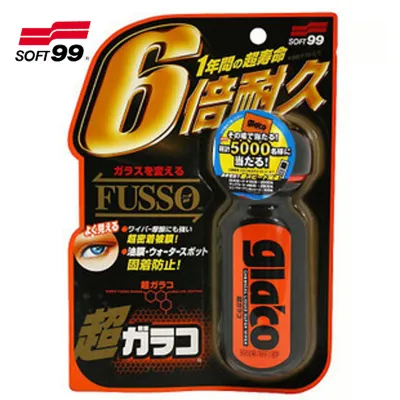
14 Lazada user ratings
Used a bottle before. Very very effective. Specially after using Glaco Z glass compound.
After using it, the glass is exceptionally clear and the visibility is very sharp.
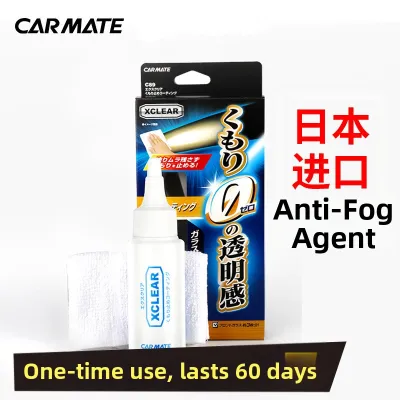
34 Lazada user ratings
Arrived quite late but understandable because of weather. Saw videos of how effective it is and will give it a try on our cars. Hope everyth…Read full reviewShow less
Arrived quite late but understandable because of weather. Saw videos of how effective it is and will give it a try on our cars. Hope everything works fine. Seller is not that responsive since mostly using AI but sometimes gives natural response. Will try this immediately. Bought 2 packs of glaco and 1 orange big head.
It took two weeks for the package to arrive, and unfortunately, the packaging was already damaged when I received it. I’m disappointed with …Read full reviewShow less
It took two weeks for the package to arrive, and unfortunately, the packaging was already damaged when I received it. I’m disappointed with the long delivery time and the condition of the package upon arrival.
🔨Durability: just need to store in cool place. 💰Value for Money: good value for money 💪Effectiveness: I know this is effective. 2nd time buy…Read full reviewShow less
🔨Durability: just need to store in cool place. 💰Value for Money: good value for money 💪Effectiveness: I know this is effective. 2nd time buying this product.
seems to be legit yung item at mukhang effective lalo na sa ulan, naging clear yung glass after use
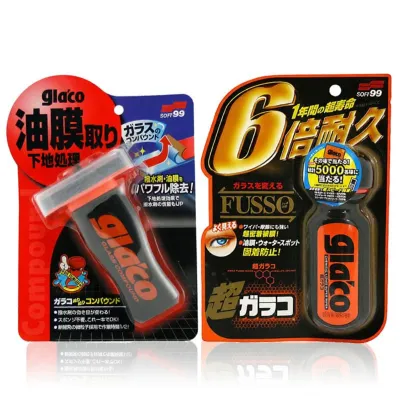
16 Lazada user ratings
This product can be used on various surfaces including glass, making sure that the visibility of your car is effective. It might make your g…Read full reviewShow less
This product can be used on various surfaces including glass, making sure that the visibility of your car is effective. It might make your glass water resistant , making your glass stay clear and free from dirt
The products can be used on various surfaces including glass and makes our glass dirt resistance and clean. It can makes the glass clean and…Read full reviewShow less
The products can be used on various surfaces including glass and makes our glass dirt resistance and clean. It can makes the glass clean and free from water spots
Came in a box. Well packed. Yet to apply on my windshield.
Prices are valid at publication and may change. Please refer to the product page for the latest price.
Interior cleaners, on the other hand, are formulated with a focus on safety and material preservation. The soils found inside a vehicle are primarily organic, consisting of skin oils, food spills, dust, and pet dander. Because these contaminants do not bond to surfaces with the same intensity as road tar, interior cleaners do not require harsh chemical solvents. Instead, they rely on mild, neutral-pH (typically pH 7 to 8) surfactants that lower the surface tension of water, allowing it to lift and encapsulate dirt so it can be wiped away safely. These neutral formulations ensure that the cleaner does not strip the natural oils from leather, dry out vinyl, or degrade the delicate anti-glare coatings on modern infotainment screens.
Furthermore, the solvent strength and surfactant types differ significantly based on the target soil and the durability of the substrate. Exterior formulas often contain strong emulsifiers that chemically break down petroleum-based contaminants. If these same solvents are applied to interior plastics or vinyl, they can strip the plasticizers—the chemical agents that keep vinyl flexible and soft. Once plasticizers are stripped, the material becomes brittle, leading to premature cracking and fading under UV exposure. Interior cleaners avoid these aggressive solvents entirely, utilizing gentle foaming agents that suspend dirt on the surface of fabrics and plastics without penetrating deep enough to cause structural degradation.
Surface Compatibility and the Risks of Using the Wrong Product
The interior of a modern vehicle is a complex tapestry of diverse materials, each with its own unique chemical tolerance. Leather, whether natural or synthetic, is highly sensitive to pH fluctuations; high-alkaline cleaners can strip the protective topcoats applied during the tanning process, leaving the leather vulnerable to drying, cracking, and dye transfer. Soft-touch plastics and vinyl, commonly found on dashboards and door panels, can develop a sticky residue or discolor permanently when exposed to harsh degreasers. Perhaps the most vulnerable components are modern infotainment screens and instrument clusters. These screens are often made of acrylic or coated glass that can be easily clouded, etched, or stripped of their anti-fingerprint and anti-reflective coatings by the solvents found in exterior glass cleaners or multi-surface degreasers.

Exterior surfaces present an entirely different set of physical properties and cleaning requirements. The outermost layer of a vehicle’s paint is the clear coat, a highly durable polyurethane or acrylic barrier designed to protect the color coat from UV rays, oxidation, and physical abrasion. While clear coats are remarkably resilient, they require specialized exterior cleaners that can lubricate the surface during the wash process to prevent wash marring and swirl marks. Bare metals, such as chrome trim or aluminum wheels, also require specific formulations; using an incorrect, highly acidic cleaner on uncoated aluminum can cause immediate, irreversible white rust or chemical etching.
The risks of cross-contamination highlight the danger of using the wrong product on these distinct surfaces. If an exterior cleaner, such as a heavy-duty degreaser or traffic film remover, is accidentally sprayed onto interior leather or vinyl, it can immediately strip away the built-in UV inhibitors and conditioners. This leaves the material dry, dull, and highly susceptible to cracking under the sun’s heat. Conversely, if an interior cleaner is used to wash the exterior of a vehicle, it will lack the chemical strength to break down road film and grease. The user will likely compensate by applying more physical pressure, scrubbing the paintwork with excessive force, which introduces micro-scratches and swirl marks into the clear coat. Additionally, interior cleaners often contain conditioning agents or anti-static additives that, when applied to exterior paint, can leave behind a greasy, streaky residue that actually attracts dust and road grime.
How to Choose the Right Cleaner for Your Detailing Task
Selecting the appropriate chemical for your detailing project requires a systematic approach based on the specific surface you are treating and the type of contamination present. Choose an interior cleaner if you are addressing cabin-specific issues such as dust accumulation on the dashboard, oily fingerprints on the steering wheel, beverage spills in the cup holders, or dirt embedded in fabric seats. Interior detailers and dedicated leather cleaners are formulated to lift these light contaminants while leaving behind a matte, non-greasy finish that protects against UV damage. These products are also designed to dry quickly without leaving sticky residues that could attract more dust over time.
Choose an exterior cleaner if you are dealing with environmental contaminants that have bonded to the vehicle’s outer shell. This includes removing heavy road film after driving in the rain, dissolving baked-on bug splatter on the front bumper, melting away road tar behind the wheel wells, or cleaning brake dust off the rims. Exterior shampoos, pre-wash foams, and dedicated iron removes are engineered with high lubricity and specific chemical agents to safely dissolve these tough deposits so they can be rinsed away with minimal physical contact.
Verify first if you are dealing with specialized, aftermarket, or highly delicate materials that do not respond well to standard cleaning products. For example, aftermarket window tint is applied as a thin polyester film on the inside of the glass; standard exterior glass cleaners containing ammonia will chemically degrade the tint adhesive, causing it to bubble and purple. Delicate cabin materials like Alcantara or micro-suede require specialized, low-moisture suede cleaners to prevent the fibers from matting. On the exterior, vehicles with matte paint finishes or satin vinyl wraps must never be treated with standard exterior gloss-enhancing shampoos or waxes, as these products will unevenly polish the matte texture, creating permanent shiny spots. Always consult the vehicle manufacturer’s guidelines or the aftermarket material installer’s instructions before applying any chemical.
Reading Product Labels and Verifying Safety Instructions
The key to safe and effective vehicle detailing lies in reading and understanding the manufacturer’s product labels. Modern detailing chemicals are highly concentrated, and their safety often depends entirely on proper preparation and application. Many professional-grade cleaners are sold as concentrates that must be diluted with water before use. A product that is safe for interior plastics at a 10:1 dilution ratio can easily strip paint or melt vinyl if applied at full strength. Always use precise measuring cups to mix dilutions, and avoid guessing the ratios.
Dwell time is another critical factor printed on product labels. Dwell time refers to the amount of time a cleaner must remain on a surface to chemically break down dirt before being agitated or rinsed away. Exterior wheel cleaners and bug removers often require a dwell time of two to three minutes, but they must never be allowed to dry on the surface, especially under direct sunlight, as this can cause permanent chemical etching. Interior cleaners generally require very short dwell times and should be wiped away immediately to prevent moisture from seeping into electronic switches or upholstery seams.
Before starting any cleaning process, it is highly recommended to consult your vehicle owner’s manual. Modern cars feature advanced materials, such as open-pore wood trim, anodized aluminum accents, and sensitive capacitive touch buttons, which have highly specific care instructions. If you ever encounter a situation where the product label instructions conflict with your vehicle owner’s manual, or if you cannot identify the exact material of a surface, establish a clear stop condition. Stop the application immediately. It is far safer to consult a professional automotive detailer or contact the product manufacturer directly than to risk causing damage that could cost ₱10,000 or more to repair.
Frequently Asked Questions (FAQ)
Can I use an all-purpose cleaner for both interior and exterior surfaces?
Yes, some all-purpose cleaners (APCs) can be used on both interior and exterior surfaces, but this is highly dependent on precise dilution ratios. An APC formulated for automotive use is typically highly alkaline at full strength to tackle exterior engine grease and wheel grime. To use it safely on interior plastics or fabrics, you must dilute it significantly with water—often at ratios of 10:1 or 20:1—as specified by the manufacturer’s label. Always verify the label instructions to ensure the product is explicitly rated for interior use, and never use an undiluted APC inside the cabin, as it can cause immediate chemical burns on vinyl and leather.
Will exterior car wash soap damage my interior leather or fabric?
Yes, using exterior car wash soap on interior leather or fabric can cause significant damage over time. Exterior soaps are formulated to strip road film and are designed to be rinsed thoroughly with large volumes of running water. Because you cannot safely flood your car’s interior with a hose to rinse out the soap, the product will leave behind a heavy, sticky surfactant residue. This residue will attract dirt, making your seats dirtier than before. Furthermore, the degreasing agents in exterior soaps will strip the natural oils and protective coatings from leather, leading to rapid drying, stiffening, and eventual cracking of the upholstery.

Community discussion
Share your experience or ask a question. Comments are reviewed before publication.