
Choosing the right engine oil is critical to preserving your vehicle’s engine life, especially when navigating the demanding driving conditions of the Philippines. With ambient temperatures frequently soaring above 30 degrees Celsius and urban centers notorious for grueling, multi-hour gridlocks, your engine operates under immense thermal stress. Many car owners wonder if a 5W-40 viscosity grade is the ideal shield against these harsh realities. The short answer is that 5W-40 engine oil is highly suitable for many modern gasoline and diesel engines operating in tropical climates, but its suitability ultimately depends on your vehicle manufacturer’s explicit recommendations.
While the high-temperature rating of 40 provides a robust protective barrier when your engine is running hot, you must never select an oil based solely on climate assumptions. Modern engines are precision-engineered with specific clearances and oil passages that require exact viscosity ranges to function correctly. Understanding how 5W-40 behaves under extreme heat and heavy traffic will help you make an informed decision, ensuring your engine remains properly lubricated without risking mechanical damage or voiding your warranty.
Understanding 5W-40 Viscosity and Temperature Ratings
To understand why 5W-40 is a popular choice for tropical climates, it helps to decode the numbers on the bottle, which represent the oil’s multi-grade viscosity rating. The “5W” portion denotes the oil’s low-temperature or winter flow characteristics, where the “W” stands for winter. A lower number before the W indicates that the oil remains fluid and flows easily at extremely low temperatures, reducing friction and wear during cold starts. While sub-zero temperatures are not a concern in the Philippines, a 5W rating still ensures rapid oil circulation immediately upon turning the key, protecting critical engine components during those initial seconds before the engine reaches its normal operating temperature.
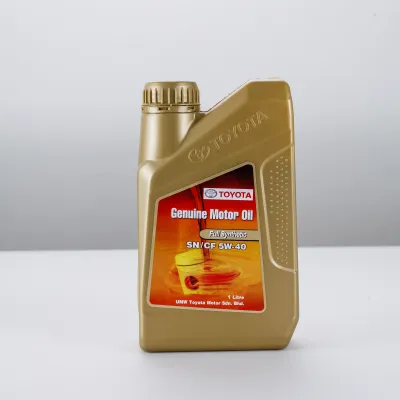
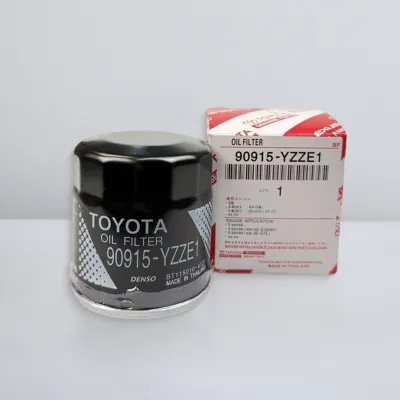
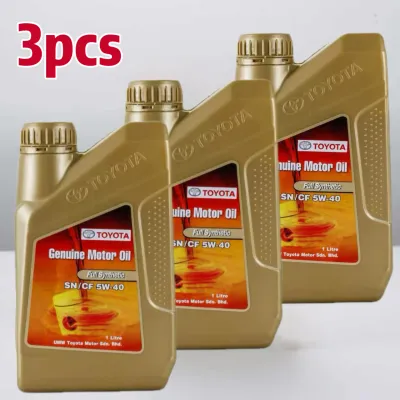
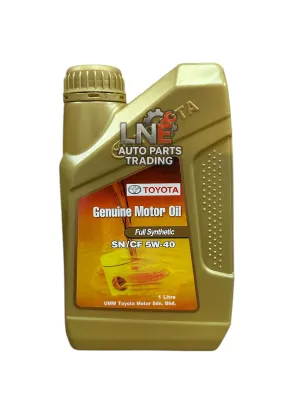
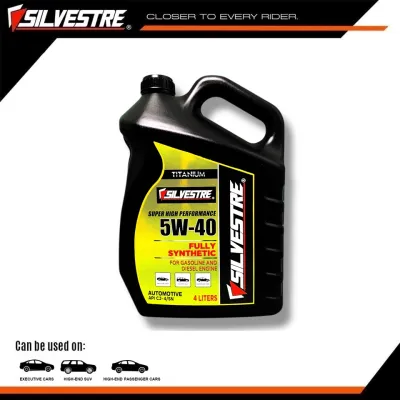
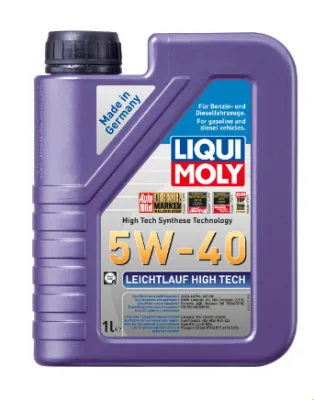
Products mentioned in this guide
![Mitsubishi 5W-40 Fully Synthetic Engine Oil [3 Liters + Oil Filter] Change Oil Package for Mirage](https://img.lazcdn.com/g/p/20c73b6b76339e51e102659e128fe46d.png_400x400q80.png_.webp)
Prices are valid at publication and may change. Please refer to the product page for the latest price.
The second number, “40,” represents the oil’s kinematic viscosity at 100 degrees Celsius, which is the standard benchmark for a fully warmed-up engine. This high-temperature rating is crucial because it dictates how well the oil resists thinning out when subjected to intense heat. As an engine runs, its internal components generate substantial thermal energy, far exceeding the external ambient temperature. Whether you are driving through a cool morning in Baguio or crawling through midday traffic in Manila, your engine’s internal operating temperature remains consistently high, typically ranging between 90 and 105 degrees Celsius.
At these elevated internal temperatures, the oil must maintain a stable lubricating film between moving metal parts, such as the pistons, camshafts, and bearings. If the oil becomes too thin, this protective film can rupture, leading to direct metal-on-metal contact, accelerated wear, and potential engine failure. A viscosity rating of 40 offers a thicker, more resilient oil film compared to lighter grades like 20 or 30. This higher shear stability under load means the oil molecules resist breaking down under intense mechanical pressure, providing a reliable cushion that keeps your engine components gliding smoothly even when the engine is working its hardest.
Evaluating Engine Protection in Stop-and-Go Traffic
Stop-and-go traffic is arguably the most punishing environment for any internal combustion engine. When your vehicle is idling for extended periods or crawling forward at a snail’s pace, the engine experiences severe thermal stress. Unlike highway driving, where oncoming air naturally cools the radiator, stationary idling relies entirely on mechanical cooling fans. This lack of natural airflow causes heat to build up rapidly under the hood, raising the temperature of both the engine block and the motor oil.

Under these prolonged high-heat conditions, motor oil is highly susceptible to thermal degradation and shearing. Shearing occurs when the intense mechanical forces inside the engine physically break down the oil’s polymer chains, permanently reducing its viscosity and protective capabilities. When oil degrades, it loses its ability to lubricate effectively, which can manifest as increased engine noise, a rougher idle, or a noticeable drop in performance. Over time, degraded oil can form harmful sludge and varnish deposits that clog oil passages and restrict flow, leading to localized overheating and accelerated component wear.
To protect your engine from these silent threats, you should perform routine physical checks of your oil using the dipstick. When inspecting the oil, pay close attention to its color, consistency, and smell. Fresh oil typically has a clear, amber hue, while oil that has undergone severe thermal stress will appear dark brown or pitch black and may carry a distinct burnt odor. If the oil feels unusually thin or gritty when rubbed between your fingers, or if you notice a sudden drop in the oil level on the dipstick, these are clear indicators that the oil is breaking down and requires immediate attention. Monitoring these observable signs allows you to intervene before minor oil degradation escalates into costly mechanical repairs.
Matching 5W-40 to Your Vehicle’s Manufacturer Specifications
While 5W-40 offers excellent high-temperature protection, you must never use it without first verifying that it aligns with your vehicle’s manufacturer specifications. The owner’s manual is your ultimate authority on this matter, containing detailed charts that outline the approved viscosity grades based on ambient temperature ranges. In addition to viscosity, the manual will specify performance standards, such as API (American Petroleum Institute) or ACEA (Association des Constructeurs Européens d’Automobiles) classifications. You must ensure that any 5W-40 oil you purchase meets or exceeds these exact performance ratings to guarantee compatibility with your engine’s internal metallurgy and emissions systems.
A thicker high-temperature grade like 40 is often recommended by manufacturers for specific scenarios. For instance, older or high-mileage engines often have wider clearances between moving parts due to gradual wear. In these cases, a thicker oil can help seal the gaps around piston rings, reducing oil consumption. Additionally, high-performance turbocharged engines, which generate extreme localized heat around the turbocharger shaft, frequently require a robust 5W-40 oil to prevent the oil from vaporizing or leaving carbon deposits.
Conversely, using a 5W-40 oil in an engine designed strictly for ultra-low viscosity oils, such as 0W-16 or 0W-20, can introduce significant risks. Modern engines often utilize highly sensitive Variable Valve Timing (VVT) systems that rely on precise oil pressure to adjust camshaft timing on the fly. If the oil is too thick, it may not flow quickly enough through the microscopic oil control valves, triggering check engine lights, sluggish performance, and reduced fuel efficiency. Furthermore, thicker oil creates more fluid drag within the engine, forcing the oil pump to work harder and slightly increasing overall fuel consumption. Always prioritize the manufacturer’s approved viscosity range over general climate assumptions to maintain optimal engine performance.
Maintenance and Oil Change Intervals for Severe Driving Conditions
Many drivers in the Philippines do not realize that their daily commute qualifies as “severe driving” under standard vehicle maintenance guidelines. Most owner’s manuals define severe driving broadly, encompassing frequent short trips, prolonged idling in heavy traffic, driving in dusty or humid environments, and operating in sustained high ambient temperatures. If your typical route involves crawling through urban congestion or navigating dusty roads in the midday heat, your vehicle operates under severe conditions almost exclusively.
Operating under these demanding conditions requires you to adjust your maintenance schedule accordingly. While a vehicle manufacturer might advertise a standard oil change interval of 10,000 kilometers or twelve months for normal driving, the severe schedule often cuts these recommendations in half—typically to 5,000 kilometers or six months, whichever comes first. This accelerated schedule is necessary because the oil accumulates contaminants, moisture, and fuel dilution much faster when the engine is constantly idling or making short trips. Regularly replacing the oil ensures that these harmful contaminants are flushed out before they can form sludge or cause corrosive wear.
Between scheduled services, establish a habit of checking your oil level at least once or twice a month. Park your vehicle on a level surface, turn off the engine, and wait a few minutes for the oil to drain back into the oil pan. Pull out the dipstick, wipe it clean, reinsert it fully, and pull it out again to read the level. The oil level should sit comfortably between the minimum and maximum marks. If you find yourself constantly topping up the oil, or if the level drops rapidly, consult a qualified professional to inspect your engine for leaks or internal oil consumption.
Frequently Asked Questions (FAQ)
Can I mix 5W-40 with other viscosity grades like 5W-30?
While mixing different viscosity grades like 5W-40 and 5W-30 will not cause immediate engine failure in an emergency, it is not recommended for routine maintenance. Mixing these oils alters the overall viscosity, resulting in an unpredictable intermediate grade that may not provide the precise protection your engine requires. Furthermore, different oil brands and viscosity grades utilize distinct additive packages designed to prevent wear and resist oxidation. Mixing them can dilute these specialized additives, potentially reducing the oil’s overall performance. If you must top up your oil and cannot find the exact grade, use a small amount of a compatible grade as a temporary measure, but prioritize a full oil change to the correct specification as soon as possible.
Does 5W-40 engine oil improve fuel economy in hot weather?
A thicker oil like 5W-40 does not improve fuel economy; it can slightly increase fuel consumption compared to thinner grades like 5W-30 or 0W-20. Thicker oil creates more fluid friction against the moving parts inside the engine, requiring more energy to pump and circulate. However, in extremely hot weather and severe stop-and-go traffic, the primary goal of engine oil shifts from maximizing fuel economy to ensuring robust engine protection. The marginal difference in fuel consumption is a necessary trade-off for the superior oil film strength and wear protection that a 40-weight oil provides under high thermal loads. If your manufacturer approves multiple viscosity grades, weigh the minor fuel savings of a thinner oil against the enhanced wear protection of a thicker oil under severe driving conditions.
Community discussion
Share your experience or ask a question. Comments are reviewed before publication.