
Connecting an aftermarket 12V cooling fan to a Honda Click or Yamaha Mio is technically possible because both scooters utilize a 12V electrical system. However, physical voltage compatibility is only the first step in a safe installation. To prevent draining your battery, overloading the stator, or damaging sensitive electronic control units (ECU), you must verify the fan’s current draw against the scooter’s remaining electrical capacity.
Understanding the 12V Electrical Capacity of Honda Click and Yamaha Mio
While both the Honda Click and Yamaha Mio run on a nominal 12V system, their electrical systems are designed with tight tolerances. The stator generates alternating current, which is converted to direct current by the rectifier to charge the battery and power the scooter. This system is rated not just by voltage, but by its total current capacity, measured in amperes or watts.
Every factory component on your scooter consumes a portion of this capacity. Modern fuel-injected scooters like the Honda Click and newer Yamaha Mio models rely heavily on electricity to run the ECU, fuel pump, fuel injectors, digital instrument panel, and LED lighting. These essential systems leave only a small margin of surplus power for aftermarket accessories.
Products mentioned in this guide
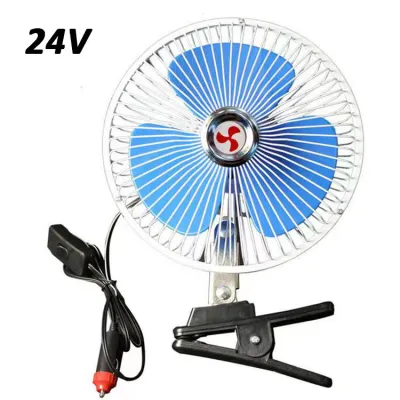
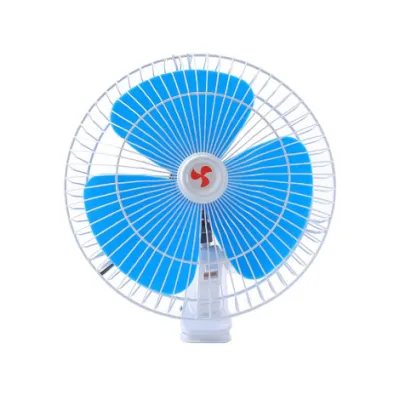
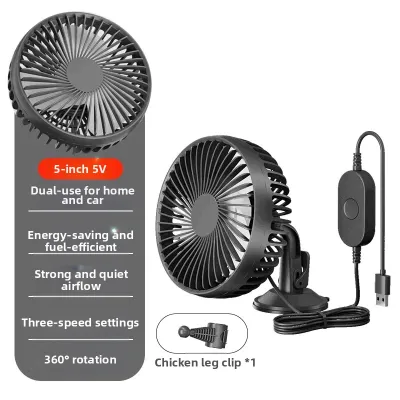
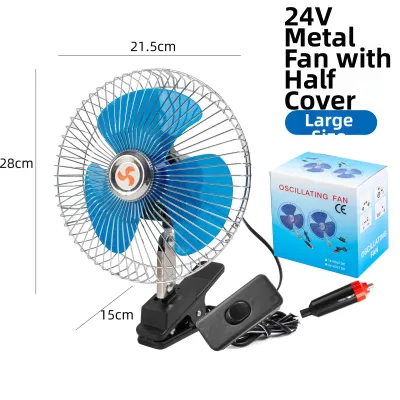
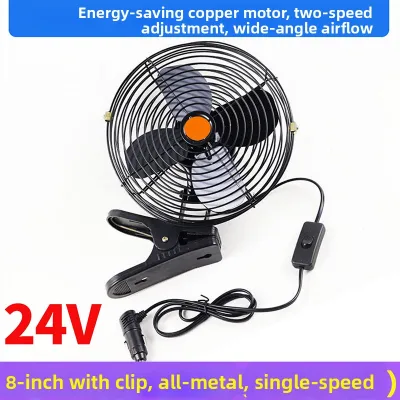
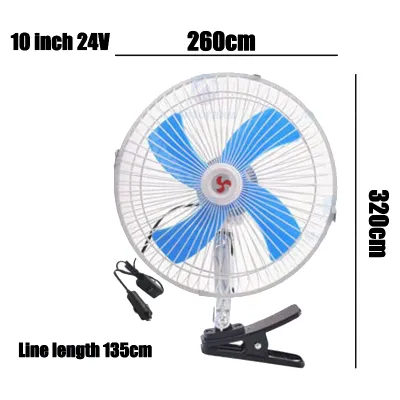
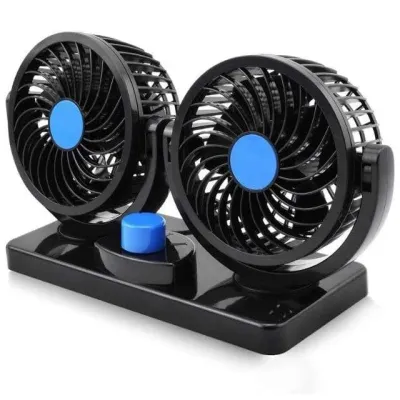
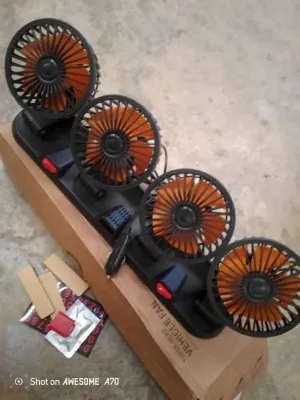
Prices are valid at publication and may change. Please refer to the product page for the latest price.
Before mounting a 12V fan, consult your scooter’s owner’s manual to locate the stator output rating and the main fuse capacity. The main fuse, often rated at 10A or 15A depending on the specific model and year, represents the absolute limit of the entire electrical system. Adding accessories that push the total draw close to or beyond this limit will lead to system instability.
Evaluating the Power Draw of Your 12V Cooling Fan
To determine if your scooter can handle an auxiliary 12V cooling fan, you must identify the fan’s electrical requirements. Look at the product label, packaging, or manufacturer specification sheet for the rated wattage (W) or amperage (A). This information is critical for calculating the load on your battery and charging system.

If the manufacturer only provides the wattage rating, you can easily calculate the current draw in amperes. Divide the wattage by the operating voltage of 12V (Amps = Watts / 12V). For example, a 12-watt fan will draw exactly 1.0 ampere of current during normal operation, which is a significant draw on a small scooter battery.
Additionally, you must account for the startup surge current. Electric motors typically require a brief spike in current—sometimes double or triple their running amperage—just to start spinning. Ensure your calculations and safety devices can accommodate this temporary surge without blowing fuses or causing voltage drops in the main harness.
Safe Wiring Practices to Protect Scooter Electronics
Modifying motorcycle wiring carries inherent risks of short circuits, component damage, or electrical fires. Because of these safety implications, always refer to your scooter’s original wiring diagram and prioritize qualified professional installation if you are not experienced with electrical work. Never splice accessory wires directly into the factory harness or tap into ECU-controlled circuits.
To install a 12V cooling fan safely, you must use a dedicated automotive relay and an inline fuse holder. The relay acts as an electromagnetic switch, allowing a low-current signal from an ignition-switched wire to connect the fan directly to the battery through a heavy-gauge wire. This setup ensures the fan only runs when the ignition is on, preventing accidental battery drain when parked.
The inline fuse must be rated slightly above the fan’s running current but below the wire’s maximum capacity to protect the circuit from short circuits. For grounding, avoid daisy-chaining multiple accessory ground wires together. Instead, connect the fan’s ground wire directly to a clean, bare-metal point on the scooter’s chassis or to the negative terminal of the battery.
Warning Signs of Electrical Overload and Next Steps
An overtaxed electrical system will quickly show observable symptoms that you should not ignore. If you notice your headlights dimming when the fan turns on, a weak or distorted horn sound, or a sluggish starter motor, the fan is likely drawing more power than the stator can replenish. This imbalance will eventually leave you stranded with a dead battery.
Another clear warning sign is a repeatedly blown inline fuse or main fuse. A blown fuse indicates that the current draw has exceeded safe limits, pointing to either a short circuit or an undersized wiring setup. Never replace a blown fuse with one of a higher rating, as this can cause the wires to overheat, melt, and potentially catch fire.
If you experience any of these symptoms, immediately disconnect the aftermarket fan and restore the factory wiring configuration. Consult a qualified motorcycle electrician or an authorized dealership to test your battery health and stator output. They can help determine if your specific scooter model has the electrical headroom to support auxiliary cooling.
Frequently Asked Questions (FAQ)
Can I wire the 12V fan directly to the battery with a toggle switch?
Wiring a fan directly to the battery with only a toggle switch is highly discouraged because it bypasses the ignition switch. If you forget to turn the switch off when parking your scooter, the fan will continue to run and completely drain the battery. Furthermore, installing any direct battery accessory without an inline fuse poses a severe fire hazard if a short circuit occurs along the wire.
Will installing an aftermarket cooling fan void my Honda or Yamaha warranty?
Yes, cutting, splicing, or modifying the factory wiring harness to install an aftermarket fan will generally void the electrical portion of your manufacturer’s warranty. Authorized service centers can deny warranty claims for batteries, stators, or ECUs if they find evidence of unauthorized electrical modifications. To preserve your warranty, use plug-and-play harnesses that do not require cutting factory wires, or have the installation performed by an authorized dealer.
Community discussion
Share your experience or ask a question. Comments are reviewed before publication.