
Riding a motorcycle in the Philippines offers unparalleled freedom, whether you are navigating the daily congestion of Metro Manila or exploring the scenic curves of the Marilaque Highway. However, the tropical climate presents a constant challenge: staying cool while staying protected. If you are considering a Leatt chest protector, you are likely asking yourself if wearing this level of armor will lead to unbearable overheating during your rides.
While any added layer of safety gear inevitably retains some body heat, a high-quality chest protector is not too hot to wear in the Philippines if you select the right model and use smart heat-management strategies. Modern armor is engineered with advanced ventilation channels and breathable materials designed specifically to facilitate airflow. By understanding how this gear interacts with your body’s cooling mechanisms and pairing it with the correct apparel, you can maintain an optimal balance of impact protection and thermal comfort.
The Reality of Riding in Tropical Heat
Operating a motorcycle in the Philippines means constantly contending with high ambient temperatures and intense relative humidity. During the dry season, temperatures routinely exceed 32°C, with the heat index climbing significantly higher. Even during the wet monsoon months, the air remains saturated with moisture. This combination of heat and humidity creates a demanding physical environment for any motorcyclist, making thermal management a primary safety concern.
Products mentioned in this guide
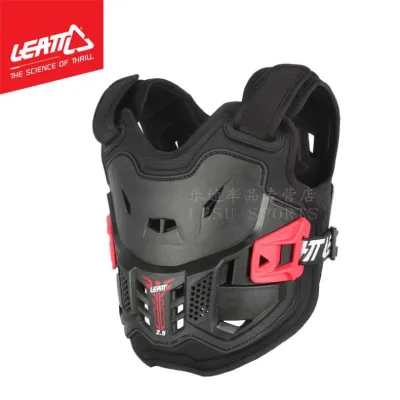
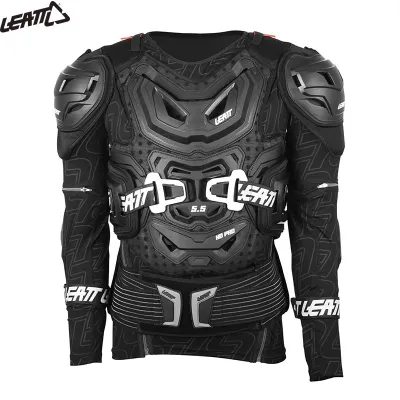
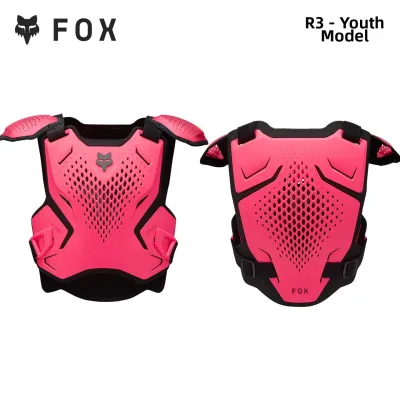
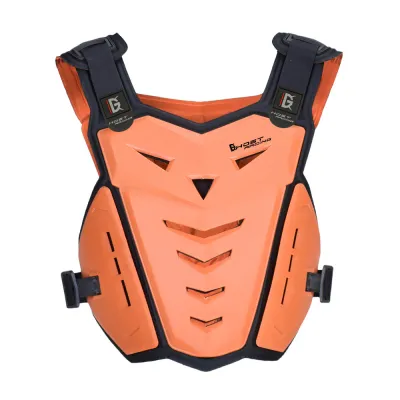
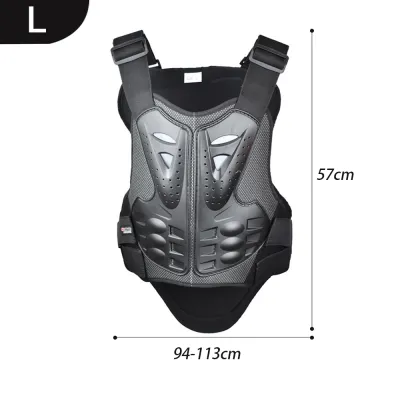
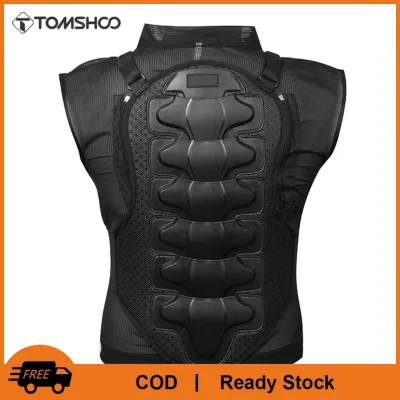
Prices are valid at publication and may change. Please refer to the product page for the latest price.
To understand why protective gear feels hot, it helps to look at how the human body regulates its internal temperature. The primary physiological mechanism for heat dissipation is the evaporation of sweat. When sweat evaporates from your skin, it carries heat energy away, cooling your body. However, high relative humidity severely impedes this process because the surrounding air is already saturated with moisture, preventing sweat from evaporating efficiently.
When you introduce heavy riding gear, you risk trapping a layer of hot, stagnant air against your body. This microclimate quickly becomes saturated with moisture, halting evaporative cooling. In slow-moving urban traffic or during technical off-road trail riding, where natural wind flow is minimal, this heat buildup can accelerate rapidly. The resulting thermal discomfort can transition into heat stress, which degrades your concentration and reaction times on the road.
How Leatt Chest Protectors Manage Heat and Ventilation
Protective gear manufacturers recognize the dangers of heat buildup and design modern armor to facilitate as much airflow as possible. A Leatt chest protector typically incorporates several engineering features aimed at promoting ventilation. These designs utilize perforated impact foams, molded ventilation recesses, and breathable mesh fabrics that work together to allow air to pass through the protective panels.

One of the key technologies used in these protectors is ventilated impact foam, such as Leatt’s proprietary 3DF AirFit. This material is engineered with physical perforations that allow heat to escape directly through the protective layer. Additionally, the hard outer shells of many models feature strategically placed intake and exhaust vents. These vents capture oncoming air while you are in motion, routing it across your torso and out through the back panels to create a continuous cooling effect.
When choosing between different armor profiles, you must consider the trade-offs between hard-shell and soft-armor designs. Hard-shell protectors sit slightly off the body, which can create a physical cavity that allows air to circulate, provided you are moving fast enough to force air through the vents. Soft-armor designs fit more snugly against your torso; while they are often lighter and more flexible, they rely heavily on the moisture-wicking properties of their fabric chassis to manage sweat.
Before making a purchase, always consult the specific product documentation, user manual, and manufacturer labels to verify the exact ventilation specifications and weight of the model you are considering. It is important to remember that while these design features greatly assist in heat dissipation, no chest protector can completely eliminate heat. The primary engineering priority of any armor remains impact energy absorption, and some level of thermal retention is a necessary trade-off for safety.
Balancing Impact Protection and Thermal Comfort
It can be tempting to leave your chest protector at home on particularly hot days, opting instead for a simple jersey or t-shirt. However, compromising on safety gear in a tropical environment carries severe risks. Your torso houses vital organs, your rib cage, and your spine, all of which require robust protection from blunt-force trauma and abrasion in the event of an accident.
The riding conditions in the Philippines are notoriously unpredictable. From sudden stops in chaotic city traffic to loose gravel on provincial mountain loops, the risk of a fall or collision is ever-present. A high-quality chest protector is designed to absorb and distribute the kinetic energy of an impact, shielding your chest and back from severe injuries. This level of protection cannot be replicated by standard clothing or lightweight jackets.
Rather than abandoning your safety gear, the solution lies in managing the heat through behavioral adjustments and proper gear integration. It is helpful to view your riding apparel as a complete performance system where each layer plays a role in safety and temperature control. By treating heat management as an active riding skill, you can protect your body from both physical impacts and thermal exhaustion.
It is also critical to recognize that a compromised physical state due to overheating is just as dangerous as riding without armor. When your body temperature rises excessively, cognitive fatigue sets in, slowing your decision-making and physical coordination. Therefore, finding the right balance between impact protection and thermal comfort is not just about personal convenience; it is a fundamental aspect of active rider safety.
Practical Strategies for Staying Cool with Chest Armor
Maximizing the ventilation performance of your chest protector requires a deliberate approach to what you wear underneath it, what you wear over it, and how you plan your journey. Implementing these practical, low-risk strategies will help you stay comfortable even during demanding midday rides.
Choosing the Right Base Layer
The garment worn directly against your skin dictates how effectively your body can utilize its natural cooling mechanisms under your armor. You should always wear a high-quality, moisture-wicking synthetic base layer made of polyester, polyamide, or nylon-spandex blends. These technical fabrics are engineered with fine fibers that pull sweat away from your skin and spread it across a large surface area, accelerating evaporation even under the covered sections of your chest protector.
Conversely, you should avoid wearing standard cotton t-shirts under your armor. Cotton fibers are highly hydrophilic, meaning they absorb and retain moisture rather than releasing it. A sweat-soaked cotton shirt becomes heavy, clings to your skin, blocks the ventilation channels of your chest protector, and increases the friction that leads to painful chafing.
Pairing with Ventilated Outerwear
How you layer your outer riding gear determines how much ambient air can reach the ventilation ports of your chest protector. For street, touring, or adventure riding, pair your armor with a highly ventilated mesh riding jacket. These jackets feature large panels of open-weave, high-tenacity mesh that allow wind to pass through almost completely unobstructed, feeding cool air directly into your protector’s intake vents while keeping the armor securely positioned.
If you are riding off-road or on motocross tracks, you will typically wear your chest protector over a lightweight, ventilated riding jersey. When doing so, ensure that the protector is adjusted correctly and fits snugly against your torso. The armor must not be allowed to shift or slide during movement, as out-of-position plates cannot protect your vital organs effectively during a crash.
Hydration and Ride Planning
Your physical preparation and riding schedule play a massive role in how your body handles heat while wearing protective gear. Whenever possible, plan your long-distance journeys or trail rides to avoid the peak heat of the day, which typically occurs between 11:00 AM and 3:00 PM. Starting your ride at dawn allows you to cover significant distance in cooler temperatures, reducing the overall thermal load on your body.
Proactive hydration is equally essential for maintaining your body’s ability to sweat and cool itself. Drink plenty of water and electrolyte-rich beverages before you start your ride, and continue to sip fluids during your journey. Make it a habit to take regular breaks in shaded areas, roadside convenience stores, or gasoline stations. During these stops, unzip your outer jacket or temporarily loosen your chest protector to allow trapped heat to escape and let your core temperature recover.
Recognizing Heat Stress and Safety Boundaries
When riding in extreme tropical heat, you must remain highly sensitive to your body’s physical signals. Heat-related illnesses can escalate quickly, and recognizing the early warning signs of heat exhaustion is critical for your safety on the road. If you begin to experience any of these symptoms, you must take immediate action to cool down.
Common Signs of Heat Exhaustion:
- Dizziness, lightheadedness, or sudden confusion
- Excessive, heavy sweating accompanied by cold, pale, or clammy skin
- Persistent nausea, headache, or mild muscle cramps
- An unusually elevated heart rate or rapid, shallow breathing
- A feeling of extreme physical weakness or lethargy
- Slightly blurred or double vision
If you detect any of these symptoms in yourself or your riding companions, immediately signal a stop and pull over to a safe, shaded area out of the flow of traffic. Do not attempt to “push through” the discomfort, as heat exhaustion can rapidly progress to heat stroke, which is a life-threatening medical emergency that requires immediate professional intervention.
Once you have stopped in a safe location, initiate cooling protocols. Remove your chest protector and any heavy outer riding jackets to allow immediate convective cooling of your torso. However, if you are resting on a busy roadside, keep your helmet on until you are completely clear of any potential traffic hazards. Sip cool water or an electrolyte drink slowly; gulping fluids too quickly can induce vomiting. Rest in the shade until your heart rate normalizes and your body temperature regulates. Do not resume riding until you are completely alert, hydrated, and physically capable of safely controlling your motorcycle.
Frequently Asked Questions (FAQ)
Can I wear a Leatt chest protector directly against my skin?
It is highly recommended that you do not wear a chest protector directly against your bare skin. Doing so can cause severe friction burns and chafing as the plastic edges and straps shift against your skin while you ride. Furthermore, wearing the armor directly on your skin allows body oils, sweat, and bacteria to accumulate directly on the foam and fabric elements of the protector. This accelerates the degradation of the materials and leads to persistent, unpleasant odors that are difficult to remove. Always wear a thin, breathable synthetic base layer to act as a protective barrier.
How should I clean and dry my chest protector in a humid climate?
To clean your chest protector, always consult the manufacturer’s care label first. Generally, you should hand-wash the armor using mild soap and lukewarm water, gently wiping down the plastic shells and foam padding with a soft cloth or sponge. Avoid using harsh detergents, solvents, or bleach, as these chemicals can compromise the structural integrity of the impact-absorbing foams and plastics.
After washing, air-dry the protector completely in a well-ventilated, shaded indoor area. Do not expose the armor to direct sunlight for extended periods, as ultraviolet (UV) radiation can degrade the polymers and impact foams. In the high humidity of the Philippines, ensuring that your gear is 100% dry before placing it in storage is critical to prevent the growth of mold, mildew, and odor-causing bacteria.
Does a chest protector restrict breathing during long rides?
A properly sized and correctly adjusted chest protector should not restrict your breathing or limit your lung expansion. Modern armor systems are designed to articulate with your body’s movements, allowing your chest cavity to expand naturally when you breathe deeply. To ensure a proper fit, refer to the manufacturer’s sizing chart and measure your chest circumference accurately before buying. When putting on the armor, adjust the shoulder and side straps so that the protector sits securely against your body without compressing your rib cage or diaphragm. If you feel any restriction while breathing deeply, loosen the adjustment straps slightly or try a larger size.
Community discussion
Share your experience or ask a question. Comments are reviewed before publication.