
For most DIY car owners who handle routine maintenance or simply swap out failed components, an armature bearing puller is not a mandatory addition to the garage. If your standard approach to a failing alternator or starter motor is to replace the entire assembly, this specialized tool will likely gather dust. However, if you actively rebuild small electric motors to save money, restore classic vehicles, or maintain a fleet of garage equipment, having the correct puller is essential for preventing shaft damage during teardowns. In tropical climates like the Philippines, where high humidity and heavy seasonal rains can accelerate corrosion on internal electrical components, knowing whether to invest in this tool can save you both money and garage space.
What an Armature Bearing Puller Actually Does
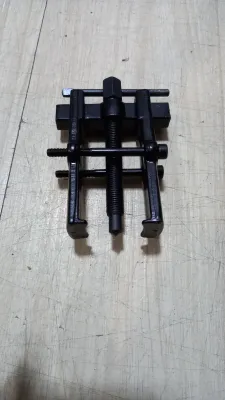
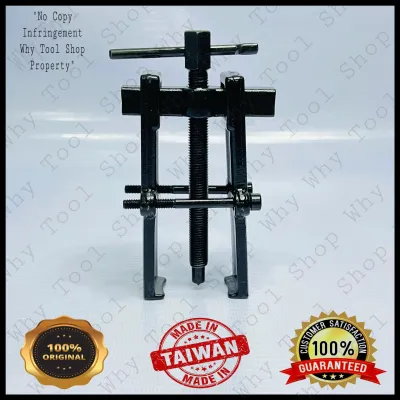
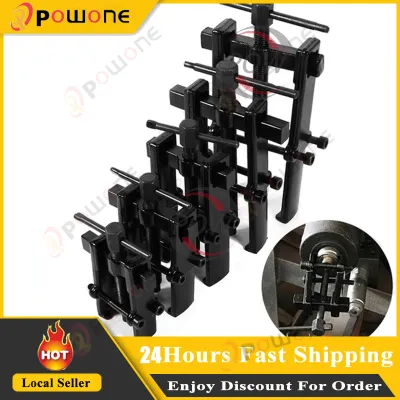
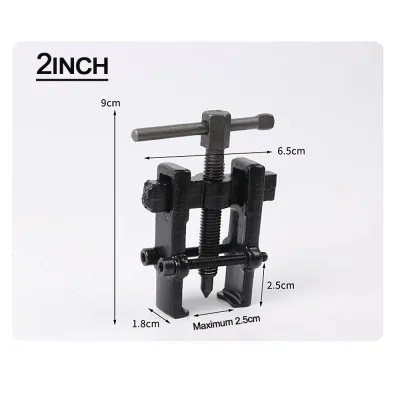
An armature bearing puller is a highly specialized mechanical tool designed for a singular, precise task: safely extracting pressed-on bearings from the delicate shafts of small electric motor armatures. You will typically find these armatures inside critical automotive components such as alternators, starter motors, windshield wiper assemblies, and radiator cooling fans. Unlike heavy-duty automotive pullers—which are built to remove bulky steering wheels, crankshaft pulleys, or large wheel hub assemblies—an armature puller features thin, low-profile jaws. These jaws are engineered to slip into the incredibly tight clearances between the bearing inner race and the motor windings or housing.
The primary engineering challenge when servicing a small electric motor is protecting the soft steel or copper armature shaft. Standard pullers often apply force unevenly or require wide gripping surfaces that can easily bend the shaft, score the metal, or crush the delicate copper wire windings. An armature bearing puller solves this by gripping the bearing’s inner race directly and applying perfectly aligned, linear pressure along the center axis of the shaft via a fine-threaded pusher screw. This precision ensures that the bearing slides off smoothly without transferring destructive lateral forces to the rest of the motor assembly.
Products mentioned in this guide
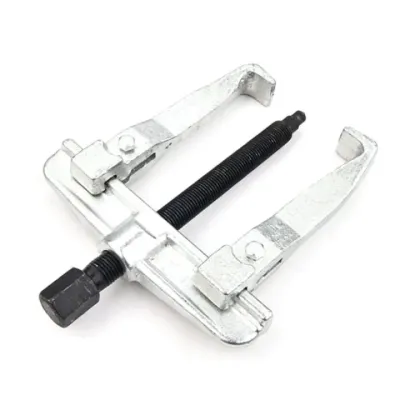
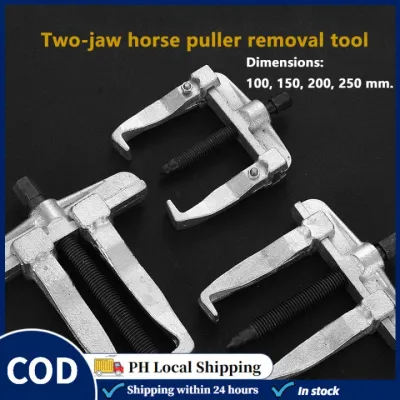
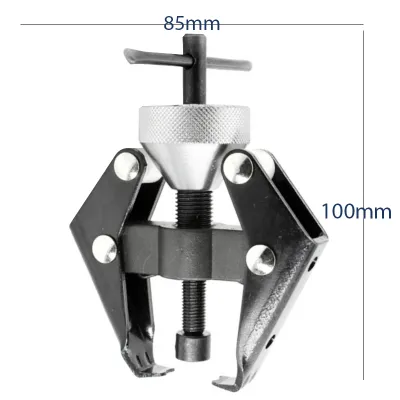
Prices are valid at publication and may change. Please refer to the product page for the latest price.
Signs You Actually Need This Specialized Tool
Deciding whether to purchase an armature bearing puller depends heavily on your repair habits, technical skill level, and the specific automotive projects you undertake. If you regularly rebuild alternators or starter motors from the ground up rather than installing pre-assembled remanufactured units, this tool becomes indispensable. In humid environments, internal bearings often seize onto their shafts due to micro-corrosion. Attempting to pry these seized bearings off with flathead screwdrivers or hammers almost always results in a ruined armature, turning a simple bearing replacement into an expensive component failure.

Another clear sign you need this tool is if you are restoring a classic or rare vehicle. For older models, finding a complete, ready-to-install replacement alternator or starter motor in local auto parts stores can be incredibly difficult, slow, or prohibitively expensive. In these scenarios, rebuilding the original unit by replacing the worn bearings and carbon brushes is often the only viable way to keep the vehicle running. Additionally, if you frequently repair other small electric motors around your home or garage—such as those in power tools, pressure washers, or water pumps—a dedicated small bearing puller will see plenty of use across various household maintenance tasks.
When You Can Safely Skip This Purchase
For the vast majority of daily drivers, buying an armature bearing puller is an unnecessary and cost-ineffective expense. If your standard repair strategy for a failing alternator or starter motor involves swapping out the entire assembly with a brand-new or professionally remanufactured unit, you have no practical use for this tool. Complete assemblies are widely available, and replacing them is generally a straightforward bolt-on procedure that does not require opening the motor housing or handling delicate internal components.
Furthermore, rebuilding an electric motor requires more than just pulling a bearing. It demands specialized skills, including precision soldering, electrical testing with a multimeter to check for short circuits, and sometimes machining or polishing the commutator. If you lack these skills or do not wish to invest the time to learn them, owning the puller serves little purpose. From a financial standpoint, when you calculate the combined cost of a quality puller (which can range from ₱500 to over ₱2,000 on an online marketplace), replacement bearings, new carbon brushes, and the time spent on the rebuild, the total often approaches or exceeds the price of a complete, warrantied replacement part. For a daily-use vehicle that needs to get back on the road quickly, a complete replacement is usually the more practical choice.
Practical Alternatives for One-Off Motor Rebuilds
If you find yourself needing to extract an armature bearing for a one-off repair project but want to avoid purchasing a dedicated tool, several practical alternatives exist. First, consider visiting local auto parts stores or community tool libraries to see if they offer specialized small bearing puller sets for rent. This allows you to complete the job using the correct tool without committing to a permanent purchase. Always inspect the rental tool’s jaws and threads for wear or damage before taking it home to ensure it can safely perform the extraction.
Another option is using generic small mechanical pullers, such as a small two-jaw or three-jaw puller, provided you verify the dimensions carefully. You must ensure the jaw tips are thin enough to grip the bearing’s inner race securely without slipping onto the outer shield or pressing against the delicate copper windings. If the clearance is too tight, do not force the tool, as this can permanently damage the armature.
When DIY methods carry too much risk, the safest and most reliable alternative is to remove the armature yourself and take it to a local auto electric shop. Professional technicians have specialized shop presses and heavy-duty pullers designed to extract and press-fit bearings in seconds. Paying a small service fee to a qualified professional ensures the job is done safely, preserves your original components, and eliminates the risk of ruining an expensive armature through improper tool use.
How to Verify Compatibility Before You Buy
If you decide that adding an armature bearing puller to your toolbox is the right move, you must verify its specifications against your specific equipment to ensure safe and effective operation. Never assume a puller is compatible based solely on a generic product category or brand name. Start by cross-referencing the puller’s jaw spread, reach, and shaft clearance against the exact armature dimensions listed in your vehicle’s factory service manual or the motor manufacturer’s documentation. The jaws must be thin enough to fit behind the bearing, and the puller’s body must have enough reach to span the length of the exposed shaft.
Before attempting any electrical disassembly or motor modification, always consult your vehicle’s original documentation to understand the safety boundaries, disconnect the battery to prevent electrical shorts, and consider consulting a qualified professional if you are unsure of the installation process. Next, examine the tool’s rated tonnage and screw thread pitch. While armature bearings are relatively small, those seized by rust or heat cycling require significant, steady force to break free. A puller with high-quality, fine-threaded screws allows for precise control and prevents the tool from stripping or bending under pressure. Avoid cheap, low-grade steel pullers that can flex or slip during use, as a slipping jaw can instantly gouge the armature windings or bend the shaft.
Finally, review the manufacturer’s setup instructions to confirm that the tool includes the correct adapters or pusher screws. Many armature shafts feature internal threads or delicate center points at their ends. The puller’s center bolt must align perfectly and use a protective tip or adapter to avoid mushrooming the end of the shaft or stripping the internal threads during extraction. If the tool does not include these protective features, you will need to source them separately or seek professional assistance to avoid permanently damaging your vehicle’s electrical components.
Frequently Asked Questions (FAQ)
Can I use a standard steering wheel puller on an alternator armature?
No, you should not use a standard steering wheel puller on an alternator armature. Steering wheel pullers are designed for much larger components and typically use bolts that thread directly into the steering wheel hub, which is a completely different mounting mechanism. Attempting to adapt a steering wheel puller to a delicate alternator armature presents a severe size mismatch and a high risk of slipping. This can easily bend the soft armature shaft, strip its threads, or crush the copper windings, resulting in irreversible damage to the alternator. Always verify the tool’s physical dimensions and jaw clearance against your specific motor’s documentation before attempting any substitution.
Is it generally cheaper to rebuild an alternator or just replace it?
While purchasing individual internal components like bearings and brushes is usually cheaper than buying a complete alternator, the overall practicality depends on your tools, time, and experience. Rebuilding an alternator yourself can save money on parts, but it requires specialized tools like an armature bearing puller, soldering equipment, and electrical testing devices. For a daily driver that needs to be back on the road immediately, purchasing a complete, professionally remanufactured or new alternator is often more practical and time-efficient. Complete units also typically come with a warranty, providing peace of mind that individual DIY rebuilds cannot offer.

Community discussion
Share your experience or ask a question. Comments are reviewed before publication.