
Driving with a fogged-up windshield or side windows is a major safety hazard, especially during sudden downpours or humid mornings. While reaching for household items like vinegar or toothpaste seems like a quick, budget-friendly DIY anti-fog hack, applying these household ingredients to aftermarket tinted car windows is highly unsafe and can permanently ruin your expensive window film. Aftermarket window tint is not bare glass; it is a delicate, multi-layered polymer structure that requires specific care to maintain its optical clarity and adhesive bond. Using acidic or abrasive household substances can strip the protective top coat, dissolve the mounting adhesive, and leave your windows with permanent scratches or hazy discoloration. Understanding how these common household items interact with window film is essential for protecting your investment and ensuring clear visibility on the road.
What Are the Potential Risks of Using Vinegar or Toothpaste on Window Tint?
Using vinegar or toothpaste on window tint carries a high risk of causing permanent chemical degradation and physical scratching to the film’s surface. Unlike factory-tinted glass, which has pigment baked directly into the glass structure, aftermarket window tint is a thin polyester or polyurethane film applied to the interior surface of the window with a pressure-sensitive adhesive. This makes the interior side of your car windows highly vulnerable to chemical reactions and physical abrasion.
Vinegar is primarily composed of water and acetic acid, typically at a concentration of about five percent. While this mild acid is excellent for cutting through mineral deposits on bare, untreated glass, it is highly destructive to the delicate top coats of aftermarket window films. The scratch-resistant coating on window tint is designed to withstand gentle cleaning, but prolonged exposure to acidic solutions can break down these protective polymers. Once the top coat is compromised, the acid can seep through the polyester layers and attack the mounting adhesive beneath. This chemical breakdown often results in the adhesive losing its grip, leading to unsightly bubbling, peeling at the edges, and a distinct purple or brown discoloration as the dyes in the film degrade.
Products mentioned in this guide
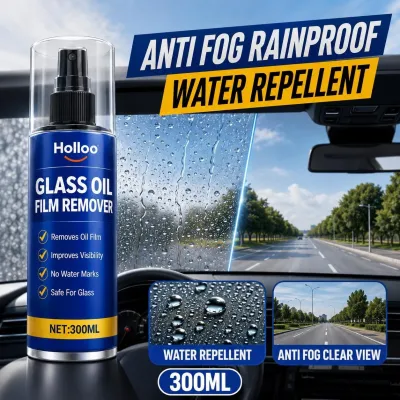
18 Lazada user ratings
hnd ko pa sya bagagamit e, siguro pag maulan na samin gagamitin ko na...saka ko e edit review ko.
I haven't tested it yet
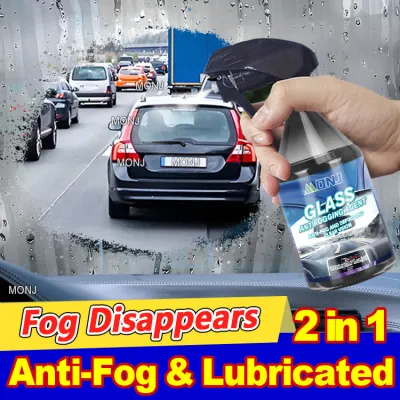
913 Lazada user ratings
Bilis nyang dumating tinanong ko din si seller kung pwede sya sa helmet and sabi naman nya pwede and maganda naman sya ilang spray lang gina…Read full reviewShow less
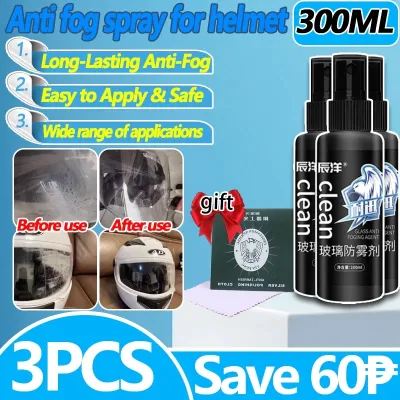
Bilis nyang dumating tinanong ko din si seller kung pwede sya sa helmet and sabi naman nya pwede and maganda naman sya ilang spray lang ginamit ko and tinest ko na sya makikita naman sa picture yung pag tapos ko sya gamitin anti fog talaga sya salamat ng madami seller and lazada.
👌Ease of Use:easy to spay, Leaves a clean and polished finish, No more foggy windows, High-quality anti-fog spray, 🔨Durability:yes 🔒Safety:g…Read full reviewShow less
👌Ease of Use:easy to spay, Leaves a clean and polished finish, No more foggy windows, High-quality anti-fog spray, 🔨Durability:yes 🔒Safety:good 💪Effectiveness:good
Tried it on my prescription eyeglasses and it’s not effective, will wait for the windshield result when the weather is humid.
Great for rainy days, Easy to apply and wipe off, A must-have for safe driving, Leaves a clean and polished finish,
i think it is not applicable to helmet visor as anti fog, i also tried to mirror and it appears somehow effective.
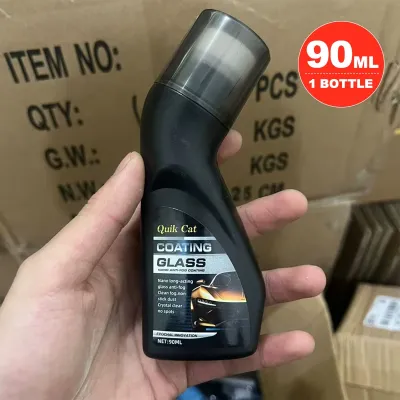
146 Lazada user ratings
👌Ease of Use:goods 🔨Durability:goods 🔒Safety:goods 💪Effectiveness:not good ✨Effectiveness:not good 💰Value for Money:affordable Durable mater…Read full reviewShow less
👌Ease of Use:goods 🔨Durability:goods 🔒Safety:goods 💪Effectiveness:not good ✨Effectiveness:not good 💰Value for Money:affordable Durable material, Perfect for car glass, Fast shipping service, Fast shipping service, Long-lasting water repellent,
Fast shipping service, Black color finish, Anti-fog for windscreen, Hydrophobic coating effect, Long-lasting water repellent, Perfect for ca…Read full reviewShow less
Fast shipping service, Black color finish, Anti-fog for windscreen, Hydrophobic coating effect, Long-lasting water repellent, Perfect for car glass, Excellent packaging,
Durable material, Fast shipping service, Long-lasting water repellent, Perfect for car glass, Hydrophobic coating effect, Black color finish…Read full reviewShow less
Durable material, Fast shipping service, Long-lasting water repellent, Perfect for car glass, Hydrophobic coating effect, Black color finish,
Hydrophobic coating effect, Good product quality, Durable material, Perfect for car glass, Easy to apply spray, Excellent packaging,
We're hoping this works well on our car windows and front and rear glass windshield
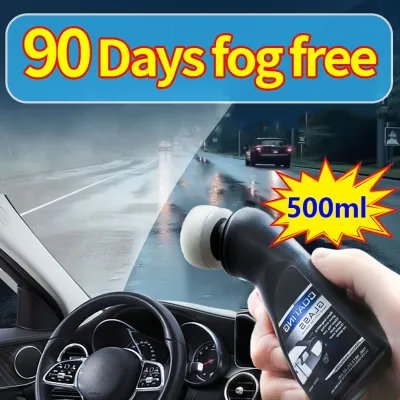
24 Lazada user ratings
Hindi kapani-paniwala! Ang anti-fog liquid na ito ay talagang pumipigil sa pag-ambon ng helmet visor ko pagkatapos gamitin.
Pinahiran ko ang windshield ng kotse ko, talagang epektibo ang anti-fog effect nito!
Mabilis ang pagpapadala, maayos ang pagkakabalot, at madaling gamitin.
Napakaganda ng kalidad ng produkto at tugma sa deskripsyon.
Epektibo talaga itong anti-fog coating!
100 Lazada user ratings
👜Portability: This product is a real game-changer! I absolutely love it. And guess what? The delivery was spot on, just like I had hoped. I’…Read full reviewShow less
👜Portability: This product is a real game-changer! I absolutely love it. And guess what? The delivery was spot on, just like I had hoped. I’m definitely going to be a repeat customer!
Paglabas ko ng aircon room papuntang mainit, nagfo-fog yung lens ko. Sandali lang pero nakakabother. Ito ginamit ko, hindi na nangyayari. An…Read full reviewShow less
Paglabas ko ng aircon room papuntang mainit, nagfo-fog yung lens ko. Sandali lang pero nakakabother. Ito ginamit ko, hindi na nangyayari. Ang saya!
Nagsusuot ako ng salamin at face mask, laging nagfo-fog yung lens. Nakakainis, hindi ako makakita ng maayos. Ito ginamit ko, wala nang fog! …Read full reviewShow less
Nagsusuot ako ng salamin at face mask, laging nagfo-fog yung lens. Nakakainis, hindi ako makakita ng maayos. Ito ginamit ko, wala nang fog! Sulit.
Very good, the mist disappears very quickly when blown, and it lasts for a long time. It can be used for a long time
Works great, no fog on glasses when wearing mask.
2,099 Lazada user ratings
The products i received was quite from the original, but the 2pieces refill liquid together with the product seems was been scrutenized. it …Read full reviewShow less
The products i received was quite from the original, but the 2pieces refill liquid together with the product seems was been scrutenized. it was with different substances, 1 bottle seems original but the other was been FAKE. Please see the PHOTOS!!
na recieved ko na pero di ko pa nasubokan. sana effective. mag update na lng ako kung hindi maganda, pero kung ok, ito na yong review ko. sa…Read full reviewShow less
na recieved ko na pero di ko pa nasubokan. sana effective. mag update na lng ako kung hindi maganda, pero kung ok, ito na yong review ko. salamat seller at lazada
Enhances glass durability, Sodium citrate formula, Water-resistant glass protection, Long-lasting clarity on windshield,
so far so good, it does its job, will test other stuff to compare on a similar product on the similar price rage
It is a glass cleaner indeed. its amazing. I will buy it again. see the other bottle, I used it all up already
Prices are valid at publication and may change. Please refer to the product page for the latest price.
Toothpaste presents an entirely different, physical hazard to window tint due to its abrasive nature. Toothpastes are formulated with micro-abrasives such as hydrated silica, calcium carbonate, or dicalcium phosphate, which are designed to polish tooth enamel. When rubbed onto a soft polyester window film, these microscopic particles act like fine-grit sandpaper. Even a gentle application with a soft cloth can create thousands of microscopic scratches across the surface of the tint. While these scratches might not be immediately obvious in low light, they become highly visible under direct sunlight or the glare of oncoming headlights at night. This micro-scratching permanently ruins the optical clarity of the window, creating a dangerous haze that scatters light and severely compromises your driving visibility.
Furthermore, the physical structure of window tint makes it far more sensitive to moisture and chemical entrapment than bare glass. Bare glass is non-porous and highly chemically inert, allowing it to tolerate a wide variety of household cleaners without structural damage. Window tint, however, is a semi-permeable plastic barrier. When you apply a thick, pasty substance like toothpaste or a highly liquid acid like vinegar, you risk trapping these substances along the edges of the film where the glass meets the window seals. Once trapped, these residues continue to corrode the adhesive and film layers over time, even after you believe you have wiped the surface clean.
How Can You Verify If Your Tint Manufacturer Approves Household Cleaners?
You can verify if your window tint manufacturer approves the use of household cleaners by reviewing the official care guidelines, warranty documentation, or by consulting your professional installation shop directly. Because different tint technologies—such as dyed, metalized, carbon, or ceramic films—use distinct chemical compositions, there is no single rule for what is safe, making manufacturer-specific instructions your most reliable resource.

To begin your verification, locate the warranty card or care sheet provided by your installer at the time of the tint application. Reputable window film manufacturers package their products with explicit care instructions that detail how long to wait before rolling down the windows, how to clean the film, and what chemical agents to avoid. If you have misplaced these physical documents, you can often find digital care guides on the manufacturer’s official website by searching for the specific film series installed on your vehicle.
When reviewing the manufacturer’s documentation, pay close attention to the list of prohibited ingredients and tools. Almost all window tint manufacturers explicitly forbid the use of ammonia, strong acids, industrial solvents, and abrasive scrubbing pads. Ammonia and acids are notorious for breaking down the polyester structure and dissolving the adhesives used in automotive films. If a care guide states that only “ammonia-free, non-acidic, and non-abrasive” cleaners are acceptable, you can safely assume that DIY solutions containing vinegar or toothpaste are strictly prohibited.
Understanding the warranty implications is another crucial step in this verification process. Applying unapproved household chemicals or DIY anti-fog treatments to your window film will almost certainly void the manufacturer’s product warranty and the installer’s service guarantee. If the film begins to bubble, peel, or discolor after you apply a DIY solution, you will be responsible for the entire cost of professional removal and re-installation, which can range from ₱3,000 to over ₱15,000 in the Philippines depending on the size of your vehicle and the quality of the film.
If you are still uncertain about the compatibility of a specific product, the safest course of action is to contact the professional shop that performed the installation. The technicians can look up your vehicle’s service record, identify the exact brand and model of the film applied, and recommend a safe, commercially formulated anti-fog or cleaning product that will not compromise your warranty or the integrity of the tint.
What Are the Early Warning Signs of Tint Damage from DIY Solutions?
The early warning signs of tint damage from DIY solutions include visual changes like hazing and discoloration, physical changes such as bubbling and peeling, and alterations to the surface texture of the film. Recognizing these indicators early allows you to halt the damaging treatment immediately, potentially saving the film from complete failure and avoiding an expensive replacement.
Visual indicators are often the first signs that a DIY anti-fog treatment is chemically reacting with your window tint. You may notice a persistent cloudiness, milkiness, or hazing across the glass that does not disappear when wiped with a dry cloth. This haze occurs when the chemical structure of the film’s top coat begins to break down, scattering light instead of letting it pass through cleanly. Another common visual sign is uneven discoloration; if your tint starts to develop a purple, blue, or yellowish cast in the areas where the DIY solution was applied, the dyes within the polyester layers are undergoing chemical degradation.
Physical changes to the film indicate that the underlying adhesive has been compromised by the DIY solution. Look closely at the edges of the window and around the defroster lines for the formation of tiny bubbles or pockets of air. This happens when acidic solutions like vinegar seep under the film and dissolve the adhesive bond, allowing air and moisture to collect. You may also observe the film starting to peel or curl away from the glass at the corners. If you touch the edges of the window and feel a sticky, tacky residue, it is a clear sign that the adhesive is liquefying and migrating out from under the film.
Surface texture changes are a direct result of physical abrasion, most commonly caused by the micro-abrasives in toothpaste. To check for this damage, park your vehicle in direct sunlight or shine a bright flashlight directly at the window from the inside. Inspect the surface closely for fine, spiderweb-like scratches running in the direction of your wiping motion. You can also gently run a clean, dry fingertip over the film; a healthy tint should feel perfectly smooth and slick, whereas a damaged tint will feel slightly rough, dry, or drag against your skin.
If you observe any of these warning signs, you must stop using the DIY anti-fog treatment immediately. To mitigate further damage, gently wipe the window with a clean, soft microfiber cloth dampened with plain, lukewarm water to neutralize and remove any remaining chemical residue. Avoid rolling the window down, as the weakened adhesive or peeling edges can catch on the window seals, tearing the film and causing immediate, irreparable damage.
What Are Safer Alternatives to DIY Anti Fog Treatments for Tinted Windows?
Safer alternatives to DIY anti-fog treatments include using commercially formulated, tint-safe anti-fog sprays, maintaining clean glass with proper microfiber cloths, and utilizing your vehicle’s built-in climate control systems. These methods effectively prevent condensation from forming on your windows without risking chemical damage, physical scratching, or voiding your window tint warranty.
When shopping for commercial anti-fog products, always select formulas that are explicitly labeled as “tint-safe” or “safe for aftermarket window films.” These specialized products are engineered without harsh solvents, ammonia, or acids, ensuring they will not degrade the polyester layers or dissolve the mounting adhesives. Before applying any new product to your entire window, perform a spot test on a small, inconspicuous area of the tint, such as the bottom corner of a rear side window. Apply a tiny amount, let it sit for the recommended time, and check for any signs of hazing or discoloration before proceeding with a full application.
Proper cleaning techniques are highly effective at reducing fogging naturally, as moisture requires microscopic dust particles, oils, and residues to cling to the glass. Keeping your tinted windows clean minimizes the surface area available for condensation to form. Always use a clean, high-quality microfiber cloth specifically designated for glass cleaning, as dirty cloths can transfer oils or trap abrasive dirt that scratches the film. Pair the cloth with a dedicated, ammonia-free glass cleaner that is approved for tinted windows, and wipe gently in straight, overlapping lines rather than circular motions to minimize friction.
Your vehicle’s built-in climate control system is the most reliable and completely risk-free tool for managing window fog. When condensation forms on the inside of your windows, it is caused by a temperature and humidity differential between the cabin air and the cold glass outside. To clear this quickly, turn on your car’s air conditioning (AC) and set it to the defroster mode. The AC compressor acts as a powerful dehumidifier, stripping moisture from the cabin air. Ensure that the system is set to pull in fresh outside air rather than recirculating the humid air inside the cabin, which only traps moisture from your breath and worsens the fogging.
For a more permanent, low-maintenance solution, you can consult a certified window tint installer about professional-grade anti-fog coatings or specialized films. Some high-end ceramic and multi-layered films feature advanced hydrophilic properties that naturally resist fogging by spreading moisture into an invisible, microscopic sheet rather than allowing it to bead into fog. While these professional options require an upfront investment, they provide long-lasting clarity and peace of mind, ensuring your tinted windows remain protected and your driving vision stays perfectly clear in all weather conditions.

Community discussion
Share your experience or ask a question. Comments are reviewed before publication.