
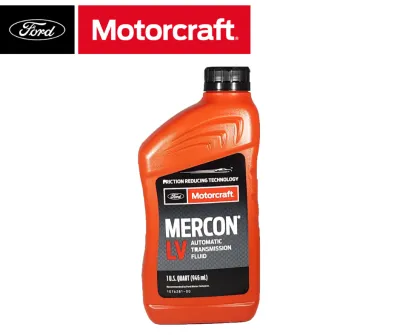
Yes, Ford Motorcraft ATF LV is the correct transmission fluid for your vehicle, but only if your specific model and year explicitly require a fluid meeting the MERCON LV specification. It is not a universal fluid that fits every Ford vehicle ever made. Pouring this fluid into a transmission designed for an older or newer standard can lead to immediate shifting issues and long-term mechanical wear.
To protect your vehicle’s transmission, you must verify your specific model year, engine configuration, and transmission type before purchasing. The definitive answer always lies within your vehicle’s official documentation. Let’s look at exactly how to confirm this compatibility and why using the correct fluid is vital for your car’s longevity.
How to Verify if ATF LV is Correct for Your Specific Ford
Confirming whether your vehicle requires Ford Motorcraft ATF LV is a straightforward process, but it requires consulting official sources rather than relying on general online forum advice. The most reliable starting point is your vehicle’s Owner’s Manual. Under the “Capacities and Specifications” or “Maintenance” section, you will find a detailed table listing the exact transmission fluid specification required for your specific powertrain. Look specifically for the term “MERCON LV,” which is the specification that Ford Motorcraft ATF LV is formulated to meet.
Products mentioned in this guide
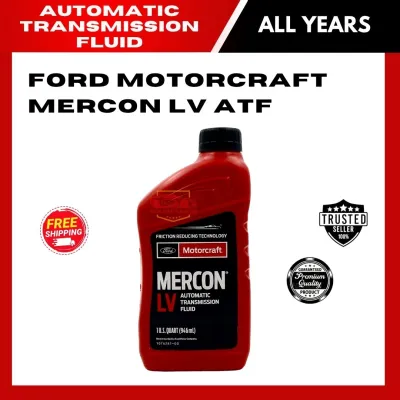
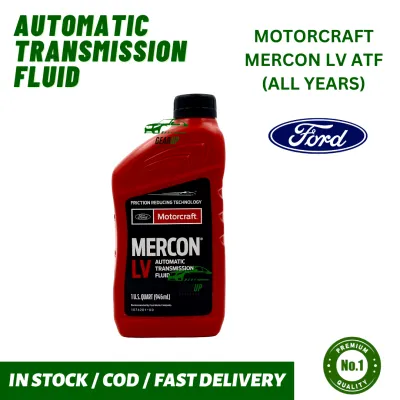
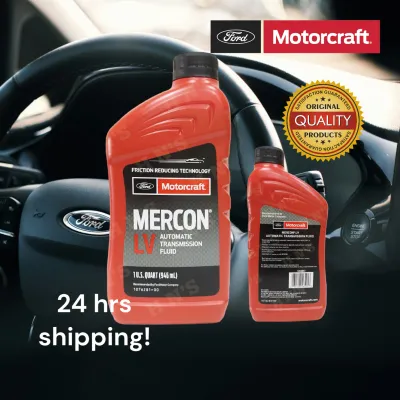
Prices are valid at publication and may change. Please refer to the product page for the latest price.
If you do not have the physical manual, you can often find the required specification directly on the vehicle itself. Open the hood and locate the transmission dipstick, if your vehicle is equipped with one. The handle of the dipstick or the metal shaft itself is often stamped with the required fluid specification, such as “MERCON LV.” For sealed transmissions without a traditional dipstick, the fluid type is sometimes printed on the transmission fill plug or a nearby label under the chassis. Always clean the area before inspecting to prevent dirt from entering the system.
When physical indicators are missing or illegible, your Vehicle Identification Number (VIN) is the ultimate tool for verification. You can call the service department of your local Ford dealership in the Philippines and provide them with your 17-digit VIN. The dealership staff can access the official factory build sheet to tell you precisely which transmission fluid was installed at the factory. This step is highly recommended if your vehicle was manufactured during a transition year when Ford switched transmission designs.
You can also utilize official online parts catalogs provided by Ford or reputable automotive distributors. By entering your vehicle’s year, model, and engine size, these databases can cross-reference the correct fluid type. However, if you find any conflicting information between online catalogs and your physical Owner’s Manual, always prioritize the manufacturer’s manual or direct confirmation from an authorized Ford technician.
What Happens if You Use the Wrong Transmission Fluid?
Modern transmissions are highly complex systems engineered with precise tolerances, specific clutch material compositions, and distinct hydraulic operating pressures. Ford Motorcraft ATF LV is a low-viscosity fluid designed to reduce internal friction and improve fuel efficiency in compatible gearboxes. If you put this low-viscosity fluid into an older transmission designed for a high-viscosity fluid like MERCON V, the fluid film may be too thin to protect the gears under load. This can result in rapid mechanical wear, excessive heat generation, and eventual gear failure.

Conversely, using a higher-viscosity fluid in a transmission designed specifically for MERCON LV can restrict fluid flow through the intricate valve body passages. This restriction leads to delayed or harsh shifting, clutch slippage, and a noticeable drop in fuel economy. In the tropical climate of the Philippines, where high ambient temperatures and heavy stop-and-go traffic already put extreme thermal stress on your vehicle, running the wrong fluid viscosity will accelerate transmission overheating and lead to catastrophic component failure.
Beyond physical damage, using an incorrect fluid specification carries severe financial consequences. If your vehicle is still covered by a manufacturer or dealership powertrain warranty, using a non-compliant transmission fluid will void your coverage. Transmission repairs or complete replacements are among the most expensive automotive services, easily costing tens of thousands of pesos. Always stop and purchase the exact specification required by your manual rather than risking a costly mistake.
If you plan to perform a transmission fluid change yourself, consult your vehicle’s factory service manual for safety precautions, proper lifting procedures, and torque specifications. Because incorrect fluid levels or improper sealing can lead to sudden transmission failure while driving, seeking qualified professional installation at an authorized service center is highly recommended if you lack the necessary tools or experience.
Rules for Topping Off and Mixing Ford Transmission Fluids
A common maintenance mistake is assuming that different generations of Ford transmission fluids can be mixed together. You should never mix MERCON LV with other specifications like MERCON V, MERCON ULV, or older Type F fluids. These formulations utilize entirely different chemical additive packages, friction modifiers, and base oil viscosities. Mixing them alters the overall physical properties of the fluid, which can cause foaming, accelerated oxidation, and unpredictable clutch engagement.
If your transmission fluid level is low and you need to top it off, you must use the exact same specification currently inside the transmission. If you are unsure of what fluid is currently in the system—which is common when purchasing a pre-owned vehicle—the safest course of action is to perform a complete transmission fluid exchange. Draining the old, unknown fluid and refilling the system with fresh, manual-specified Ford Motorcraft ATF LV ensures your transmission operates with consistent chemical properties.
While many aftermarket fluid brands market “multi-vehicle” or “universal” automatic transmission fluids, using genuine Motorcraft fluid is the safest path. Universal fluids rely on compromise formulations to cover a wide range of manufacturer specifications. Genuine Ford Motorcraft ATF LV is specifically engineered by the original equipment manufacturer (OEM) to match the exact friction coefficients and seal compatibilities of Ford gearboxes, ensuring maximum longevity and smooth operation.
Frequently Asked Questions (FAQ)
Is MERCON LV the same as MERCON V?
No, MERCON LV (Low Viscosity) and MERCON V are entirely different fluid specifications and are not interchangeable. MERCON LV has a lower viscosity designed for modern, tight-tolerance transmissions to improve efficiency, while MERCON V is a thicker fluid designed for older transmission architectures. Mixing or substituting these fluids can lead to severe shifting problems, clutch slippage, and permanent internal transmission damage.
How often should I change my Ford transmission fluid?
You should always consult your vehicle’s Owner’s Manual for the recommended service interval, as schedules vary widely by model year and transmission type. For vehicles operating under severe driving conditions—such as the high heat, humidity, and heavy traffic common in the Philippines—Ford often recommends shorter service intervals. Regular inspections of the fluid’s color and odor can also help determine if an early change is necessary to protect your transmission.
Community discussion
Share your experience or ask a question. Comments are reviewed before publication.