
Driving through a sudden tropical downpour in the Philippines can quickly reduce your windshield to a blurry sheet of water, making it incredibly difficult to see the road ahead. Hydrophobic windshield coatings offer a chemical solution to this seasonal hazard by altering how water interacts with glass. While these coatings significantly improve visibility and reaction times during heavy rains, they are not a magic cure-all that eliminates the need for windshield wipers. Understanding how these products perform under local climate conditions, traffic patterns, and intense heat will help you decide if the investment is truly worth it for your daily commute.
How Hydrophobic Coatings Improve Visibility in Heavy Rain
To understand how these coatings work, it helps to look at the microscopic structure of glass. Although a clean windshield looks and feels completely smooth, its surface is actually full of microscopic peaks and valleys. When rainwater hits untreated glass, it fills these valleys and spreads out flat, a characteristic known as being hydrophilic. This flat sheet of water acts like an irregular lens, bending and distorting the light that passes through it, which severely compromises your ability to distinguish road markings, pedestrians, and other vehicles.
Hydrophobic coatings change this dynamic by filling in those microscopic imperfections with an ultra-thin layer of hydrophobic polymers, typically silicone- or fluoropolymer-based compounds. This chemical barrier significantly increases the water contact angle on the glass surface, often raising it from a flat 15 degrees to over 100 degrees. Because the water cannot cling to the treated surface, surface tension forces the rainwater to bead up into tight, spherical droplets instead of spreading into a sheet.
Products mentioned in this guide
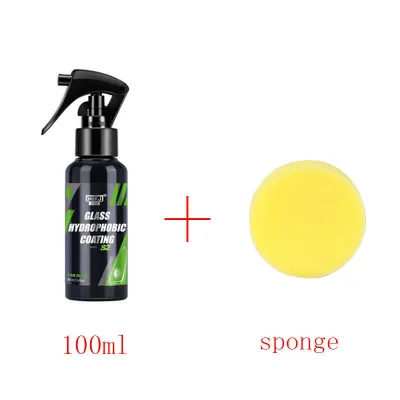
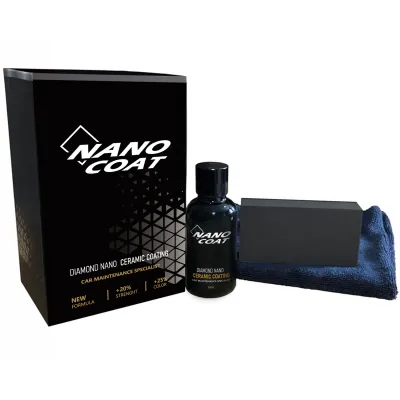
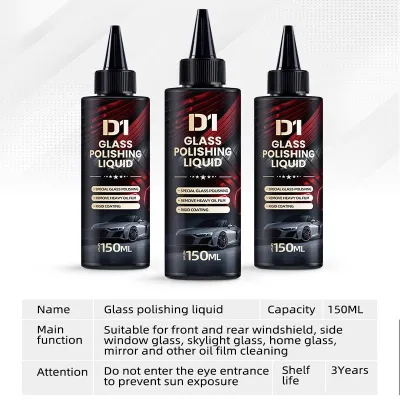
Prices are valid at publication and may change. Please refer to the product page for the latest price.
These spherical droplets leave a substantial portion of the glass dry and clear between the beads, drastically reducing optical distortion. Instead of looking through a moving sheet of water, your eyes can easily focus through the clear spaces between the beads. Furthermore, as your vehicle gains speed, the aerodynamic wind force flowing over the hood pushes these spherical beads up and off the windshield. At speeds typically exceeding 60 km/h, this natural roll-off effect can keep the glass remarkably clear even without constant wiper action, which is particularly beneficial when driving on expressways.
Practical Limitations During Typhoons and Low-Speed Driving
While the science behind water-repellent coatings is impressive, real-world driving conditions in the Philippines introduce several practical limitations. The most prominent of these is vehicle speed. In highly congested urban areas like Metro Manila, Metro Cebu, or Davao City, bumper-to-bumper traffic often keeps speeds well below the threshold required for aerodynamic roll-off. When your vehicle is stationary or crawling along at low speeds, there is simply not enough wind force to push the water beads off the glass. Consequently, the beads will accumulate on the windshield, requiring you to use your mechanical wipers just as you would on an untreated surface.

Another critical limitation involves night-time driving in wet conditions. When you are stuck in slow-moving traffic at night, the stationary water beads on your windshield can actually worsen visibility. Each tiny, spherical droplet acts as a miniature lens that refracts light from oncoming headlights, streetlights, and bright commercial signs. This refraction can create a distracting pattern of glare and halo effects across your field of vision, which can cause eye strain and make it harder to spot hazards. Operating your wipers is necessary to clear these beads and restore a flat, clear view.
Furthermore, extreme weather events like typhoons present conditions that can easily overwhelm any hydrophobic layer. During a severe tropical storm, the sheer volume of wind-driven rain, combined with road spray, mud, and flying debris, requires the continuous mechanical action of your wiper blades. A hydrophobic coating should never be viewed as a total replacement for functional wipers or cautious driving habits during severe weather. Instead, it serves as a supportive safety measure that makes it easier for your wipers to clear the glass quickly and cleanly.
Durability and Cost Factors in a Tropical Climate
The tropical climate of the Philippines presents a harsh environment for any exterior automotive treatment. High ambient temperatures and intense ultraviolet (UV) radiation from the sun can accelerate the chemical breakdown of polymer-based coatings. A product that might remain effective for up to a year in milder, temperate climates may only last three to six months when subjected to daily tropical sun exposure. The intense heat causes the chemical bonds of the coating to degrade more rapidly, gradually reducing its water-beading efficiency.
In addition to weather, physical wear and tear plays a major role in the lifespan of the coating. The rainy season brings not just water, but also road grime, volcanic ash, and abrasive dust onto your windshield. When your wiper blades sweep across a dirty windshield, the friction acts like fine sandpaper, physically wearing down the hydrophobic layer over time. Regular car washing can also impact durability. If you use aggressive, high-pH detergents or automated car washes, the harsh chemicals can strip the coating prematurely, necessitating more frequent reapplications.
When evaluating the financial aspect, you must choose between professional application and do-it-yourself (DIY) kits. Professional ceramic or silica-based glass coatings applied by detailing shops typically range from ₱2,000 to ₱8,000. These professional services often include intensive machine polishing to ensure a strong bond, and the coatings used are generally more durable, sometimes lasting up to a year. Conversely, consumer DIY spray or liquid kits are widely available on online marketplaces and auto supply shops, generally costing between ₱300 and ₱1,500. While DIY options are highly affordable, they require regular manual application and meticulous surface preparation to achieve satisfactory results.
Proper Preparation and Maintenance for Maximum Lifespan
The longevity and performance of any hydrophobic coating depend almost entirely on how well it bonds to the glass. Applying a water-repellent treatment directly over road film, water spots, or old wax will cause the coating to fail within weeks. To ensure a proper chemical bond, the glass must undergo a thorough deep-cleaning process. Start by washing the windshield with a dedicated automotive shampoo to remove loose dirt. Next, use an automotive clay bar along with a suitable lubricant to pull out embedded contaminants like tree sap, industrial fallout, and overspray.
After claying, it is highly recommended to use a glass polish or cerium oxide compound to strip away stubborn water spots and mineral deposits. This step restores the glass to a pristine, bare state. Once polishing is complete, wipe down the entire windshield with an isopropyl alcohol (IPA) solution or a dedicated panel prep spray to remove any remaining polishing oils or residues. Always check the product label of your chosen coating to ensure it is safe for your specific glass type and avoid letting the product contact paint, plastic trim, or camera sensors near the rearview mirror.
Curing is another critical step that is often compromised in humid tropical environments. Most high-quality coatings require several hours of dry, moisture-free conditions to cure and bond properly. Applying the product outdoors during a humid afternoon or right before a sudden rain shower will severely degrade its performance. For optimal results, apply the coating in a shaded, well-ventilated garage and allow it to cure overnight, or for the exact duration specified by the manufacturer, before exposing the vehicle to moisture. To maintain the coating, wash your windshield using pH-neutral car shampoos and clean microfiber towels, avoiding harsh household glass cleaners that contain ammonia.
Deciding If It Is the Right Upgrade for Your Driving Routine
To determine if a hydrophobic windshield coating is worth the investment, you should assess your daily driving habits and typical routes. If your commute primarily involves high-speed highway driving on expressways, a hydrophobic coating is highly beneficial. The wind force at highway speeds will keep your windshield clear, reducing eye strain and significantly improving safety during sudden downpours. However, if your driving is strictly limited to slow, congested city streets, the benefits are less pronounced, though the coating still helps your wipers clear water more efficiently.
It is also crucial to pair your hydrophobic coating with high-quality, clean wiper blades. Stiff, degraded, or dirty wiper blades can chatter across a treated windshield, causing annoying squeaking sounds and physically scraping off the coating. Before applying the treatment, inspect your wiper blades; if they are cracked, stiff, or leaving streaks, replace them with fresh rubber or silicone blades. Silicone wiper blades are particularly compatible with hydrophobic coatings, as they naturally deposit a thin layer of silicone on the glass over time, helping to maintain the water-repellent effect.
To make your final decision, weigh the safety benefits against the maintenance effort and overall cost. If you are willing to invest the time in proper glass preparation and routine maintenance, or if you frequently drive on expressways during the rainy season, a hydrophobic coating is an exceptionally valuable safety upgrade. If you prefer a low-maintenance vehicle and rarely drive at high speeds in the rain, investing in premium wiper blades alone may be the more practical and cost-effective choice.
Frequently Asked Questions (FAQ)
Can I apply hydrophobic coating to side windows and mirrors? (FAQ)
Yes, applying a water-repellent treatment to side windows and side mirrors is highly recommended. While these surfaces do not experience the same direct wind force as the windshield, the coating prevents water from pooling and forming sheets. This makes it much easier to check your side mirrors and perform safe lane changes during heavy rain. Always check the product label to ensure compatibility with your specific mirror glass, especially if your vehicle features heated or auto-dimming side mirrors, as some chemical formulas can damage specialized coatings or plastics.
Does a water-repellent coating replace the need for new wiper blades? (FAQ)
No, a hydrophobic coating is designed to complement your wiper blades, not replace them. Wipers are still essential for clearing heavy mud, road spray, and water accumulation at low speeds. In fact, using old, worn-out wiper blades on a treated windshield can cause severe streaking and rapidly degrade the coating. For the safest driving experience, inspect and replace your wiper blades regularly, ensuring they are clean and free of debris before operating them on a treated windshield.

Community discussion
Share your experience or ask a question. Comments are reviewed before publication.