
Driving with a damaged or broken brake return spring is highly dangerous and poses an immediate threat to your safety, your passengers, and other road users. When this small but critical component fails, your braking system loses its ability to disengage. The resulting constant friction generates intense heat within minutes, leading to rapid brake failure, severe mechanical damage, and a potential loss of vehicle control.
If you suspect your brake return spring has failed, do not attempt to drive your car even a short distance. The safest course of action is to pull over immediately, park the vehicle safely, and arrange for a professional tow truck to transport it to a certified service center. Attempting to drive to a workshop with a compromised brake assembly risks catastrophic failure or a wheel-well fire.
The Role of the Brake Return Spring in Your Braking System
To appreciate the danger of a broken brake return spring, it helps to understand how drum brake systems operate. While most modern vehicles feature disc brakes on the front wheels, many passenger cars, pickup trucks, and sports utility vehicles (SUVs) in the Philippines utilize drum brakes on the rear axle. Additionally, some vehicles equipped with rear disc brakes use a miniature drum brake system inside the rotor hat specifically to operate the parking brake.
Products mentioned in this guide
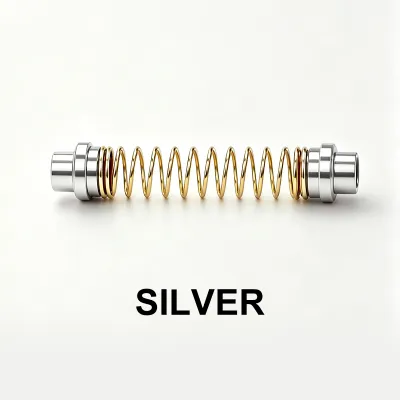
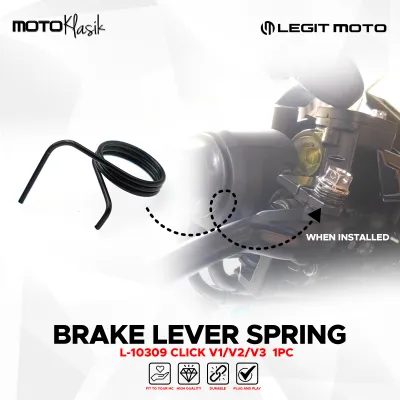
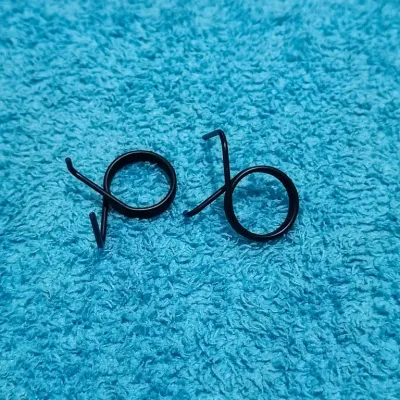
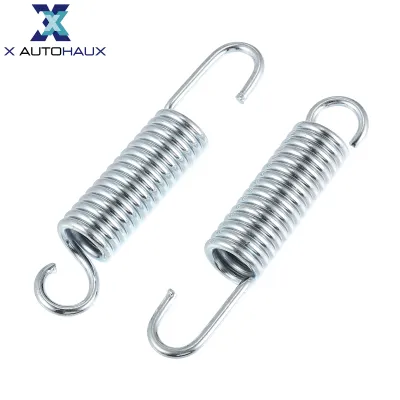
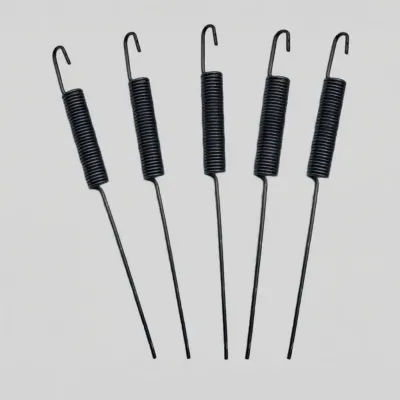
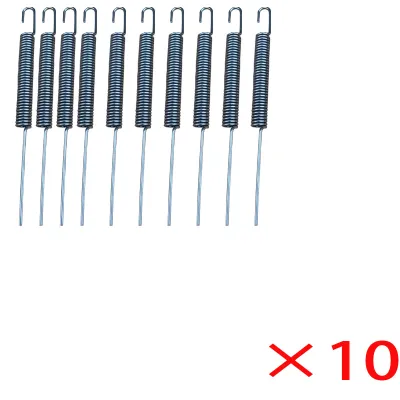
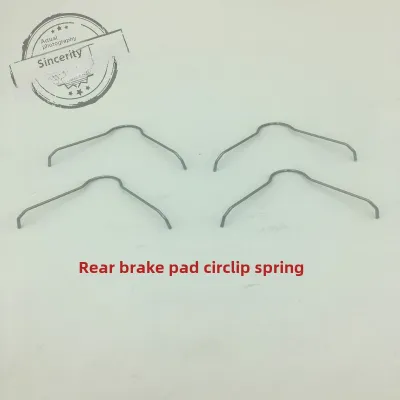
Prices are valid at publication and may change. Please refer to the product page for the latest price.
Within a drum brake assembly, the primary stopping power comes from the brake shoes. When you press the brake pedal, hydraulic pressure forces the pistons inside the wheel cylinder outward. This action pushes the brake shoes against the inner surface of the spinning brake drum, creating the friction necessary to slow down and stop your vehicle.
The brake return spring—often consisting of a primary and secondary spring set—is the mechanical force responsible for reversing this process. When you release the brake pedal, hydraulic pressure drops. However, there is no hydraulic force to pull the shoes back. Instead, the heavy-duty return springs pull the brake shoes away from the drum and back to their resting position.
Without these springs functioning correctly, the brake shoes remain in constant, forceful contact with the rotating drum. This constant contact means the brakes are continuously applied on that wheel, even when your foot is completely off the pedal. The spring must be manufactured to precise tension and dimensional specifications to handle millions of expansion and contraction cycles over its lifespan. Over time, exposure to moisture, road debris, and extreme operating temperatures can cause the metal to fatigue, rust, and eventually snap.
Critical Safety Risks of Ignoring a Broken Return Spring
Ignoring a broken return spring is not a minor maintenance delay; it is a recipe for catastrophic failure. The consequences of driving with a dragging brake shoe escalate rapidly, presenting several severe safety hazards.

Brake Drag and Overheating
The constant friction between the dragging brake shoe and the drum generates immense thermal energy. In the tropical climate of the Philippines, where ambient temperatures are already high, this heat buildup is accelerated. The temperature inside the drum can quickly exceed several hundred degrees Celsius. This extreme heat causes the brake drum to expand and warp, leading to severe pedal pulsations, structural distortion, and permanent damage to the wheel hub assembly.
Brake Fade and Total Hydraulic Failure
As the braking components overheat, they reach a state known as brake fade. The friction material on the brake shoes loses its ability to grip the hot metal drum, causing a drastic reduction in stopping power. More critically, this extreme heat transfers directly to the wheel cylinder and the brake fluid. If the brake fluid reaches its boiling point, it creates gas bubbles within the hydraulic lines. Because gas is compressible while liquid is not, pressing the brake pedal will simply compress the gas bubbles rather than applying force to the brakes, resulting in a spongy pedal and total hydraulic brake failure.
Wheel-Well Fire Hazard
The combination of extreme heat, friction, and flammable materials creates a highly dangerous fire risk. The heat generated by a dragging brake can ignite the grease lubricating the wheel bearings, the rubber seals on the wheel cylinder, accumulated brake dust, or nearby plastic fender liners. In extreme cases, the heat can transfer to the tire itself, causing a blowout or a full-scale vehicle fire that is incredibly difficult to extinguish.
Vehicle Pulling and Loss of Control
A broken return spring typically affects only one wheel. This creates a severe braking imbalance across the axle. Because one wheel is constantly braking, the vehicle will pull sharply toward that side, especially when you lift off the accelerator. This pulling effect becomes extremely dangerous at highway speeds on expressways or during heavy downpours when roads are slick. The uneven traction can easily cause the vehicle to spin out or drift into adjacent lanes.
Catastrophic Component Wear and Damage
Allowing the brake shoe to drag will wear down the friction material within a matter of kilometers. Once the friction lining is completely gone, the metal backing plate of the shoe will grind directly against the cast iron brake drum. This metal-on-metal contact scores deep grooves into the drum, ruining it completely. The intense heat also melts the protective grease inside the wheel bearings, leading to premature bearing failure, and destroys the rubber seals of the wheel cylinder, causing expensive brake fluid leaks.
Warning Signs That Your Brake Return Spring Has Failed
Recognizing the symptoms of a broken brake return spring early can prevent a dangerous accident and save you from costly secondary repairs. Watch, listen, and feel for these common warning signs while operating your vehicle.
Unusual Scraping or Grinding Noises
One of the first indicators of a failed return spring is a continuous metallic noise coming from the rear wheels. This can sound like a constant scraping, squealing, or grinding that persists even when your foot is completely off the brake pedal. If the spring has snapped completely, you may also hear a loud, irregular clunking or rattling sound inside the wheel assembly as the broken metal fragments bounce around the spinning drum.
Acrid Burning Smells and Smoke
Overheating brake friction material produces a highly distinct, pungent, chemical odor. If you step out of your vehicle after driving and smell an acrid, burning scent near one of the rear wheels, your brakes are dragging. In advanced stages of overheating, you may see visible white or grey smoke billowing out from behind the wheel rim.
Spongy Brake Pedal and Loose Parking Brake
If the return spring is broken, the hydraulic system must work harder to bridge the gap, or the boiling fluid may introduce air into the lines. This results in a brake pedal that feels soft, spongy, or sinks unusually low to the floorboard. If the broken spring belongs to your parking brake mechanism, you may notice that the handbrake lever feels loose, has excessive play, or fails to hold your vehicle in place when parked on an incline.
Radiating Wheel Heat
After a short drive, a dragging brake will make the affected wheel extremely hot. Without touching the bare metal components directly—which can cause severe contact burns—carefully place your hand a few inches away from the wheel rim or hub. If you feel intense heat radiating from one specific wheel compared to the others, the brake shoes on that side are failing to retract.
Steering Pull and Acceleration Resistance
If your vehicle feels sluggish, as if you are driving with the parking brake partially engaged, or if the steering wheel pulls to one side when you release the accelerator, a dragging brake is likely responsible. The constant drag acts as an anchor on one corner of the vehicle, disrupting steering stability and significantly reducing your fuel efficiency.
Immediate Steps to Take If You Suspect a Broken Spring
If you experience any of the warning signs of a broken brake return spring, you must prioritize safety and take immediate, systematic action to protect yourself and your vehicle.
Pull Over to a Safe Location
As soon as you suspect a brake issue, signal your intentions and gradually reduce your speed. Avoid heavy, abrupt braking, as the uneven braking forces could cause the vehicle to pull sharply or spin. Guide your vehicle to a flat, safe shoulder, parking lot, or service bay well away from active traffic lanes.
Secure the Vehicle Safely
Once stopped, park on level ground. If you suspect the rear return spring or parking brake mechanism is broken, avoid relying solely on the handbrake, as it may fail to hold or lock up permanently. Instead, place the transmission in Park (for automatics) or in gear (for manuals). If available, place wheel chocks, wooden blocks, or heavy stones behind the tires to prevent the vehicle from rolling.
Do Not Attempt to Drive to a Shop
It is highly dangerous to attempt to drive a vehicle with a dragging brake to a mechanic, even if the workshop is nearby. The thermal buildup is cumulative and rapid; within just a few kilometers, you risk losing all braking capability or starting a fire.
Arrange for a Professional Tow
The only safe method to transport your vehicle is on a flatbed tow truck. Requesting a flatbed ensures that the wheels are not spinning on the pavement during transport, preventing further frictional heat and mechanical destruction to the compromised brake assembly.
Request a Comprehensive Brake Inspection
When your vehicle arrives at the repair shop, instruct the technician to perform a complete inspection of the entire brake assembly on the affected axle. Do not simply replace the broken spring. The mechanic must verify the condition of the brake shoes, drums, wheel cylinders, and mounting hardware, as the extreme heat and friction likely caused collateral damage that must be addressed to restore road legality and safety. Always consult your vehicle’s factory service manual to verify the exact specifications, mounting positions, and color-coded tension ratings of your brake return springs, as compatibility varies significantly by vehicle model and year. Because braking systems are critical safety assemblies, any disassembly, hardware replacement, or adjustment must be performed by a qualified professional mechanic.
Frequently Asked Questions (FAQ)
Can I drive a short distance to the nearest mechanic with a broken brake spring?
No, you should not drive even a short distance with a broken brake return spring. Within just a few minutes of driving, the continuous friction from a dragging brake shoe can generate enough heat to boil your brake fluid or cause severe brake fade. This means you could suddenly lose all stopping power when approaching an intersection or navigating traffic. To protect yourself, your passengers, and other road users, always choose a professional tow service rather than risking a drive.
How much does it typically cost to replace a brake return spring in the Philippines?
The brake return spring itself is a highly affordable hardware component, typically costing between ₱150 and ₱500 for a replacement spring kit. However, the total repair bill in the Philippines will vary based on labor charges—which generally range from ₱500 to ₱1,500 depending on the shop—and whether the dragging brake has caused collateral damage. If the heat has warped the brake drum or ruined the brake shoes, you may need to replace those parts as well, which can increase the total cost to ₱3,000 or more. Always verify vehicle compatibility and use high-quality replacement parts that match your vehicle’s original technical specifications.
Do standard disc brakes use return springs?
Standard hydraulic disc brakes do not use heavy mechanical return springs to pull the brake pads away from the rotor. Instead, they rely on the natural elastic deformation of the rubber piston seal inside the brake caliper. When you release the brake pedal, this seal flexes back to its original shape, retracting the piston and pads a fraction of a millimeter. However, drum brakes and the mechanical parking brake systems integrated into rear disc brakes rely heavily on return springs to function correctly.
Community discussion
Share your experience or ask a question. Comments are reviewed before publication.