
Quick Answer: Verifying Coolant Suitability for High Temperatures
Determining whether Nissan blue coolant is suitable for the tropical climate of the Philippines requires looking beyond the color of the fluid. While blue coolant is widely utilized in modern vehicles, its performance in high ambient temperatures depends on verifying specific technical parameters rather than relying on visual identification alone. To establish suitability, you must check the product label for the stated boiling point under pressure and confirm that the fluid carries the exact original equipment manufacturer (OEM) approval codes required for your engine.
Your vehicle’s owner’s manual serves as the ultimate authority on whether this specific chemical formulation matches your engine’s metallurgy. A cooling system’s real-world efficiency in tropical heat relies heavily on correct dilution ratios and the mechanical integrity of the entire system. Before purchasing or installing any fluid, verify that the product specifications align with your vehicle manufacturer’s guidelines to ensure adequate thermal protection.
How Tropical Heat Affects Engine Cooling Systems
The consistently high ambient temperatures in the Philippines place immense stress on automotive cooling systems. During the dry season, road surface temperatures can soar, and when combined with dense, stop-and-go traffic in urban centers, your engine operates under extreme thermal loads. Without sufficient airflow through the radiator grill, the cooling system must rely entirely on the heat-rejection capacity of the fluid and the mechanical operation of the cooling fans.
Products mentioned in this guide
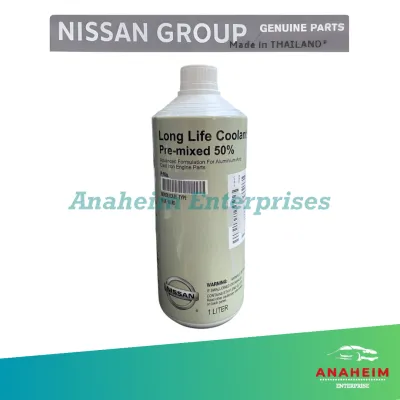
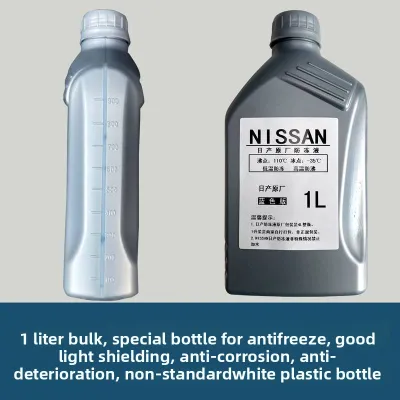
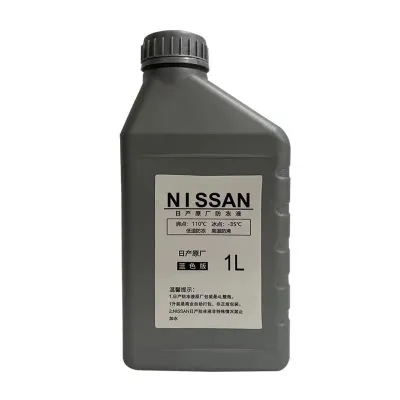
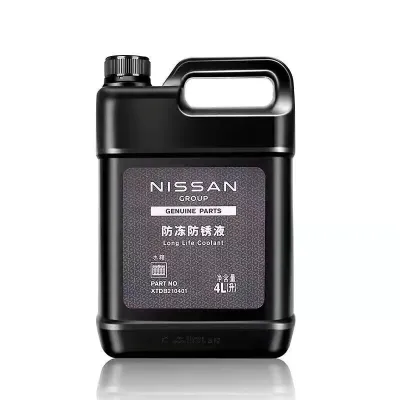
Prices are valid at publication and may change. Please refer to the product page for the latest price.

Under these demanding conditions, the cooling system’s pressure cap plays a critical role. By sealing the system, the cap allows pressure to build as the fluid heats up, which physically raises the boiling point of the coolant mixture. If the coolant’s boiling point is too low, or if the pressure cap fails to maintain the correct seal, the fluid can vaporize. Vapor pockets cannot transfer heat away from metal engine components, leading to rapid localized overheating and severe cylinder head damage.
Sustained high operating temperatures also accelerate the chemical breakdown of the fluid’s protective additives. Corrosion inhibitors prevent the formation of rust and scale inside the radiator’s narrow passages and the engine block’s water jackets. In tropical climates, this chemical degradation occurs more rapidly, making the selection of a high-quality fluid with robust thermal stability essential for preventing scale buildup and maintaining efficient heat transfer over time.
Reading the Label: What to Check on Nissan Blue Coolant
When evaluating Nissan blue coolant, you must carefully inspect the packaging to verify its specifications against your driving demands. Look for specific OEM standard codes printed on the bottle, such as Nissan L250 or L255 specifications, which indicate the chemical composition is designed for specific aluminum alloy engines. Do not assume that any blue-colored fluid on the shelf shares these exact properties, as color is merely a dye added by manufacturers.
Pay close attention to whether the product is sold as a pre-mixed formula or a concentrate. Pre-mixed formulas, typically blended at a 50/50 ratio, are designed to be poured directly into the cooling system without the addition of water. Adding water to a pre-mixed coolant dilutes the active corrosion inhibitors and lowers the boiling point, compromising its effectiveness in hot weather.
If you purchase a concentrated formula, you must dilute it according to the manufacturer’s instructions using distilled water. Never use tap water, as it contains dissolved minerals like calcium and magnesium. Under the intense heat of engine operation, these minerals precipitate out of the solution, forming a hard scale layer inside the radiator tubes that restricts coolant flow and insulates the engine, trapping heat inside.
Before finalizing your purchase, inspect the physical bottle for an intact tamper-evident seal and locate the manufacturing date. Coolant that has been stored in unconditioned, high-humidity environments for extended periods can suffer from degraded packaging or compromised chemical stabilizers. Choosing fresh, sealed fluid ensures that the corrosion inhibitors are fully active and ready to protect your engine.
Safe Handling, Flushing, and Maintenance in Hot Weather
Working on an automotive cooling system carries significant safety risks that require strict adherence to precautionary protocols. Never attempt to open the radiator cap or the coolant reservoir cap while the engine is hot or warm. The cooling system operates under high pressure, and opening it prematurely can cause boiling liquid and pressurized steam to spray out, resulting in severe burn injuries. Always allow the vehicle to sit undisturbed for several hours until the engine block and radiator are completely cool to the touch.
If you are transitioning your vehicle to Nissan blue coolant from a different formulation, or if the existing fluid shows signs of contamination, a complete system flush is necessary. Simply draining the radiator leaves a substantial volume of old fluid inside the engine block and heater core. Mixing different coolant chemistries, such as inorganic acid technology (IAT) with organic acid technology (OAT), can trigger a chemical reaction that forms a thick, gelatinous sludge. This sludge blocks coolant passages, restricts flow, and can cause catastrophic engine overheating.
For those inexperienced with cooling system flushes, seeking qualified professional installation is highly recommended to ensure the system is completely purged and bled of air pockets. Air trapped within the cooling system can create localized hot spots, leading to warped cylinder heads or blown head gaskets. Additionally, used coolant is highly toxic to humans and animals; it must be collected in sealed containers and disposed of at an authorized hazardous waste collection center in accordance with local environmental regulations.
Regular maintenance in tropical climates should include a thorough visual inspection of all cooling system components. The intense heat of the engine bay accelerates the aging of rubber radiator hoses, plastic expansion tanks, and hose clamps. Inspect these parts monthly for signs of swelling, cracking, soft spots, or crusty white residue around connections, which indicates a slow, pressurized leak that could fail suddenly under load.
When to Stop and Consult a Professional
While basic fluid level checks can be performed at home, certain symptoms indicate deeper mechanical issues that require immediate professional diagnosis. If your vehicle’s temperature gauge consistently climbs above its normal midpoint, or if the coolant warning light illuminates on your dashboard, pull over safely and shut off the engine. Continuing to drive an overheating vehicle can result in permanent engine destruction.
Other critical warning signs include a sweet, syrupy odor inside the passenger cabin, which often points to a leaking heater core, or visible puddles of colored fluid beneath the engine bay. Inspect the coolant reservoir tank: if the fluid appears milky, discolored, or contains oily bubbles, this suggests an internal leak, such as a failed head gasket or a ruptured transmission fluid cooler. These conditions require immediate attention from a qualified mechanic.
Remember that coolant is only one part of a complex thermal management system. If your engine continues to run hot after verifying the coolant level and quality, other components may be failing. A sticking thermostat, a worn water pump impeller, a clogged radiator core, or a malfunctioning electric cooling fan can all prevent heat from escaping, regardless of the quality of the fluid inside the system.
Frequently Asked Questions (FAQ)
Can I mix Nissan blue coolant with other coolant colors?
No, you should not mix Nissan blue coolant with other coolant colors. Color is not a reliable indicator of chemical compatibility, as different manufacturers use various dyes for their proprietary formulas. Mixing incompatible coolant chemistries can cause the corrosion inhibitors to neutralize each other, leaving your engine vulnerable to rapid rust and scale formation. In some cases, mixing different formulas results in a chemical reaction that creates a thick gel, which can clog the radiator and heater core passages. If you need to top up your system and the exact fluid currently inside is unknown, it is safest to perform a complete system flush and refill the system with a single, approved coolant type.
How often should I check the coolant level during the hot season?
You should inspect your coolant level at least once a month and always before embarking on long road trips. This check must only be performed when the engine is completely cold to prevent severe burn injuries from pressurized hot fluid. Observe the fluid level through the side of the translucent plastic expansion reservoir; it should rest between the minimum and maximum indicator lines. While minor fluid loss can occur over extended periods due to normal expansion, a sudden or continuous drop in the coolant level indicates a leak. Do not simply continue to top up the reservoir; have the system pressure-tested by a professional technician to locate and repair the leak before it leads to an engine failure on the road.
Community discussion
Share your experience or ask a question. Comments are reviewed before publication.