
Selecting the right engine coolant is a critical decision for vehicle owners in the Philippines, where year-round high ambient temperatures and dense urban traffic place immense stress on automotive cooling systems. Prestone ready-to-use coolant is highly suitable for the Philippine tropical climate, provided you select the specific chemical formulation (such as OAT, HOAT, or IAT) that matches your vehicle manufacturer’s specifications. While many drivers associate coolant-antifreeze products primarily with freezing winter conditions, their main functions in a tropical environment are elevating the boiling point of the water, facilitating rapid heat transfer, and preventing internal corrosion.
Operating a vehicle in a tropical environment means your engine must constantly fight against high ambient heat to maintain its optimal operating temperature. Whether you are idling in bumper-to-bumper traffic along EDSA during a mid-day heatwave or climbing the steep, winding roads of Benguet, your cooling system requires a fluid that remains stable under extreme thermal loads. Understanding how Prestone ready-to-use coolant performs under these conditions will help you protect your engine from catastrophic overheating and expensive repairs.
Engine Cooling Demands in Tropical Environments
The tropical climate of the Philippines presents a unique set of challenges for automotive engines. With ambient temperatures frequently exceeding 30°C (86°F) and humidity levels remaining consistently high, the temperature differential between the hot engine block and the outside air is significantly reduced. This narrow temperature gap makes it much harder for a standard radiator to dissipate heat efficiently, forcing the cooling system to work much harder than it would in a temperate climate.
Products mentioned in this guide
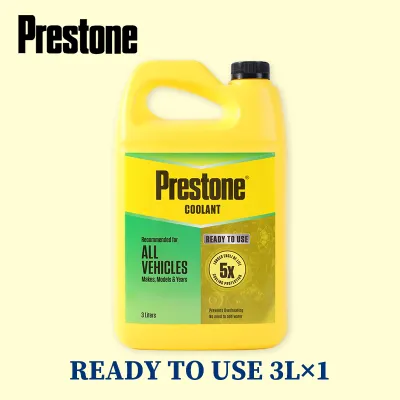
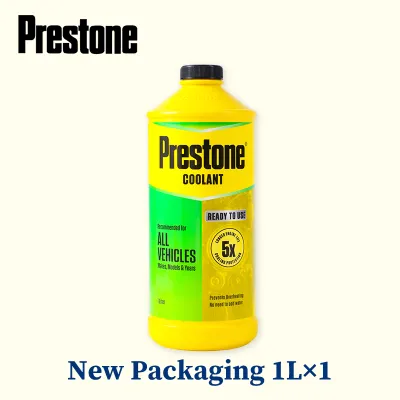
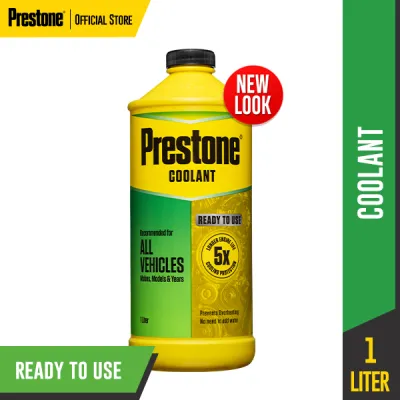
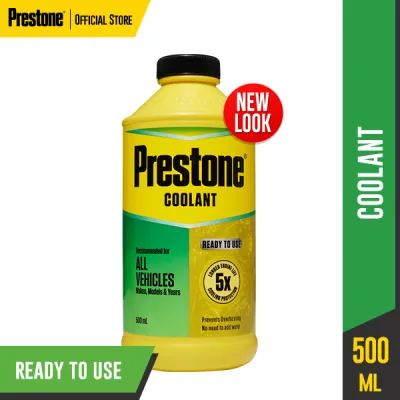
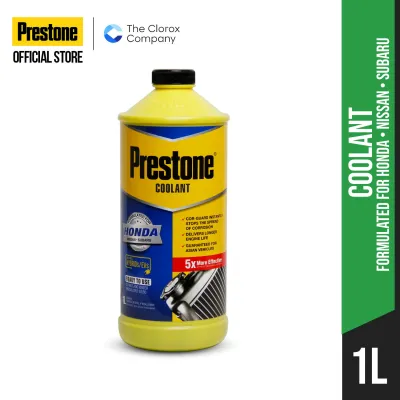
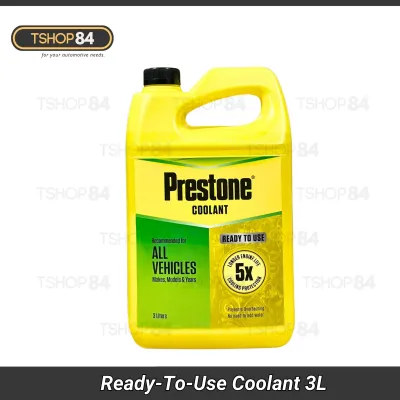
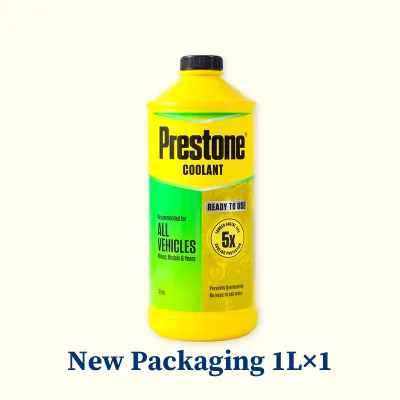
Prices are valid at publication and may change. Please refer to the product page for the latest price.
This environmental heat is further compounded by the frequent stop-and-go traffic patterns characteristic of major Philippine cities. When a vehicle is stationary or moving at crawl speeds, there is minimal natural airflow passing through the radiator grill to cool the fluid. Under these conditions, the engine relies entirely on the radiator fan and the thermal capacity of the coolant to pull heat away from the combustion chambers. Without a high-performance fluid, the risk of localized boiling and subsequent engine damage increases dramatically.
There is a common misconception among some local vehicle owners that “antifreeze” is an unnecessary luxury only required in cold, snowy climates, leading some to use plain water in their radiators. However, modern engine coolants are multi-functional fluids designed for boiling point elevation and heat transfer just as much as freeze protection. Plain water boils at 100°C (212°F) at sea level, a temperature that modern engines can easily reach or exceed under heavy loads or in heavy traffic.
To prevent boil-over and maintain system stability, a cooling fluid must possess a boiling point well above the normal operating temperature of the engine. Furthermore, it must protect the internal metal and rubber components of the cooling system from rapid degradation. High temperatures accelerate chemical reactions, meaning that using plain water in a tropical climate will quickly lead to rust, scale buildup, and the premature failure of water pumps, hoses, and gaskets.
Verifying Heat Protection in Prestone Ready-to-Use Coolant
When evaluating prestone coolant ready to use for your vehicle, it is important to understand that these products are typically pre-mixed 50/50 formulations. This means the bottle contains a precise blend of 50% concentrated glycol-based coolant and 50% deionized water. To verify the heat protection capabilities of the specific product you are purchasing, you should check the product label for its stated boiling point. A standard 50/50 ethylene glycol mixture is typically engineered to provide boil-over protection up to approximately 129°C (264°F) when used in combination with a properly functioning, pressurized radiator cap.

However, heat protection is only effective if the coolant is chemically compatible with your engine’s materials. Vehicle manufacturers specify different coolant technologies depending on the metals and seals used in their engines. These generally fall into three main categories: Inorganic Additive Technology (IAT), which is common in older vehicles; Organic Acid Technology (OAT), often used in newer aluminum engines; and Hybrid Organic Acid Technology (HOAT), which combines elements of both. You must cross-reference the technology type listed on the Prestone bottle with the requirements detailed in your vehicle owner’s manual to ensure compatibility.
Using the correct, manufacturer-approved formulation is critical for preventing localized boiling and the formation of hot spots inside the engine block. When an incompatible coolant is used, the chemical inhibitors can react negatively, leading to the formation of gel or deposits that clog the narrow passages of the radiator and heater core. This restriction in flow prevents the coolant from carrying heat away from critical areas, which can lead to warped cylinder heads or cracked engine blocks under sustained tropical heat.
To ensure you are getting genuine performance and safety, look for official manufacturer certifications or specific industry standards (such as ASTM D3306) printed directly on the Prestone packaging. Avoid relying solely on broad brand claims or general marketing text on the front of the bottle. If the product label does not explicitly state compatibility with your vehicle’s make, model, and year, or if it conflicts with the recommendations in your owner’s manual, do not use it. Additionally, take care when handling the fluid; avoid spilling coolant on painted surfaces, plastic trim, or electrical sensors, as the glycol content can cause damage. If a spill occurs, rinse the area immediately with clean water.
Why the Radiator Pressure Cap Matters in the Heat
While the chemical properties of Prestone ready-to-use coolant are vital for heat resistance, the fluid cannot prevent overheating on its own without a properly functioning radiator pressure cap. The cooling system operates as a closed, pressurized loop because the boiling point of any liquid increases as pressure rises. By sealing the system, the radiator cap allows the operating pressure to increase, which raises the effective boiling point of the coolant mixture significantly above its unpressurized state. This physical relationship is what allows the engine to run safely at temperatures that would otherwise cause plain water to boil away.
In the intense heat of the Philippines, a failing or incorrect radiator pressure cap is a frequent but often misdiagnosed cause of engine overheating. If the cap’s spring weakens or its rubber seal degrades, it will fail to maintain the required system pressure. This allows the coolant to boil at a lower temperature, leading to steam pockets inside the engine block, rapid fluid loss into the overflow reservoir, and erratic readings on your dashboard temperature gauge. Drivers often blame the coolant itself for these issues, when the true culprit is a cheap or worn-out cap.
To prevent these issues, you should incorporate a safe inspection of the radiator cap into your routine vehicle maintenance. Never attempt to remove or touch the radiator cap while the engine is hot or running. The system is under high pressure, and opening it prematurely can cause scalding liquid and steam to spray out violently, resulting in severe burns. Always wait until the engine is completely cold to the touch before carefully twisting and removing the cap.
Once the cap is removed, inspect the rubber gasket on the underside for any signs of cracking, swelling, tearing, or hardening. Press down on the spring-loaded valve to verify that it moves smoothly and offers firm resistance. If you detect any physical damage or a weak spring, replace the cap immediately. When purchasing a replacement, always select a cap with the exact pressure rating (typically measured in kilopascals, bar, or psi) specified by your vehicle manufacturer, which is usually stamped on the top of the original cap.
Ready-to-Use vs. Concentrate: Choosing the Right Format
When shopping for coolant, you will generally find both ready-to-use (pre-mixed) and concentrated formulas on the shelves of auto supply shops in the Philippines. Ready-to-use coolants offer a high level of convenience and consistency because they eliminate the need for manual mixing. Because the fluid is blended under controlled factory conditions using high-purity demineralized or deionized water, you are guaranteed a perfect 50/50 ratio. This precise balance ensures that the fluid provides the optimal combination of heat transfer capability, boiling point elevation, and corrosion protection right out of the bottle.
In contrast, buying concentrated coolant requires you to dilute the fluid yourself before pouring it into your vehicle. While this can sometimes be more economical, it introduces significant risks, particularly if you use local tap water for dilution. Tap water in many parts of the Philippines contains high concentrations of dissolved minerals such as calcium, magnesium, and silica. When this “hard” water is subjected to the intense heat inside an engine, these minerals precipitate out of the solution and form a hard scale on the internal metal surfaces of your radiator and engine block.
This mineral scale acts as an unwanted thermal insulator, trapping heat inside the engine and preventing it from being transferred to the coolant. Over time, the scale can also restrict or completely block the narrow tubes within the radiator core, severely reducing the system’s overall cooling capacity and leading to chronic overheating in tropical weather. If you must use a concentrated coolant, you must always mix it with distilled water rather than tap water to prevent scale buildup.
For the vast majority of passenger cars and light commercial vehicles operating in the Philippines, a standard 50/50 ready-to-use mix is the ideal choice. While some heavy-duty or specialized applications might call for a different ratio (such as a 60/40 mix for extreme environments, if explicitly recommended by the vehicle manufacturer), the pre-mixed formula provides excellent, hassle-free protection. When topping off a slightly low cooling system, always use the same ready-to-use formula rather than adding plain water, as adding water will dilute the chemical inhibitors and lower the boiling point of the overall mixture.
Cooling System Maintenance for Philippine Traffic and Heat
Maintaining your vehicle’s cooling system is essential for surviving the harsh driving conditions of the Philippines. A basic visual inspection should be performed at least once a month. Locate the translucent coolant overflow reservoir in your engine bay and check the fluid level against the molded “Cold” (or Minimum) and “Hot” (or Maximum) fill lines. The fluid level should ideally sit between these marks; if it is consistently low, it indicates a potential leak that needs to be investigated.
While checking the level, observe the color and clarity of the fluid through the reservoir walls. Healthy coolant should be bright and clear, maintaining its original dye color (such as green, red, pink, or blue). If the fluid appears murky brown, contains floating rust particles, or has an oily sheen on the surface, your system is contaminated. A murky appearance suggests rust and corrosion are actively occurring inside, while an oily film can indicate a serious internal engine leak, such as a failing head gasket, which requires immediate professional diagnostic work.
Safety must always be your top priority when performing any cooling system maintenance. Never attempt to open the radiator cap or the pressurized overflow reservoir while the engine is hot. If you must add coolant to the overflow reservoir, do so only when the engine has cooled down, and ensure you use the exact same Prestone ready-to-use formulation currently in the system. Mixing different brands or chemical technologies can compromise the corrosion inhibitors and reduce the fluid’s effectiveness.
During your daily drives, keep a close watch on your dashboard temperature gauge or warning lights, especially when caught in heavy traffic or climbing steep inclines. If the temperature needle begins to climb toward the red zone or the high-temperature warning light illuminates, safely pull over to the side of the road as soon as possible. Turn off the engine and let it cool completely before checking the coolant level or looking for visible leaks. If the coolant appears burnt, if you notice frequent fluid loss without any visible external leaks, or if the vehicle continues to run hotter than its normal baseline, consult a qualified mechanic to perform a professional system pressure test and a complete cooling system flush.
Frequently Asked Questions (FAQ)
Can I mix Prestone ready-to-use coolant with tap water?
No, you should not mix Prestone ready-to-use coolant with tap water. The ready-to-use formula is already pre-diluted to the optimal 50/50 ratio using purified, demineralized water. Adding tap water will dilute the concentration of active corrosion inhibitors and lower the boiling point of the fluid, reducing its ability to protect your engine in hot weather. Additionally, tap water introduces minerals that cause scale buildup, which can restrict coolant flow and trap heat inside the engine.
Does the color of the coolant indicate its suitability for hot weather?
No, the color of the coolant is not an indicator of its boiling point, heat tolerance, or suitability for hot weather. Manufacturers add bright dyes (such as green, orange, pink, blue, or yellow) to help identify different chemical technologies (like IAT, OAT, or HOAT) and to make leaks easier to detect. You must always check the technical specifications on the product label and cross-reference them with your vehicle’s owner’s manual to ensure compatibility, rather than relying on color matching alone.
How often should I flush the cooling system in a tropical climate?
You should always follow the specific maintenance intervals and service guidelines recommended by your vehicle manufacturer, which can be found in your owner’s manual. While the continuous high temperatures and heavy traffic in the Philippines place constant thermal stress on the cooling system, modern extended-life coolants are designed to last for several years or tens of thousands of kilometers under normal operating conditions. However, if you observe any signs of fluid contamination, rust, or a change in color during your regular inspections, you should have a qualified mechanic inspect, flush, and refill the system sooner.
Community discussion
Share your experience or ask a question. Comments are reviewed before publication.