
To determine if Silvestre coolant is suitable for the Philippine tropical climate, you must verify its specific chemical formulation, boiling point, and OEM compatibility against your vehicle manufacturer’s specifications. In a country where ambient temperatures regularly exceed 35°C and urban traffic congestion severely limits natural airflow, your engine’s cooling system operates under extreme thermal stress. Ensuring your chosen coolant can withstand these harsh conditions is critical to preventing catastrophic engine damage.
Selecting the wrong fluid or using an incorrect dilution ratio can lead to localized boiling, vapor lock, accelerated corrosion of internal engine components, and eventual cylinder head warping. While many drivers assume any colored fluid will suffice, tropical driving demands a deep understanding of how coolant properties interact with high ambient heat. By systematically evaluating the product’s technical specifications and matching them to your vehicle’s requirements, you can make an informed decision that protects your engine.
How Tropical Heat and Traffic Stress Your Engine's Cooling System
The primary challenge of operating an internal combustion engine in a tropical environment like the Philippines is the reduced efficiency of heat dissipation. A vehicle’s radiator relies on a temperature differential—the difference between the hot coolant flowing through the radiator core and the cooler ambient air passing through its fins. When ambient temperatures soar during the dry season, this temperature differential shrinks significantly, reducing the rate at which heat can be transferred from the engine to the atmosphere.
Products mentioned in this guide
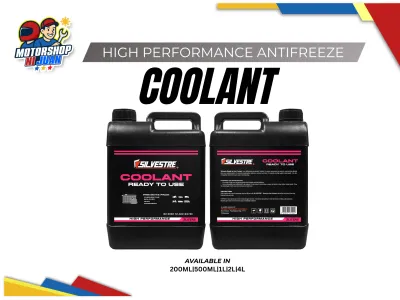
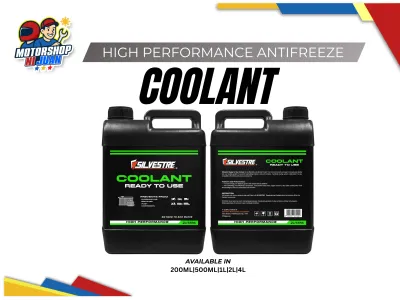
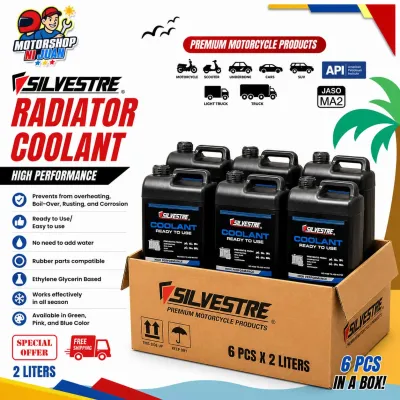
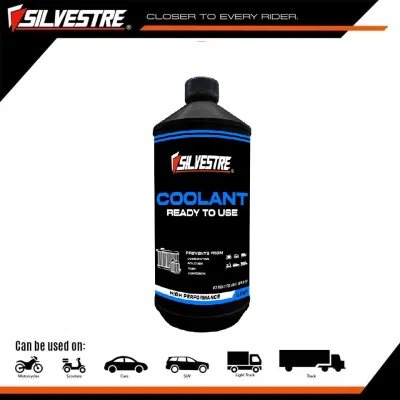
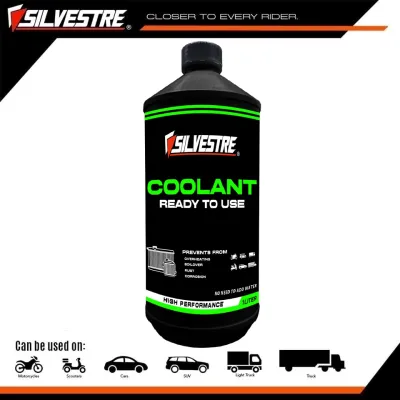
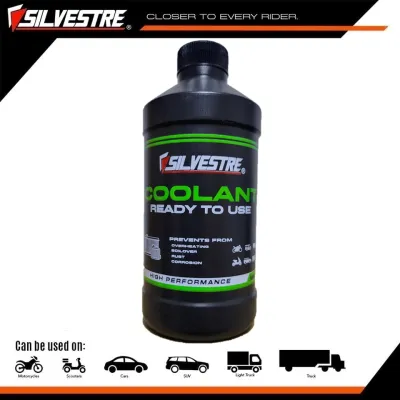
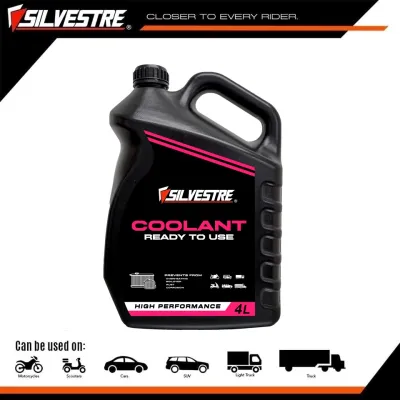
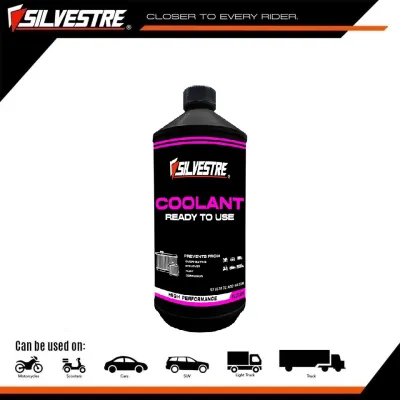
Prices are valid at publication and may change. Please refer to the product page for the latest price.
This environmental stress is compounded by the severe stop-and-go traffic common in metropolitan areas such as Metro Manila, Cebu, and Davao. When a vehicle is stationary or crawling at low speeds, it loses the “ram-air” cooling effect generated by forward motion. The cooling system must then rely entirely on the radiator fans to pull air through the core. This prolonged idling creates a highly demanding thermal environment where heat builds up rapidly within the engine bay, placing the entire burden of heat absorption and transfer on the coolant.
To protect an engine under these grueling conditions, a coolant must possess three essential properties. First, it must have an elevated boiling point that significantly exceeds that of plain water to prevent the fluid from vaporizing inside the engine block. Second, it must contain robust corrosion inhibitors to protect the diverse metals within the cooling system from oxidation. Third, it must have anti-scaling properties to prevent mineral deposits from forming inside the narrow radiator tubes, which would otherwise insulate the system and block crucial fluid flow.
How to Verify Silvestre Coolant Specifications for Tropical Driving
Evaluating whether Silvestre coolant is suitable for your specific vehicle requires a careful inspection of the product label and technical documentation. You should never rely on generic marketing claims or the color of the fluid alone; instead, look for specific physical and chemical parameters.

Begin by locating and interpreting the stated boiling point on the Silvestre coolant packaging. Under standard atmospheric pressure, water boils at 100°C, and a typical 50/50 mixture of ethylene glycol and water boils at approximately 107°C to 108°C. However, when sealed inside a pressurized cooling system—regulated by a functioning radiator cap that maintains pressure between 1.1 and 1.4 bar—the boiling point of a proper glycol mixture rises to between 125°C and 129°C. Verify that the Silvestre coolant label specifies a pressurized boiling point within this safe range. If the product is highly diluted or lacks sufficient glycol content, its boiling point will be too close to that of plain water, risking vapor lock and catastrophic localized overheating in the engine’s hottest zones.
Next, identify the specific coolant technology type used in the Silvestre formulation. Modern automotive manufacturers design their engines with different metallurgies, including aluminum cylinder heads, cast iron blocks, copper or brass radiator cores, and various plastic and elastomer gaskets. To prevent chemical degradation of these materials, you must match the coolant technology to your vehicle’s requirements:
- Inorganic Additive Technology (IAT): Typically green, this traditional formulation uses silicates and phosphates to provide rapid protection for older engines with copper and brass components. However, these inhibitors deplete quickly, requiring replacement every two years or 40,000 kilometers.
- Organic Acid Technology (OAT): Often red, pink, or orange, OAT formulations utilize organic acids to offer long-lasting corrosion protection, making them ideal for modern aluminum engines. These fluids typically have a service life of up to five years or 240,000 kilometers.
- Hybrid Organic Acid Technology (HOAT): Often yellow, blue, or orange, HOAT combines organic acids with silicates or phosphates to provide a balance of rapid protection and long-term durability.
Using an incompatible coolant technology can lead to rapid corrosion of aluminum components, water pump impeller erosion, or the premature failure of rubber hoses and plastic gaskets. Check your vehicle’s owner’s manual for the required standard (such as ASTM D3306 or JIS K2234) and verify that the Silvestre coolant label explicitly states compliance with these specifications.
You must also determine whether the Silvestre coolant you are purchasing is a pre-mixed or concentrated formulation. Pre-mixed coolants are pre-diluted with demineralized or distilled water, usually in a 50/50 or 30/70 ratio, and can be poured directly into the system. If you purchase a concentrate, you must dilute it yourself. In the tropical climate of the Philippines, never use tap water, well water, or mineral water for dilution. Tap water contains dissolved minerals like calcium and magnesium that precipitate under high engine temperatures, forming a hard scale inside the radiator. This scale acts as a thermal insulator, trapping heat inside the engine and eventually clogging the narrow cooling passages. Always mix concentrate with pure distilled water, strictly adhering to the manufacturer-recommended ratio—typically a 50/50 mix for optimal heat dissipation and corrosion protection.
Essential Cooling System Maintenance for High-Temperature Environments
Maintaining your vehicle’s cooling system is just as important as choosing the right fluid. The high ambient heat and heavy traffic conditions in the Philippines accelerate the wear and degradation of cooling components, making regular inspections essential.
Perform a safe visual inspection of the cooling system at least once a month when the engine is completely cold. Locate the translucent plastic coolant reservoir (expansion tank) in the engine bay. The fluid level should rest between the “MIN” (or “LOW”) and “MAX” (or “FULL”) markings. Do not overfill the reservoir, as the fluid needs space to expand as the engine warms up.
Examine the color and clarity of the coolant inside the reservoir. High-quality coolant should appear bright, clean, and translucent. If the fluid looks muddy, brown, or contains dark suspended particles, the corrosion inhibitors have depleted, and the system requires a complete flush and refill. If you observe a milky, thick emulsion or oil droplets floating on the surface of the coolant, this indicates a severe internal failure, such as a blown head gasket or a leaking transmission fluid cooler, which requires immediate professional diagnostic work.
Inspect the physical condition of the cooling system’s rubber hoses, clamps, and the radiator cap. Gently squeeze the upper and lower radiator hoses when the engine is cold; they should feel firm yet pliable. If a hose feels extremely soft, spongy, or exhibits visible cracking, swelling, or bulging near the metal clamps, it has degraded from heat exposure and is at risk of bursting under pressure. Check the radiator cap’s rubber gasket for signs of cracking, hardening, or tearing. A compromised radiator cap cannot maintain the necessary system pressure, which lowers the coolant’s boiling point and causes premature boil-over.
Adhere strictly to the vehicle manufacturer’s recommended coolant flushing intervals. While some long-life coolants claim to last up to five years, the severe driving conditions in the Philippines—characterized by high heat, humidity, and prolonged idling—can accelerate chemical breakdown, leading to acidic buildup and scale formation. Flushing the system removes accumulated sediment, rust, and depleted chemicals, restoring maximum heat transfer efficiency.
Safety Boundary Warning: Never attempt to open the radiator cap or the coolant reservoir cap while the engine is hot or running. The cooling system operates under high pressure, and opening it can release boiling liquid and pressurized steam, causing severe, life-threatening burns. If your dashboard temperature gauge spikes into the red zone or the coolant warning light illuminates, pull over safely, turn off the ignition, and let the engine cool completely for at least 45 minutes before inspecting the system. If the engine continues to overheat, do not attempt to drive; consult a qualified automotive technician or arrange for a professional tow to prevent catastrophic engine failure.
When to Upgrade to a Heavy-Duty or High-Performance Coolant
While standard Silvestre coolant formulations are suitable for everyday commuting in standard passenger vehicles, certain driving conditions and vehicle modifications demand a higher level of thermal protection. Recognizing when your vehicle has outgrown standard coolant can prevent severe engine damage.
Monitor your vehicle for persistent signs of inadequate cooling. If your temperature gauge consistently creeps toward the hot zone during heavy traffic, if your radiator cooling fans run continuously at high speed, or if you notice a sweet, chemical odor of vaporizing glycol after parking, your current cooling setup may be struggling to manage the heat load.
High-load scenarios place extraordinary demands on the cooling system. If you use your vehicle for commercial deliveries, regularly tow trailers, carry heavy payloads, or frequently drive up steep mountain passes such as the Marcos Highway or climbs in Benguet, your engine generates significantly more thermal energy than a standard commuter vehicle. Similarly, vehicles with performance modifications or turbochargers run much hotter than stock configurations. Under these conditions, upgrading to a heavy-duty or high-performance coolant with advanced heat-transfer additives and an exceptionally high boiling point can provide the necessary safety margin.
When upgrading or switching to a different coolant formulation, you must perform a complete system flush. Never mix different coolant brands or chemistries, such as adding an OAT fluid to an existing IAT system. Mixing incompatible formulations can trigger a chemical reaction that causes the additives to precipitate out of the liquid, forming a thick, gelatinous sludge. This sludge can block the radiator core, restrict flow through the engine block, and destroy the water pump impeller. A thorough professional flush ensures that all old fluid, rust, and sediment are completely removed before you introduce the new high-performance coolant.
Frequently Asked Questions (FAQ)
Can I mix Silvestre coolant with other brands?
No, you should avoid mixing Silvestre coolant with other brands unless you have verified that both products share the exact same chemical formulation, technology type (such as OAT, HOAT, or IAT), and manufacturer specifications. Mixing different coolant chemistries can cause the corrosion inhibitors to react negatively, resulting in a thick gel or sludge that restricts coolant flow and compromises heat transfer. If your coolant level is low in an emergency, it is safer to top up with pure distilled water rather than an incompatible coolant, followed by a professional flush and refill as soon as possible.
Does Silvestre coolant prevent rust in humid conditions?
Yes, a high-quality coolant is designed to prevent internal rust and corrosion, which is critical in the humid climate of the Philippines. While external atmospheric humidity primarily affects the vehicle’s bodywork, the internal cooling passages—including the water jackets, radiator tubes, and water pump—are constantly exposed to liquid. The anti-corrosion additives in the coolant coat these internal metal surfaces to prevent oxidation and electrolysis. To ensure this protection, verify that the specific Silvestre coolant package explicitly lists compatibility with your engine’s metals, such as aluminum or cast iron.
How often should I check my coolant level in the Philippines?
You should check your coolant level at least once a month, as well as before undertaking any long-distance road trips. The intense ambient heat and heavy traffic conditions in the Philippines can accelerate minor leaks or evaporation, which can quickly lead to overheating. Always perform this check when the engine is completely cold, ensuring the fluid level in the translucent reservoir is between the minimum and maximum markings. If you find yourself frequently topping up the fluid, have a qualified mechanic perform a cooling system pressure test to locate any hidden leaks.
Community discussion
Share your experience or ask a question. Comments are reviewed before publication.