
A standard Fabrella raincoat is not suitable for motorcycle riding during heavy rain. While it serves as an excellent, budget-friendly option for pedestrians navigating sudden tropical downpours, it lacks the structural integrity, windproofing, and specialized safety features required to withstand the high-velocity water impact and aerodynamic forces experienced on a moving motorcycle. To remain safe and dry on the road, riders must understand the physical demands of wet-weather riding and why dedicated gear is necessary.
The Real Challenges of Motorcycle Riding in Heavy Rain
Riding a motorcycle in the Philippines during the wet season—typically marked by the southwest monsoon or habagat—presents severe environmental difficulties. Heavy downpours can reduce road visibility to near zero within seconds, while high ambient humidity levels quickly fog up helmet visors and trap body heat. Strong crosswinds, particularly in open coastal areas or elevated highways, constantly threaten a rider’s lateral stability, making precise control of the motorcycle paramount.
When stationary, rain falls vertically, but once a motorcycle is in motion, the physics of forward momentum transform gentle droplets into high-velocity projectiles. At speeds of 40 to 60 kilometers per hour, rain strikes the rider’s chest and arms with significant force, finding even the smallest gaps in standard fabrics and closures. Additionally, the lower body remains highly vulnerable to road splash, as tires kick up a constant stream of dirty water, motor oil, and road grit from puddles directly onto the rider’s legs and footwear.
Products mentioned in this guide
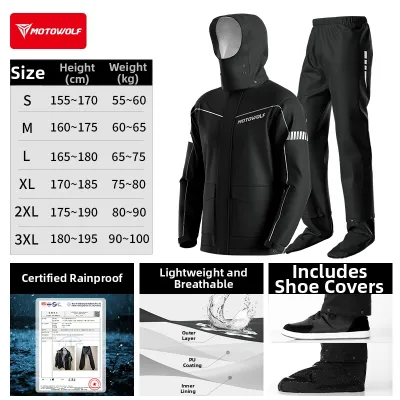
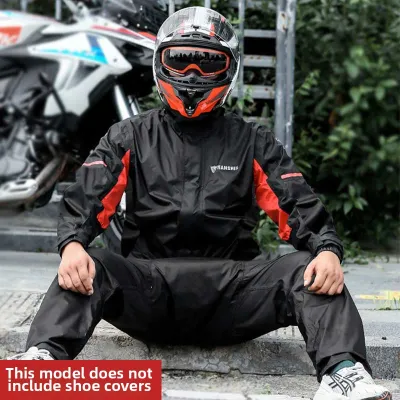
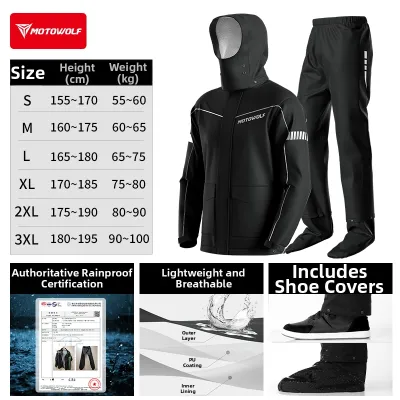
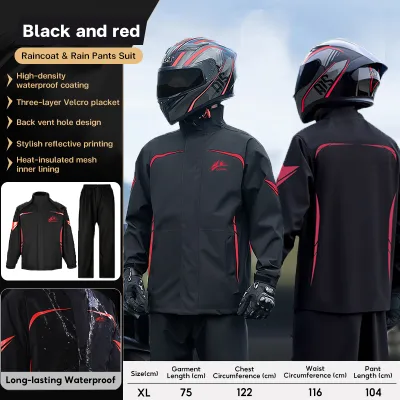
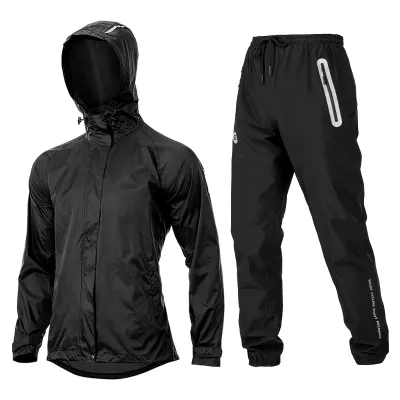
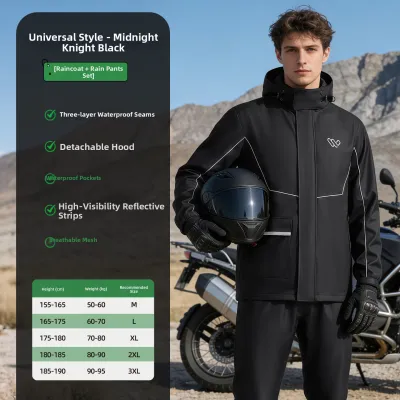
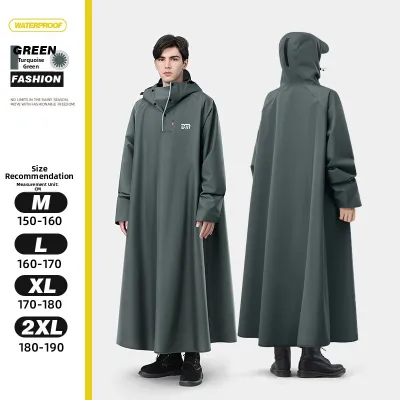
Prices are valid at publication and may change. Please refer to the product page for the latest price.
To survive these conditions without getting soaked, motorcycle rain gear must fulfill highly specific technical requirements. The material must offer absolute wind resistance to prevent wind chill and fabric tearing. Every seam must be fully sealed or welded to block pressurized water, the fit must remain aerodynamic to prevent drag, and the cut must provide extended coverage that accounts for the active riding posture with arms extended and knees bent.
How Everyday Raincoats Like Fabrella Perform on a Motorcycle
Everyday raincoats, such as those produced by Fabrella, are fundamentally designed for low-speed pedestrian use, such as walking to a jeepney stop or waiting out a brief shower under an awning. These garments typically utilize lightweight polyvinyl chloride (PVC) or thin polyester fabrics, which are excellent for portability but lack the tensile strength needed to resist high-speed wind shear. They often feature simple snap-button closures or basic nylon zippers that lack protective backing, along with standard stitched seams that are not reinforced against high-pressure water penetration.

When subjected to the harsh environment of motorcycle riding, these pedestrian-focused design elements quickly fail. The intense wind pressure encountered on the road causes lightweight fabrics to flap violently against the rider’s body. This constant whipping action not only creates distracting noise but also stresses the material, often leading to tears along the seams or near the button fasteners. Without a specialized storm flap or waterproof backing, rain is forced directly through the gaps between the snap buttons or the teeth of a basic zipper, leaving the rider’s torso completely drenched within minutes of exposure.
Furthermore, the physical cut of an everyday raincoat does not accommodate the ergonomics of operating a motorcycle. Standard coats are tailored for a vertical, standing posture, meaning they feature straight-cut sleeves and a standard torso length. When you reach forward to grip the handlebars, the sleeves pull back, exposing your wrists and forearms to incoming rain, which then runs down into your gloves. Similarly, the riding posture pulls the hem of the jacket upward, exposing the waistline and allowing water to pool around the lap, while standard trousers lack the rise and seat reinforcement needed for extended saddle time.
Critical Safety and Visibility Risks on the Road
Beyond the discomfort of getting wet, wearing inadequate rain gear like a standard daily raincoat poses severe safety hazards on the road. During heavy tropical downpours, ambient light drops significantly, and spray from larger vehicles creates a dense mist that severely limits visibility for all motorists. Standard everyday raincoats are often manufactured in dark or muted colors and generally lack the high-visibility reflective strips or fluorescent panels required to make a motorcyclist visible to distracted drivers from a safe distance.
The aerodynamic instability of loose-fitting daily rainwear introduces another critical physical risk. A loose jacket or poncho acts like a parachute, catching the wind and generating substantial aerodynamic drag. This force pulls back on the rider’s shoulders, causing rapid physical fatigue and making it significantly harder to maintain a stable line, especially when hit by sudden gusts of wind or the wake of passing trucks. The distraction of fighting against a flapping, ballooning raincoat can easily divert a rider’s attention away from sudden road hazards, such as potholes or slippery metal manhole covers.
Perhaps the most dangerous hazard of using non-dedicated rainwear on a motorcycle is the risk of loose fabric, long drawstrings, or unbuttoned flaps becoming entangled in the vehicle’s moving parts. Standard raincoats often feature long, adjustable hood strings or loose hems that can easily get caught in the drive chain, rear sprocket, or spinning wheel. An entanglement of this nature can instantly lock the rear wheel, leading to a catastrophic loss of control and a high-speed crash on wet, slick asphalt. Safety on the road requires gear that actively mitigates these risks rather than just providing basic water resistance.
When to Use a Daily Raincoat vs. Dedicated Riding Gear
Understanding when an everyday raincoat is acceptable and when dedicated riding gear is non-negotiable is essential for every rider’s safety and comfort. A standard Fabrella raincoat is perfectly suitable for light-duty, pedestrian scenarios. If you are commuting on foot, walking short distances between transit hubs, or waiting for a ride-hailing vehicle in a light drizzle, these lightweight and highly portable coats provide excellent, cost-effective protection. They can also serve as emergency shelter if you are forced to pull over and wait out a storm under a bridge or at a roadside gasoline station.
Conversely, dedicated motorcycle rain gear is mandatory for any active riding scenario that involves highway travel, prolonged daily commutes, or navigating flooded streets during severe weather. When riding at speeds above 30 kilometers per hour, or when exposed to rain for more than a few minutes, only specialized riding gear can withstand the persistent water pressure and wind shear. Dedicated gear is engineered specifically to keep the rider dry, warm, and focused on the road, preventing the rapid onset of hypothermia or physical exhaustion that can occur when riding wet.
Evaluating the long-term cost and value also reveals the limits of using daily rainwear for riding. While a standard pedestrian raincoat is highly affordable—often costing under ₱500—using it regularly on a motorcycle will lead to rapid deterioration, blown-out seams, and torn fasteners, requiring frequent replacements. Investing in a dedicated motorcycle rain suit may carry a higher initial price tag, typically ranging from ₱1,500 to over ₱5,000 depending on the brand, but its heavy-duty construction, abrasion-resistant materials, and reinforced stress points ensure it will survive seasons of heavy monsoon riding, offering far better value and protection over time.
What to Look for in a Proper Motorcycle Rain Suit
When shopping for a proper motorcycle rain suit, several non-negotiable technical features must be prioritized to ensure maximum protection and safety. First and foremost, look for garments with fully taped, heat-sealed, or welded seams rather than simple stitching, as this prevents water from seeping through the needle holes. The main closure must feature a robust, waterproof zipper protected by a wide external storm flap that secures tightly with Velcro or heavy-duty snap buttons to block wind-driven rain.
Adjustability is another critical factor for both waterproofing and aerodynamics. A high-quality motorcycle rain suit will feature adjustable Velcro straps or elastic cuffs at the wrists, ankles, and waist. These allow you to seal the openings tightly over your riding gloves and boots, preventing water from riding up the sleeves or pant legs, while also reducing excess fabric flap at highway speeds. High-visibility fluorescent colors, such as neon yellow or orange, paired with generous retroreflective piping along the back, chest, and sides, are essential for ensuring you remain visible to other road users in low-light conditions.
Riders should generally opt for a two-piece rain suit consisting of a separate jacket and pants, as this design offers superior mobility, a better seal at the waist, and easier donning over existing protective gear. If you prefer a heavy-duty riding poncho, ensure it is specifically designed for motorcycle use, featuring integrated leg covers, a windproof front panel, and secure tie-downs to prevent the fabric from lifting. Before wearing any new rain gear on your motorcycle, check the product’s care label and your motorcycle manufacturer’s safety instructions regarding rider apparel. If the instructions conflict, or if the gear’s compatibility with your bike’s moving parts is unclear, stop and consult the manufacturer or a qualified riding safety professional before operating your vehicle.
Frequently Asked Questions (FAQ)
Can I use a standard fashion raincoat for a short motorcycle commute?
While you can technically wear a standard fashion raincoat for a very short, low-speed ride in light drizzle, it is highly discouraged for regular commutes or heavy rain. Standard coats lack the seam sealing, wind resistance, and secure closures required to keep water out under riding conditions. Additionally, the lack of reflective elements and the risk of loose fabric flapping or getting caught in moving parts present significant safety hazards on the road.
How do I prevent water from seeping through the zipper while riding?
To prevent water from seeping through your zipper, always choose a raincoat equipped with a wide, external storm flap that seals with Velcro or snaps over the zipper track. If your current gear lacks this feature, you can wear a secondary waterproof windbreaker or a dedicated riding jacket underneath as a barrier. Ensuring the storm flap is completely flat and securely fastened before you start riding is the most effective way to block wind-driven water.

Community discussion
Share your experience or ask a question. Comments are reviewed before publication.