
A standard Fibrella raincoat jacket can serve as a basic shield against light rain, but its suitability for motorcycle commuting during the heavy Philippine rainy season depends entirely on verifying its specific construction, material ratings, and riding-grade features. While the brand is highly regarded for its everyday water-resistant gear and umbrellas, riding a motorcycle subjects a jacket to high-speed wind, intense water pressure, and safety demands that standard lifestyle rainwear is not typically designed to handle. To stay dry and safe on your daily commute, you must evaluate the jacket’s technical specifications against the harsh realities of tropical downpours.
During the southwest monsoon (habagat) season, commuters on two wheels face sudden, torrential downpours that test the limits of any waterproof gear. Many riders look for convenient, readily available options, making household brands a frequent consideration. However, using a jacket designed for walking or light outdoor activities on a motorcycle can lead to water seepage, wind chill, and safety hazards if the garment lacks critical riding-focused details. This guide will help you inspect your jacket’s material, seams, closures, and overall design to determine if it can withstand the road, or if you need to invest in dedicated motorcycle-specific rain gear.
Core Demands of Motorcycle Commuting in the Philippine Rainy Season
To understand whether a standard rain jacket is up to the task, you must first look at the unique physical forces at play when riding a motorcycle in wet weather. Standard rainwear is designed to repel water falling vertically under the force of gravity, but the dynamics change completely once you mount a motorcycle and accelerate.
Products mentioned in this guide
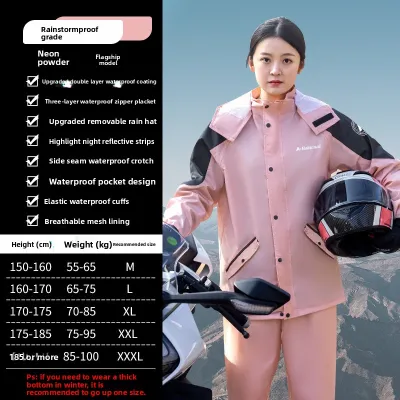
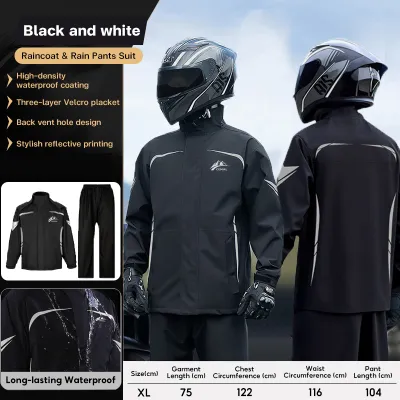
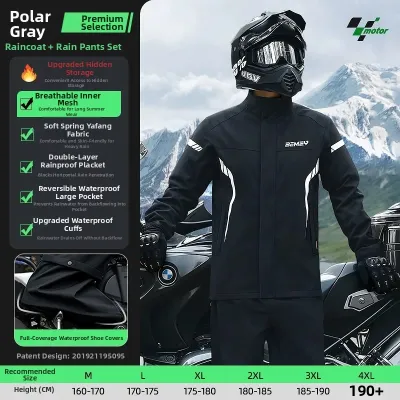
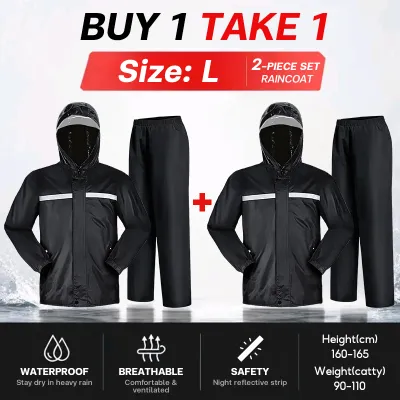
Prices are valid at publication and may change. Please refer to the product page for the latest price.
Withstanding Heavy Downpours and Water Pressure
When you walk through a storm, raindrops fall on you at a relatively low velocity. When riding at speeds of 40 to 60 km/h, however, the relative wind speed forces those same raindrops against your chest, shoulders, and arms at a much higher velocity. This high-speed impact generates significant hydrostatic pressure on the fabric of your jacket.
If a jacket’s fabric only possesses basic water resistance, the pressure from riding will force water directly through the pores of the material. Furthermore, standard stitching leaves thousands of tiny needle holes along the seams. Under the pressure of a tropical downpour at speed, these unsealed seams act like tiny channels, allowing water to seep through and soak your inner clothing within minutes. For effective riding protection, a jacket must feature fully taped or welded seams that block water from penetrating these vulnerable stitch lines.
Managing Wind Chill and High-Speed Flapping
In the tropical climate of the Philippines, riding in the rain might initially seem like a relief from the heat, but prolonged exposure to wet wind accelerates heat loss. This phenomenon, known as wind chill, can rapidly lower your body temperature, leading to shivering, muscle stiffness, and slower reaction times. A wet, poorly insulated jacket exacerbates this effect, compromising your ability to operate the motorcycle safely.
Aerodynamics also play a crucial role in rider comfort and safety. Lightweight, loose-fitting lifestyle rain jackets tend to flap violently at highway speeds. This constant flapping increases aerodynamic drag, which quickly tires out your shoulders and neck during long commutes. It can also disrupt your balance and distract you during tight maneuvers in heavy city traffic. A suitable riding jacket must have a secure, streamlined fit or adjustable straps to minimize wind resistance.
Ensuring Visibility in Low-Light Conditions
Heavy tropical downpours and thick overcast skies drastically reduce visibility on busy roads like EDSA, C5, or provincial highways. Spray kicked up by larger vehicles further obscures the view, making it incredibly difficult for other motorists to see a motorcyclist. In these conditions, your gear is your primary passive safety tool.
To stay safe, a rain jacket must feature high-visibility colors, such as neon yellow, bright orange, or lime green, or incorporate high-quality reflective elements on the back, shoulders, and arms. These reflective strips catch the headlights of vehicles behind and beside you, signaling your presence. Wearing a dark-colored rain jacket without reflective detailing during a heavy storm is a severe safety hazard, as you easily blend into the gray, wet asphalt.
Step-by-Step Inspection: Does Your Jacket Meet Riding Standards?
Before trusting your jacket on a wet commute, perform a physical inspection of its construction and check its specifications against known riding requirements.

Reading Material Labels and Waterproof Ratings
Start by checking the product tag, care label, or the manufacturer’s official product listing for technical specifications. Look specifically for a hydrostatic head rating, which is measured in millimeters (mm). For motorcycle riding, a rating of at least 5,000mm to 10,000mm is highly recommended to withstand the water pressure generated at commuting speeds.
Additionally, consider the breathability of the material. The high humidity of the Philippine rainy season means that a completely non-breathable plastic or heavy PVC jacket will trap your body heat and sweat. This creates a humid “greenhouse effect” inside the jacket, leaving you just as wet from perspiration as you would have been from the rain. Look for jackets that utilize breathable membranes or incorporate passive ventilation features, such as underarm vents or mesh-lined back flaps, to allow hot air to escape.
Inspecting Critical Leak Points: Zippers, Cuffs, and Collars
Even the most waterproof fabric will fail if water can find a way through the openings of the jacket. Carefully examine the primary closure points to ensure they are designed to seal out driving rain:
- Zippers: Standard zippers allow water to pass directly through the teeth. Check if your jacket features a wide storm flap—a strip of waterproof fabric that folds over the zipper and secures tightly with Velcro or snap buttons. Alternatively, verify if the jacket uses polyurethane-coated, water-resistant zippers that seal shut.
- Cuffs: Rainwater can easily run up your sleeves when your hands are positioned on the handlebars. Look for adjustable cuff closures, such as heavy-duty Velcro straps or elastic bands with snap fasteners, that can seal tightly over or under your riding gloves.
- Collar: The collar is a common entry point for water dripping off your helmet. Ensure the collar is high enough to cover your neck and features an adjustable drawstring or tab to pull it snug, preventing water from pooling and running down your chest.
Testing Helmet Compatibility and Riding Posture
To ensure the jacket does not restrict your movement, put it on and sit on your motorcycle, or mimic your typical riding posture by reaching forward for imaginary handlebars. Pay attention to how the fabric pulls across your back and shoulders. If the jacket feels too tight, it could restrict your ability to make sudden steering adjustments or cause the sleeves to ride up, exposing your wrists to the elements.
If the jacket features a hood, you must evaluate how it interacts with your helmet. A large, non-stowable hood will catch the wind like a small parachute at speed, pulling back on your throat and causing dangerous distractions. Check if the hood can be detached, rolled up and secured into the collar, or tucked completely out of the way. If you plan to wear the hood under your helmet, ensure it is thin enough to fit comfortably without creating painful pressure points that affect your concentration.
Everyday Rain Jackets vs. Purpose-Built Motorcycle Gear
Understanding the differences between general-purpose lifestyle rain jackets and dedicated motorcycle rain suits (commonly referred to locally as “kapote”) will help you decide if your current gear is sufficient or if you need an upgrade.
- Durability and Abrasion Resistance: Standard rain jackets are constructed from lightweight polyester or thin nylon designed for walking. In the event of a fall or slide on asphalt, these thin materials offer zero protection and can melt instantly due to friction. Dedicated motorcycle rain gear is constructed from heavy-duty materials, such as thick PVC, high-denier nylon, or reinforced textile blends, designed to resist tearing and protect your skin.
- Impact Protection: Everyday rain jackets do not feature pockets for impact-absorbing armor (such as CE-rated shoulder, elbow, or back protectors). They are also rarely cut wide enough to fit comfortably over a standard armored riding jacket without sizing up significantly. Dedicated riding rain gear is specifically patterned to fit over your existing protective armor without restricting your range of motion.
To help you make the right choice for your daily commute, use this simple decision matrix:
- Standard Rain Jacket (e.g., Fibrella): This is acceptable for low-speed, short-distance urban commutes. If you are riding within neighborhood streets, navigating slow-moving local traffic, or taking short trips under 15 minutes at speeds below 30 km/h, a high-quality standard jacket with good water resistance can keep you dry. It is also a handy backup to keep in your utility box for unexpected light showers.
- Dedicated Motorcycle Rain Gear: This is mandatory for highway riding, long-distance travel, high-speed commuting, or riding through severe tropical depressions. If your daily route involves traversing major thoroughfares at higher speeds, a purpose-built, two-piece motorcycle rain suit is essential for both reliable waterproofing and physical protection.
Practical Care Tips to Maintain Waterproof Performance
To prolong the lifespan and effectiveness of your rain jacket throughout the wet season, you must maintain its waterproof coatings with proper care. Always consult the manufacturer’s care label on your specific garment before performing any maintenance.
- Cleaning: If the care label permits, hand wash the jacket in cool water using a mild, liquid detergent. Avoid using fabric softeners, bleach, or harsh powder detergents. Fabric softeners leave a chemical residue that coats the fibers, destroying the Durable Water Repellent (DWR) treatment and causing the outer fabric to absorb water rather than bead it away.
- Drying: Never wring out the jacket aggressively, as this can delaminate the waterproof membrane. Shake off excess water and hang the jacket on a wide, padded hanger in a shaded, well-ventilated indoor area or a breezy outdoor spot. Keep the jacket away from direct, intense tropical sunlight and do not use a high-heat clothes dryer, as extreme heat can melt the seam-sealing tape and warp the synthetic fabrics.
- Storage: Store your dry jacket by hanging it loosely in a cool, dry closet. Avoid folding it tightly or leaving it compressed inside a small storage pouch or under your motorcycle's seat for extended periods. Constant creasing and exposure to engine heat can cause the internal polyurethane coating to degrade, stick to itself, or flake off prematurely.
Frequently Asked Questions (FAQ)
Is it safe to use a standard rain poncho instead of a jacket for riding?
No, using a standard rain poncho while riding a motorcycle is highly dangerous and strongly discouraged. The loose, billowing fabric of a poncho easily catches the wind, acting like a sail that can destabilize your balance and pull you off course at speed. Furthermore, loose flaps can blow upward to block your vision or get tangled in the motorcycle’s moving parts, such as the chain, sprockets, or rear wheel, which can cause a severe accident. Always opt for fitted jackets or dedicated two-piece rain suits.
What is the best way to dry a wet raincoat after a commute?
Immediately after your commute, shake off any excess surface water and wipe down the interior of the jacket with a clean, dry cloth to remove accumulated sweat or condensation. Hang the jacket on a wide, sturdy hanger in a shaded, well-ventilated area with good airflow to dry completely. Avoid leaving the wet jacket crumpled in your motorcycle’s under-seat compartment or top box, as the trapped moisture and heat will promote the growth of mold, mildew, and unpleasant odors. Always verify the manufacturer’s care label before applying any heat or cleaning agents.

Community discussion
Share your experience or ask a question. Comments are reviewed before publication.