
The Short Answer: Can It Handle the Tropical Heat?
When deciding if a seventy degrees riding jacket is suitable for the intense heat and humidity of the Philippines, the answer is not a simple yes or no. Because Seventy Degrees produces a diverse range of motorcycle gear—spanning from fully ventilated mesh jackets to heavily insulated touring jackets—your comfort depends entirely on the specific model you select. Choosing a thick, multi-layered touring jacket designed for European winters will inevitably lead to extreme discomfort and overheating during a mid-day commute in Manila or Cebu. Conversely, opting for one of the brand’s dedicated summer mesh or highly ventilated textile models can provide an excellent balance of airflow and physical protection.
Riding in a tropical climate presents a unique set of challenges that every motorcyclist must navigate. You need a garment that maximizes ventilation to keep you cool during slow, stop-and-go traffic under the relentless afternoon sun. At the same time, you cannot afford to compromise on impact and abrasion protection, as the risk of road accidents remains constant. Additionally, the unpredictable local weather means you must be prepared for sudden, heavy downpours that can leave you drenched in seconds. Evaluating how a seventy degrees riding jacket handles these competing demands requires a closer look at its construction, ventilation systems, and protective features.
Ventilation Features to Check for Daily Commutes
To stay comfortable during a daily commute in the Philippines, prioritizing airflow is essential. When browsing seventy degrees riding jacket options, your first consideration should be the primary material used in the outer shell.
Products mentioned in this guide
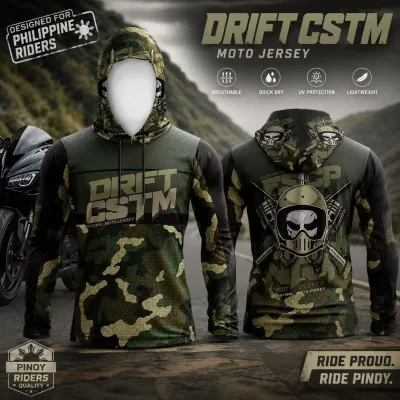
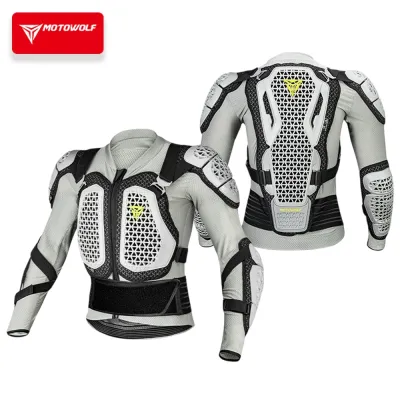
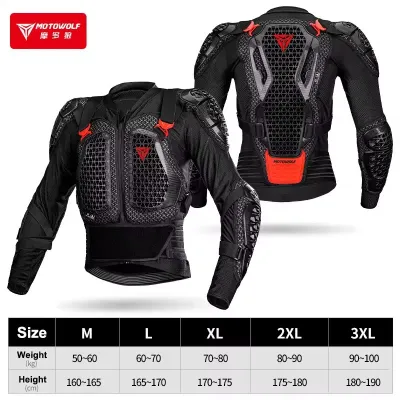
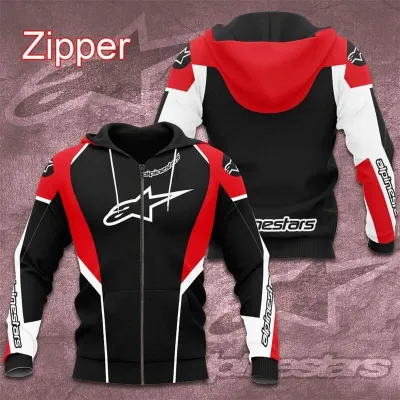
Prices are valid at publication and may change. Please refer to the product page for the latest price.

- Mesh vs. Textile Construction: Pure textile jackets made of heavy polyester or nylon offer excellent abrasion resistance but block almost all wind, making them highly impractical for hot weather. In contrast, jackets featuring large panels of open-weave mesh allow air to pass directly through the fabric, providing instant evaporative cooling as you ride. For the best of both worlds, look for a hybrid design that utilizes high-denier textile fabrics on high-impact areas like the shoulders and elbows, while incorporating expansive mesh panels across the chest, back, and inner arms.
- Strategic Vent Placement: Effective cooling requires continuous air circulation, which relies on a well-designed intake and exhaust system. Look for a jacket that features dedicated zippered intake vents on the chest and forearms to capture oncoming air, paired with large exhaust vents on the upper back. This configuration creates a natural chimney effect, pulling cool air across your torso and drawing hot, moist air out through the rear. Without functional exhaust vents, the air becomes trapped inside the jacket, causing it to balloon and rapidly increase your core temperature.
- Removable Thermal Liners: Many European riding jackets are sold with zip-out thermal or windproof inner liners designed to keep riders warm in cold climates. When riding in tropical humidity, these liners must be removed immediately and stored away. Always verify that any seventy degrees riding jacket you consider allows you to completely detach these inner layers, leaving you with only the lightweight, breathable outer shell.
- Fit and Air Circulation: The way a jacket fits your body directly impacts both your safety and your comfort. A riding jacket must fit snugly enough to prevent the protective elbow and shoulder armor from shifting out of place during a fall. However, if the jacket is excessively tight, it will compress against your skin, eliminating the air gap needed for effective ventilation and trapping sweat. Look for a model that offers a tailored fit with adjustable straps on the sleeves and waist, allowing you to secure the armor while maintaining a small pocket of space for air to circulate freely.
Balancing Airflow with Essential Abrasion Protection
While maximizing ventilation is crucial for comfort, the primary purpose of a seventy degrees riding jacket is to protect your body in the event of an accident. Striking the right balance between cooling airflow and robust safety features is a critical decision for every tropical rider.
- High-Impact Zone Reinforcement: Even on a jacket designed primarily for summer riding, certain areas must be built to withstand severe friction. Ensure the model you choose features reinforced, high-denier fabrics—such as 500D or 600D polyester—specifically on the shoulders, elbows, and outer sleeves. These heavy-duty materials are designed to resist tearing and abrasion during a slide, shielding your skin from severe road rash while the lighter mesh panels handle the cooling duties elsewhere.
- Armor Compatibility and Airflow: Impact protection is just as vital as abrasion resistance. Your jacket should come equipped with, or have pockets to accommodate, CE-rated armor at the shoulders, elbows, and back. In hot climates, standard solid foam protectors can act as heat barriers, creating sweaty, uncomfortable hot spots on your joints. To prevent this, consider upgrading to perforated or open-grid armor designs (such as CE Level 2 ventilated protectors) which provide superior impact absorption while allowing air to flow directly through the protective inserts.
- The Base Layer Strategy: A common mistake among riders in hot climates is wearing a standard cotton t-shirt underneath their mesh riding jacket. Cotton fibers absorb sweat but retain moisture, causing the shirt to become heavy, damp, and clingy, which restricts airflow and leads to chafing. A much more effective strategy is to wear a synthetic, moisture-wicking compression base layer. These technical garments pull sweat away from your skin and spread it across a wider surface area, allowing the passing wind to evaporate the moisture rapidly and keep your body temperature significantly lower.
- Visibility in Poor Conditions: The tropical climate in the Philippines is notorious for sudden weather shifts, where bright sunshine can instantly give way to a dark, overcast sky or a torrential downpour. In these low-visibility conditions, a rider wearing an all-black jacket can easily blend into the background, increasing the risk of a collision. Look for jackets that feature bright, high-visibility color accents or integrated reflective panels on the chest, sleeves, and back to ensure you remain visible to other motorists through rain-streaked windows and visors.
Managing Sudden Showers and High Humidity
Riding in the Philippines means dealing with persistent high humidity and the constant threat of sudden rain showers, especially during the monsoon season. Your riding gear must be capable of handling these wet conditions without becoming heavy, uncomfortable, or prone to mold.
- Waterproof vs. Water-Resistant Liners: Many riding jackets feature built-in waterproof membranes. While these keep rain out, they also block wind and trap humidity inside the jacket, creating a humid greenhouse environment next to your skin. For tropical riding, a jacket with a removable waterproof inner liner—or a completely separate, external rain jacket worn over your mesh gear—is highly recommended. This allows you to ride with maximum ventilation when it is dry and quickly add a waterproof barrier only when the rain begins.
- Quick-Drying Materials: If you do get caught in a sudden downpour without a rain cover, your jacket will inevitably absorb water. To maintain comfort and hygiene, the outer shell and inner lining must be constructed from quick-drying synthetic materials like polyester or nylon. Fabrics that dry rapidly prevent the jacket from becoming heavy and waterlogged, reducing the risk of skin irritation and chafing during the remainder of your journey.
- Humidity and Sweat Management: High ambient humidity slows down the natural evaporation of sweat, making it harder for your body to cool down. Over time, accumulated sweat can lead to unpleasant odors and the growth of bacteria inside your gear. Look for a seventy degrees riding jacket that features a breathable, moisture-wicking inner mesh lining treated with anti-bacterial or odor-resistant properties, which helps keep the interior fresh even after long, sweaty commutes.
- Post-Ride Drying and Care: Proper maintenance is essential to extend the lifespan of your riding gear and prevent the development of mold or mildew. After a wet or sweaty ride, never store your jacket in a closed top box, a plastic bag, or a dark closet. Hang the jacket and any removable liners on wide, sturdy hangers in a well-ventilated, shaded indoor area. Allow all components to air-dry completely before wearing them again or storing them away, ensuring the materials remain strong and hygienic.
How to Verify Your Specific Jacket Model's Specs
To ensure the seventy degrees riding jacket you choose meets your specific safety, comfort, and durability requirements, you must know how to verify its official specifications and physical condition.
- Reading the Care and Spec Labels: Every certified riding jacket contains internal labels stitched into the lining. These tags provide critical information regarding the exact material composition and specific care instructions. Before attempting to clean your jacket, always consult these labels. Using incorrect washing methods, harsh detergents, or high heat can permanently damage the protective synthetic fibers, weaken the seams, or degrade the impact-absorbing armor.
- Checking for CE Certification Labels: Do not rely solely on marketing claims or product descriptions. Look for the official CE certification labels sewn directly into the jacket's interior seams. A genuine, protective motorcycle garment will display the EN 17092 standard label, which rates the overall garment's abrasion and tear resistance (ranging from Class A for light urban riding to Class AAA for high-speed track use). Additionally, verify that the individual armor inserts at the shoulders and elbows carry the EN 1621-1 certification mark to guarantee they have been tested to absorb impact forces effectively.
- Consulting Official Documentation: When researching a specific model, consult the manufacturer's official user manual or visit an authorized local dealership in the Philippines to review the technical specifications. Pay close attention to details such as the specific denier rating of the textile panels, the presence of waterproof ratings (such as hydrostatic head measurements), and the exact mechanics of the ventilation zippers. This documentation ensures you are getting a genuine product designed for your intended riding conditions.
- Physical Pre-Ride Inspection: Before committing to a purchase or setting off on a long road trip, perform a thorough physical inspection of the jacket. Test all the zippers to ensure they open and close smoothly without snagging on the mesh lining, and check that the velcro adjusters on the collar, cuffs, and waist hold firmly. Carefully examine the stitching along the major impact seams for any loose threads, fraying, or separation, as intact stitching is critical to keeping the jacket together and holding the protective armor in place during a fall.
Community discussion
Share your experience or ask a question. Comments are reviewed before publication.