
A failing ignition switch typically manifests as sudden engine stalling, electrical accessories failing intermittently, or the engine refusing to crank despite a fully charged battery. Because these symptoms closely mimic a dead battery, a bad starter, or worn spark plugs, diagnosing the ignition switch requires a systematic approach to isolate the electrical contacts from mechanical wear. In the Philippines, high humidity and intense tropical heat can accelerate the degradation of internal electrical contacts and wiring harnesses. Moisture can seep into the steering column assembly, leading to corrosion or localized resistance that mimics mechanical failure. Determining whether to replace the switch or look elsewhere in the ignition system prevents unnecessary expenses and ensures your vehicle remains reliable on the road.
Common Symptoms of a Failing Ignition Switch
The ignition switch is a multi-position rotary switch that directs electrical current to various vehicle systems depending on the key’s position. When the internal contacts wear down, the flow of electricity becomes unstable, leading to distinct operational issues.
An engine that fails to crank or start is one of the most common indicators of a failing switch. When you turn the key to the “Start” position, the switch should send a high-current signal to the starter solenoid. If the specific contacts for this position are worn or corroded, turning the key will result in complete silence from the engine bay. This differs from a weak battery, which usually produces a rapid clicking sound or causes the dashboard lights to dim significantly when attempting to crank.
Products mentioned in this guide
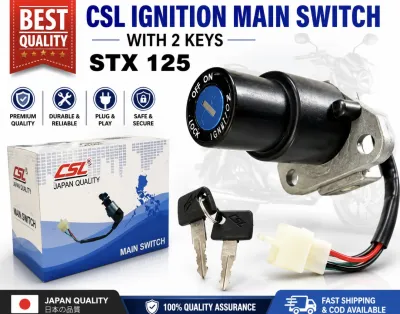
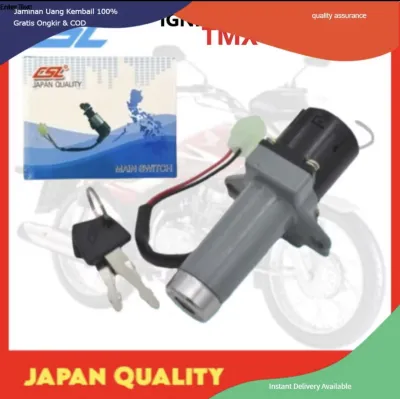

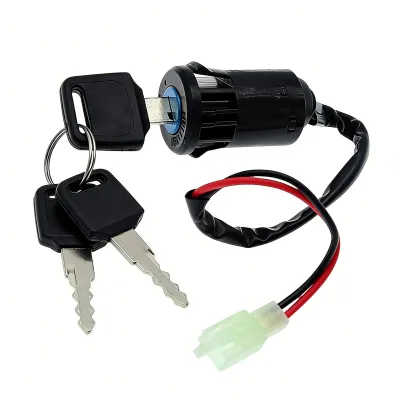
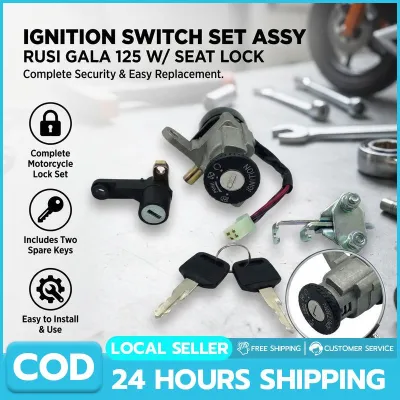
![Motorcycle Ignition Switch Set Assy with Seat Lock for RUSI GALA 125 [TOP SLAE]](https://img.lazcdn.com/g/p/b77c2079bc4580ae77acf7e97151a61e.jpg_400x400q80.jpg_.webp)
![[DOKI MOTO] IGNITION SWITCH TMX 155/125 ALPHA](https://img.lazcdn.com/g/p/80609aa4565caa9646792482b9d474f2.jpg_400x400q80.jpg_.webp)
![[COD] WHPHous Ship within 24 hours Ignition Switch Key Power Lock Universal Electric Bicycle Biking Portable Dustproof Cycling Parts for Electric Scooter](https://img.lazcdn.com/g/p/08b10f63c7e1a653f1a993bd506299f4.jpg_400x400q80.jpg_.webp)
Prices are valid at publication and may change. Please refer to the product page for the latest price.
Unexpected engine stalling while driving or idling is another critical symptom. The ignition switch must maintain a continuous electrical connection to the engine control unit and the fuel delivery system while in the “On” or “Run” position. If the internal contacts are loose or damaged, a sudden bump on the road or even the weight of a heavy keychain can momentarily break the connection. This cuts power to the ignition coils and fuel pump, causing the engine to stall instantly, which poses a significant safety risk on busy roads.
Intermittent electrical accessory failures often point directly to a faulty switch. The “Accessory” and “On” positions power different cabin systems, such as the radio, power windows, and air conditioning fan. If only specific contacts within the switch fail, you might notice these systems suddenly losing power while the engine continues to run. Alternatively, the dashboard warning lights might flicker or fail to illuminate during the initial key turn, indicating that the instrument cluster is not receiving stable voltage.
Mechanical resistance when turning the key, a loose key feel, or the key getting stuck in the ignition cylinder indicates physical wear. Over years of use, the mechanical ignition cylinder—which houses the key tumbler—can wear down alongside the electrical switch behind it. You might experience physical resistance when trying to turn the key, or the key might feel unusually loose in the cylinder. In severe cases, the key can become physically stuck in a specific position, or it may even be possible to pull the key out of the ignition while the engine is still running.
Ruling Out Other Ignition and Electrical Issues
Because ignition switch symptoms overlap with other electrical failures, ruling out alternative culprits is a necessary step before purchasing replacement parts.

Verifying battery health and terminal connections should always be your first step. In humid tropical climates, battery terminals are highly susceptible to corrosion, which restricts current flow. Clean any white or green powdery deposits using an authorized terminal cleaner and ensure the clamps are tight and secure. A weak battery can be verified using a dedicated battery tester or by observing if the headlights dim significantly when you try to start the engine.
Differentiating total electrical loss from spark plug wear or ignition coil issues is crucial for an accurate diagnosis. Worn spark plugs or failing ignition coils typically cause engine misfires, rough idling, or a sluggish response during acceleration. These issues do not cut off total electrical power to the dashboard or accessories. If your engine cranks vigorously but fails to catch, or if it runs poorly but does not experience sudden, complete electrical blackouts, the problem is more likely related to the fuel delivery system, spark plugs, or ignition coils rather than the ignition switch.
Checking the starter motor and alternator output helps isolate the power delivery path. A failing starter motor can mimic a bad ignition switch by refusing to crank the engine. To isolate the starter, listen for a single loud click when turning the key, which often indicates the starter solenoid is receiving power but the motor itself is seized. To check the alternator, verify that the battery is holding a charge after the vehicle has been running; a failing alternator will gradually drain a healthy battery, leading to dimming lights and eventual stalling, whereas a bad ignition switch cuts power abruptly regardless of battery charge.
How to Safely Test the Ignition Switch
Testing the ignition switch requires careful handling of the vehicle’s electrical system to avoid short circuits or damage to sensitive electronic modules.
Begin with a thorough visual inspection of the ignition cylinder, steering column housing, and wiring harness. Disconnect the vehicle’s negative battery terminal to prevent accidental short circuits before removing any trim pieces. Carefully remove the plastic steering column shrouds according to your vehicle’s service manual to access the back of the ignition switch. Inspect the wiring harness and plastic connectors for signs of overheating, melted plastic, or corrosion, which are clear indicators of high electrical resistance and contact failure.
Using a multimeter allows you to check for continuity and specified voltage at the switch terminals. Reconnect the battery only when prepared to perform voltage tests, keeping safety boundaries in mind. Set your digital multimeter to the direct current (DC) voltage setting and refer to the vehicle’s official wiring diagram to identify the input and output terminals of the switch. Test for continuity in the different key positions (Off, Accessory, On, Start) to ensure voltage flows to the correct circuits without dropping significantly across the switch contacts.
Working around the steering column carries inherent risks, particularly regarding the supplemental restraint system (SRS) or airbag module. Accidental deployment of an airbag can cause severe injury and expensive damage. If your vehicle is equipped with an advanced engine immobilizer, steering column lock, or complex anti-theft system, attempting to bypass or modify the wiring can lock the ECU. If you are unsure of the wiring paths, or if the vehicle manual specifies specialized diagnostic tools, stop testing immediately and consult a qualified automotive technician.
When to Repair vs. Replace the Ignition Switch
Deciding whether to repair or replace the ignition switch depends on whether the failure is mechanical or electrical, as well as the overall condition of the assembly.
If the primary issue is mechanical stiffness or a sticky key cylinder, a complete replacement may not be necessary. Applying an authorized, non-conductive lock cylinder lubricant can free up stuck tumblers and restore smooth mechanical operation. Avoid using heavy oils or household lubricants, as these can attract dust and debris over time, eventually clogging the internal mechanism and causing electrical contact failure.
A full replacement of the electrical switch portion is required if you observe burnt wiring, melted plastic housings, or if multimeter testing reveals internal contact failure. If the switch cannot reliably maintain continuity in the “On” or “Start” positions, cleaning will not restore the worn-out metal contacts inside. Additionally, modern vehicles with integrated immobilizer modules often require a complete assembly replacement if the transponder receiver ring fails to communicate with the key.
When deciding between a DIY replacement and professional service, verify compatibility with your specific vehicle model, year, and documentation before purchasing any parts. While purchasing an aftermarket ignition switch from an authorized retailer or online marketplace is relatively affordable, professional labor rates in ₱ must be weighed against the risk of damaging sensitive steering column components. For older vehicles with simple mechanical setups, a DIY swap is highly feasible, but newer models with electronic steering locks and coded keys generally warrant professional installation to ensure road legality and safety.
Frequently Asked Questions (FAQ)
Can a bad ignition switch drain the car battery?
Yes, a faulty ignition switch can cause a parasitic battery drain if the internal electrical contacts remain closed after you turn off the engine and remove the key. If the switch fails to break the connection to the accessory or ignition circuits, power will continue to flow to components like the radio, dashboard display, or engine sensors. Over several hours, this continuous draw will deplete the battery, leaving you with a dead battery when you next attempt to start the vehicle.
Does replacing the ignition switch require a new key?
Replacing only the electrical switch portion of the assembly does not require a new key, as you will retain your original mechanical lock cylinder. However, if you must replace the entire mechanical ignition cylinder due to physical wear or damage, the new cylinder will come with a different set of keys. For vehicles equipped with transponder keys or immobilizer systems, any new key must be electronically programmed to match the vehicle’s engine control unit before the car will start.
Community discussion
Share your experience or ask a question. Comments are reviewed before publication.