
Riding a scooter in the Philippines means dealing with intense tropical heat, high humidity, and sudden downpours. For owners of the Yamaha Mio Soulty, one of the most immediate comfort challenges is the temperature of the seat after the scooter has been parked under the midday sun. Standard seats can quickly reach temperatures that make riding uncomfortable or even painful, prompting many riders to look for aftermarket solutions. Installing specialized cooling matting for mio soulty scooters is a practical and effective way to manage this heat buildup and improve your daily commute.
Choosing the right cooling seat mat requires understanding how different materials interact with solar radiation, ambient humidity, and your body. The two primary options available on the market are “ice silk” fabric mats and 3D spacer mesh mats. Each material utilizes a distinct physical mechanism to manage heat, and each comes with its own set of advantages and maintenance requirements under tropical conditions.
Before purchasing any aftermarket accessory, it is essential to evaluate how it fits your specific scooter model. A poorly fitting mat can slide during sudden stops, block access to your under-seat storage, or degrade rapidly when exposed to heavy rain. This guide breaks down the science behind seat heat buildup, compares the leading cooling materials, and outlines the safety and maintenance checks you should perform to keep your ride comfortable and secure.
Products mentioned in this guide
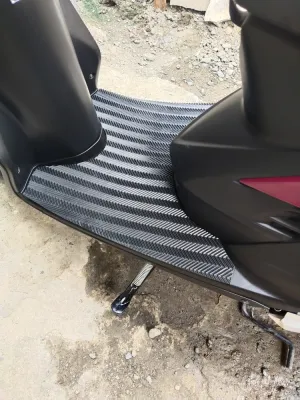
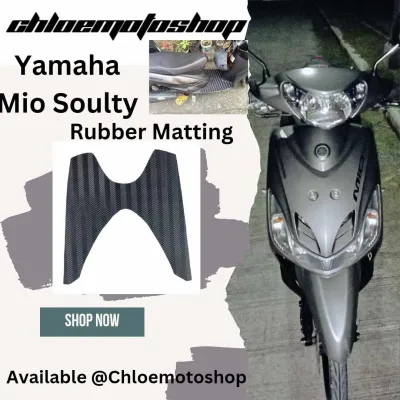
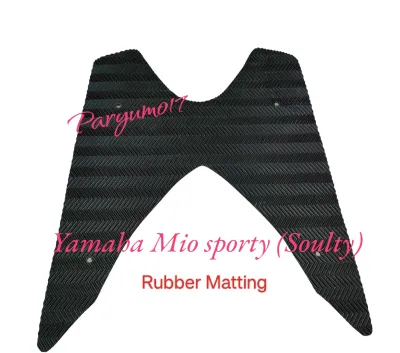
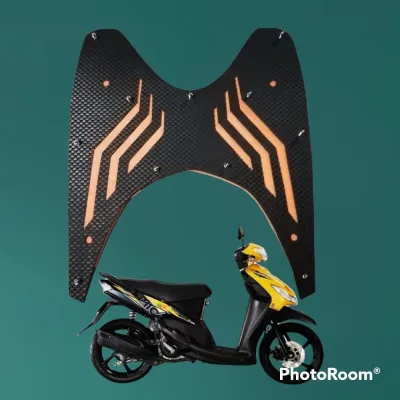
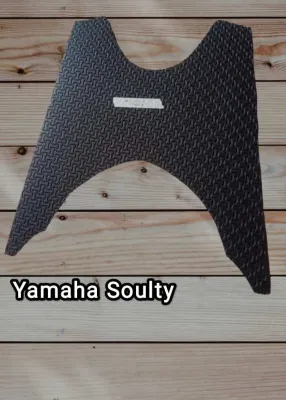
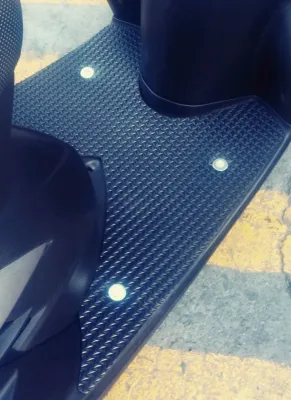
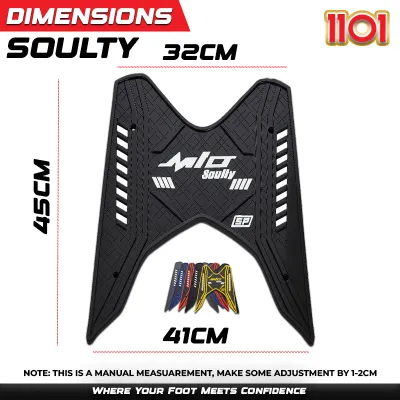
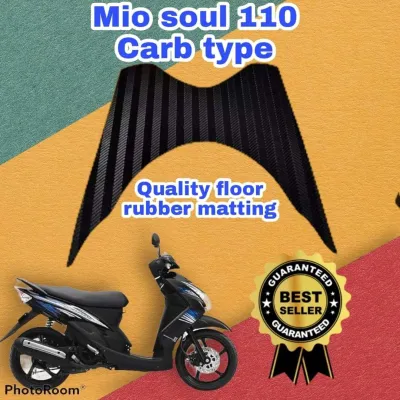
Prices are valid at publication and may change. Please refer to the product page for the latest price.
Why Standard Scooter Seats Trap Heat in Tropical Climates
The standard seat of the Yamaha Mio Soulty is upholstered in synthetic leather, typically made from vinyl (polyvinyl chloride) or polyurethane. While these materials are chosen by manufacturers for their durability, water resistance, and cost-effectiveness, they have poor thermal properties when exposed to direct sunlight. Dark-colored, non-porous synthetic leather absorbs a high percentage of solar radiation, converting light energy into thermal energy and trapping it within the dense foam cushion underneath.
Because synthetic vinyl is non-porous, it lacks any natural ventilation or breathability. When you sit on a hot vinyl seat, there is no pathway for air to circulate or for body heat to escape. Instead, the heat trapped in the seat is transferred directly back to your body through conduction. In the high-humidity environment of the Philippines, this lack of airflow also prevents sweat from evaporating, leading to a sticky, humid interface between your clothes and the seat.
Beyond the obvious physical discomfort, riding on an excessively hot seat presents subtle safety risks. When the seat surface is painfully hot, riders often adopt unnatural postures, such as shifting their weight constantly, sitting too far forward, or lifting themselves slightly off the seat during acceleration and braking. These movements compromise your stability, reduce your control over the handlebars, and distract you from the road. Ensuring a stable, comfortable seating surface is directly linked to maintaining proper riding ergonomics and safety.
Adding a specialized cooling seat mat alters the physical interface between your body and the scooter seat. By introducing either a highly conductive material that draws heat away or a structured air gap that allows ventilation, these mats prevent the direct transfer of stored thermal energy. This simple modification can lower the surface temperature of your seating area, making your daily commute significantly more bearable even during the hottest hours of the day.
Ice Silk vs. Mesh: Comparing Cooling Seat Mat Materials
When searching for cooling matting for mio soulty, you will primarily encounter two material categories: ice silk (often paired with cooling gel) and 3D spacer mesh. Both options aim to reduce heat discomfort, but they do so through entirely different physical properties. Understanding these differences is key to choosing a mat that aligns with your typical riding duration, parking conditions, and maintenance preferences.

Ice Silk and Cooling Gel Mats
Ice silk is a marketing term for specialized synthetic fabrics woven from modified viscose, polyester, or nylon fibers. These fibers are engineered to have high thermal conductivity, meaning they can rapidly absorb and dissipate heat from your body. When you first sit on an ice silk mat, it feels remarkably cool to the touch because it quickly draws heat away from your skin, providing immediate relief.
Some premium ice silk mats incorporate an inner layer of cooling polymer gel. This gel acts as a temporary heat sink, absorbing body heat over the course of your ride to delay the sensation of warmth. However, gel-based mats have a finite heat capacity; once the gel reaches thermal equilibrium with your body and the ambient air, the cooling sensation diminishes. Additionally, if the scooter is parked in direct sunlight without a rider, the gel will absorb solar energy and can become exceptionally hot, retaining that heat for a long period.
Maintenance is a critical consideration for ice silk and gel mats in tropical climates. The synthetic fibers can degrade over time when exposed to the intense ultraviolet (UV) radiation common in the Philippines. Furthermore, if the mat is subjected to heavy tropical downpours, water can seep into the fabric layers. If the mat contains gel, you must regularly inspect it for physical damage or leakage, as compromised gel layers can ruin your original vinyl upholstery.
For riders who primarily park in covered areas or garages and make relatively short commutes, ice silk provides a smooth, comfortable, and aesthetically pleasing surface. It offers a premium feel against bare skin, making it a popular choice for those who wear shorts during casual weekend rides. However, its performance under prolonged, direct solar exposure requires careful management.
3D Mesh and Airflow Mats
Unlike fabric-based mats, 3D spacer mesh mats rely on structural engineering rather than material conductivity to keep you cool. These mats feature a double-raschel knit construction, consisting of two layers of mesh separated by a network of resilient vertical polyester pillars. This unique design creates a permanent, springy air gap of several millimeters between your body and the hot vinyl seat.
This structural air gap allows continuous cross-ventilation while the scooter is in motion. As you ride, air flows freely through the mesh, carrying away body heat and facilitating the rapid evaporation of sweat. This passive cooling mechanism does not saturate over time; as long as the scooter is moving, the airflow continues to dissipate heat, making 3D mesh highly effective for long-distance rides and extended daily commutes.
In wet weather, 3D mesh performs exceptionally well compared to solid fabrics. Because the material is highly porous and hydrophobic, water does not pool on the surface. After a sudden tropical downpour, most of the water simply drains straight through the mesh, allowing the mat to dry rapidly once the rain stops or with a quick shake. This minimizes the risk of dampness soaking into your clothing during your ride.
There are, however, a few trade-offs to consider with 3D mesh. The textured surface can feel slightly rough or abrasive against bare skin, which may be uncomfortable if you frequently ride in shorts. Additionally, because the mesh must be thick enough to maintain the air gap under your weight, it adds a small amount of height to the seat, which might affect the riding posture or ground reach for shorter riders.
What to Verify Before Buying a Seat Mat for Mio Soulty
Because the Yamaha Mio Soulty has a compact, distinctively shaped seat that tapers toward the front, purchasing a generic, one-size-fits-all seat mat can lead to safety and usability issues. Before finalizing your purchase on any online marketplace or at a local accessory shop, verify several physical and safety specifications to ensure a proper fit.
- Fit and Coverage: Measure the length and width of your Mio Soulty seat and compare these dimensions against the product specifications. A mat that is too large will sag over the edges, which can catch on your clothing when you mount or dismount, or interfere with your legs when stopping at traffic lights. Conversely, a mat that is too small will leave significant portions of the seat exposed, creating hot spots that defeat the purpose of the accessory.
- Anti-Slip Backing: Riding safety depends heavily on a stable seating surface. Ensure the underside of the cooling mat features a robust anti-slip backing, such as high-density silicone dots or a rubberized mesh texture. The mat must remain firmly anchored to the seat during sudden braking, sharp cornering, or wet weather conditions. A sliding mat can cause you to lose balance or shift unexpectedly, creating a serious road hazard.
- Seat Latch Clearance: The Mio Soulty features an under-seat storage compartment (U-box) accessed by lifting the seat. The cooling mat's mounting straps or overall thickness must not obstruct the seat hinge or prevent the locking mechanism from latching securely. If the straps are too thick or poorly positioned, they can prevent the seat from locking, leaving your stored helmet or valuables vulnerable to theft, or allowing water to enter the compartment during rain.
- Material Labels and Quality: Look for product listings or tags that explicitly state UV resistance and quick-dry capabilities. Avoid relying solely on vague marketing terms like "ultra-cooling" or "heavy-duty." Instead, verify if the manufacturer provides clear care instructions, material compositions (such as heavy-duty polyester for mesh), and guidelines on weather exposure. High-quality mats will feature reinforced stitching along the borders to prevent fraying under daily wear.
Installation, Care, and Maintenance for Tropical Conditions
Proper installation and routine maintenance are essential to maximize the lifespan of your cooling mat and protect your scooter’s original seat. High humidity and heavy rain can lead to moisture accumulation underneath the mat, which can damage the vinyl or promote mold growth if left unaddressed.
When installing the mat, carefully route the built-in elastic straps or hooks underneath the seat pan. Ensure the straps are pulled taut but not over-tightened, as excessive tension can warp the plastic seat pan or snap the elastic bands over time. Double-check that the straps do not pinch any electrical wiring underneath the seat and that they do not block or obscure the rear tail light, turn signals, or grab rails.
Routine cleaning is straightforward but must be done correctly to avoid damaging the materials. For 3D mesh mats, regularly shake out accumulated dust and road debris, then wipe the surface with a damp microfiber cloth. If the mesh is heavily soiled, wash it gently using water and a mild, neutral soap; avoid harsh chemical cleaners, bleach, or stiff-bristled brushes, which can degrade the polyester fibers or strip away the anti-slip backing.
If you choose an ice silk mat, check the care label for specific washing instructions. Most ice silk fabrics require gentle hand-washing in cool water to preserve the structural integrity of the cooling fibers. Never wring out the fabric aggressively or place it in a mechanical dryer, as high heat can melt or warp the synthetic fibers and ruin the cooling properties.
Regardless of the material, always allow the mat to air-dry completely in a shaded, well-ventilated area before reinstalling it on your scooter. Placing a damp mat back onto the vinyl seat traps moisture in a dark, warm environment, which quickly leads to mold, mildew, and unpleasant odors. Periodically inspect the underside of the mat and the original seat surface to ensure both remain clean, dry, and free of physical wear.
Practical Habits to Minimize Seat Heat Buildup
While a high-quality cooling mat significantly reduces the temperature of your ride, combining it with smart parking and preparation habits will yield the best results. These zero-cost behavioral strategies help prevent heat from building up in the first place, ensuring your seat remains comfortable even on the hottest days.
Whenever possible, prioritize parking your scooter in shaded areas, such as under trees, building overhangs, or indoor parking structures. If you must park in direct sunlight, consider using a portable, reflective silver sunshade designed for motorcycles. These lightweight covers drape over the entire seat and reflect a high percentage of solar radiation, keeping the underlying seat and matting cool.
Another simple technique is to carry a small, clean microfiber cloth in your under-seat compartment. Before mounting your scooter after it has been parked in the sun, lightly dampen the cloth with water and wipe down the seat surface. The water will absorb the surface heat and evaporate rapidly, utilizing the physical principle of evaporative cooling to lower the seat temperature in seconds. Ensure you wipe the surface dry afterward to prevent any slipping hazards while riding.
Finally, if you know your scooter will be parked outdoors for several hours, you can temporarily remove the cooling mat and store it inside your U-box or backpack. This simple step protects the mat from direct UV exposure and unexpected rain showers, ensuring that when you return to your scooter, you have a dry, cool mat ready to install for your journey home.
Frequently Asked Questions (FAQ)
Will a thick mesh seat mat affect my balance or riding posture?
A 3D spacer mesh mat typically adds between 5 to 10 millimeters of height to your seat. While this minor increase does not significantly alter your scooter’s center of gravity or overall balance, it can slightly affect your ground reach. If you are a shorter rider who already struggles to flat-foot the Yamaha Mio Soulty, this extra thickness might require you to slide slightly forward or tilt the scooter to one side when coming to a complete stop. It is advisable to test the seat height after installation to ensure you can still comfortably and safely support the vehicle at intersections.
Can I use a standard car cooling seat pad on my scooter?
You should avoid using automotive cooling pads on your scooter. Car seat pads are designed for enclosed cabin environments and lack the weatherproofing necessary to withstand direct rain, wind, and intense UV exposure. Furthermore, they do not feature the specialized mounting straps or highly slip-resistant backing required for the dynamic movements of a two-wheeled vehicle. Using a car pad on a scooter can result in the mat sliding off during a turn, blocking your access to the under-seat storage compartment, or deteriorating rapidly after a single rainstorm.
Community discussion
Share your experience or ask a question. Comments are reviewed before publication.