
Selecting the right dirt bike boots for long-distance trail riding requires balancing rigid joint protection with sustained comfort, high-grip walkability, and weather adaptability. Unlike short motocross track sessions where riders face predictable surfaces and frequent breaks, long-distance trail riding demands gear that can handle hours of continuous vibration, unpredictable terrain, and changing weather conditions. To protect your feet and ankles from injury while avoiding debilitating fatigue, you must look for boots that offer mechanical ankle hinge systems, shock-absorbing midsoles, and high-traction soles engineered for both riding and walking.
Investing in the wrong boots can lead to painful pressure points, wet feet, or inadequate protection during a fall. By focusing on specific construction details and fitment practices, you can find a pair of dirt bike boots that keeps you safe and comfortable from morning until dusk on the trails.
Why Long-Distance Trail Riding Demands Specific Boot Features
Long-distance trail riding presents physical challenges that differ significantly from closed-course motocross. On a motocross track, rides are typically short, intense bursts on groomed dirt with predictable obstacles. In contrast, multi-hour trail riding exposes you to cumulative physical fatigue, sudden weather shifts, and a massive variety of terrain, including loose gravel, deep mud, slick river rocks, and fallen logs.
Products mentioned in this guide
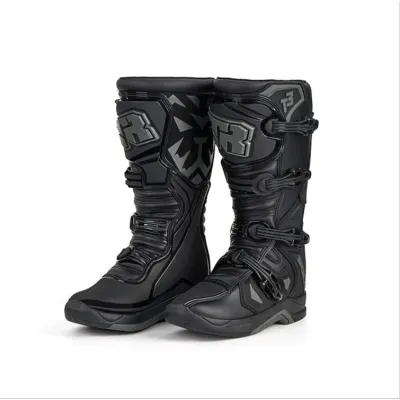
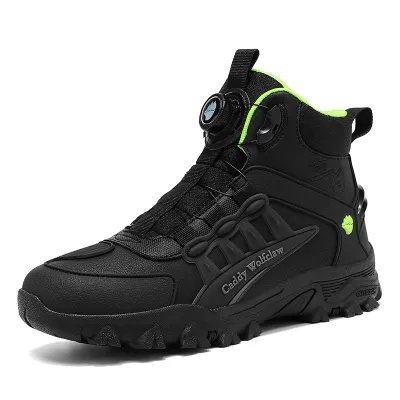
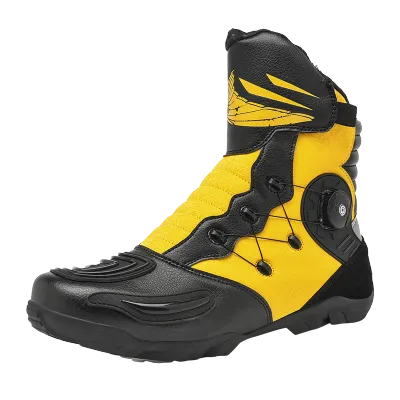
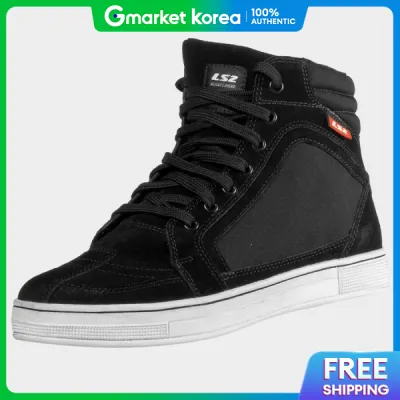
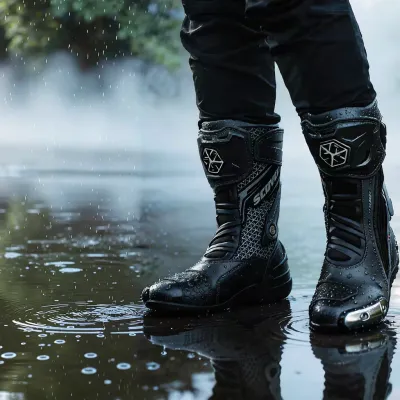
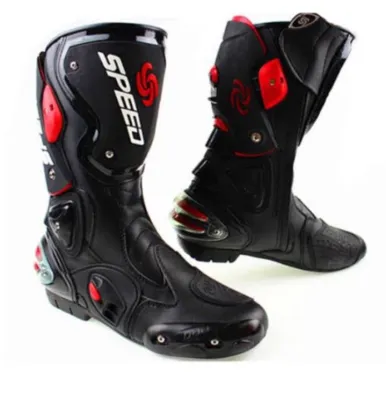
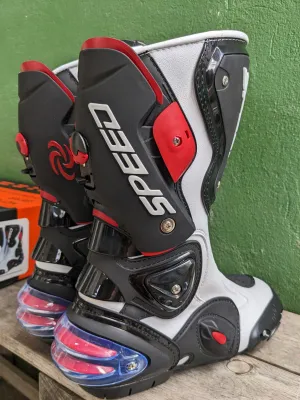
Prices are valid at publication and may change. Please refer to the product page for the latest price.
Over several hours, the constant standing, shifting, and braking place immense strain on your feet, ankles, and calves. Furthermore, trail riders frequently encounter situations where they must dismount. Whether you are scouting an obstacle, clearing a fallen branch, or pushing your bike out of a deep mud hole, your boots must function as walking footwear on unstable ground. A boot designed solely for the track acts like a rigid ski boot, making walking difficult and increasing the risk of slipping on wet or uneven surfaces.
When choosing boots for long adventures, your decision-making framework must shift. While track riders prioritize maximum, unyielding rigidity for high-impact jump landings, long-distance trail riders must prioritize sustained comfort, joint protection, and environmental adaptability. The goal is to find a boot that shields you from high-speed impacts and crushing forces while remaining flexible enough to prevent hot spots and muscle fatigue over a full day of riding.
Essential Boot Features for Multi-Hour Trail Comfort and Safety
To find a boot that can withstand the rigors of long-distance off-road riding, you need to evaluate its design across three critical dimensions: joint articulation, internal comfort, and external durability.

Advanced Ankle Support and Hinge Systems
Ankle injuries are among the most common risks in off-road riding, making robust ankle protection non-negotiable. For long-distance rides, look for boots featuring mechanical hinges or multi-density pivot systems. These systems allow natural forward and backward flexion, which is essential for smooth shifting and braking over several hours. At the same time, they act as a hard stop to prevent dangerous lateral twisting (inversion and eversion) and hyperextension during a crash or when dabbing a foot at speed.
Before purchasing, check how the boot’s articulation aligns with your specific motorcycle’s ergonomics. Stand on your footpegs and simulate shifting and braking to ensure the hinge system does not bind or pinch. Different bike setups, such as a dual-sport with a low shifter versus a dedicated enduro bike with high pegs, require slightly different ankle angles.
Additionally, verify the manufacturer’s specifications regarding hinge maintenance. Some high-end pivot systems require periodic cleaning, lubrication, or even replacement of wear-resistant inserts to maintain their protective qualities. Do not assume a boot offers superior protection or longevity based solely on a premium brand name; inspect the physical hinge design and verify its safety certifications, such as CE rating EN 13634, to confirm its protective capabilities.
All-Day Comfort, Cushioning, and Fit
Continuous engine vibrations and trail impacts can quickly cause foot numbness and fatigue if your boots lack proper internal cushioning. Look for boots equipped with multi-layered, shock-absorbing insoles and polyurethane midsoles. These components dampen the high-frequency vibrations transmitted through the metal footpegs, preserving sensation and control in your feet over long distances.
Inside the boot, moisture-wicking liners and antimicrobial treatments are vital, especially when riding in warm, humid climates. Sweat accumulation not only causes discomfort but also softens the skin, making it highly susceptible to painful friction blisters. A high-quality liner pulls moisture away from your skin and helps regulate temperature throughout the day.
Finally, evaluate the closure system. Look for micro-adjustable buckles and flexible top gaiters. During a long ride, especially in hot weather, your feet and lower legs will naturally swell due to increased blood flow and physical exertion. Buckles that allow precise, incremental adjustments let you loosen the fit slightly during trailside breaks without compromising the overall security and safety of the boot when you resume riding.
Durability, Grip, and Climate Adaptability
While motocross boots typically feature smooth, hard rubber soles designed to slide easily along footpegs, long-distance trail boots require a different sole compound and tread pattern. Look for a lugged or hybrid sole that offers reliable traction on wet clay, slippery rocks, and loose dirt. This grip is essential when you have to stop on an incline, dab a foot in a muddy turn, or walk your bike through a technical section.
Climate adaptability is another critical factor, particularly in tropical environments where heavy downpours and river crossings are common. You must balance the need for waterproofing with breathability. Boots with fully waterproof membranes (such as Gore-Tex or proprietary breathable waterproof liners) keep your feet dry during rain and shallow water crossings, but they can trap heat in high-temperature conditions. Conversely, boots with water-resistant coatings or treated leather offer better airflow but will eventually let water in during sustained wet weather.
Always check the product labels and manufacturer specifications to understand the exact nature of the material treatments used. Do not rely on generic marketing terms like “all-weather” or “trail-ready.” If you frequently ride in wet, muddy regions, a dedicated waterproof membrane is often worth the investment, whereas riders in drier, hotter areas should prioritize maximum ventilation and airflow panels.
Balancing Riding Protection with Trail Walkability
Choosing a trail boot involves navigating a direct trade-off between maximum structural stiffness and walking flexibility. A stiffer boot, typical of professional motocross gear, offers the highest level of protection against crushing forces, flying rocks, and ankle twists. However, this rigidity makes walking incredibly awkward and tiring, which can become a safety hazard if you need to hike out of a remote trail or spend time clearing obstacles.
To find the right balance, assess the boot’s sole construction. Look for a sole with a graduated flex point, which remains stiff under the arch of the foot for peg support but allows slight flexing at the ball of the foot for natural walking steps. A slightly curved heel design and a spacious toe box also improve walking stability on uneven, slippery ground.
Your specific route profile should guide where you fall on this spectrum:
- High-Speed, Rocky Trails: If your routes consist of fast fire roads and rocky paths where high-speed impacts are likely, lean toward a stiffer, more protective boot with a mechanical hinge.
- Technical, Slow-Speed Enduro: If you frequently tackle tight, muddy single-tracks, steep climbs, and riverbeds where you are likely to push, pull, or hike, prioritize a boot with a lugged sole, moderate flexibility, and a lighter overall weight.
How to Properly Fit and Break In Boots Before a Long Ride
To ensure your safety and comfort, never embark on a multi-hour, remote trail ride in a pair of brand-new, unbroken boots. Doing so is a recipe for severe blisters, bruised shins, and restricted ankle movement, which can prevent you from operating your rear brake or shifter quickly in an emergency.
When trying on new boots, wear the exact riding socks, pants, and protective gear, such as knee braces or knee guards, that you plan to use on the trail. This ensures that the calf and shin areas of the boot can accommodate the extra bulk without pinching or restricting your circulation. Secure all buckles starting from the bottom up, stand on a flat surface, and check that your toes have enough room to wiggle slightly without hitting the front of the toe box when you lean forward.
Once you have verified the fit, begin a gradual, safe break-in process:
- Wear them at home: Wear the boots around your house for an hour or two at a time. This allows your body heat to soften the synthetic plastics and leather, helping the boot conform to the unique shape of your foot.
- Perform short local rides: Take a few short, low-speed rides around your neighborhood or local practice area. Use this time to adjust your bike's shift lever and rear brake pedal height if the thicker sole of the new boots makes operating the controls difficult.
- Check for pressure points: Inspect your feet after each short session. If you experience persistent pain, hot spots, or severe pressure points, stop wearing the boots and consult the manufacturer's fitment guide or seek professional advice from an authorized gear specialist.
Always follow the manufacturer’s specific care and conditioning instructions. Some leather-heavy boots benefit from specialized leather conditioners to assist the break-in process, while synthetic boots should only be cleaned with mild soap and water to avoid damaging the protective polyurethane panels.
Frequently Asked Questions (FAQ)
Do I need a specific boot size if I wear knee braces?
Knee braces add significant bulk around the lower calf and upper shin, which can make buckling your boots difficult. While you generally do not need to buy a larger boot size, as the footbed size remains the same, you must ensure the boot has an adjustable calf opening. Look for boots with adjustable upper straps, expandable gaiters, or removable shin plate inserts. Always try the boots on while wearing your knee braces to verify that you can achieve a secure, comfortable closure without restricting blood flow.
Can I use motocross boots for long-distance trail riding?
While you can wear motocross boots for trail riding, they are not ideal for long-distance adventures. Motocross boots are engineered for maximum impact protection on closed tracks, resulting in extreme stiffness and flat, smooth soles that offer very little traction on wet dirt, mud, or rocks. If your trail rides involve navigating technical obstacles on foot, pushing your motorcycle, or riding for consecutive days, choosing an enduro- or trail-specific boot with a lugged sole and a mechanical hinge will provide much better comfort, walkability, and control.

Community discussion
Share your experience or ask a question. Comments are reviewed before publication.