
Commuting on a motorcycle through busy Philippine streets requires gear that can handle both sudden downpours and intense tropical heat. While full-height track boots offer maximum safety, they are highly impractical for navigating stop-and-go urban traffic or walking around an office. Finding the right motorcycle racing shoes for daily commuting means looking for sport-inspired riding shoes that blend essential ankle and toe armor with breathable materials, flexible soles, and reliable grip on wet, oil-slicked asphalt.
By focusing on hybrid designs that bridge the gap between track-level protection and everyday walkability, you can maintain a high level of safety without sacrificing comfort. The key is knowing which technical features to prioritize so your daily ride remains safe, dry, and comfortable throughout the year.
The Trade-Off: Track Protection vs. Urban Comfort
Pure racing boots are engineered specifically for the track, featuring rigid ankle braces, tall shin guards, and stiff soles designed to keep your feet locked in a protective shell. While this rigidity is excellent for high-speed slides, it makes walking even short distances incredibly awkward and causes rapid fatigue during a typical urban commute. The stiff construction limits your ankle movement, making it difficult to react quickly when walking through office hallways or stepping over roadside obstacles.
Products mentioned in this guide
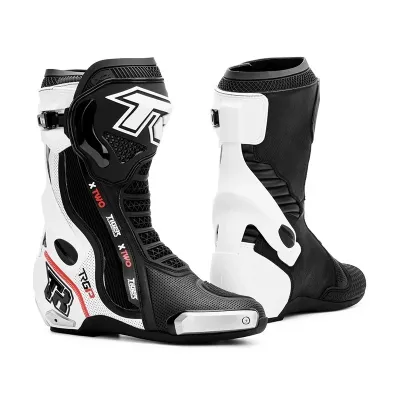
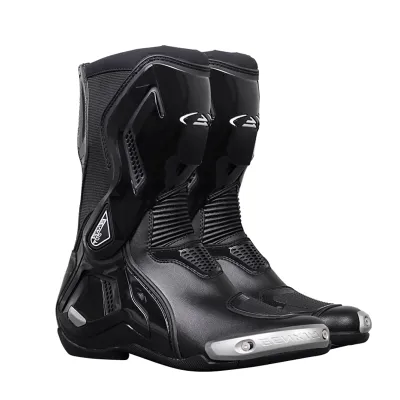
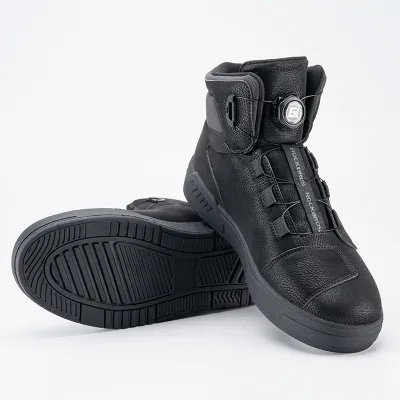
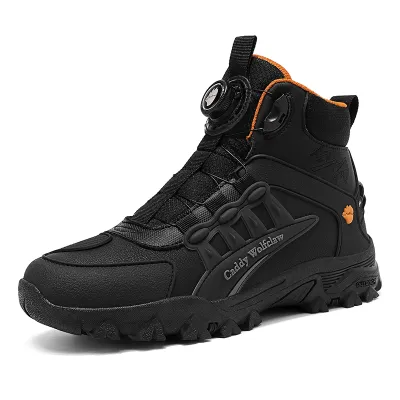
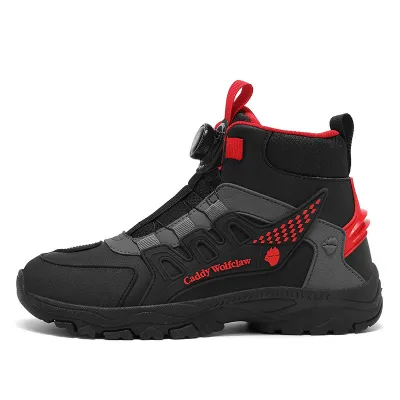
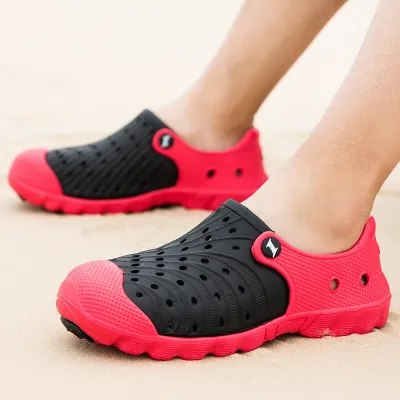
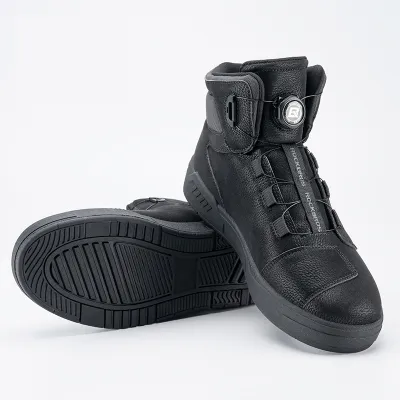
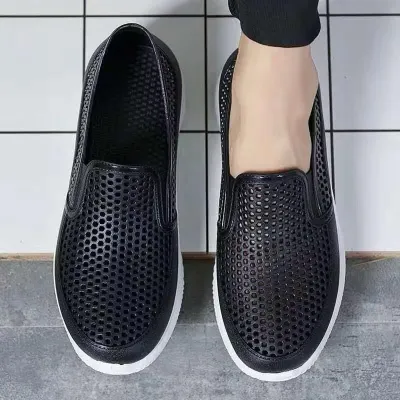
Prices are valid at publication and may change. Please refer to the product page for the latest price.
In a commuter context, “racing shoes” or “sport riding shoes” refer to ankle-height footwear that mimics the styling and key safety features of track boots but uses a shorter cut and more compliant materials. These shoes retain critical reinforcements around the heel, toe, and ankle while allowing your foot to bend naturally. This design provides a practical balance for riders who want a sporty aesthetic and robust protection without the bulk of a full-length boot.
Choosing these hybrid shoes involves a conscious compromise. You trade the absolute shin protection and extreme torsional rigidity of a full-length racing boot for the flexibility, lighter weight, and ventilation needed to survive daily traffic. This trade-off ensures you actually wear your protective gear every day rather than leaving it in a closet because it is too uncomfortable for daily use.
Essential Features for Daily Commuting in the Philippines
The Philippine climate presents unique challenges for riders, characterized by high humidity, intense afternoon heat, and sudden, heavy rainstorms. Your choice of riding footwear must be able to adapt to these rapid environmental shifts without compromising your control of the motorcycle. Standard footwear simply cannot withstand the combination of tropical weather and mechanical wear.

A primary consideration is how the shoe manages moisture, both from external rain and internal sweat. While a fully sealed shoe keeps water out, it can quickly turn into a portable sauna in tropical weather, leading to discomfort and skin irritation over long rides. The right footwear must balance these two extremes to keep your feet comfortable in varying conditions.
Furthermore, urban roads are often coated with a mixture of engine oil, dust, and water, especially at busy intersections in metropolitan areas. The sole of your riding shoe must provide immediate, reliable traction when you drop your foot at a red light, preventing slips on painted lane markings or slick concrete. A loss of footing at a stop can easily lead to an embarrassing and costly tip-over.
Frequent gear shifting in heavy traffic also places immense stress on the upper part of your left shoe. Look for models featuring a dedicated, reinforced shift pad made of durable rubber or TPU to prevent the gear lever from wearing through the fabric. This reinforcement protects the shoe from premature wear and cushions your toes from the repetitive pressure of shifting gears.
Balancing Breathability and Water Resistance
Deciding between a highly ventilated mesh shoe and a fully waterproof membrane depends heavily on your daily schedule and route. Perforated leather or heavy-duty mesh shoes allow continuous airflow, keeping your feet cool during hot midday rides, but they offer zero protection against sudden monsoon downpours. If your commute is short and dry, ventilation is often the most comfortable choice.
Conversely, shoes equipped with waterproof liners keep your feet dry during wet commutes, but they trap heat and sweat when the sun comes out. For many commuters, this lack of breathability makes waterproof shoes uncomfortable for year-round daily wear in tropical climates. The trapped moisture can also lead to unpleasant odors and accelerate the degradation of the shoe’s interior lining.
A practical middle ground is to opt for highly ventilated riding shoes for daily dry-season commuting and carry lightweight, packable waterproof boot covers for rainy days. Alternatively, some riders look for shoes treated with water-resistant exterior coatings that shed light road spray while maintaining a degree of breathability, offering a versatile solution for unpredictable weather.
Sole Grip and Walking Ergonomics
The sole of a commuter-friendly sport riding shoe must perform two distinct roles: it must remain stiff enough on the footpegs to prevent arch fatigue, yet flexible enough at the toe to allow natural walking. Look for soles that feature a shank or internal reinforcement for midfoot support while retaining forefoot flexibility. This combination prevents your feet from aching after a long day of riding and walking.
Traction on wet, oily asphalt requires specialized rubber compounds. Look for oil-resistant, high-grip rubber outsoles with deep tread channels designed to disperse water away from the contact patch, ensuring your foot stays planted when you stop. The rubber should feel slightly tacky to the touch, indicating a compound that can grip smooth, wet surfaces effectively.
Avoid smooth, flat soles that mimic pure racing slicks, as these can easily slip on wet metal grates, painted pedestrian crossings, or muddy roadside shoulders. A textured, multi-directional tread pattern provides the necessary bite on unpredictable urban surfaces, giving you the confidence to plant your feet firmly in any situation.
Safety and Protection Standards for Street Riding
Even though commuter riding shoes are more flexible than track boots, they must not compromise on core safety elements. At a minimum, look for shoes that feature reinforced ankle cups (malleolus protectors) on both the inner and outer sides, a stiffened heel counter, and a reinforced toe box. These components shield your feet from impact and abrasion during a fall.
To ensure these protective elements are effective, verify that the footwear meets recognized safety standards. Look for a CE certification label (specifically EN 13634) sewn inside the shoe or tongue, which indicates the footwear has undergone standardized testing for abrasion resistance, impact cut resistance, and transverse rigidity. Relying on marketing terms like “protective” or “moto-inspired” without official certification can leave you vulnerable to substandard gear.
The closure system is another critical safety feature that is often overlooked. Laces must be secured properly; look for shoes that feature a dedicated hook-and-loop strap or a lace garage to cover the knots and prevent them from snagging on your gear shifter, rearsets, or brake pedal. Quick-lace systems, zippers, or micro-adjustable ratchets also offer secure, snag-free closure options that keep the shoe firmly on your foot during an accident.
Fit, Sizing, and Practical Commuting Checks
When trying on motorcycle racing shoes, always wear the specific socks you plan to use during your daily commute. If you wear thick work socks or specialized moisture-wicking riding socks, trying the shoes on with thin athletic socks can lead to buying a size that is too tight, causing painful pressure points during your ride.
Sit down and mimic your riding position to check how the shoes feel when your knees and ankles are bent. Ensure there is no excessive heel lift inside the shoe when you flex your foot, and verify that your toes have enough room to move without pressing hard against the reinforced toe box. Your feet expand slightly in hot weather, so a little wiggle room is essential for long-term comfort.
Finally, consider the practical logistics of your daily routine. If you need to change into formal office shoes upon arrival, look for riding shoes with quick-entry systems, such as side zippers or speed laces, which allow you to transition quickly without spending several minutes wrestling with stiff buckles. A shoe that is easy to put on and take off makes it much easier to commit to wearing proper safety gear every single day.
Frequently Asked Questions (FAQ)
Can I use regular sports sneakers instead of motorcycle racing shoes?
Regular sports sneakers are designed for running or court sports and lack the structural integrity required for motorcycle riding. They offer virtually no protection against crushing forces, and their soft canvas or mesh uppers can tear instantly upon contact with asphalt, leaving your feet vulnerable to severe road rash and fractures. Additionally, standard laces can easily untie and snag on moving motorcycle parts, creating a serious safety hazard.
How do I clean and maintain ventilated riding shoes?
To clean ventilated riding shoes, start by brushing away loose dirt and road grime with a soft-bristled brush. Wipe the exterior with a damp cloth and a mild, pH-neutral soap solution, avoiding harsh chemical detergents or bleach that can degrade protective plastics, synthetic leathers, or breathable membranes. Always allow the shoes to air-dry naturally in a well-ventilated, shaded area away from direct sunlight or artificial heat sources, which can warp the sole and dry out the materials.
Community discussion
Share your experience or ask a question. Comments are reviewed before publication.