
Riding a motorcycle in the Philippines means constantly adapting to unpredictable weather. A sudden afternoon downpour, or buhos, can transform a dry commute into a challenging, wet ordeal in a matter of minutes. For daily commuters, a reliable motorcycle raincoat is not just a matter of comfort; it is a critical piece of safety gear. Standard rainwear often fails under the unique pressures of motorcycle riding, where wind forces water through seams and high humidity causes intense internal condensation. To stay dry and focused on the road, riders must understand the specific technical features that distinguish a high-performance motorcycle raincoat from basic, low-cost alternatives.
Selecting the right gear requires evaluating waterproof ratings, seam construction, visibility elements, ergonomic fit, and ventilation. By focusing on these key specifications, commuters can invest in gear that withstands heavy tropical rain while maintaining the comfort and mobility needed to navigate busy urban streets safely.
Understanding Waterproof Labels and Construction
When evaluating a motorcycle raincoat, the first specifications to examine are the waterproof rating and the physical construction of the garment. Many manufacturers label their products as “waterproof,” but the actual level of protection varies significantly. Waterproof fabric performance is often measured using a hydrostatic head test, which determines how many millimeters of water pressure the material can withstand before moisture penetrates. For daily commuting in heavy tropical downpours, look for a rating of at least 10,000mm. This level of resistance ensures the fabric can withstand both the volume of falling rain and the added pressure of wind forcing water against your chest and thighs at highway speeds.
Products mentioned in this guide
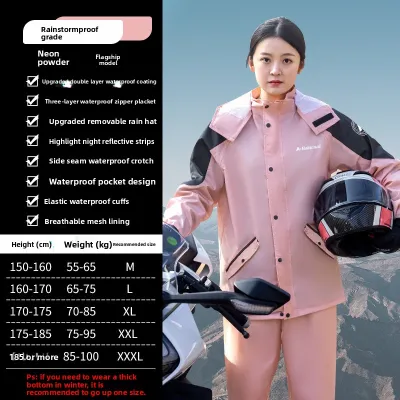
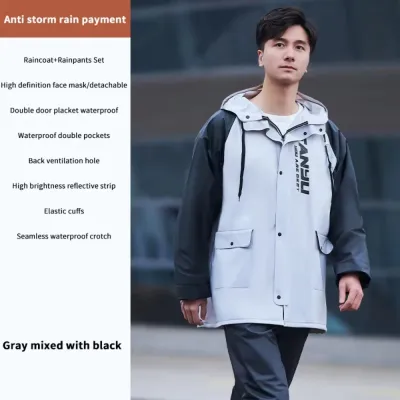
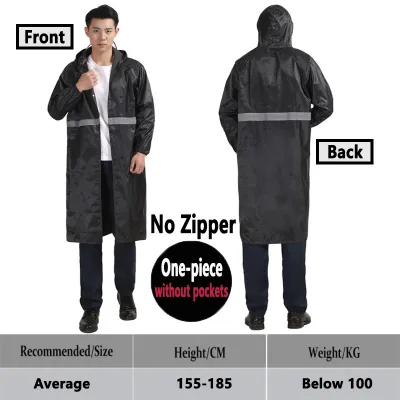
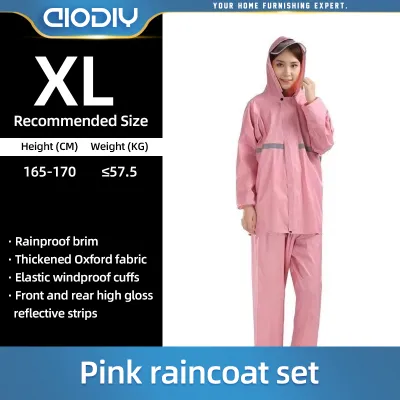
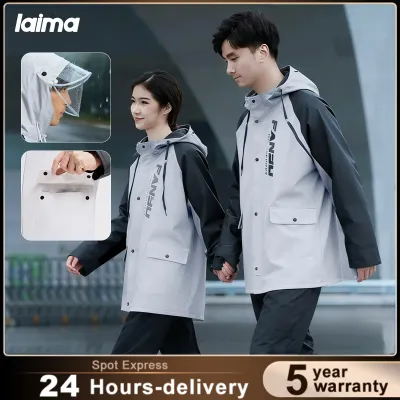
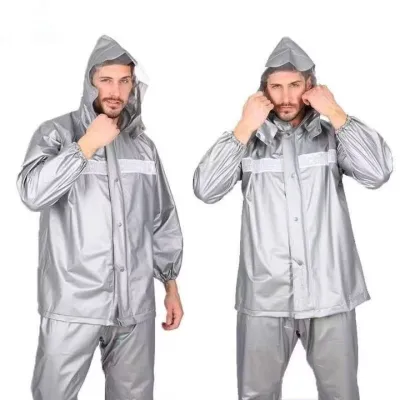
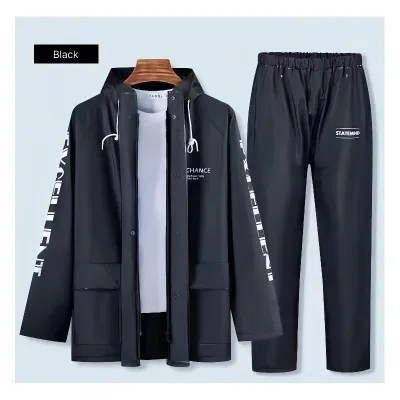
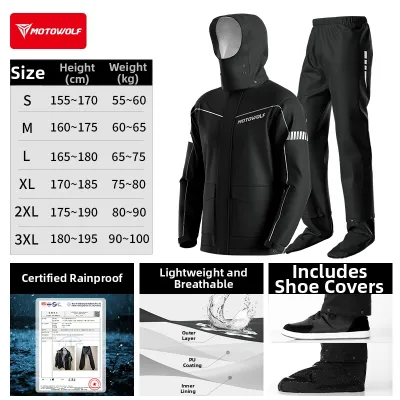
Prices are valid at publication and may change. Please refer to the product page for the latest price.
Beyond the fabric itself, the method used to join the panels of the raincoat is the most common point of failure. Standard sewing needles create thousands of tiny punctures along every seam. Under the pressure of riding winds, water will inevitably seep through these holes, soaking your clothes underneath. To prevent this, high-quality motorcycle raincoats feature fully taped or welded seams. Taped seams seal needle holes with hot-melt thermoplastic tape, while welded seams fuse fabric panels together using heat or radio frequency waves, creating an absolute barrier against water ingress without any stitching.
Closures and pockets represent another major vulnerability during sudden downpours. A standard zipper will allow water to pass directly through its teeth. To counter this, look for raincoats equipped with waterproof zippers coated in polyurethane, or garments that feature a double storm flap system. A storm flap is a wide strip of waterproof fabric that folds over the zipper and secures with heavy-duty velcro or snap buttons, redirecting water away from the opening. Pockets must also be designed with deep fold-over flaps or water-resistant zippers to protect essential personal items, such as your phone, wallet, and vehicle registration documents, from water damage.
Visibility and Safety in Low-Light Conditions
Heavy rain drastically reduces visibility on the road, creating hazardous conditions for motorcyclists. Road spray from larger vehicles, combined with fogged-up car windows and dark, overcast skies, makes it incredibly difficult for other motorists to spot a rider. Therefore, active and passive visibility features are essential components of any commuter raincoat.

Reflective elements are your primary defense against low-light hazards. When choosing a raincoat, evaluate the placement, width, and quality of the retroreflective strips. These strips should be positioned across the upper back, chest, and along the outer sleeves. Reflective piping or panels on the lower legs of rain pants are also highly effective, as the constant movement of your legs catches the headlights of trailing vehicles, immediately signaling your presence as a motorcyclist.
The base color of the raincoat plays an equally important role in daytime and twilight visibility. While dark colors like black or navy blue are popular for hiding road grime, they blend seamlessly into wet asphalt and gray rain clouds, rendering you virtually invisible. Opting for high-visibility colors—such as fluorescent yellow, neon green, or bright orange—significantly increases the distance at which other drivers can identify you. If you prefer a darker main body color, look for designs that incorporate large, high-contrast neon panels across the shoulders and upper chest to maintain a high level of safety.
Finally, the design of the collar and hood must not compromise your situational awareness. A high, snug collar is necessary to prevent water from running down your neck and into your jacket, but it must be constructed from a soft, flexible material that does not restrict your ability to perform quick head checks. If the raincoat includes a hood, it must be designed to fold away neatly into a zippered collar compartment when not in use. A loose, flapping hood can catch the wind, pull back on your neck, or block your peripheral vision when you turn your head to check blind spots.
Riding Posture, Fit, and Helmet Compatibility
A motorcycle raincoat must be cut specifically for the ergonomics of riding. Standard rain jackets designed for walking or hiking are cut for an upright, static posture with arms at the sides. When you reach forward to grip your motorcycle’s handlebars, the sleeves of a standard jacket will pull back, exposing your wrists, while the back hem will ride up, allowing water to pool around your lower back and waist. Motorcycle-specific rainwear features pre-curved sleeves and an extended tail drop to ensure complete coverage and freedom of movement while in the saddle.
Rain ponchos are highly dangerous for motorcycle riding. The loose, unconstrained fabric of a poncho catches the wind like a sail, creating severe aerodynamic drag that can destabilize your motorcycle at speed. Furthermore, loose fabric runs a high risk of becoming entangled in the moving parts of your motorcycle, such as the chain, sprocket, or rear wheel, which can cause a sudden and catastrophic crash. A two-piece rain suit provides a snug, secure fit that minimizes wind resistance and keeps your lower body fully protected from road spray.
To prevent the raincoat from flapping violently at speed—which causes rider fatigue, distracting noise, and premature wear on the fabric—look for robust adjustability features. High-quality suits include adjustable velcro straps or snap buttons at the cuffs, biceps, waist, and ankles. Tightening these adjusters allows you to customize the fit over your regular riding gear, preventing the fabric from ballooning with air. Secure ankle closures are particularly important to prevent the pant legs from riding up and exposing your boots to water, and to keep the fabric clear of hot exhaust pipes that could melt the material.
Helmet compatibility is another crucial detail that prevents water from entering your collar. Some advanced motorcycle raincoats feature an ultra-thin, waterproof hood designed to be worn under your helmet. This design creates a continuous, unbroken barrier from your head down to your shoulders, completely eliminating the gap where water typically seeps in. If you prefer not to use an under-helmet hood, ensure the raincoat’s collar features an adjustable drawcord or velcro tab that can be cinched tightly against the base of your helmet to block wind-driven rain.
Managing Heat and Condensation in Humid Weather
The tropical climate of the Philippines introduces a unique challenge for wet-weather riding: extreme humidity. When riding in high temperatures during a downpour, a completely sealed, non-breathable plastic raincoat will trap your body heat and sweat. Within minutes, the interior of the suit can become as wet as the exterior, leaving you uncomfortable and sticky. Managing this internal condensation is critical for maintaining focus and comfort during your commute.
Effective ventilation features are essential to promote airflow without allowing rain to enter. Look for raincoats designed with strategic vent placements, such as underarm zippered vents, chest vents protected by storm flaps, and back exhaust vents (often referred to as cape vents). These vents utilize the natural airflow generated while riding to draw cool air into the front of the suit and expel hot, humid air out of the back, keeping your body temperature regulated.
The interior lining of the raincoat also plays a vital role in comfort. A high-quality raincoat should feature a lightweight polyester mesh lining. This lining acts as a physical barrier, preventing the waterproof outer membrane of the jacket from sticking directly to your skin or your damp clothing. By maintaining a small pocket of air between your body and the outer shell, the mesh lining improves overall comfort, reduces the clammy sensation associated with sweating, and allows air to circulate more freely inside the garment.
It is important to recognize the physical limits of breathable membranes (such as TPU or microporous coatings) in tropical environments. When the outdoor air is saturated with 100% humidity during a heavy downpour, the pressure differential required for moisture vapor to pass through a breathable membrane is significantly reduced. To optimize comfort, commuters should wear a lightweight, moisture-wicking base layer made of synthetic materials (like polyester or nylon) beneath their rain gear.
Pre-Purchase Inspection and Online Shopping Checklist
Whether you are purchasing your motorcycle raincoat from a physical motorcycle accessory shop or browsing options on an online marketplace, executing a structured inspection will ensure you receive a durable, high-performing product. Investing in a well-constructed suit is far more cost-effective than repeatedly replacing cheap, single-use gear that tears at the first sign of wind.
When shopping in a physical store, perform a hands-on quality check of the garment’s construction. Pull gently on the main zippers to ensure they glide smoothly without catching on the inner mesh lining. Turn the jacket inside out to inspect the seam tape; look for clean, flat tape lines with no bubbling, lifting, or peeling at the intersections where multiple seams meet. Test the strength of the velcro closures on the cuffs and storm flaps; high-quality velcro should require a firm pull to separate, ensuring it will not blow open when subjected to high-speed riding winds.
If you are purchasing your gear from an online marketplace or ecommerce platform, you must rely on careful specification verification. Avoid listings that use vague terms like “water-resistant” or “showerproof” without providing technical details. Look for explicit mentions of “taped seams,” “polyurethane coating,” and a defined waterproof rating. Read customer reviews carefully, paying close attention to comments regarding sizing. Because you will be wearing the raincoat over your daily clothes or protective riding jacket, many manufacturers recommend ordering one or two sizes larger than your standard shirt size. Verify the seller’s return and exchange policy to ensure you can swap the suit if the fit is incorrect.
To maintain the waterproof integrity of your raincoat over time, always review the manufacturer’s care instructions. Most high-performance rainwear relies on a Durable Water Repellent (DWR) chemical coating on the outer fabric, which causes water to bead and roll off. Machine washing with harsh detergents, using fabric softeners, or exposing the garment to the high heat of a clothes dryer can rapidly degrade this coating and melt the internal seam tape. Instead, clean your raincoat by hand washing it in cool water with a mild, liquid soap. Rinse the garment thoroughly to remove all soap residue, and hang it to dry in a shaded, well-ventilated area away from direct sunlight, which can damage the synthetic fibers and fade high-visibility colors.
Frequently Asked Questions (FAQ)
Can I use a regular hiking rain jacket for motorcycle commuting?
While a hiking rain jacket offers basic waterproof protection, it is not designed to withstand the unique demands of motorcycle riding. Hiking jackets lack the pre-curved sleeve cut and extended tail drop needed to maintain coverage in a riding posture, causing the sleeves to pull back and the waist to ride up. Furthermore, lightweight hiking fabrics are rarely durable enough to resist the intense wind pressure and friction experienced at commuting speeds, leading to rapid wear, water penetration, and potential tearing.
How should I clean and store my motorcycle raincoat to maintain its waterproofing?
To preserve the waterproof membrane and seam tape, always hand wash your motorcycle raincoat in cold water using a mild, additive-free liquid detergent. Avoid fabric softeners, bleach, and dry cleaning, as these chemicals will strip the durable water repellent (DWR) coating and dissolve the adhesive on the seam tape. After washing, rinse the garment thoroughly and hang it to dry in a shaded, well-ventilated indoor or outdoor area. Once completely dry, store the raincoat loosely on a hanger in a cool, dry closet; avoid leaving it tightly folded or compressed inside a hot under-seat storage compartment for extended periods, as trapped moisture and heat will breed mold and degrade the waterproof layers.
Is a rain poncho safer than a two-piece rain suit for daily riding?
A two-piece rain suit is significantly safer and more effective than a rain poncho for daily motorcycle commuting. Rain ponchos feature loose, unconstrained fabric that catches the wind at riding speeds, creating a sail effect that can destabilize your motorcycle and compromise your control. This loose fabric also poses a severe safety hazard, as it can easily become caught in your motorcycle’s chain, sprocket, or wheels, leading to a sudden crash. A two-piece suit fits securely, minimizes wind drag, and ensures complete, safe coverage.

Community discussion
Share your experience or ask a question. Comments are reviewed before publication.