
A KNOX riding jacket is not too hot for the Philippines, provided you select a model designed specifically for high airflow, such as their renowned armored shirts, rather than their heavy, multi-layered touring jackets. Because the brand specializes in close-fitting, abrasion-resistant mesh garments, certain models are exceptionally well-suited to tropical climates. However, wearing a model intended for cold European winters or failing to configure your jacket’s ventilation correctly will quickly lead to severe discomfort and heat exhaustion on congested local roads.
The Reality of Daily Riding in a Tropical Climate
Navigating the roads of the Philippines presents a unique set of meteorological challenges that directly affect your choice of riding gear. Unlike dry, arid regions where wind alone can cool the body, the local climate is characterized by high ambient temperatures paired with extreme relative humidity, often exceeding 80 percent. In these conditions, the body’s primary mechanism for cooling itself—the evaporation of sweat—is severely hindered because the surrounding air is already saturated with moisture. When you are stuck in slow-moving urban traffic in Metro Manila, Cebu, or Davao, the lack of natural wind flow exacerbates this issue, rapidly raising your core body temperature if your gear traps heat.
Furthermore, tropical riding requires gear that can adapt to sudden, dramatic environmental shifts. A typical daily commute might begin under an intense, scorching sun with high UV exposure, only to be interrupted by a sudden monsoon downpour. This unpredictability means your riding jacket must not only allow maximum airflow during dry spells but also manage moisture efficiently and dry rapidly after a heavy rain. Standard heavy textile touring jackets, which often rely on thick, non-breathable outer shells, quickly become unbearable saunas in this environment, making specialized ventilation a necessity rather than a luxury.
Products mentioned in this guide
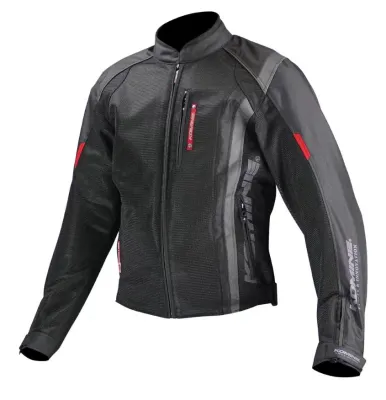
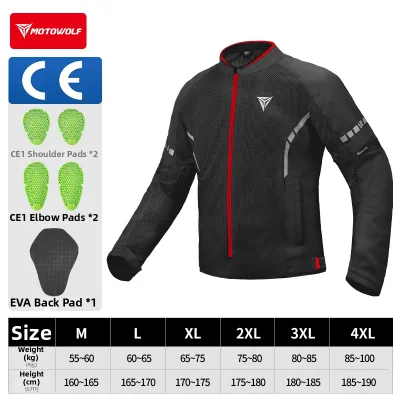
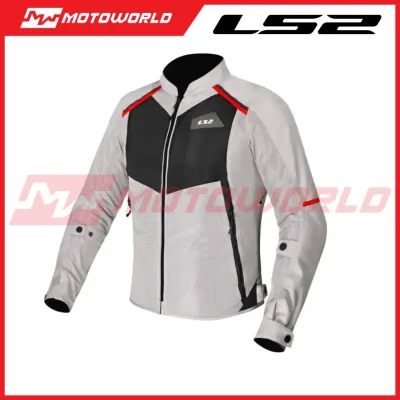
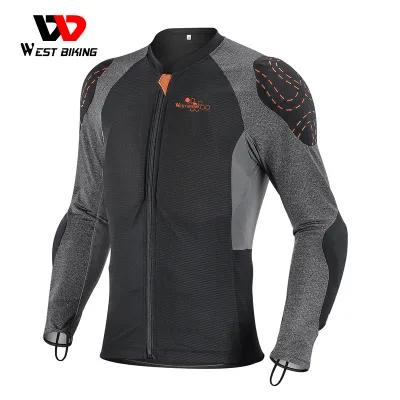
Prices are valid at publication and may change. Please refer to the product page for the latest price.
How to Check if a KNOX Jacket Suits Philippine Weather
Inspecting Ventilation and Liner Configurations
To determine if a specific KNOX riding jacket can handle intense tropical heat, you must first examine its physical ventilation features and internal construction. Look closely at the chest, inner arms, and back panels of the garment. High-performance hot-weather jackets rely on large, open-pore mesh panels or strategically positioned zippered intake and exhaust vents that force air to circulate across your torso as you move. Without these dedicated entry and exit points for air, heat remains trapped inside the shell, creating a stifling microclimate.

Another critical element to inspect is the interior lining. Premium tropical gear often features a 3D mesh inner lining. This specialized material uses a raised, three-dimensional weave to create a physical micro-gap between your skin (or base layer) and the outer fabric of the jacket. This gap ensures that even when the jacket is pressed against your back by a backpack or wind pressure, air can still flow underneath the fabric to facilitate cooling.
Additionally, pay close attention to the jacket’s liner configuration. Many riding jackets include removable thermal or waterproof liners. While these liners are highly useful for cold-weather riding or long-distance touring through high-altitude mountain passes like the Cordillera region, they must be managed carefully. Riding with a non-breathable waterproof or windproof liner installed during a hot, dry day will completely block airflow and cause rapid overheating. For daily tropical commuting, always remove these internal layers and store them separately, relying on them only when active rainfall or a drop in ambient temperature demands their use.
Reading the CE and Material Labels
Before purchasing any riding garment, you should locate and read the internal manufacturer tags to understand the exact materials used in the outer shell. KNOX jackets utilize various combinations of high-tenacity nylon, polyester, and proprietary stretch fabrics. For tropical climates, look for jackets that prominently feature lightweight mesh hybrids or high-tenacity open-weave mesh. These materials are engineered to allow maximum wind penetration while maintaining high levels of tensile strength.
The internal tags will also display the garment’s CE classification under the EN 17092 standard, which grades protective riding gear from Class A (light protection) to Class AAA (highest protection). Heavier, highly abrasion-resistant materials required for Class AAA ratings naturally use thicker, more densely woven textiles that trap more heat. If your daily ride consists mostly of slow-moving city traffic and low-speed commuting, a highly breathable Class A or Class AA mesh jacket or armored shirt offers an excellent balance of safety and ventilation. Conversely, if you frequently travel at highway speeds on the South Luzon Expressway (SLEX) or North Luzon Expressway (NLEX), you must weigh the increased abrasion resistance of a heavier textile jacket against the physical toll of heat buildup, potentially opting for a premium Class AA mesh hybrid that reinforces high-impact zones while keeping the torso open to airflow.
Balancing Maximum Airflow with Impact Protection
When riding in intense tropical heat, it is incredibly tempting to prioritize cooling over safety by opting for thin, unarmored “summer mesh” jackets or even riding in a simple t-shirt. However, lightweight, uncertified garments lack the structural integrity to protect your skin and joints during an accident. A proper motorcycle jacket must strike a careful balance, ensuring that high airflow does not come at the cost of basic impact and abrasion protection.
The primary risk of wearing ultra-lightweight, non-motorcycle-specific mesh clothing is that the fabric will instantly melt or tear upon contact with asphalt, offering zero slide protection. Furthermore, without integrated armor, your shoulders, elbows, and spine are left completely vulnerable to severe impact fractures. Even in extreme heat, your gear must retain high-quality, impact-absorbing armor that remains securely positioned over your joints.
When evaluating a highly ventilated KNOX jacket or armored shirt, verify that it features CE-certified armor—such as Knox Micro-Lock protectors—at the shoulders, elbows, and back. The garment should have dedicated, secure armor pockets that prevent the protectors from shifting during a slide. Additionally, look for reinforced abrasion zones, where heavy-duty, high-density textiles are sewn over the impact-prone areas of the elbows and shoulders, while the chest and back remain open mesh. This targeted protection ensures that you remain fully shielded where it matters most, without sacrificing the cooling breeze necessary to stay alert and focused on the road. Safety must never be compromised for marginal cooling; if a jacket lacks certified impact protection and verified abrasion resistance, it is entirely unsuitable for road riding, regardless of how hot the weather becomes.
Preventing Mold and Odor in High-Humidity Conditions
The combination of intense body sweat, road grime, and high ambient humidity in the Philippines creates an ideal environment for bacteria, mold, and mildew to thrive on your riding gear. Over time, this organic buildup not only produces unpleasant odors but can also degrade the physical fibers of your jacket, weakening its protective capabilities. Proper, regular maintenance is essential to extend the lifespan of your investment.
After every ride, establish a strict air-drying protocol. Never leave a damp riding jacket stuffed inside a motorcycle top box, under-seat compartment, or a dark closet. Instead, hang the jacket on a wide, heavy-duty hanger in a well-ventilated, shaded indoor area where air can circulate freely through the mesh panels. If the jacket is damp from sweat or a sudden rain shower, let it dry completely before storing it away.
When the jacket requires a thorough wash, always refer to the specific manufacturer care label sewn inside the garment first. Before initiating any cleaning process, remove all impact armor from their pockets and detach any removable liners. For the outer shell, check both the jacket’s care label and the specific cleaner’s label instructions to ensure compatibility. If the cleaning instructions on the jacket conflict with the directions on your chosen gear cleaner, stop immediately and consult the manufacturer or a qualified gear care professional. Generally, hand washing or using a gentle machine cycle with a mild, gear-safe liquid detergent is recommended; never use harsh chemical categories, fabric softeners, or industrial solvents, as a material name alone does not prove its safety or compatibility with specialized technical coatings.
Furthermore, avoid the temptation to dry your riding jacket by hanging it in direct, intense sunlight. While solar heat dries fabric quickly, prolonged UV exposure degrades synthetic textiles like nylon and polyester, causing them to become brittle, fade in color, and lose their tensile strength. It can also damage and weaken reflective safety elements. Instead, allow the jacket to drip dry naturally in a shaded, drafty space. Regularly inspect hidden areas of the jacket—such as collar folds, inner armpits, and the corners of armor pockets—for early signs of dark mildew spots. If you detect mildew, address it promptly using a mild, gear-safe cleaner approved for technical fabrics, following the cleaner’s instructions precisely to avoid damaging the material.
Frequently Asked Questions (FAQ)
Can I wear a standard leather riding jacket in the Philippines?
Wearing a standard, unperforated leather riding jacket for daily commuting in the Philippines is highly discouraged due to severe heat retention. Traditional leather acts as a solid wind barrier, trapping body heat and sweat inside the jacket with virtually no path for escape, which can rapidly lead to dehydration and dangerous heat exhaustion in tropical traffic. While leather offers exceptional abrasion resistance, riders in hot, humid climates should opt for heavily perforated leather jackets designed specifically for warm weather, or transition to modern textile/mesh hybrids that provide a safer, highly ventilated alternative for daily road use.
Does wearing a base layer under a mesh jacket help with cooling?
Yes, wearing a high-quality, moisture-wicking technical base layer under a mesh riding jacket significantly improves cooling and overall comfort in tropical climates. Unlike standard cotton t-shirts, which absorb sweat, hold onto moisture, and become heavy and wet, synthetic technical base layers (typically made from polyester or polyamide blends) are designed to pull sweat away from your skin and spread it across a larger surface area. When the wind flows through the mesh panels of your riding jacket, it rapidly evaporates the moisture from the technical base layer, creating an active evaporative cooling effect that keeps your body temperature lower and prevents chafing.
Community discussion
Share your experience or ask a question. Comments are reviewed before publication.