
Selecting the right car seat cover in the Philippines requires balancing intense solar heat and high relative humidity. There is no single material that universally outperforms the others in every category; instead, the ideal choice depends on your daily parking conditions, commute lengths, and willingness to perform regular maintenance. While synthetic and genuine leather offer excellent spill resistance and a premium look, they can become scorching hot when parked under the sun. Fabric covers provide superior initial breathability but are highly susceptible to absorbing sweat and moisture, which can lead to mold. Meanwhile, modern alternatives like ice silk offer immediate conductive cooling but require careful inspection of their material composition and backing to ensure long-term durability.
How Heat and Humidity Affect Seat Cover Performance
The tropical climate of the Philippines subjects a vehicle’s cabin to extreme environmental stress. When a car is parked outdoors, solar radiation penetrates the windshield and side windows, creating a severe greenhouse effect. This trapped heat rapidly raises the interior cabin temperature, causing exposed surfaces like seats and steering wheels to absorb and store thermal energy. Over time, this continuous thermal cycling accelerates the chemical degradation of plastics, dyes, and fibers, leading to premature fading, cracking, or warping of the original upholstery and any aftermarket cover installed over it.
High relative humidity introduces a different set of challenges inside the vehicle. When moisture levels in the air remain consistently high, enclosed spaces with limited airflow become breeding grounds for biological contaminants. Seat covers that trap moisture against the original seat foam can foster the growth of mold, mildew, and musty odors. This is particularly problematic during the rainy season, when wet clothing, umbrellas, and damp air constantly introduce moisture into the cabin.
Products mentioned in this guide
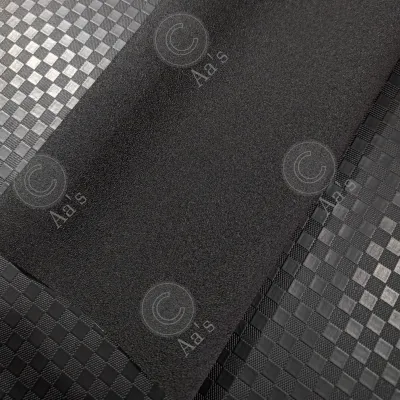
Prices are valid at publication and may change. Please refer to the product page for the latest price.
Furthermore, daily driving in tropical weather inevitably introduces organic residues to the seat surfaces. Sweat, body oils, sunscreen, and cosmetics transfer from the driver’s and passengers’ skin directly onto the seat cover material. These substances are not merely cosmetic nuisances; they contain chemical compounds and acids that can slowly break down protective coatings, rot fabric stitching, or cause synthetic materials to become sticky and brittle. Understanding how these environmental and human factors interact with different materials is the first step in making an informed purchase.
Evaluating Leather Seat Covers for Hot Weather
Leather seat covers, including both genuine leather and synthetic alternatives like polyurethane (PU) and polyvinyl chloride (PVC), are highly popular for their sleek appearance and ease of cleaning. However, their physical properties present distinct trade-offs in hot climates. Solid leather surfaces have high thermal mass and low breathability, meaning they absorb heat quickly when exposed to sunlight and retain it for long periods. Sitting on a leather seat that has been baking in an open parking lot can be highly uncomfortable, often causing immediate sweating and skin irritation.

To mitigate this heat retention, many manufacturers offer perforated leather designs. These covers feature tiny, evenly spaced punctures across the central seating and backrest panels to facilitate airflow. When paired with a vehicle’s air conditioning system, perforated leather allows cool air to circulate more effectively, reducing the time it takes for the seat surface to reach a comfortable temperature. However, these perforations also mean that liquid spills can seep through to the underlying foam more easily, requiring prompt cleanup to prevent deep-seated stains or odors.
The choice between synthetic and genuine leather also dictates how the cover handles tropical conditions. Synthetic leather (PU or PVC) is highly water-resistant and generally easier to wipe clean, making it resilient against sweat and spilled drinks. However, lower-grade synthetics can degrade rapidly under intense ultraviolet (UV) exposure, becoming sticky, peeling, or cracking. Genuine leather offers better natural breathability and superior UV resistance when properly maintained, but it is highly sensitive to moisture. If genuine leather absorbs excessive sweat without regular conditioning, it can dry out, stiffen, and crack over time.
Maintaining leather covers in a tropical climate requires strict adherence to manufacturer care labels. Regular wiping with a damp microfiber cloth removes accumulated sweat and dust before they can penetrate the surface. Additionally, applying a dedicated leather conditioner every few months helps preserve the material’s natural oils, preventing the drying and cracking caused by intense heat. Always verify that any cleaning or conditioning product is explicitly authorized for your specific type of leather or synthetic cover to avoid chemical discoloration.
Assessing Fabric and Cloth Seat Covers in Humid Conditions
Fabric and cloth seat covers are often favored for their immediate comfort and budget-friendly nature. Unlike leather, fabric does not become scorching hot after hours of sun exposure, making it highly comfortable to sit on immediately upon entering a warm vehicle. The performance of fabric covers in humid conditions depends heavily on their weave density and fiber composition. Most modern fabric covers are made from polyester, nylon, or synthetic blends, which are engineered for durability and wear resistance.
The weave density of the fabric directly influences both its breathability and its tendency to trap dirt. Loose weaves allow excellent airflow, helping to dissipate body heat and keep the driver cool during long commutes. However, these open structures also allow dust, sand, and skin flakes to settle deep into the fibers, where they can become difficult to extract. Conversely, tightly woven fabrics offer better protection against debris penetration but may feel warmer and less breathable against the skin during humid afternoons.
To combat the risk of liquid damage, many fabric covers feature water-resistant or stain-repellent chemical coatings. While these treatments are highly effective at causing liquid spills to bead up on the surface for easy wiping, they have physical limitations. Over time, friction from daily entry and exit, combined with regular washing, will gradually wear away these protective coatings. Furthermore, while they repel external liquids, they can also reduce the fabric’s natural breathability, potentially trapping sweat against the driver’s body.
Managing humidity is the primary maintenance challenge for fabric seat covers. Because synthetic fibers can absorb moisture and organic residues from sweat, they require regular cleaning to prevent the accumulation of mold, mildew, and dust mites. Vacuuming the covers weekly removes loose dirt, while periodic washing according to the manufacturer’s instructions keeps the fibers fresh. In highly humid regions, ensuring the vehicle’s interior is thoroughly ventilated after cleaning is crucial; putting damp fabric covers back onto seats will inevitably lead to musty odors and mold growth.
Understanding Ice Silk and Cooling Gel Alternatives
“Ice silk” has emerged as a highly marketed material for automotive seat covers in tropical regions. Despite its name, ice silk is not actual silk; it is a synthetic textile typically woven from a blend of modified polyester, viscose, or nylon fibers. This material is engineered to have high thermal conductivity, which gives it a distinctively cool, smooth feel upon initial contact. When you first sit on an ice silk cover, it rapidly draws heat away from your skin, providing immediate relief from the tropical heat.
However, buyers must understand the physical limitations of this conductive cooling effect. Ice silk does not actively generate cold air; it merely transfers heat. During long-distance drives, once the material reaches thermal equilibrium with your body temperature, the initial cooling sensation fades. From that point forward, comfort depends entirely on the material’s breathability and the vehicle’s cabin ventilation. If the ice silk cover is tightly woven or backed by a thick, non-breathable foam layer, it can eventually trap heat and moisture just like standard synthetic fabrics.
Cooling gel pads and honeycomb elastomer structures represent another popular category of temperature-regulating accessories. These inserts work by absorbing a limited amount of body heat into the gel mass or dissipating it through open air channels. Like ice silk, gel pads have a finite heat capacity. Once the gel absorbs all the heat it can hold, it will begin to feel warm unless there is active airflow to cool it down. Honeycomb structures generally perform better over longer periods because their open design allows air to circulate continuously beneath the driver, preventing moisture buildup.
When shopping for ice silk or cooling gel products, it is essential to verify the product labels and specifications carefully. Look for clear indications of the material composition and check whether the cover features an effective anti-slip backing. Some cooling covers use cheap rubberized backings that can melt, degrade, or stick to your original seats when exposed to high cabin temperatures. Additionally, verify the washing instructions; high-quality ice silk covers should support gentle machine washing or easy hand washing to remove sweat residues without damaging the cooling fibers.
Decision Matrix: Matching Material to Your Driving Habits
Selecting the best seat cover material is not about finding a universally perfect option, but rather matching the material’s characteristics to your specific driving environment and lifestyle. Your daily parking situation is one of the most critical factors to consider. If your vehicle is routinely parked outdoors in direct sunlight, leather covers will accumulate extreme heat, making fabric or ice silk highly appealing for immediate comfort. Conversely, if you primarily park in covered garages or shaded areas, the heat retention of leather becomes a minor issue, allowing you to prioritize its premium look and spill resistance.
Your typical driving duration also dictates which material will provide the best long-term comfort. For short commutes around the city, ice silk or cooling gel covers excel because they deliver immediate relief before your vehicle’s air conditioning can fully cool the cabin. For long-distance trips, however, the initial cooling effect of gel or ice silk diminishes, making highly breathable fabric or perforated genuine leather better choices for sustained comfort and moisture management over several hours.
Maintenance willingness is another essential variable in the decision framework. If you prefer a low-maintenance setup, machine-washable fabric or high-quality synthetic leather covers that require only a quick wipe are ideal. Genuine leather, while highly durable and comfortable, demands a commitment to regular cleaning and conditioning to survive the harsh tropical climate without cracking. Protecting your investment and saving you from costly professional detailing fees that can run into thousands of pesos (₱) starts with choosing a material that fits your routine.
The following table summarizes the relative physical characteristics of each material option to help guide your decision:
| Material Type | Breathability | Heat Retention | Spill Resistance | Maintenance Effort |
|---|---|---|---|---|
| Genuine Leather | Moderate (Perforated) | High | Moderate | High (Requires conditioning) |
| Synthetic Leather | Low | High | High | Low (Easy wipe-down) |
| Fabric / Cloth | High | Low | Low (Unless coated) | Moderate (Requires washing) |
| Ice Silk / Gel | High (Initial) | Low (Initial) | Low | Moderate (Gentle wash) |
Essential Maintenance to Prolong Seat Cover Life in the Tropics
To maximize the lifespan of your chosen seat covers, implementing preventive measures to control the cabin’s baseline temperature is highly effective. Utilizing reflective front windshield sunshades whenever parking outdoors blocks a significant portion of solar radiation, protecting both your dashboard and your seat covers from direct UV damage. Leaving your windows cracked by a few millimeters—only when parking in a secure, dry location—can also help vent trapped hot air, reducing the thermal load on your interior materials.
Cleaning your seat covers must always be done in strict accordance with the manufacturer’s care labels. Avoid using harsh household detergents, bleach, or multi-purpose cleaners that are not explicitly formulated for automotive interiors. For leather and synthetic covers, use a soft microfiber cloth dampened with water or a dedicated, pH-neutral interior cleaner to wipe away sweat and body oils weekly. For fabric and ice silk covers, perform regular vacuuming and follow the recommended washing cycles to prevent dirt from grinding into the weave.
Regularly inspect your seat covers for early signs of physical degradation. Look for fading, thinning seams, cracking on leather surfaces, or the development of small dark spots that could indicate mold or mildew growth. If you notice persistent musty odors that do not disappear after cleaning, or if the material’s structural integrity begins to fail, it is time to discontinue use. Continuing to use degraded or mold-infested covers can damage your vehicle’s original upholstery and compromise cabin air quality.
Frequently Asked Questions (FAQ)
Do seat covers affect the deployment of side airbags?
Yes, aftermarket seat covers can severely interfere with the deployment of seat-mounted side airbags if they are not specifically designed to accommodate them. Many modern vehicles feature side airbags that deploy directly from the outer seam of the front seat backrests. If you install a standard, fully enclosed seat cover over these seats, the airbag may fail to deploy or deploy incorrectly during a collision, posing a major safety risk. Always verify your vehicle’s model, year, and airbag configuration in your owner’s manual before purchasing. Only select seat covers that are explicitly certified as airbag-compatible, featuring specialized break-away stitching or open side panels, and ensure they are installed exactly according to the manufacturer’s instructions. If you are unsure about compatibility or installation, consult a qualified automotive professional.
Can I use standard fabric protectors on ice silk covers?
You should avoid applying standard fabric protectors or chemical waterproofing sprays to ice silk covers unless the product label explicitly authorizes it. Ice silk relies on its specific synthetic fiber blend and open weave structure to provide its characteristic cooling sensation and breathability. Applying heavy chemical coatings can clog these fibers, sealing the weave and destroying the material’s ability to transfer heat and manage moisture. Always check the seat cover manufacturer’s care label for chemical compatibility. If the instructions do not mention fabric protectors, it is safest to leave the material untreated. If you still choose to apply a protector, conduct a small spot test on an inconspicuous area first to ensure it does not alter the texture, color, or breathability of the fabric.
Community discussion
Share your experience or ask a question. Comments are reviewed before publication.