
Quick Answer: Which Tricycle Seat Cover Material Is Right for You?
Selecting the ideal tricycle seat cover material depends heavily on how you use your vehicle, your local weather exposure, and how much time you want to spend on maintenance. There is no single material that excels in every scenario, so your choice should align with your daily operational realities.
Synthetic leather is the premier choice for drivers who prioritize quick cleaning, water resistance, and durability under heavy passenger turnover. Fabric and canvas options are best suited for budget-conscious buyers who want immediate breathability and a softer seating surface. Ice silk and cooling mesh materials are designed specifically for drivers operating during the hottest hours of the day, as they offer maximum airflow while the vehicle is in motion.
Before purchasing any seat cover or a complete tricycle tarapal set, always check the manufacturer’s product label. Verifying the exact material composition and any specialized protective coatings is far more reliable than relying on generic category names.
Products mentioned in this guide
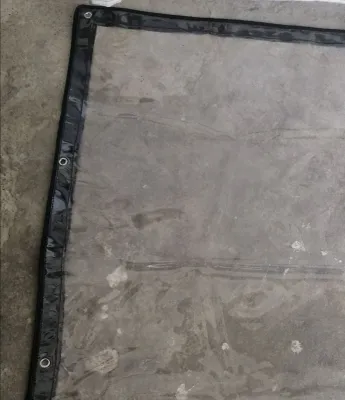
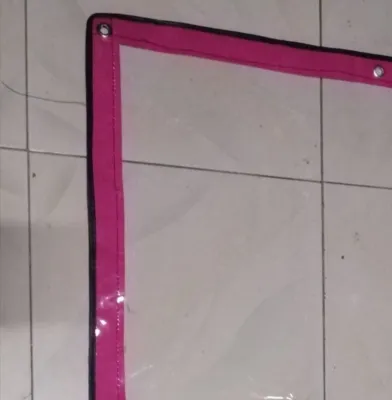
Prices are valid at publication and may change. Please refer to the product page for the latest price.
Key Factors for Tricycle Seat Covers in the Philippines
Operating a tricycle in the Philippines presents a unique set of environmental challenges that directly impact the lifespan of your interior accessories. The tropical climate brings intense solar heat, high humidity, and heavy seasonal downpours, particularly during the monsoon months. These factors accelerate the degradation of unprotected seat materials, causing them to crack, fade, or harbor mold.

Daily usage patterns also dictate how much wear and tear your seat covers will experience. Tricycles typically handle frequent short trips, constant passenger boarding, and prolonged parking at open-air terminals. This continuous friction and exposure to the elements mean that a low-quality cover can deteriorate within a few months, leading to uncomfortable rides and an unprofessional appearance.
In the local market, a tricycle tarapal set generally refers to a matching combination of a roof canopy, side curtains, and seat covers. While the canopy protects passengers from rain and sun, the seat covers bear the physical weight and movement of everyone on board. Choosing the right material for this high-contact area is essential for maintaining driver comfort during long shifts and ensuring passenger satisfaction.
Material Breakdown: Leather, Fabric, and Ice Silk
To make an informed decision, you must understand the distinct physical properties, benefits, and drawbacks of each material option. Each material behaves differently when exposed to friction, moisture, and sunlight.
Synthetic Leather (PU and PVC)
Most “leather” seat covers available for tricycles are made from synthetic polymers, specifically Polyvinyl Chloride (PVC) or Polyurethane (PU). Genuine animal leather is rarely used for utility vehicles due to its high cost and vulnerability to water damage.
PVC is highly favored for commercial tricycles because of its robust water resistance and tough outer surface. It effectively blocks rainwater from soaking into the seat foam and can be wiped dry in seconds after a sudden downpour. However, PVC has poor thermal breathability, meaning it absorbs and retains heat rapidly when parked in direct sunlight, often becoming uncomfortably hot and sticky against bare skin.
PU is a softer, more flexible synthetic leather that offers a premium feel and slightly better breathability than PVC. The main trade-off is its vulnerability to the high humidity levels common in tropical regions. Over time, prolonged exposure to moisture can cause PU to undergo hydrolysis, a chemical process that leads to peeling, cracking, and flaking of the outer layer.
When shopping for synthetic leather covers, check the product packaging for specific UV-treatment claims. These chemical stabilizers help protect the synthetic polymers from breaking down under intense sunlight, extending the cover’s useful life.
Fabric and Canvas
Cloth-based seat covers, such as those made from cotton, polyester, or heavy-duty canvas blends, offer a traditional and cost-effective alternative to synthetic leather.
These materials are naturally breathable and do not retain heat the way synthetic leather does, providing a cooler initial feel when you sit down. They are also generally more affordable, making them an attractive option for budget-conscious operators looking for a straightforward upgrade.
The primary drawback of untreated fabric is its high water absorption rate. During rainy weather, fabric covers act like a sponge, soaking up rain and passenger sweat. If the vehicle is parked in a humid environment without proper ventilation, this trapped moisture quickly leads to the growth of mildew, mold, and persistent bad odors.
To mitigate this risk, look for fabric covers that explicitly state they have water-resistant or stain-repellent coatings on the product label. Additionally, keep in mind that dark-colored fabrics tend to show UV fading quickly when exposed to daily sunlight, which can make the tricycle look older than it is.
Ice Silk and Cooling Mesh
Ice silk and cooling mesh covers are specialized accessories designed to combat extreme heat buildup on vehicle seats.
In the automotive accessory market, “ice silk” typically refers to a semi-synthetic knit fabric made from viscose or polyester fibers, often structured as a 3D spacer mesh or combined with wooden or gel bead inserts. This design creates a physical gap between the rider’s body and the seat base, allowing air to circulate freely.
The cooling performance of these materials relies heavily on continuous airflow. While the tricycle is moving, the open-weave mesh allows wind to pass through, keeping the seating surface cool. However, when the vehicle is stationary at a terminal under direct sunlight, the cooling effect drops significantly, and the material will eventually absorb the ambient temperature.
Durability is another key consideration for mesh and bead covers. The fine synthetic fibers in cooling mesh can easily snag on sharp objects, metal rivets on jeans, or passenger bags. Furthermore, covers utilizing wooden beads rely on internal nylon strings that can stretch, shift, or snap under the constant weight and movement of daily passenger transport.
Comparing Comfort, Durability, and Maintenance
Evaluating these materials side-by-side helps clarify the trade-offs associated with each option. Use the table below to compare how synthetic leather, fabric, and ice silk perform across key operational dimensions.
| Performance Dimension | Synthetic Leather (PVC/PU) | Fabric & Canvas | Ice Silk & Cooling Mesh |
|---|---|---|---|
| Heat Retention & Comfort | High heat retention; can feel sticky in hot weather. | Low heat retention; soft and comfortable initial feel. | Excellent airflow when moving; minimal cooling when stationary. |
| Water Resistance | Excellent; completely blocks water from reaching seat foam. | Poor; absorbs moisture quickly unless chemically treated. | Low; water passes through easily but dries relatively fast. |
| Durability & UV Resistance | High tear resistance; PVC resists UV well; PU may peel over time. | Moderate; prone to fading and tearing under high friction. | Moderate; susceptible to snags and structural wear on beads. |
| Cleaning & Maintenance | Very low; requires only a quick wipe with a damp cloth. | High; requires removal, thorough washing, and deep drying. | Moderate; needs periodic vacuuming or hand washing to clear dirt. |
While comfort is highly subjective, drivers who spend eight to twelve hours behind the wheel often prioritize the breathability of fabric or ice silk. Conversely, fleet owners or operators prioritizing daily utility usually favor synthetic leather for its longevity and ease of cleaning.
Regardless of the material you choose, remember that actual lifespan depends heavily on your daily parking conditions and passenger volume. Always verify any specific manufacturer claims, such as “100% waterproof” or “anti-bacterial,” by checking the official product specifications or certifications on the packaging before buying.
Decision Framework: Choosing Your Tricycle Tarapal Set
To select the right material for your tricycle, match your specific operational scenario to the strengths of each seat cover type.
Choose Synthetic Leather if:
- You operate a high-volume passenger tricycle where quick cleaning and sanitizing between trips are necessary.
- Your route is frequently exposed to sudden tropical rain, and you need a seat that can be wiped dry instantly.
- You can park in shaded areas or use a temporary seat shade to prevent heat buildup on the synthetic surface.
Choose Fabric if:
- You are working with a strict budget and want an affordable, functional seat cover upgrade.
- You prioritize immediate seating comfort and want to avoid the "hot seat" effect after parking.
- You have access to indoor parking or use a heavy-duty tricycle cover to protect the fabric from rain and sun.
Choose Ice Silk/Cooling Mesh if:
- You drive long hours during the hottest parts of the day and require maximum airflow to stay comfortable.
- Your passengers prioritize a premium, ventilated ride experience and you want to stand out from competitors.
- You are willing to handle the seat cover carefully to prevent snags from keys, bags, and clothing accessories.
Before finalizing your purchase, verify the product’s exact dimensions, waterproof ratings, and the seller’s return policy. Ensuring a proper fit prevents the material from sliding, which reduces premature wear on the seams and mounting points.
Care and Maintenance for Longevity
Proper maintenance extends the life of your tricycle seat cover, protecting your investment and ensuring a clean ride for your passengers. Each material requires a specific care approach to avoid damage.
For synthetic leather covers, clean the surface regularly using a soft microfiber cloth dampened with mild soapy water. Avoid using harsh chemical solvents, gasoline, or abrasive scrubbing brushes. These substances can strip away the protective vinyl coating, leading to premature hardening, cracking, and peeling.
If you use fabric or canvas covers, address moisture immediately. If the seat gets wet during a rainstorm, park the vehicle in a well-ventilated, sunny area to dry completely. Allowing damp fabric to sit in a humid environment encourages mold growth. When washing fabric covers, use a mild laundry detergent and air-dry them completely before reinstallation.
For ice silk and cooling mesh covers, perform periodic checks of the mounting straps and elastic bands. Loose straps cause the cover to slide, creating friction that can wear down both the cover and the original seat foam. Use a soft-bristled brush or a low-powered vacuum to remove dust and road debris trapped inside the mesh pores.
Regardless of the material, using an outer tricycle cover (tarpaulin or tarapal) when the vehicle is parked outdoors for long periods is highly recommended. This simple step shields your seat covers from intense UV rays and heavy rain, preserving their color, elasticity, and structural integrity.
Frequently Asked Questions (FAQ)
Can I use a regular motorcycle seat cover for a tricycle?
No, standard motorcycle seat covers generally do not fit tricycle seats properly. Tricycle seats—especially the passenger cabin benches and driver seats—have unique, wider dimensions, flatter profiles, and different mounting points compared to standard two-wheeled motorcycles. Attempting to stretch a standard motorcycle cover over a tricycle seat can damage the cover’s seams, cause sliding, and leave parts of the seat foam exposed to weather damage. Always measure your seats and look for covers specifically labeled for your tricycle model.
How do I safely clean mold off a fabric tricycle seat cover?
To clean mold safely, remove the cover from the seat and scrub the affected area gently using a soft-bristled brush and a solution of mild soap or specialized fabric cleaner mixed with warm water. Rinse the cover thoroughly with clean water to remove all soap residue, then hang it in a well-ventilated area under direct sunlight until it is completely dry. Avoid using undiluted bleach or harsh industrial chemicals, as these can degrade the synthetic fibers, strip away water-resistant coatings, and weaken the structural stitching of the cover. Always check the manufacturer’s care label before applying any cleaning solution.
Community discussion
Share your experience or ask a question. Comments are reviewed before publication.