
Choosing the right cover ng tricycle is a highly practical decision that directly impacts your daily driving comfort, passenger satisfaction, and long-term maintenance costs. Because tricycles operate in semi-open environments, their seats are constantly exposed to harsh tropical sunlight, sudden downpours, road dust, and heavy passenger turnover. There is no single material that excels in every scenario; instead, the ideal choice depends on your specific daily routes, local weather patterns, and how much time you can dedicate to cleaning.
To make an informed investment, you must evaluate potential seat covers across three core pillars: weather resistance, passenger comfort (specifically heat retention), and maintenance effort. A driver operating in a dusty, flood-prone area will have vastly different requirements than one driving primarily on paved suburban roads during the dry season. By understanding how leather, fabric, and ice silk behave under these conditions, you can select a cover that keeps your vehicle comfortable and in service.
Leather and PU Leather Seat Covers: The Durability Choice
Synthetic leather, commonly referred to as PU (polyurethane) or vinyl, is the traditional choice for drivers who prioritize durability and effortless cleaning. In high-turnover passenger routes, seats are subjected to constant wear, muddy clothing, spilled drinks, and accumulated road grime. Leather covers excel here because they are completely non-porous, allowing you to wipe away liquid spills, dust, and mud with a simple swipe of a damp cloth between trips. This water-resistant barrier also prevents rainwater from soaking into the underlying seat foam, which is crucial for keeping the tricycle operational immediately after a sudden tropical shower.
Products mentioned in this guide
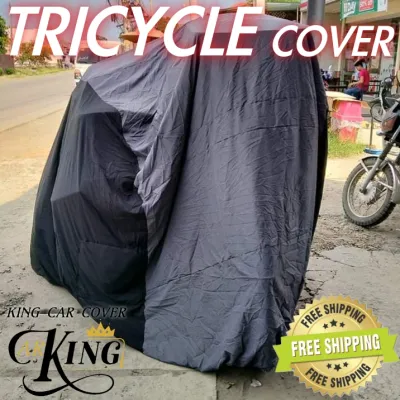
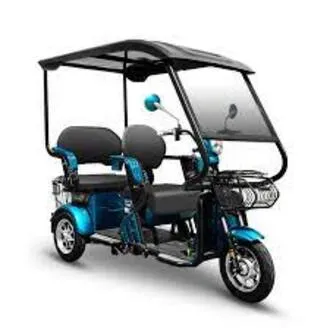
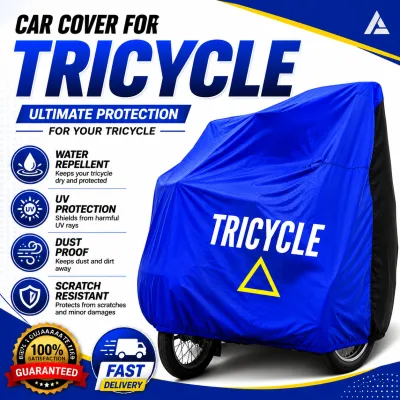
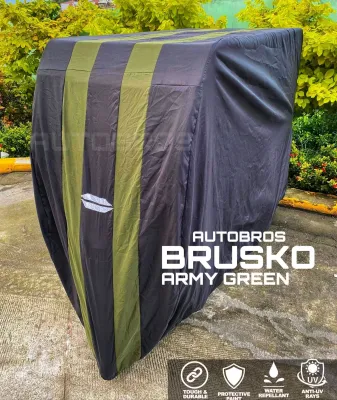
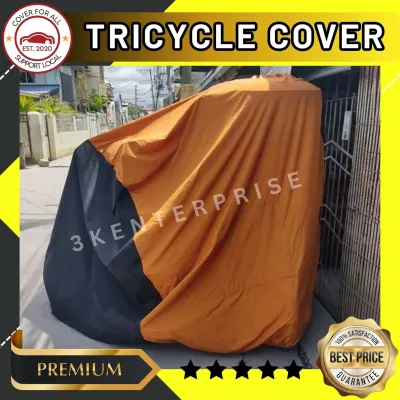

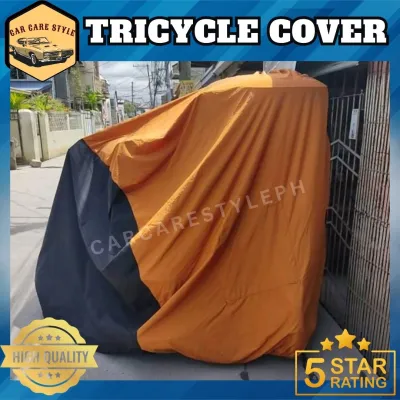
Prices are valid at publication and may change. Please refer to the product page for the latest price.
However, the primary drawback of synthetic leather is its high heat retention. When parked under direct sunlight, dark leather surfaces act as heat sinks, absorbing solar radiation and becoming incredibly hot to the touch. This can cause immediate discomfort for passengers and drivers alike, often requiring you to park in the shade, drape a wet towel over the seat, or wait for the material to cool down before resuming service. Over time, this intense heat exposure can also degrade the material, leading to stiffness and cracking.
To maximize the lifespan of a leather cover, regular inspection and proper maintenance are essential. You should routinely check the seams and stitching lines, as these are the areas most vulnerable to tearing under the weight of shifting passengers. When cleaning, avoid using harsh household detergents, bleach, or alcohol-based sanitizers, as these chemicals strip away the protective UV-resistant coatings applied during manufacturing. Instead, use a mild soap solution and occasionally apply a label-authorized vinyl conditioner to keep the material pliable and prevent premature cracking.
Fabric Seat Covers: The Comfort and Grip Choice
Fabric seat covers are highly favored by drivers and passengers who prioritize breathability and physical stability. Unlike synthetic leather, fabric does not trap heat or create a barrier that causes sweat to pool. On hot, humid days, the woven fibers allow air to circulate, preventing that uncomfortable “sticking” sensation when passengers sit down in shorts or light clothing. This temperature neutrality makes fabric an exceptionally comfortable option for long midday shifts.

Another significant advantage of fabric is the natural grip it provides. Tricycles frequently travel over bumpy, unpaved roads, navigate sharp turns, and make sudden stops in busy traffic. Leather seats can be slippery, causing passengers to slide forward or lose their balance during sudden deceleration. Fabric covers offer excellent surface friction, keeping passengers securely in their seats and reducing physical strain during rough rides.
The trade-off for this comfort and grip is a much higher maintenance requirement. Fabric is highly absorbent, meaning it readily soaks up sweat, spilled liquids, rainwater, and airborne dust. Over time, this absorption can lead to deep-set stains, stubborn odors, and the growth of mold or mildew within the seat cushion. To manage this, it is best to choose removable fabric covers equipped with heavy-duty zippers or adjustable straps, allowing you to take them off easily for machine washing or thorough hand scrubbing.
Ice Silk Seat Covers: The Cooling Choice for Hot Routes
Ice silk is a modern synthetic cooling fiber designed specifically to combat intense tropical heat. Made from a specialized blend of viscose and polyester, this material is engineered to feel cool to the touch and offer maximum ventilation. For tricycles operating in open-air conditions during the hottest months of the year, ice silk provides an unmatched level of cooling comfort, rapidly dissipating body heat and keeping the seating surface remarkably pleasant even during long idling periods in traffic.
Despite its superior cooling performance, ice silk has notable limitations when exposed to moisture. Because of its highly porous, knitted structure, the material offers virtually no water resistance. If a sudden downpour hits or a passenger spills a drink, the liquid will pass directly through the ice silk and saturate the seat foam beneath. Once wet, ice silk loses its cooling properties entirely, feels soggy, and takes a significant amount of time to dry completely, making it highly susceptible to mildew if not aired out properly.
Additionally, the delicate knit of ice silk makes it vulnerable to physical damage. The fine fibers can easily snag on sharp objects such as bag zippers, keychains, cargo boxes, or metal rivets on passenger clothing. Once a snag occurs, the knit can quickly unravel, compromising both the appearance and structural integrity of the cover. Consequently, ice silk is best suited for dry-season routes or tricycles equipped with full rain enclosures and side panels that shield the interior from the elements.
Evaluating Material Trade-Offs for Daily Operations
To choose the right cover ng tricycle, you must weigh these material characteristics against your daily operational realities. A driver who manages a high-volume route with constant passenger turnover will naturally prioritize quick cleanup over absolute breathability. Conversely, a private tricycle owner or a driver on long-distance provincial routes may find that the comfort of fabric or ice silk outweighs the extra cleaning effort.
| Material | Heat Retention | Spill Resistance | Cleaning Method | Passenger Grip |
|---|---|---|---|---|
| Leather / PU | High (Absorbs heat) | Excellent (Waterproof) | Wipe with damp cloth | Low (Slippery) |
| Fabric | Low (Stays cool) | Poor (Absorbent) | Machine wash / Brush | High (Non-slip) |
| Ice Silk | Very Low (Cooling) | Poor (Absorbs wetness) | Hand wash / Air dry | Moderate |
Beyond the material itself, you must evaluate the physical construction of the seat cover before making a purchase. Look closely at the seam strength, the quality of the stitching, and the attachment mechanism. Tricycle seats are subjected to constant shifting forces as passengers get on and off, meaning weak elastic bands or thin plastic clips will quickly fail. Opt for covers with reinforced double-stitched seams and robust, adjustable nylon straps that can be tensioned securely under the seat frame.
Final Verdict: Matching Material to Your Daily Route
Ultimately, the best seat cover is the one that aligns with your specific route conditions, weather exposure, and maintenance habits.
Choose Leather if your daily operations involve high passenger turnover, frequent exposure to rain, and dusty roads. The ability to quickly wipe down the seat with a damp cloth keeps your tricycle clean, hygienic, and ready for the next passenger within seconds, maximizing your daily earning potential.
Choose Fabric if you prioritize passenger safety and comfort on bumpy, uneven roads. The superior grip prevents passengers from sliding around, while the breathable weave ensures they remain cool and comfortable, provided you are willing to remove and wash the cover regularly to prevent odors.
Choose Ice Silk if you operate primarily in hot, dry climates or have a fully enclosed cabin that protects the seats from rain. This material offers the ultimate cooling sensation for long summer days, though it requires careful handling to avoid snags from passenger baggage.
Before finalizing your purchase, always perform a physical verification step. Tricycle seats are not standardized and can vary significantly in shape and size depending on the local fabricator of your sidecar. Measure your seat’s length, width, and depth carefully, and check the product specifications to ensure the cover’s strap configuration is compatible with your specific tricycle model without blocking access to the fuel tank or battery compartment.
Frequently Asked Questions (FAQ)
Can I use ice silk seat covers during the rainy season?
While you can physically keep them on, using ice silk seat covers during the rainy season is highly impractical. Because ice silk is a highly porous, knitted material, it quickly absorbs rainwater and road spray, transferring the moisture directly into the seat foam. Once wet, it loses its cooling properties, feels uncomfortably soggy, and takes a long time to dry, which can lead to mold, mildew, and persistent sour odors. If you prefer ice silk for the dry season, it is highly recommended to switch to a water-resistant leather or PU cover during the wet months, or protect the seat with a temporary waterproof plastic overlay when rain is expected.
How do I safely clean leather tricycle seat covers?
To safely clean synthetic leather or PU tricycle seat covers, start by wiping away loose dust and road grime with a soft, dry microfiber cloth. For routine cleaning, use a cloth lightly dampened with a mixture of water and a mild, pH-neutral soap, gently wiping the surface without soaking the seams. Avoid using harsh household chemicals, bleach, alcohol-based sanitizers, or abrasive scrubbing pads, as these can strip away the protective UV-resistant coatings and cause the material to dry out and crack. Always check the manufacturer’s care label for specific instructions, and consider applying a dedicated vinyl conditioner periodically to keep the material flexible under intense sun exposure.
Community discussion
Share your experience or ask a question. Comments are reviewed before publication.