
Selecting the ideal seat cover for your Honda Click V3 is one of the most practical upgrades you can make for your daily commute. Because this scooter serves as a reliable workhorse for navigating busy city streets and unpredictable tropical weather, your choice of seat cover material directly impacts your daily comfort, riding stability, and how well your seat holds up over time. Leather, fabric, and ice silk each offer distinct advantages, but the right choice depends entirely on your typical riding conditions, maintenance habits, and local weather exposure in the Philippines. By evaluating how each material handles heat, moisture, and wear, you can select a cover that keeps your ride comfortable and your scooter looking its best.
Defining Your Priorities for the Click V3
Before browsing online marketplaces or local accessory shops, you must define what you need most from a seat cover. The climate in the Philippines presents unique challenges, from intense midday heat that bakes exposed vehicles to sudden afternoon downpours that can leave a seat soaked for hours. If your scooter is parked outdoors without a cover, UV exposure and rain will be your primary concerns.
Additionally, consider your willingness to perform regular maintenance. Some materials require nothing more than a quick wipe with a damp cloth, while others demand periodic washing and thorough drying to prevent unpleasant odors. Finally, balance your budget against the expected lifespan of the cover. A cheaper, less durable option might require frequent replacements, whereas a more robust material might cost more upfront but save you time and effort over several years of daily riding.
Products mentioned in this guide
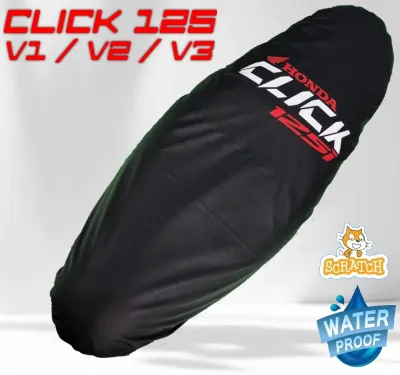
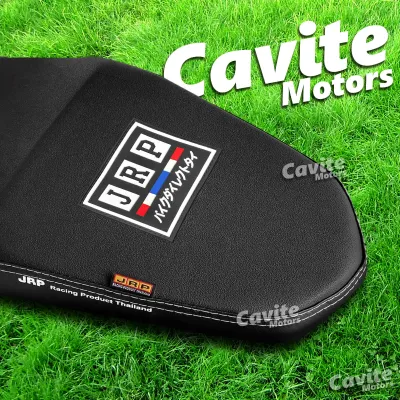
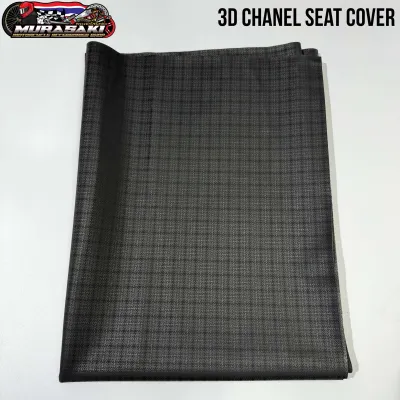
Prices are valid at publication and may change. Please refer to the product page for the latest price.
Evaluating Leather Seat Covers
Leather and synthetic leather (such as PU or PVC) are highly popular choices for the Honda Click V3 due to their sleek, premium appearance and excellent water resistance. When shopping, check the product labels carefully to distinguish between genuine leather and synthetic alternatives. Genuine leather offers a classic look but requires specialized conditioners to prevent drying and cracking under the sun. Synthetic options like PU and PVC are generally more affordable and highly resistant to water penetration, making them incredibly easy to wipe dry after a heavy rain.

However, synthetic leather has notable trade-offs in a tropical climate. Under direct sunlight, these materials absorb heat rapidly and can become uncomfortably hot to sit on. They also offer limited breathability, which can lead to sweat buildup during long midday rides. On the positive side, high-quality synthetic leather provides a stable, non-slip surface when dry, though it can become slick when wet. To maintain a leather or synthetic cover, always follow the manufacturer’s care instructions. This typically involves using mild soap and water while avoiding harsh chemical cleaners that can strip away protective UV coatings and cause premature cracking.
Evaluating Fabric and Mesh Seat Covers
Fabric and mesh seat covers offer a highly breathable alternative that focuses on rider comfort and temperature control. Standard fabric covers, often made from durable polyester blends, provide excellent surface grip, preventing you from sliding forward during sudden braking. When evaluating these covers, verify the weave density. A tighter weave generally offers better durability and resistance to tearing, while looser weaves or open-mesh designs prioritize maximum airflow.
The primary advantage of fabric is its ability to stay relatively cool, even when parked in the sun. However, fabric is naturally porous. Unless the product tag explicitly states that the material has been treated with a water-resistant or stain-repellent coating, fabric covers will absorb rainwater, sweat, and accidental spills. In the humid climate of the Philippines, a wet fabric seat cover can quickly become a breeding ground for mold, mildew, and damp odors. To prevent this, you must be prepared to remove the cover periodically for washing and ensure it dries completely in a well-ventilated area before reinstalling it on your Click V3.
Evaluating Ice Silk Seat Covers
Ice silk has emerged as a trendy material option for motorcycle seat covers, marketed for its cooling properties. It is important to understand that ice silk is not a natural silk nor does it contain active cooling elements; rather, it is a synthetic fiber blend—often polyester and nylon—woven in a way that maximizes ventilation and feels smooth to the touch. The material works by allowing air to flow freely between your body and the seat, which helps dissipate heat and moisture much faster than solid leather or dense fabric.
When inspecting an ice silk seat cover, pay close attention to the backing material. Because the top layer is smooth and low-friction, the underside must feature a reliable non-slip texture or silicone grip pattern to keep the cover firmly anchored to the Click V3’s seat contours. While ice silk is exceptionally comfortable for hot, dry commutes, it has physical limitations. The delicate, woven structure is more susceptible to snags from keys, bag buckles, or rough clothing compared to heavy-duty synthetic leather. Additionally, cleaning usually requires gentle hand-washing rather than machine washing to preserve the integrity of the specialized weave.
Decision Framework: Which Material Fits Your Ride?
To make a confident decision, match the characteristics of each material to your specific daily routine and riding environment.
Choose Leather if your primary concern is weather protection and easy maintenance. If you frequently park your Click V3 outdoors where it is exposed to rain, or if you want a seat cover that you can simply wipe dry with a towel after a downpour, synthetic leather is your best option. Just be prepared to park in the shade whenever possible or use a simple seat shade to manage midday heat buildup.
Choose Fabric if you prioritize a secure, non-slip grip and consistent breathability on your daily commutes. Fabric is ideal for riders who find synthetic leather too hot or slippery, provided they have a covered parking space or are willing to remove and dry the cover after it rains.
Choose Ice Silk if your daily rides consist of long, hot commutes in dry weather and you want the absolute maximum airflow to prevent sweat buildup. This material is perfect for riders who can commit to gentle hand-washing routines and who take care to avoid snagging the delicate fibers with keys or cargo.
Before finalizing your purchase, verify your specific riding habits. If you frequently carry heavy, abrasive cargo on your seat or ride through daily heavy downpours, check the specific product’s waterproof ratings and look for reinforced, double-stitched load-bearing seams to ensure the cover can withstand the physical stress.
Verifying Fitment, Safety, and Installation
A seat cover can only perform well if it fits your Honda Click V3 perfectly. When purchasing, ensure the cover is specifically patterned for the Click V3 rather than being a generic, one-size-fits-all option. Check that the dimensions, elastic strap placements, and cutouts align precisely with the unique contours of the Click V3 seat, including the passenger grab rails. A poorly fitting cover can bunch up, creating uncomfortable pressure points and distracting you while riding.
Safety must always be your top priority. During installation, verify that the cover does not interfere with the seat latch, hinges, or the opening mechanism of your under-seat utility box. The seat must lock securely into place without requiring excessive force. Once installed, test the seat’s surface grip; if the cover slips or slides across the original seat foam while you are riding, it can compromise your balance and control. If you encounter excessive slipping, if the cover blocks essential safety features, or if the installation instructions require permanent modifications to your original seat, stop immediately. Consult the manufacturer or visit a professional upholsterer to ensure a safe, secure fit.
Frequently Asked Questions (FAQ)
Can I install a Click V3 seat cover myself, or do I need a professional?
Most aftermarket seat covers designed for the Honda Click V3 are slip-on models featuring elastic bands, drawstrings, or hook-and-loop straps. These can easily be installed at home in a few minutes by stretching the cover evenly over the seat and securing the fasteners underneath. However, if you purchase a heavy-duty replacement cover that requires removing the original vinyl, you will need to pull out the factory staples. If the installation process involves stretching thick material over complex curves and using a heavy-duty staple gun, it is best to stop and seek a professional upholsterer. A professional can ensure the material is tensioned correctly without damaging the underlying seat foam or warping the plastic seat frame.
How do I clean bird droppings or tree sap off my seat cover without damaging it?
When dealing with stubborn contaminants like bird droppings or tree sap, immediate action is key to preventing permanent stains or material degradation. First, gently scrape away any excess residue using a soft plastic edge, taking care not to scratch the surface. Next, consult your seat cover’s product label for approved cleaning agents. For synthetic leather, a soft cloth dampened with mild, soapy water is usually sufficient; avoid harsh solvents, alcohol, or bleach, which can strip the protective UV coatings and dry out the material. For fabric and ice silk covers, blot the area gently with a mild detergent solution rather than scrubbing aggressively, which can fray the woven fibers. Always allow the seat cover to air dry completely in a shaded, well-ventilated area before riding.
Community discussion
Share your experience or ask a question. Comments are reviewed before publication.