
Choosing the right seat cover for your Honda is essential for protecting your vehicle’s interior while ensuring a comfortable daily drive. In the tropical climate of the Philippines, where high humidity and intense sunlight are constant challenges, your choice of material directly impacts how hot your cabin feels and how much effort you must spend on maintenance. The three most popular options—leather (including synthetic alternatives), fabric, and ice silk—each offer distinct advantages and trade-offs in comfort, durability, and safety compatibility.
To make the best decision for your Honda City, Civic, BR-V, or CR-V, you must weigh how each material performs under daily wear, how easily it cleans, and how well it integrates with your vehicle’s built-in safety features. Understanding these practical differences will help you select a cover that keeps your cabin looking pristine and feeling comfortable year-round.
Comfort and Climate Suitability for Driving in the Philippines
Ice silk seat covers are specifically engineered to combat high temperatures and humidity. Made from a semi-synthetic knit blend, ice silk is highly breathable and feels remarkably cool to the touch, preventing the sticky discomfort that often occurs during long midday drives. However, because the material is exceptionally smooth, it can feel somewhat slippery, which might cause passengers to slide slightly during sharp turns or sudden stops.
Products mentioned in this guide
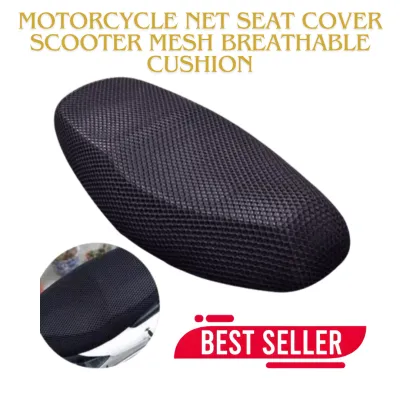
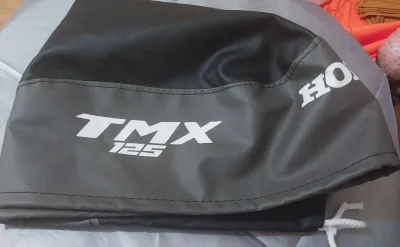
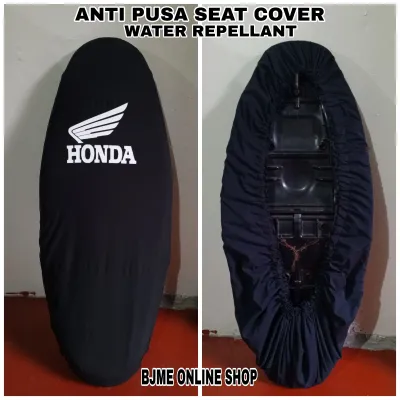
Prices are valid at publication and may change. Please refer to the product page for the latest price.
Traditional woven fabric covers offer excellent temperature neutrality and physical grip. Unlike synthetic materials, fabric does not absorb ambient heat rapidly when your car is parked under direct sunlight, meaning the seats will not feel scorching when you return to your vehicle. Fabric also provides natural friction that keeps you securely in place, though in extremely humid conditions, it can absorb moisture from the air and feel slightly damp until the cabin air conditioning dries the environment.
Leather and synthetic leather alternatives, such as polyurethane (PU) or microfiber leather, provide a premium aesthetic but act as heat sinks. When exposed to direct sunlight through your Honda’s windows, these materials can become uncomfortably hot to the touch. Conversely, in a heavily air-conditioned cabin, they can feel cold and stiff initially, and because they lack breathability, they often lead to sweat buildup against your back during extended trips.
Durability and Resistance to Daily Wear and Tear
Automotive-grade fabric is highly resilient against physical tearing, punctures, and fading caused by UV exposure. It easily withstands friction from clothing, keys, and daily passenger movement without losing its structural integrity. The primary weakness of fabric is its vulnerability to liquids; spills, sweat, and dirt quickly penetrate the woven fibers, leading to deep stains and potential odors if not treated immediately.

Leather and high-quality synthetic covers offer superior resistance to surface scratches and minor spills, as liquids tend to pool on the surface rather than soaking in. However, the intense tropical heat can dry out both natural and synthetic leather over time. Without proper care, prolonged exposure to UV rays and high cabin temperatures will cause the material to stiffen, fade, and eventually crack along the high-stress flex lines of the seat.
Ice silk covers are durable under normal driving conditions but are generally more delicate than heavy-duty fabric or leather. The knitted structure of ice silk makes it susceptible to snagging on sharp objects like open zippers, velcro, or pet claws. Over time, the constant friction of entering and exiting your Honda can cause the fine fibers to pill or stretch, particularly around the seams where the cover is tensioned.
Maintenance and Cleaning Effort Compared
Leather covers are the easiest to clean on a daily basis because they allow you to wipe away liquid spills, dust, and dirt immediately with a damp microfiber cloth. To maintain their flexibility and prevent cracking, however, they require periodic treatment with dedicated leather cleaners and conditioners. Always check the product label to ensure the conditioner is compatible with your specific cover material, as harsh chemicals can strip away protective topcoats.
Fabric covers require consistent vacuuming to prevent dust, sand, and crumbs from settling deep into the weave. When spills occur, they must be blotted immediately with an absorbent cloth to prevent staining. Removing set-in stains or deep-seated odors typically requires specialized fabric foam cleaners, upholstery brushes, or professional hot-water extraction, making fabric the most high-maintenance option for households with young children or pets.
Ice silk covers are often designed to be easily removable, which simplifies the deep-cleaning process. For routine maintenance, a quick shake or light vacuuming is sufficient to remove surface dust. When a thorough cleaning is necessary, they should be hand-washed or machine-washed on a delicate cycle using mild, pH-neutral detergents. Avoid using bleach, fabric softeners, or high-heat dryers, as extreme heat and harsh chemicals will degrade the specialized cooling fibers.
Fitment, Safety, and Honda-Specific Compatibility Checks
Vehicle safety is the most critical boundary when installing aftermarket seat covers. Many modern Honda models feature side-impact airbags integrated directly into the outer bolsters of the front seat backrests. If a seat cover blocks these deployment zones, the airbag may fail to deploy correctly during an accident, risking severe injury. Before purchasing any cover, you must verify that it features certified breakaway stitching or dedicated side cutouts designed specifically for airbag deployment.
In addition to airbag safety, seat covers must not obstruct your vehicle’s physical controls and adjustment mechanisms. Ensure the covers do not block manual adjustment levers, power seat switches, lumbar support buttons, or seatbelt buckles. If your Honda is equipped with heated or ventilated seats, verify that the cover material is compatible and will not insulate or block the built-in heating elements or airflow channels.
Because Honda seat designs vary significantly across different models and trim levels—such as the sporty, heavily bolstered seats of a Civic versus the utility-focused seats of a BR-V—universal seat covers rarely provide a perfect fit. Universal options often bunch up, slide around, or block seatbelt anchors. To ensure a clean look and full functionality, look for custom-patterned covers designed specifically for your Honda’s exact model year and seating configuration.
Decision Framework: Which Seat Cover Material Should You Choose?
To finalize your decision, match your primary driving needs and maintenance preferences to the characteristics of each material:
- Choose Ice Silk if: Your absolute priority is staying cool and dry during hot, humid days. It is the ideal choice for drivers who want immediate relief from cabin heat and do not mind a slightly slicker seating surface.
- Choose Fabric if: You want a practical, slip-resistant, and temperature-neutral option for daily family commuting. Fabric is best if you frequently park outdoors and want a material that remains comfortable regardless of sun exposure.
- Choose Leather if: You prefer a premium, upscale interior aesthetic, want the convenience of wiping away liquid spills instantly, and are willing to perform routine conditioning to protect the material from heat damage.
Before making any purchase, always verify your Honda’s specific interior features, such as split-folding rear seats (60/40 split), integrated center armrests, or seat-mounted side airbags. Consult your vehicle’s owner’s manual and cross-reference it with the seat cover manufacturer’s specifications to guarantee a safe, functional, and visually appealing fit.
Frequently Asked Questions (FAQ)
Will universal seat covers fit my Honda model properly?
Universal seat covers are designed to fit a wide range of vehicle shapes, which often results in a loose, baggy appearance with excess material that shifts when you sit. More importantly, universal designs rarely align perfectly with the safety features of your specific Honda, such as side-impact airbags or integrated seatbelt guides. To ensure both passenger safety and a clean, factory-like aesthetic, it is highly recommended to invest in custom-fit covers tailored to your exact Honda model and year.
Can I install aftermarket seat covers myself without damaging the seats?
Most basic slip-on seat covers can be installed as a straightforward DIY project using the provided straps, hooks, or chucks. However, high-quality custom-fit covers require significant physical effort, stretching, and tucking to achieve a tight, wrinkle-free look. If the installation process requires you to remove seat bolts, disconnect electrical wiring harnesses for power seats, or work near airbag deployment paths, you should seek qualified professional installation to prevent accidental damage to your Honda’s electrical and safety systems.
Community discussion
Share your experience or ask a question. Comments are reviewed before publication.