
Selecting the right motorcycle half cover—specifically designed to protect or cushion your seat—depends on your daily riding conditions, local climate, and how much effort you want to put into maintenance. In tropical regions where intense sun exposure is quickly followed by sudden downpours, your choice of material directly impacts both your riding comfort and the lifespan of your seat. There is no single universal option that excels in every scenario. Instead, the right material aligns with your specific environmental challenges and comfort preferences.
For riders who prioritize immediate cooling during hot midday trips, ice silk offers a specialized, heat-dispersing solution. If your priority is robust, classic protection against the elements and you do not mind performing regular upkeep, synthetic or genuine leather provides excellent durability. For daily commuters seeking a balanced, cost-effective, and low-maintenance option, standard fabric covers offer reliable everyday utility. Understanding how these materials behave under real-world conditions is the first step toward making an informed purchase.
Assessing Your Riding Environment and Comfort Priorities
Before comparing specific materials, you must evaluate your typical riding patterns and local environmental factors. In tropical climates, high humidity and intense ultraviolet (UV) radiation accelerate the wear and tear on any outdoor accessory. If your motorcycle is parked outdoors for long hours without shade, the seat cover will bear the brunt of solar heat and seasonal rains. Conversely, if you primarily park in a covered garage or basement, your material choices open up to options that prioritize riding comfort over extreme weather resistance.
Products mentioned in this guide
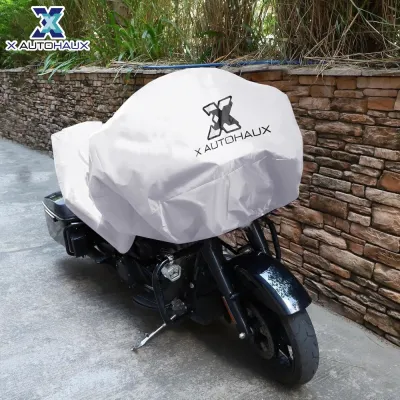
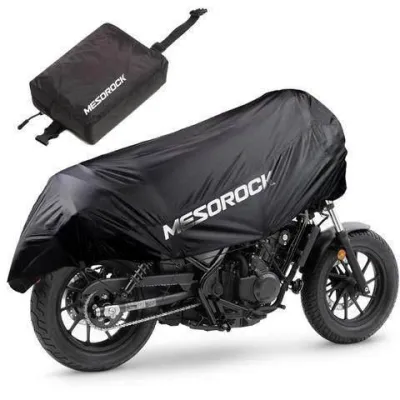
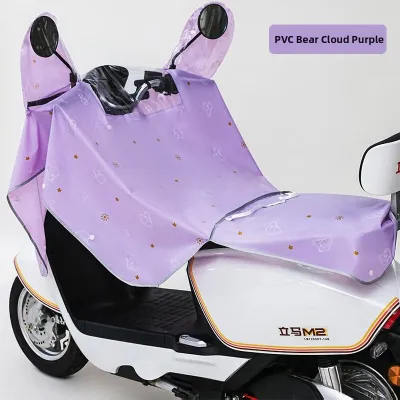
Prices are valid at publication and may change. Please refer to the product page for the latest price.
Your willingness to perform regular maintenance is another critical factor. Some materials require periodic washing, while others need specialized conditioning agents to prevent cracking. If you prefer a low-maintenance accessory that you can leave on the bike indefinitely, certain fabrics or treated synthetics will suit you better than high-maintenance alternatives.
Finally, consider your typical trip duration. A material that feels comfortable during a quick fifteen-minute neighborhood run might not offer the necessary breathability or support during a two-hour highway commute. Assessing these personal variables beforehand ensures you select a cover that solves your specific daily pain points.
Leather Half Covers: Evaluating Durability and Weather Resistance
Leather half covers, which include both genuine leather and synthetic alternatives like polyurethane (PU) or polyvinyl chloride (PVC), are highly regarded for their classic styling and robust physical protection. When evaluating these options, it is essential to check the manufacturer’s specifications to distinguish between genuine and synthetic variants. Synthetic leather is highly popular for motorcycle accessories because it naturally resists water penetration better than untreated genuine leather, making it highly practical for rainy seasons.

However, leather materials have distinct thermal properties that you must consider. When parked directly under the sun, dark leather absorbs heat rapidly and retains it for a long time. This can result in an uncomfortably hot surface when you first mount your motorcycle. To mitigate this, some manufacturers apply reflective coatings, but the material will still naturally run warmer than breathable fabrics.
Maintenance is another key consideration for preserving leather. To prevent synthetic leather from peeling or genuine leather from drying and cracking under intense UV exposure, you must follow the care instructions on the product label. This typically involves wiping the surface down with a damp cloth and applying a dedicated UV-protectant or leather conditioner periodically. Avoid using harsh household detergents, as they can strip away protective oils and accelerate material breakdown.
Fabric Half Covers: Balancing Breathability and Everyday Comfort
Fabric half covers, often made from polyester, nylon, or canvas blends, offer a practical middle ground for daily commuters. One of their primary advantages is breathability. High-quality fabric covers feature a textured weave density that allows air to circulate beneath your body, reducing sweat buildup during extended rides in warm weather. This airflow makes them significantly cooler to sit on initially compared to standard leather covers.
Keeping fabric covers clean is generally straightforward, but you must always check the care label first. Many fabric options are machine washable on gentle cycles, though hand washing is often recommended to prevent shrinkage and preserve any integrated elastic bands or mounting straps. Always allow the cover to air dry completely before reinstalling it, as trapping moisture underneath can lead to mold growth on your original motorcycle seat.
Despite their versatility, fabric covers have clear limitations. Untreated fabrics easily absorb water during heavy downpours, meaning you may end up sitting on a damp surface if the bike is left uncovered in the rain. Additionally, prolonged exposure to direct sunlight will eventually cause the colors to fade and can weaken the fibers over time, reducing the cover’s overall lifespan.
Ice Silk Half Covers: Maximizing Cooling and Airflow
Ice silk is a specialized synthetic fiber blend, often incorporating viscose and polyester, designed specifically to optimize thermal regulation. The material’s unique knit structure is highly breathable and feels cool to the touch, making it an increasingly popular choice for riders seeking relief from intense tropical heat. By facilitating rapid heat dissipation and maximizing airflow, ice silk prevents the seat from reaching scorching temperatures even when parked in open areas.
While ice silk excels at temperature control, you must verify its structural durability before purchasing. Because the knit is relatively fine, it is more susceptible to snagging, tearing, or friction damage from heavy riding gear, keys, or velcro fasteners. Ensuring the cover fits snugly without loose folds can help minimize unnecessary friction during your rides.
Wet weather performance is another area where ice silk requires careful management. The highly porous structure that allows for excellent airflow also means the material has virtually no water resistance; rain will pass straight through to the seat below. Furthermore, maintaining its cooling properties requires gentle care. You should hand wash ice silk covers using mild detergents and avoid wringing them out aggressively, as harsh handling can warp the delicate fiber structure.
Material Comparison: Weighing the Trade-Offs for Your Ride
To help you decide which material fits your specific riding routine, it is helpful to compare their core characteristics side-by-side. The table below outlines how leather, fabric, and ice silk perform across key operational categories.
| Material Type | Heat Retention | Water Resistance | Maintenance Effort | Primary Recommended Scenario |
|---|---|---|---|---|
| Leather (Synthetic/Genuine) | High (Heats up quickly) | High (Water-resistant) | Moderate (Requires wiping/conditioning) | Wet climates, outdoor parking, long-term durability |
| Fabric (Polyester/Nylon) | Moderate (Decent airflow) | Low to Moderate (Can absorb water) | Low (Easy to wash and dry) | Daily urban commuting, mixed indoor/outdoor parking |
| Ice Silk (Viscose Blend) | Very Low (Stays cool) | Very Low (Highly permeable) | Moderate (Requires gentle hand washing) | Hot and dry conditions, midday riding, shaded parking |
When reviewing these options, keep in mind that the exact performance, water resistance, and lifespan of any half cover depend heavily on the specific product’s manufacturing quality, material thickness, and any specialized protective coatings applied by the manufacturer. A premium fabric cover with a water-repellent treatment may shed water much better than a basic entry-level fabric option.
How to Choose the Right Motorcycle Half Cover for Your Needs
To make your final decision, align your primary riding environment with the strengths of each material. Choose a synthetic leather cover if your motorcycle is frequently parked outdoors in areas prone to sudden rain, and you want a durable barrier that protects your original seat from water damage. Choose a fabric cover if you want an economical, low-maintenance option for daily commuting that offers a comfortable balance of breathability and ease of cleaning. Choose an ice silk cover if your absolute priority is heat reduction during hot daytime rides and you have a covered parking space or are willing to remove the cover during rainy weather.
Before finalizing your purchase on any online marketplace, safety must be your primary consideration. Always verify your motorcycle’s specific seat dimensions, contour, and the cover’s mounting strap compatibility. Refer to your vehicle’s documentation to ensure that installing an aftermarket cover does not interfere with the seat latch mechanism, fuel tank access, or any under-seat electrical components. The cover must fit tightly; a loose or poorly secured cover can slip during acceleration, braking, or cornering, which poses a serious safety hazard.
Finally, when purchasing from online stores, carefully review the seller’s return and exchange policies. Because seat shapes vary widely across different motorcycle makes and models, having the option to exchange the cover ensures you can achieve a secure, flush fit without compromising your control of the motorcycle.
Frequently Asked Questions (FAQ)
Can I leave my motorcycle half cover on when parking outdoors in the rain?
Whether you can leave the cover on during rain depends entirely on the specific material’s water resistance and backing. Synthetic leather covers are generally designed to shed water, making them suitable for outdoor rain protection. However, standard fabric and ice silk covers are highly permeable and will absorb water, potentially trapping moisture against your seat. Always check the manufacturer’s weather rating and care instructions before leaving any cover exposed to heavy rain.
How do I clean an ice silk motorcycle seat cover without damaging it?
To preserve the delicate knit structure and cooling properties of an ice silk cover, you should follow the specific care label instructions. Generally, it is recommended to hand wash the cover in cool water using a mild, neutral detergent. Avoid using bleach, fabric softeners, or harsh scrubbing brushes. Do not wring the material aggressively; instead, gently press out excess water and lay it flat to air dry in a shaded, well-ventilated area away from direct sunlight.
Community discussion
Share your experience or ask a question. Comments are reviewed before publication.