
Quick Answer: Which Motorcycle Seat Cover Material is Best for You?
Choosing the ideal seat cover motorcycle accessory is not a one-size-fits-all decision. The best material for your ride depends heavily on your local climate, daily riding duration, and how much effort you want to invest in maintenance.
Each material presents distinct, practical trade-offs. Mesh offers exceptional breathability, making it the premier choice for staying cool on hot, dry days. Polyvinyl Chloride (PVC) serves as a rugged, budget-friendly champion that provides absolute waterproofing and heavy-duty wear resistance. Leather and high-quality synthetic alternatives deliver a premium aesthetic, excellent tactile grip, and long-term durability.
Before prioritizing colors, patterns, or brand names, evaluate your primary riding environment and where you typically park your bike. Matching the material’s physical properties to your daily routine ensures a safer, more comfortable ride.
Products mentioned in this guide
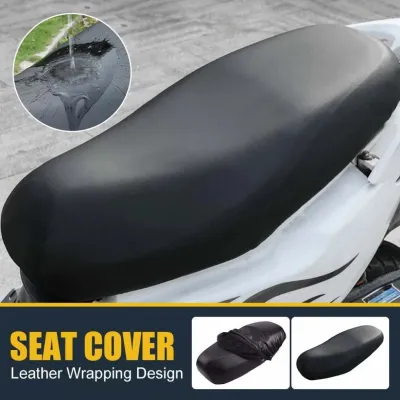
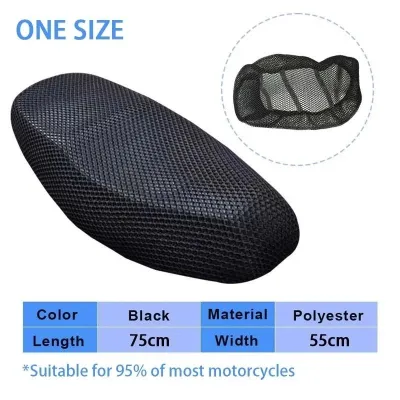
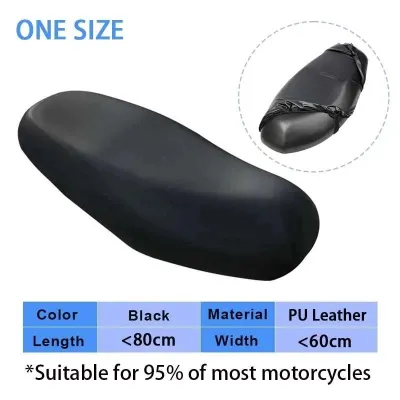
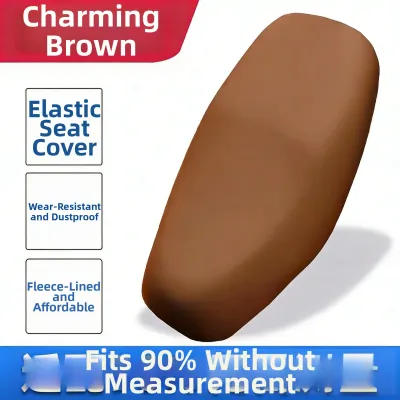
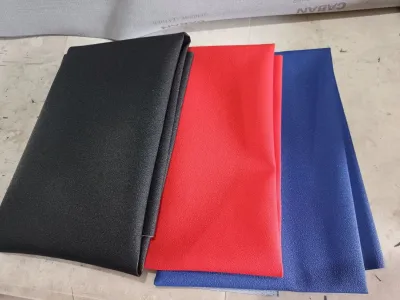
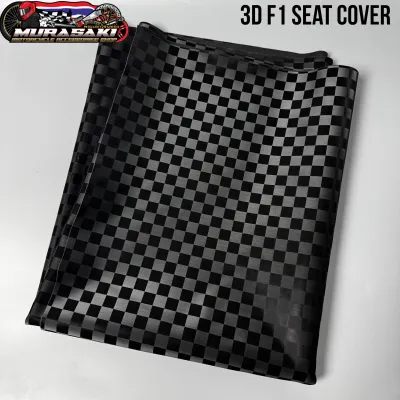
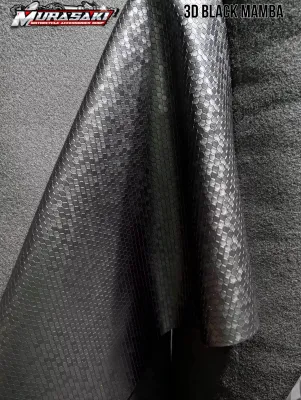
Prices are valid at publication and may change. Please refer to the product page for the latest price.
Material Breakdown: Leather, Mesh, and PVC Explained
Understanding the physical and structural characteristics of these materials is the first step in making an informed purchase. Each fabric is manufactured differently, resulting in unique performance traits on the road.

Leather and Synthetic Leather (Vinyl/PU)
Genuine leather is highly prized for its classic look, premium feel, and unique ability to mold gradually to the rider’s body shape over time. However, because it is a natural, porous material, it is highly sensitive to moisture and UV exposure. It requires consistent maintenance, including regular cleaning and conditioning, to prevent drying, cracking, and water rot.
Synthetic leather, commonly made from polyurethane (PU) or vinyl, is the standard for most modern aftermarket seat covers. It successfully replicates the textured look and premium aesthetic of genuine leather while offering superior resistance to immediate water penetration. Synthetic options are non-porous, making them highly practical for riders who want a clean, classic appearance without the demanding maintenance routine of natural hide.
For both genuine and synthetic leather, overall comfort and heat retention depend heavily on the material’s thickness, the quality of its inner backing layer, and the physical condition of the underlying seat foam. A high-quality cover cannot compensate for a collapsed or degraded foam base.
Mesh (3D Air Mesh and Fabric Blends)
Mesh seat covers utilize a specialized 3D spacer fabric. This material features a top and bottom woven layer separated by a springy, vertical polyester or nylon micro-filament layer. This unique structural design creates a physical air gap between the rider’s body and the actual surface of the seat.
The primary benefit of this design is continuous passive airflow. As you ride, air circulates freely through the open gap, allowing heat and perspiration to dissipate rapidly. Because this cooling effect relies entirely on the physical structure of the fabric rather than a chemical coating, the breathability will not wear off or wash away over time.
However, standard mesh has no inherent water resistance. Rainwater passes directly through the open weave, meaning the underlying seat foam will absorb moisture unless the cover is paired with a specific waterproof backing layer or removed during wet weather.
PVC (Polyvinyl Chloride) and Tarpaulin
PVC-based seat covers, often referred to as tarpaulin or heavy-duty vinyl covers, are engineered for pure utility and harsh daily exposure. PVC is a synthetic plastic polymer that is highly durable, chemically stable, and completely waterproof.
These covers typically feature a textured, high-friction surface designed to prevent the rider from sliding forward during sudden stops. Because of their ruggedness, ease of cleaning, and lower manufacturing costs, PVC covers are incredibly popular among delivery riders, couriers, and daily utility commuters.
While highly practical and cost-effective, PVC lacks breathability. It tends to trap heat and sweat against the rider’s body during extended use, making it less comfortable for long-distance touring in hot weather.
Comparing Performance Across Crucial Riding Dimensions
To choose the right cover, you must evaluate how these materials perform under real-world riding conditions. Heat, rain, and physical wear will test the limits of your seat cover every day.
Heat Management and Breathability
When it comes to managing intense solar heat, mesh is the undisputed leader. By elevating your body slightly above the seat, it allows wind to pass underneath, preventing the uncomfortable, sticky sensation that develops during long rides in high humidity.
In contrast, leather and PVC are notorious heat sinks. When parked in direct sunlight, these materials absorb and retain solar radiation rapidly, reaching temperatures that can be painful to sit on.
If you choose leather or PVC, you must factor in a cool-down period before riding or use physical sun shields. Parking in the shade, throwing a reflective cover over the seat, or laying down a damp towel are common, practical ways to manage this heat retention.
Weather and Water Resistance
The ability to shed water instantly is a major advantage during sudden weather changes. PVC and synthetic leather excel in this category. Because they are non-porous, rainwater sits on the surface rather than soaking into the material, allowing you to dry the seat completely with a quick wipe of a microfiber cloth.
Standard mesh covers present a major challenge in wet weather. They allow rain to pass directly through the open weave into the underlying seat foam. Once the foam is saturated, it acts like a wet sponge, resulting in a damp, uncomfortable ride for days and creating a breeding ground for mold, mildew, and foul odors inside the seat.
Genuine leather requires even more care. If exposed to prolonged moisture without proper drying and conditioning, it can stain, warp, stiffen, and eventually rot, permanently ruining the seat’s structure.
Durability, Friction, and Wear
Daily wear and tear can quickly degrade a cheap seat cover. PVC is highly resistant to abrasion, tears, and rough handling, making it the most rugged option for daily utility. However, lower-grade PVC can stiffen, fade, and crack over time if it lacks adequate UV stabilizers to protect it from constant sun exposure.
Leather is exceptionally durable and can last for decades if maintained properly, developing a unique, soft patina over time. However, it remains vulnerable to drying out and cracking if neglected.
Mesh is highly comfortable but is the most vulnerable to physical damage. The open loop design of 3D mesh makes it susceptible to snagging and tearing from sharp objects like keys, pocket knives, jeans zippers, or pet claws. When choosing a mesh cover, always inspect the weave density; tighter, multi-layered weaves offer significantly better resistance to snagging.
Adapting to the Philippine Climate and Riding Scenarios
Operating a motorcycle in the Philippines requires gear that can handle extreme environmental shifts. The local climate presents a unique set of challenges that directly impact your comfort and safety on the road.
Navigating Tropical Heat and the Wet Season
The Philippine weather is defined by two intense seasons: the dry season, which brings sweltering tropical heat and high humidity, and the wet season, characterized by sudden, torrential monsoon rains. This dual climate creates a distinct trade-off for riders.
A mesh seat cover is a lifesaver during hot summer commutes, preventing sweat buildup and keeping the seat cool. However, during a sudden afternoon downpour, that same mesh cover allows water to saturate your seat foam, leaving you with a soggy ride home.
Conversely, PVC and synthetic leather handle the monsoon season effortlessly but can become uncomfortably hot and sticky during summer. To bridge these gaps, look closely at product specifications before buying. Some premium mesh covers feature a dual-layer design with a removable waterproof backing, while high-quality synthetic leather covers often incorporate UV-resistant coatings to reduce solar heat absorption.
Daily City Commuting vs. Long-Distance Touring
Your typical riding distance and traffic conditions should heavily influence your material choice. For daily city commuting, especially in congested urban areas, stop-and-go traffic means you spend a lot of time idling in intense heat. For these short but exhausting trips, prioritize either easy wipe-down capabilities (PVC or synthetic leather) to handle sudden rain or maximum airflow (mesh) to combat heat.
For long-distance provincial touring, the priorities shift toward continuous comfort, ergonomic support, and rider stability. A loose or slippery seat cover can cause you to slide forward during heavy braking or shift unexpectedly during cornering, which compromises your control over the motorcycle.
High-quality synthetic leather or highly padded, secure-fitting mesh covers ensure you maintain a safe, stable riding posture. Always verify that the cover fits tightly against the seat contour to prevent shifting.
Budget, Maintenance, and Installation Realities
Beyond performance, you must consider the practical aspects of owning a seat cover, including purchase costs, cleaning requirements, and how it is fitted to your motorcycle.
Cost Expectations and Value Assessment
When planning your purchase, budget is a major factor. Generally, motorcycle seat covers fall into clear price tiers. PVC and basic synthetic slip-ons represent the most budget-friendly tier, often costing under ₱500.
High-quality 3D mesh covers and premium synthetic leather options typically occupy the mid-range tier, ranging from ₱500 to ₱1,500. Genuine leather and custom-tailored upholstery sit at the premium end of the market, often exceeding ₱3,000 depending on the complexity of the design and the motorcycle model.
To find the best value, browse online marketplaces and consult local motorcycle upholstery shops to compare current pricing, material availability, and custom fitting options.
Cleaning and Long-Term Care Routines
Proper maintenance is essential to keep your seat cover looking good and performing safely. PVC and synthetic leather are the easiest to maintain, requiring only a regular wipe-down with a damp microfiber cloth and mild soap to remove road grime, dust, and oil.
Mesh covers require more active maintenance. Dust, sand, and small debris easily become trapped within the 3D air gaps. To clean a mesh cover, you must regularly vacuum it or use a soft-bristled brush to sweep out trapped dirt. Periodically removing the cover to wash it in warm, soapy water is also recommended.
Genuine leather requires specialized, manufacturer-approved leather cleaners and conditioners. Applying a conditioner every few months keeps the leather supple and prevents it from drying out under the harsh sun. Always follow the specific care instructions provided with your product to avoid damaging the material or voiding any warranties.
DIY Slip-Ons vs. Professional Upholstery
The installation method directly affects both the appearance and safety of your seat. DIY slip-on covers, which secure using elastic bands, drawstrings, or Velcro straps, are incredibly convenient and affordable. However, slip-ons are prone to shifting, wrinkling, and sliding over time. If not fitted perfectly, they can also block under-seat storage latches, interfere with helmet lock cables, or cover integrated seat sensors.
Professional re-upholstery involves removing the old cover, stretching the new material tightly over the foam, and securing it with heavy-duty staples. This method provides a custom, taut fit that preserves the original seat contour, ensures a non-slip riding surface, and prevents water from pooling in loose fabric wrinkles.
Before undertaking any modifications, check your original vehicle documentation to ensure you do not compromise safety systems or warranty coverage.
The Final Decision Framework
To finalize your choice, use this simple, condition-based checklist:
- Choose Mesh if: You ride primarily in dry, hot weather, prioritize maximum airflow and cooling comfort, and park your motorcycle in a covered garage or use a waterproof outdoor cover during rain.
- Choose PVC or Synthetic Leather if: You need a highly water-resistant, low-maintenance option, use your motorcycle for daily commuting, delivery services, or utility work in all weather conditions, and are looking for a budget-friendly, durable solution.
- Choose Genuine Leather if: You are restoring a classic or custom motorcycle, prioritize a premium, timeless aesthetic, have a flexible budget, and do not mind regular conditioning maintenance.
Verify First: Before installing any new cover, inspect the condition of your underlying seat foam. If the foam is wet, crumbling, or compressed, replace or repair it first. Ensure the new cover does not block under-seat storage latches, helmet locks, or any integrated electronic sensors.
Frequently Asked Questions (FAQ)
Can I install a mesh seat cover over a torn leather seat?
While physically possible, installing a mesh cover over a torn seat is not recommended without preparation. The sharp, hardened edges of torn leather or exposed staples can snag and tear the delicate 3D mesh fibers from underneath. Always patch, sand, or tape over any torn areas on the base seat before installing a slip-on mesh cover to protect your investment.
Do aftermarket seat covers affect the resale value of a motorcycle?
Yes, the quality of the seat cover can influence resale value. A professionally installed, high-quality synthetic leather or genuine leather cover can maintain or even increase value by protecting the original foam and giving the bike a clean, premium appearance. Conversely, loose, wrinkled, or cheap slip-on covers can detract from the bike’s aesthetic and suggest a lack of overall maintenance to potential buyers.
Are gel pads compatible with all seat cover materials?
Yes, gel pads are fully compatible because they are installed directly beneath the outer seat cover, resting on top of the seat foam. However, adding a gel pad increases the overall volume of the seat. The outer cover—whether leather, mesh, or PVC—must be stretched and stapled by a professional to accommodate the extra thickness without putting excessive tension on the seams, which could lead to premature tearing.
Community discussion
Share your experience or ask a question. Comments are reviewed before publication.