
If you have ever ridden along the coastal roads of Manila, climbed the steep asphalt of Antipolo, or pedaled through the scenic routes of Batangas, you have likely seen local cyclists covered from wrist to neck despite the sweltering heat. To a beginner, wearing a long sleeve garment in 34°C weather seems like a recipe for heatstroke. However, experienced riders know that a long sleeve cycling jersey is not too hot for riding in the Philippines, provided it is engineered with lightweight, highly breathable, and moisture-wicking technical fabrics.
In fact, wearing the right long sleeve jersey can keep you cooler than exposing bare skin directly to the intense tropical sun. The fabric acts as a personal shade barrier, preventing solar radiation from directly heating your skin while actively pulling sweat away to facilitate evaporative cooling. When browsing for gear at local bike shops or looking up a popular option like a sec long sleeve jersey, understanding how these garments interact with the local climate is key to staying comfortable and safe on the road.
Understanding the Tropical Riding Environment
Cycling in the Philippines presents a unique set of meteorological challenges. The country experiences high relative humidity—often exceeding 75% to 80% year-round—combined with intense solar radiation and daytime temperatures that regularly climb above 33—C. In this environment, your body’s primary cooling mechanism, which is the evaporation of sweat from your skin, is severely compromised because the surrounding air is already heavily saturated with moisture.
Products mentioned in this guide
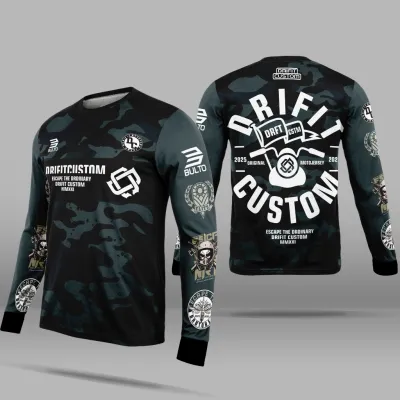
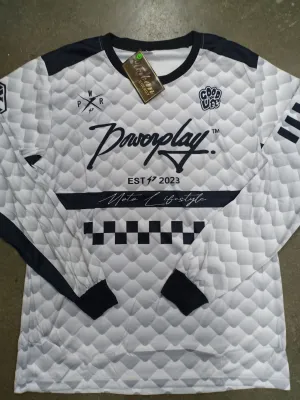
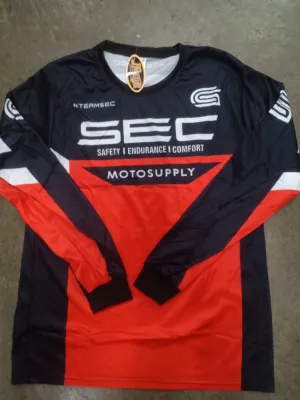
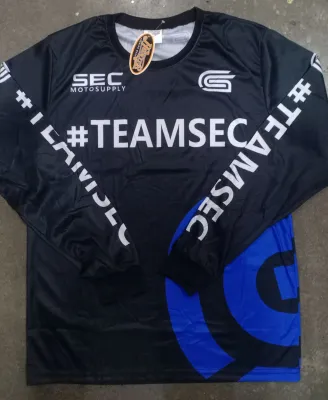
Prices are valid at publication and may change. Please refer to the product page for the latest price.
When you ride under direct sunlight with exposed skin, the sun’s ultraviolet (UV) rays directly heat your skin tissue, rapidly raising your core body temperature and accelerating dehydration. This creates a difficult trade-off for cyclists: exposing your arms to maximize airflow can actually cause you to absorb more radiant heat from the sun, while covering up with the wrong material can trap body heat and sweat, leading to rapid overheating.
Regardless of the sleeve length you choose, safety must always be your primary concern when riding in tropical conditions. It is critical to recognize the early warning signs of heat exhaustion, which include dizziness, headache, muscle cramps, heavy sweating, nausea, and a rapid heart rate. If you or your riding partners experience these symptoms, you must immediately find shade, sip cool water or electrolyte-rich drinks, and rest. Proper hydration and pacing are your ultimate defense against the tropical heat, and no piece of technical clothing can replace them.
Why Riders Choose Long Sleeves in Hot Climates
While short sleeves might seem like the natural choice for hot weather, long sleeve cycling jerseys offer distinct advantages that make them highly practical for long-distance tropical riding. The most significant benefit is comprehensive sun protection. The UV index in the Philippines frequently reaches extreme levels of 11 or higher during midday hours. A high-quality long sleeve jersey provides a consistent, physical barrier against harmful UVA and UVB rays, eliminating the need to constantly reapply greasy sunscreen to your arms, which often washes away with heavy sweating.

Beyond sun protection, long sleeves offer valuable physical protection against the elements. If you frequently ride provincial highways or rural bypass roads, you are likely familiar with flying road debris, gravel kicked up by passing vehicles, and swarms of insects. For off-road enthusiasts tackling mountain bike trails, long sleeves shield your arms from scratches caused by overhanging brush, wild grass, and low branches. Furthermore, in the unfortunate event of a minor slide or fall, a layer of fabric can absorb some of the initial friction, reducing the severity of road rash.
Perhaps the most counterintuitive benefit of a summer-weight long sleeve jersey is temperature regulation. Modern technical fabrics are designed to wick sweat away from your skin and spread it across a large surface area on the outside of the garment. As wind passes over this damp fabric, it evaporates the moisture rapidly, creating a cooling effect directly over your arms. By blocking direct solar radiation from hitting your skin while facilitating this evaporative process, a well-ventilated long sleeve jersey can actually make you feel cooler than riding in a short sleeve jersey with bare skin exposed to the baking sun.
Critical Features to Look for in a SEC Long Sleeve Jersey or Summer Equivalent
Not all long sleeve jerseys are created equal, and wearing a garment designed for cold autumn rides in Europe will quickly lead to heat exhaustion in the Philippines. When evaluating options like a sec long sleeve jersey or other technical riding apparel, you must look for specific design elements engineered to handle high humidity and heat.
- Fabric Technology and UPF Ratings: Prioritize lightweight, synthetic fabric blends such as polyester and elastane. These materials do not retain water and dry much faster than natural fibers. Always check the manufacturer's specifications or garment labels for a verified Ultraviolet Protection Factor (UPF) rating, ideally UPF 30 or UPF 50+. Do not assume that a thicker fabric provides better sun protection; advanced summer fabrics achieve high UPF ratings through specialized tight weaves and chemical treatments while remaining incredibly thin and breathable.
- Strategic Ventilation: Look for jerseys that incorporate high-airflow mesh panels in critical sweat zones. These panels are typically located under the armpits, down the sides of the torso, or across the upper back. In the humid Philippine climate, these mesh zones allow ambient air to circulate directly inside the garment, helping to carry away trapped heat and moisture even when wind speeds are relatively low.
- Fit and Cut: Cycling jerseys generally come in two distinct cuts: a highly aerodynamic "race fit" and a looser "club fit." A race-fit jersey sits flush against the skin, which is highly efficient for moisture-wicking because the fabric is in constant contact with your sweat. However, if you prefer a more relaxed riding style, a slightly looser club-fit jersey can be comfortable as long as the fabric does not sag or flap excessively, which can create drag and cause chafing.
- Zipper Functionality: A high-quality, full-length front zipper is an indispensable feature for tropical riding. When tackling long, slow climbs where your speed drops and wind cooling is minimal, opening the zipper fully allows for instant core cooling. Once you crest the hill and begin the descent, you can zip the jersey back up to maintain aerodynamics and protect your chest from the wind.
Matching Sleeve Length to Your Riding Schedule and Route
Deciding whether to wear a long sleeve jersey or a short sleeve alternative often depends on the specific timing of your ride and the route you plan to take. Adjusting your gear to match these variables ensures you stay comfortable without sacrificing protection.
If your typical riding schedule consists of early morning “loop rides” that start at 5:00 AM and end by 8:00 AM, UV exposure is minimal. In this scenario, a short sleeve jersey is highly practical and comfortable. However, if you are planning a weekend century ride or a long tour that keeps you on the road through the peak sun hours of 10:00 AM to 3:00 PM, a long sleeve jersey becomes highly beneficial to prevent painful sunburns and reduce overall thermal fatigue.
Your route also dictates your clothing needs. For paved road cycling on open, unshaded highways, a highly breathable long sleeve jersey is ideal because the consistent speed provides plenty of wind to facilitate evaporative cooling through the fabric. Conversely, if you are mountain biking on slow, technical singletrack under a dense forest canopy, the trees provide natural shade from the sun, but the lack of wind speed can make long sleeves feel stifling. In these shaded, low-speed environments, a highly ventilated short sleeve jersey might be preferable, provided you are comfortable with the risk of minor scratches from trailside foliage.
If you want the best of both worlds, consider the versatility of pairing a short sleeve jersey with independent UV-protective arm sleeves. This modular setup allows you to slide the sleeves down to your wrists during cool, early morning climbs, and pull them back up to your shoulders once the sun rises and the UV index climbs. The main trade-off is that arm sleeves can sometimes slide down or pinch your biceps, whereas a dedicated long sleeve jersey provides a seamless, uniform fit.
Maintaining Your Gear in High Humidity
Technical cycling gear represents a significant investment, with quality jerseys often ranging from ₱1,000 to ₱4,000 or more in the local market. To protect this investment and ensure your jersey continues to perform well in the humid Philippine climate, proper care and maintenance are essential.
First, practice immediate post-ride care. Never leave a sweat-soaked jersey crumpled up in a gear bag or a dark laundry hamper. The high humidity in the Philippines creates an ideal breeding ground for bacteria, mold, and mildew, which can ruin the fabric and cause persistent, unpleasant odors that are incredibly difficult to wash out. If you cannot wash the jersey immediately after your ride, rinse it thoroughly with clean water and hang it up to air out.
When washing your cycling apparel, always refer to the care label on your specific garment. Use a mild liquid detergent and wash the jersey on a gentle cycle in cold water, or wash it by hand. Strictly avoid using fabric softeners. Fabric softeners leave a thin, waxy silicone coating on the fibers of the fabric, which clogs the microscopic pores designed to wick sweat and allow airflow. Once clogged, the technical fabric loses its moisture-wicking capabilities, rendering the jersey hot, heavy, and uncomfortable.
Finally, always air dry your cycling jerseys. Hang them in a well-ventilated, shaded area rather than in direct, harsh sunlight. While UV rays are great for killing bacteria, prolonged exposure to direct midday sun during the drying process can degrade the synthetic elastane fibers, causing the jersey to lose its stretch and fade over time. Never use a high-heat tumble dryer, as the intense heat can melt the delicate synthetic fibers, damage reflective elements, and ruin heat-sealed seams.
Frequently Asked Questions (FAQ)
Do dark-colored long sleeve jerseys absorb more heat?
In terms of basic physics, dark colors absorb more visible light energy from the sun and convert it into heat, whereas lighter colors reflect more light. However, when it comes to modern technical cycling apparel, color is only one part of the equation. High-quality summer jerseys often utilize advanced reflective fabric treatments, extremely thin weaves, and highly breathable mesh panels that significantly mitigate heat absorption. When choosing a jersey for hot-weather riding, you should prioritize the garment’s overall weight, fabric breathability, moisture-wicking performance, and ventilation features over the color alone.
Can I use a standard long sleeve athletic shirt instead of a cycling-specific jersey?
While a standard long sleeve polyester athletic shirt might seem like a cheaper alternative, it lacks several design features that are critical for cycling comfort. Standard athletic shirts are cut for an upright posture, meaning they will ride up your back when you bend over the handlebars, exposing your lower spine to the sun. They also lack the rear pockets necessary for securely carrying food, tools, and your phone. Furthermore, standard shirts often use thicker, less breathable fabrics that trap sweat and cause severe chafing around the seams during long, repetitive pedaling motions.
Community discussion
Share your experience or ask a question. Comments are reviewed before publication.