
Evaluating a modular motorcycle helmet for tropical riding requires a careful balance between safety, airflow, and long-distance comfort. While the LS2 Advant X introduces specific design updates for ventilation and comfort, declaring it universally superior to all other LS2 modular helmets requires comparing exact manufacturer specifications and assessing personal fit. Every rider has a unique head shape, riding style, and tolerance for heat, making a one-size-fits-all recommendation impossible. By examining how the Advant X manages airflow compared to its stablemates, you can determine if its premium features justify the investment for your daily commute or weekend touring.
Riding in hot, humid climates like the Philippines presents unique challenges for helmet design. High ambient temperatures and sudden downpours demand a ventilation system that can rapidly clear hot air and prevent shield fogging without compromising water resistance. This guide breaks down the technical specifications of the LS2 Advant X, compares it to other modular options in the LS2 lineup, and provides a practical framework for evaluating comfort before you make a purchase.
Understanding the LS2 Advant X Ventilation and Comfort Design
To understand how the LS2 Advant X performs, one must first look at its structural design and ventilation layout. The Advant X is built around a High Performance Fiberglass Composite (HPFC) shell, which is engineered to offer a balance of structural integrity and manageable weight. Unlike traditional modular helmets that flip up to a 90-degree angle, the Advant X features a 180-degree rotating chin bar. This mechanism sweeps all the way to the back of the helmet, which significantly alters the center of gravity and reduces wind drag when riding in the open-face configuration.
Products mentioned in this guide
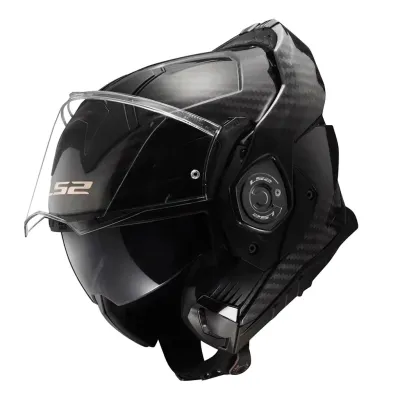
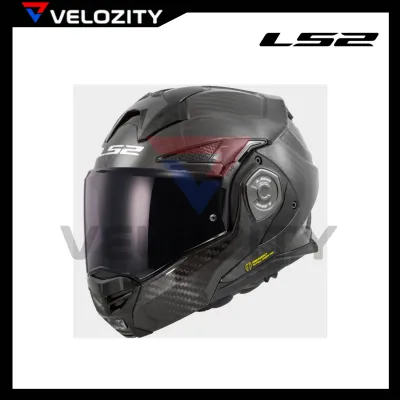
Prices are valid at publication and may change. Please refer to the product page for the latest price.
The ventilation system of the Advant X relies on a series of strategically placed intake and exhaust ports. At the front, a multi-stage chin vent directs air both across the inner surface of the visor to prevent fogging and directly toward the rider’s face for cooling. On top of the shell, a prominent intake port allows fresh air to enter the helmet. This air is then guided through deep channels cut into the multi-density EPS (Expanded Polystyrene) safety liner, distributing cool air across the top of the head before exiting through the rear exhaust ports.
Inside the helmet, comfort is managed by a fully removable and washable interior liner. LS2 utilizes hypoallergenic, moisture-wicking fabrics designed to draw sweat away from the skin, which is crucial during long rides in high humidity. The cheek pads are laser-cut from a single piece of high-quality foam to match the contours of the rider’s face, reducing pressure points and ensuring a snug, uniform fit.
Additionally, the Advant X incorporates a refined neck roll and a removable chin curtain. These components serve a dual purpose: they minimize the amount of turbulent air entering from the bottom of the helmet—which helps reduce wind noise—and they prevent unwanted drafts during cooler night rides. The overall weight distribution is carefully balanced to minimize neck strain, making it a strong candidate for riders who spend hours in the saddle.
Key Comparison Dimensions for LS2 Modular Helmets
When comparing the LS2 Advant X to other modular models in the LS2 catalog, such as the Valiant series or entry-level polycarbonate modulars, several key dimensions dictate real-world comfort and airflow efficiency.

Vent Channeling Efficiency The effectiveness of a helmet’s ventilation is not determined solely by the number of external vents, but by how efficiently the internal EPS channels direct air. Premium models like the Advant X feature deeper, wider channels pressed into the EPS liner compared to budget-friendly modular models. These deep grooves allow a higher volume of air to circulate continuously over the scalp, carrying away trapped heat and moisture. In contrast, simpler shell designs may have shallower channels, which can lead to hot spots on the crown of the head during slow-moving traffic.
Modular Mechanism Sealing The design of the flip-up hinge plays a critical role in both noise control and draft prevention. The 180-degree rotating mechanism of the Advant X requires precise tolerances to ensure that when the chin bar is locked in the forward position, it forms a tight seal against the eyeport gasket. A secure seal prevents high-speed wind from whistling through the seams, which can cause significant rider fatigue over time. Standard 90-degree modular helmets often use different latching systems that may vary in seal tightness, potentially allowing more ambient noise and unwanted air leaks.
Liner and Padding Construction Comfort is highly subjective and depends heavily on the materials resting against your face. While entry-level LS2 modular helmets use standard comfort liners, the Advant X utilizes advanced moisture-wicking textiles that dry faster and feel softer against the skin. Furthermore, the thickness and density of the cheek pads influence how well the helmet isolates the rider from road noise. The presence of an emergency release system in the cheek pads is another safety and comfort differentiator found in higher-tier models, allowing emergency personnel to remove the helmet easily if necessary.
Weight Distribution The physical weight of a helmet is a major factor in long-term comfort, especially in tropical climates where physical exhaustion sets in quickly. The HPFC fiberglass shell of the Advant X is generally lighter than the thermoplastic or Kinetic Polymer Alloy (KPA) shells used in some other LS2 modular models. More importantly, the way the 180-degree chin bar sits flush against the back of the helmet when open prevents the “sail effect” common with 90-degree modulars, distributing the weight evenly over the rider’s neck muscles and reducing fatigue.
How to Evaluate Airflow and Comfort Before Buying
Because helmet fit is highly personal, relying solely on online reviews or product descriptions is rarely sufficient. To find the best LS2 modular helmet for your specific needs, you should perform a systematic evaluation before making a final purchase.
First, consult the official manufacturer specification sheets. Look closely at the exact vent configurations, shell materials, and listed weights for each size. Keep in mind that helmet weight varies by shell size; a medium helmet will weigh less than an extra-large because it uses a smaller shell. Pay attention to the liner fabric specifications, looking for terms like “breathable,” “moisture-wicking,” or “quick-dry” to ensure the materials are suited for hot-weather riding.
Second, perform a thorough physical fit check at an authorized local dealer. Put the helmet on and fasten the chin strap securely. The helmet should fit snugly around your entire head without any localized pressure points, particularly on your forehead, temples, or the back of your skull. Keep the helmet on for at least ten to fifteen minutes inside the store; pressure points that seem minor at first can become highly painful after an hour on the road.
Third, assess the seal around your neck and jaw. With the chin bar locked down, check how closely the neck roll and chin curtain hug your skin. A gap that is too wide will let in excessive wind noise and turbulent air, while a seal that is too tight might feel restrictive or overly hot.
Finally, test the usability of the controls. While wearing your actual riding gloves, practice opening and closing the top and chin vents, sliding the internal sun visor lever, and operating the chin bar release mechanism. If the switches are too small or difficult to locate by feel, adjusting your ventilation while riding will be frustrating and potentially unsafe.
Decision Framework: Choosing the Right LS2 Modular Helmet
To help streamline your decision-making process, consider how your typical riding conditions, budget, and personal preferences align with the features of the LS2 modular lineup.
Choose the Advant X if:
- You prioritize maximum airflow and want a highly developed internal EPS channeling system to combat high humidity.
- You frequently switch between open-face and full-face configurations and want the aerodynamic balance of a 180-degree rotating chin bar.
- You prefer a lighter fiberglass composite shell to reduce neck strain during long-distance touring or daily highway commutes.
- Your budget accommodates a premium modular helmet designed with advanced liner fabrics and refined noise-reduction features.
Choose other LS2 modulars if:
- You have a stricter budget and prefer a mid-range or entry-level model that offers basic modular convenience without the premium price tag of fiberglass construction.
- Your specific head shape matches the internal oval profile of a different LS2 model better than the intermediate oval shape of the Advant X.
- You prefer a traditional 90-degree flip-up mechanism or a simpler shell design for short, low-speed urban commutes where advanced aerodynamics are less critical.
Verify first if:
- You wear prescription glasses or sunglasses; you must verify that the internal padding accommodates your frames without pressing them into your temples.
- You plan to install a Bluetooth communication system, as you will need to check the depth of the speaker pockets and the compatibility of the outer shell with clamp mounts.
- You are uncertain about your exact size; always measure your head circumference with a soft tape measure and compare it to the official LS2 size chart before ordering.
Frequently Asked Questions (FAQ)
Does the LS2 Advant X come with a drop-down sun visor?
Yes, the LS2 Advant X features a built-in, drop-down inner sun visor designed to protect your eyes from bright sunlight and glare. To verify its operation, check the manufacturer’s specifications for the exact UV protection rating and optical class. The sun shield is operated via a slider mechanism located on the lower edge of the helmet shell, allowing you to quickly deploy or retract it while riding. When purchasing, ensure the slider moves smoothly and that the sun visor drops down far enough to cover your field of vision without contacting your nose or cheeks.
How do I clean the interior liner of an LS2 modular helmet?
To maintain hygiene and preserve the moisture-wicking properties of your LS2 modular helmet, you should clean the removable liner regularly. Gently unsnap the cheek pads and the main crown liner from the interior of the helmet according to the manufacturer’s instructions. Hand wash the liner components in cold water using a mild, non-biological detergent or baby shampoo. Avoid using fabric softeners, as they can clog the breathable pores of the technical fabrics. Allow all pieces to air dry completely in a well-ventilated area away from direct sunlight and high heat sources before reassembling them inside the helmet.
Are LS2 modular helmets suitable for wearing prescription glasses?
Many LS2 modular helmets, including the Advant X, are designed with eyewear-friendly cheek pads that feature built-in grooves or softer foam zones near the temples. These channels are engineered to accommodate the arms of prescription glasses or sunglasses, reducing lateral pressure against your head. However, because frame designs and head shapes vary widely, you should always test the physical fit by putting on the helmet and sliding your glasses into place. Ensure the glasses sit naturally on your nose and do not tilt or press uncomfortably against your temples.
Community discussion
Share your experience or ask a question. Comments are reviewed before publication.