
Riding a motorcycle in the Philippines requires gear that can handle intense tropical heat, high relative humidity, and sudden downpours. In dense urban centers like Metro Manila or Cebu, stop-and-go traffic quickly turns a standard riding jacket into a portable sauna. To stay comfortable and alert, riders often turn to mesh jackets, which prioritize ventilation over heavy insulation.
A high-quality mesh jacket must balance the need for cooling airflow with the uncompromising requirement for impact and slide protection. While maximum breathability keeps your body temperature down, the jacket must still hold its protective armor in place during an accident. Choosing the wrong gear can leave you either overheated or dangerously underprotected on the road.
When evaluating options for hot-weather riding, the ls2 bolton air jacket men’s model frequently comes up as a popular choice. This jacket is specifically designed to maximize wind penetration while maintaining a lightweight profile. However, determining whether it is truly suitable for the unique challenges of the Philippine climate requires a closer look at its construction, protective features, and daily livability.
Products mentioned in this guide
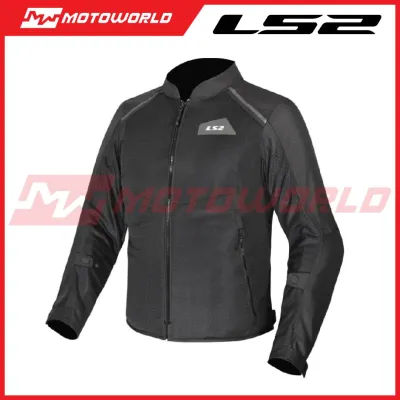
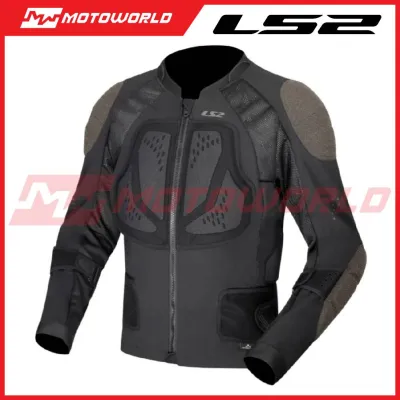
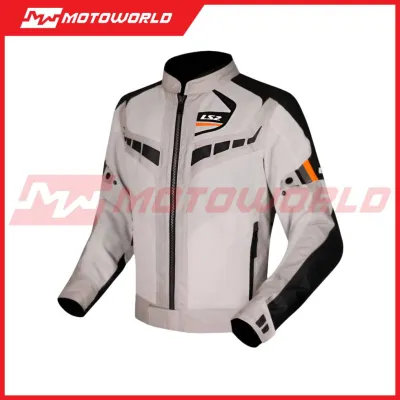
Prices are valid at publication and may change. Please refer to the product page for the latest price.
Airflow and Mesh Design: Evaluating the LS2 Bolton Air Jacket Men's Edition for Tropical Heat
The primary defense against tropical heat is continuous airflow, which relies entirely on the placement and quality of a jacket’s mesh panels. The LS2 Bolton Air features extensive 3D mesh panels across the chest, back, and inner arms. This layout is designed to catch oncoming wind as you ride, channeling cool air directly to your torso and allowing hot body heat to escape from the back. When you are moving at highway speeds, this design provides immediate relief from the stifling atmosphere.
However, the effectiveness of any mesh jacket is heavily influenced by the local humidity levels, which regularly exceed 80% in the Philippines. High humidity slows down the evaporation of sweat, which is the body’s natural cooling mechanism. If a jacket’s inner lining is made of cheap, non-breathable polyester, it will trap moisture and cling uncomfortably to your skin. To prevent this, riders should verify that the inner mesh liner of the jacket is moisture-wicking and designed to keep the outer fabric suspended slightly away from the skin.
Another critical factor is how the jacket performs across different riding environments, from slow city commuting to high-speed provincial touring. On open highways like NLEX or SLEX, a full mesh jacket can sometimes allow too much wind to pass through, leading to rapid dehydration and wind fatigue over long distances. Conversely, during late-night rides or trips to elevated regions like Tagaytay or Baguio, the temperature can drop significantly. Riders should check if the jacket includes or is compatible with a removable windproof or light thermal liner, allowing you to adapt to these sudden temperature shifts without needing to carry multiple jackets.
Protection vs. Breathability: What to Verify on the Label
While staying cool is essential for comfort and concentration, safety remains the primary purpose of any motorcycle gear. Before purchasing or operating any riding jacket, always verify the specific safety certifications, impact ratings, and manufacturer instructions to ensure it meets road safety standards. Mesh fabric on its own has very low tensile strength and will melt or tear almost instantly when slid across hot asphalt. Therefore, a safe summer jacket must combine mesh panels with highly durable, abrasion-resistant textiles in critical impact zones.

When inspecting the LS2 Bolton Air, look closely at the shoulders and outer elbows, which are the most common contact points during a fall. These areas must be reinforced with high-denier polyester fabric, typically 500D or 600D, which provides the necessary slide protection while the mesh remains confined to low-risk areas like the chest and inner arms. Ensure that these reinforced panels are double-stitched and structurally sound, as single-stitched seams can burst under the intense friction of a high-speed slide.
Beyond abrasion resistance, impact protection relies on certified armor inserts. Turn the jacket inside out and locate the internal armor pockets to inspect the physical CE (Conformité Européenne) certification labels printed directly on the protectors. For adequate street protection, the shoulder and elbow armor should carry at least an EN 1621-1 Level 1 or Level 2 certification. Additionally, check whether the jacket includes a certified back protector; many lightweight mesh jackets only come with a basic foam pocket template, meaning you will need to purchase a separate, certified CE Level 2 back insert to protect your spine.
Finally, the overall fit of the jacket determines whether the protective armor will actually do its job during an accident. If the sleeves or torso are too loose, the elbow and shoulder guards can easily shift away from your joints during a fall, leaving your skin and bones completely exposed to the road. When trying on the jacket, wear the thin base layers you plan to use in hot weather and utilize the adjustable strap systems. Check the hook-and-loop or snap adjusters on the biceps, forearms, and waist to ensure the jacket can be cinched tightly enough to keep the armor firmly anchored to your body.
Daily Comfort and Ergonomics in Stop-and-Go Traffic
Commuting in major Philippine cities often means spending hours idling in heavy traffic under direct sunlight. In these stationary conditions, mesh panels cannot provide active cooling because there is no oncoming wind. This makes the ergonomic design and physical comfort of the jacket incredibly important to prevent physical exhaustion and heat-related distractions.
One common pain point during slow, sweaty rides is skin irritation around the neck and wrists. Inspect the collar and cuffs of the jacket to ensure they are lined with soft, non-abrasive materials such as neoprene or rolled microfiber. Coarse polyester edges rubbing against a sweat-drenched neck can quickly cause painful chafing and heat rashes, especially during long commutes. A collar with adjustable snap buttons or soft hook-and-loop closures allows you to loosen the neck slightly when stopped, encouraging hot air to rise and escape from the top of the jacket.
The overall weight and flexibility of the jacket also play a major role in reducing rider fatigue. Heavy, rigid jackets place a continuous strain on your shoulders and neck, which compounds the physical stress of navigating tight lanes and balancing your motorcycle in stop-and-go traffic. A lightweight mesh jacket like the Bolton Air is significantly easier to wear for extended periods. Furthermore, consider its packability; if you need to walk into an office, mall, or restaurant, a flexible jacket can be easily folded and stored inside a standard 30-liter top box or a backpack, saving you from having to carry heavy gear around.
Practical storage is another essential consideration for daily commuters who need quick access to essentials. Evaluate the pocket layout of the jacket, paying attention to the size and placement of both external and internal compartments. External pockets should feature sturdy zippers with large pull tabs that can be easily operated while wearing riding gloves. Additionally, verify if there is a dedicated, secure internal pocket—ideally waterproof—to protect your smartphone, registration documents, and wallet from sudden tropical downpours or high humidity.
Care and Maintenance: Preventing Mold in Humid Climates
The warm, humid climate of the Philippines accelerates the growth of mold, mildew, and odor-causing bacteria on damp fabrics. After a long, sweaty ride or an unexpected encounter with road spray, proper care is vital to preserve the structural integrity and hygiene of your riding gear. Never throw a damp jacket into a closed closet, a gear bag, or a motorcycle top box, as this will result in a persistent musty odor and potential mold growth within 24 hours.
When you return from a ride, always hang the jacket on a wide, sturdy hanger in a well-ventilated, shaded indoor area to air dry. Avoid hanging the jacket in direct, harsh sunlight for extended periods; while UV rays kill bacteria, prolonged exposure to intense sunlight degrades synthetic polyester fibers, weakens the stitching, and causes the colors to fade prematurely. Letting the jacket dry naturally near an open window or an electric fan is the safest way to evaporate moisture without damaging the technical fabrics.
Regular washing is necessary to remove accumulated sweat salts, body oils, and road grime that can clog the breathable mesh pores over time. Before washing, always consult the manufacturer’s care label stitched inside the jacket and remove all protective armor inserts from the shoulders, elbows, and back. Hand-washing is highly recommended: submerge the jacket in a basin of cool water mixed with a mild, non-bleach liquid detergent, gently agitating the fabric to release dirt. If you must use a washing machine, place the jacket inside a mesh laundry bag, select a delicate cycle with cool water, and absolutely avoid the spin-dry cycle, which can warp the internal armor pockets and tear the mesh panels.
To maintain the performance of the jacket’s materials, avoid using fabric softeners, bleach, or harsh chemical stain removers. Fabric softeners leave a thin coating on synthetic fibers that clogs the mesh pores and reduces the fabric’s ability to wick moisture away from your skin. After washing, rinse the jacket thoroughly with clean water to remove all soap residue, press out excess water gently without wringing or twisting the fabric, and hang it up to dry completely. Ensuring the jacket is 100% dry before storing it in a closet will keep it fresh, hygienic, and ready for your next ride.
Frequently Asked Questions (FAQ)
Can I wear the LS2 Bolton Air jacket during the Philippine rainy season?
Mesh riding jackets are designed specifically for maximum ventilation and offer absolutely no water resistance. During the monsoon season or sudden tropical downpours, a mesh jacket will absorb water instantly, leaving you completely soaked and cold. To stay protected and dry, you should always carry a compact, packable waterproof rain suit (consisting of a separate jacket and pants) in your motorcycle’s top box or backpack. When it begins to rain, pull over safely and wear the rain suit over your mesh jacket, which preserves your impact and abrasion protection while keeping you dry.
Does the mesh material provide enough sun protection for long rides?
While the solid textile panels and dense mesh of the jacket block a portion of direct sunlight, harmful UV rays can still pass through the open gaps of the mesh weave during extended daytime rides. Over several hours, this exposure can lead to sunburn and accelerate dehydration, even if the airflow keeps you feeling cool. To protect your skin on long-distance provincial trips, it is highly recommended to wear a lightweight, long-sleeve, UV-blocking compression base layer underneath your jacket. This base layer shields your skin from UV radiation and helps wick sweat away from your body, enhancing the cooling effect of the jacket’s mesh design.
Community discussion
Share your experience or ask a question. Comments are reviewed before publication.