
A magnetic funnel is physically superior for catching ferrous metal shavings (such as iron and steel) during an oil change, whereas a standard plastic funnel acts purely as a passive fluid routing tool. However, the magnetic funnel’s effectiveness is strictly limited to magnetic metals and does not replace your vehicle’s primary oil filter. For non-ferrous metals like aluminum or brass, which are common in modern engines, both funnels perform identically unless paired with a physical mesh screen.
In the tropical climate of the Philippines, where high humidity can lead to moisture condensation inside the crankcase and stop-and-go traffic in urban areas increases engine stress, monitoring engine wear through oil changes is a vital practice. Choosing the right funnel for change oil tasks depends on your engine’s metallurgy, your maintenance goals, and your willingness to perform meticulous tool cleanup.
Regular oil analysis is a cornerstone of preventative maintenance, especially for commercial vehicles, daily commuters, and older models navigating challenging road conditions. While a simple plastic funnel is highly efficient for pouring clean oil back into the filler neck, the draining process presents a unique opportunity to inspect the health of your engine’s internal components.
Products mentioned in this guide
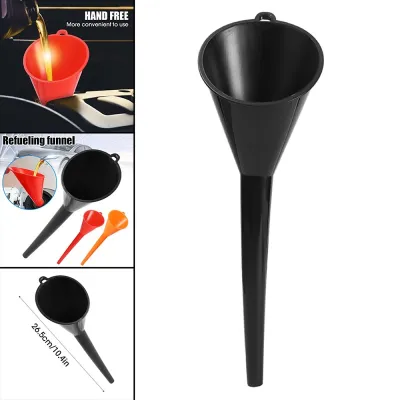
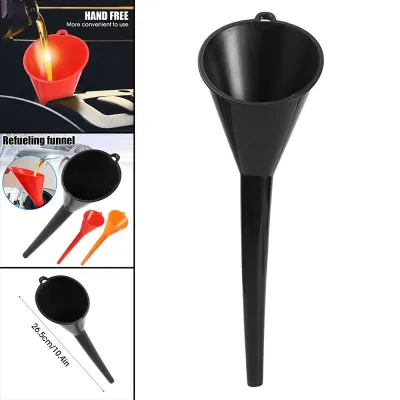


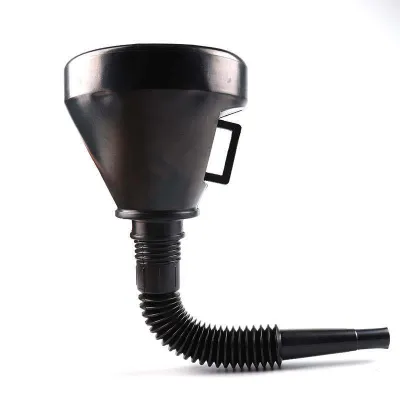
Prices are valid at publication and may change. Please refer to the product page for the latest price.
How Magnetic and Plastic Funnels Handle Metal Shavings
Magnetic funnels feature integrated magnets, typically embedded within the neck or along the flow path. As the warm, drained motor oil passes through the funnel, the magnetic field exerts a physical pull on any suspended ferrous particles. These particles cling to the magnet’s surface, preventing them from recirculating or settling back into the waste container unnoticed. This provides a direct visual indicator of internal engine wear.
The design of these magnetic tools can vary significantly. Some models utilize a magnetic ring that encircles the narrowest part of the funnel neck, while others feature a removable magnetic probe suspended directly in the center of the oil stream. Regardless of the design, the primary objective is to maximize the contact area between the flowing oil and the magnetic field, allowing the tool to capture fine iron filings before they reach your drain pan.
In contrast, a standard plastic funnel relies entirely on gravity and wide, unobstructed channels to guide fluid from the oil pan to your collection container. It possesses no active mechanism to attract, capture, or retain debris. Any metal shavings suspended in the oil will flow straight through the plastic neck along with the fluid, leaving no trace unless you manually run the oil through an external strainer.
Standard plastic funnels are often preferred for their simplicity, lightweight construction, and versatility. They are typically molded from high-density polyethylene or polypropylene, materials that resist chemical attack from motor oil, transmission fluid, and various garage solvents. While they excel at preventing spills during fluid transfers, they remain entirely passive when it comes to diagnostic monitoring.
It is crucial to understand that neither tool is designed to replace your vehicle’s primary oil filter or a dedicated inline filtration screen. The oil filter on your engine operates under pressure during vehicle operation to trap microscopic contaminants. A funnel is simply a transfer tool used during maintenance; any debris caught by a magnetic funnel is merely a diagnostic snapshot of larger particles that have already bypassed or settled before reaching the filter.
Key Factors That Determine Catching Effectiveness
The primary limitation of any magnetic tool is the metallurgy of your engine components. Ferrous metals, such as iron and steel from camshafts, crankshafts, or cylinder walls, are highly responsive to magnetic fields and will be easily captured. However, non-ferrous metals like aluminum from engine blocks, pistons, or cylinder heads, and brass or bronze from bushings, will pass directly through the magnetic funnel without any resistance.

If your vehicle features an all-aluminum engine block and cylinder head, the amount of ferrous debris you can expect to capture is minimal, typically limited to wear from steel timing chains or fasteners. In such cases, relying solely on a magnetic funnel can give a false sense of security, as significant aluminum wear could be occurring without the magnet capturing a single flake.
Not all magnetic funnels are engineered equally. You must verify the manufacturer’s specifications regarding the magnet’s grade and its physical placement. Some designs feature an exposed magnet directly in the oil flow path, which maximizes pull strength but requires thorough cleaning. Others seal the magnet inside the plastic housing, which protects the magnet from corrosion but significantly reduces the magnetic pull through the plastic barrier.
Neodymium magnets offer much stronger pull forces compared to standard ceramic magnets, making them far more effective at grabbing tiny metal particles from moving fluid. However, if the magnet is shielded by a thick layer of plastic, even a strong magnet’s effective field may be too weak to overcome the momentum of draining oil.
The physical properties of your motor oil play a major role in debris capture. Thick, cold oil or high-viscosity lubricants common in heavy-duty diesel engines create high drag, which can easily sweep metal particles past a weak magnet before they can be trapped. To maximize the chance of capturing debris, observe the flow dynamics and adjust your draining speed, or perform the oil change when the engine is warm—but not scalding hot—to ensure optimal viscosity.
When oil is cold, its high viscosity resists the lateral movement of tiny metal particles toward the magnet. Conversely, hot oil flows much faster, increasing the velocity of the fluid through the funnel neck. Finding the right balance—draining the oil when it is warm enough to flow freely but slow enough to allow the magnet to exert its pull—is key to effective debris capture.
Magnetic vs. Plastic Funnels: Decision Framework for Your Garage
You should choose a magnetic funnel if you are maintaining older vehicles, high-mileage engines, or motorcycles with wet clutches where ferrous wear is more common. It serves as an excellent diagnostic aid for early detection of component degradation. However, you must commit to thoroughly cleaning the magnet after every single use; failing to remove trapped shavings can lead to cross-contamination, washing old metal debris back into your clean oil containers or engine during subsequent uses.
Cleaning a magnetic funnel requires patience and precision. Because the magnet is designed to hold onto ferrous particles tightly, simply rinsing the funnel with water or solvent will not dislodge the debris. You must physically wipe the magnet clean using a lint-free microfiber cloth or a dedicated shop towel, ensuring that no metallic dust remains to contaminate the next batch of oil.
You should choose a standard plastic funnel if you are performing routine maintenance on a modern, healthy vehicle with predominantly aluminum engine components. If your primary goal is a lightweight, highly chemical-resistant, and inexpensive tool for general fluid transfer, a standard plastic funnel is highly practical. It requires minimal maintenance, is easy to wipe clean, and carries zero risk of magnetic debris transfer.
In tropical environments like the Philippines, garage tools are often exposed to high ambient humidity and airborne dust. Standard plastic funnels are incredibly resilient in these conditions, as they do not rust, corrode, or attract magnetic environmental dust while sitting on a shelf. They can be easily washed with standard dish soap and water, dried, and stored without any special precautions.
Always verify first if you are unsure about the internal metallurgy of your specific vehicle model. Consult your vehicle’s technical documentation or workshop manual to identify which components are steel versus aluminum. Additionally, verify that the funnel’s plastic material is rated for high-temperature automotive fluids, and check that the magnet is securely mounted to prevent it from accidentally dislodging into your oil fill port or drain pan.
Furthermore, check the physical dimensions of the funnel neck to ensure it fits securely into your vehicle’s oil fill port or the opening of your waste oil container. A funnel that is too large can tip over easily, causing messy spills on your garage floor, while a funnel with a neck that is too narrow will restrict flow and cause the oil to back up and overflow.
Best Practices for Safe Oil Draining and Filtration
If comprehensive particle capture is your goal, do not rely on magnetism alone. Always pair your funnel for change oil tasks with a fine mesh strainer or a dedicated filter screen. A physical mesh screen acts as a mechanical barrier that captures both ferrous and non-ferrous debris, such as aluminum flakes, sealant squeeze-out, or carbon deposits, ensuring a complete overview of what is draining from your engine.
Many high-quality funnels come equipped with removable brass or stainless steel mesh screens that sit at the bottom of the bowl. These screens are highly effective at catching larger debris while allowing the oil to flow through. Using a combination of a magnetic element and a physical mesh screen provides the most reliable diagnostic setup for DIY mechanics.
Before and after every oil change, inspect the funnel and its magnet for accumulated sludge, varnish, or large metal chunks. If you observe excessive metallic debris, large flakes, or shiny silver swirls in the oil, stop the process immediately. Do not attempt to drive the vehicle; instead, consult a qualified professional mechanic to diagnose the engine, as these symptoms typically point to severe internal wear or imminent component failure.
Finding large metal chunks or a thick paste of metallic sludge on your funnel’s magnet is a clear warning sign of bearing failure, piston ring wear, or gear damage. Ignoring these signs and simply refilling the engine with fresh oil will likely lead to catastrophic engine failure on the road, resulting in expensive repairs or complete engine replacement.
Ensure that any funnel you use is explicitly rated by the manufacturer to withstand hot motor oil and common automotive chemicals. In the tropical heat of the Philippines, garage temperatures can rise quickly, and using a cheap, non-rated plastic funnel can lead to warping, melting, or chemical degradation when exposed to hot oil. Always prioritize safety by verifying the tool’s temperature limits and chemical compatibility before use.
When handling hot motor oil, always wear appropriate personal protective equipment, including heat-resistant gloves and safety glasses. Position your oil drain pan and funnel securely on a flat surface to prevent tipping. If oil spills onto hot exhaust components, wipe it off immediately using an authorized automotive degreaser to prevent smoke or fire hazards when the engine is restarted.
Frequently Asked Questions (FAQ)
Can a magnetic funnel catch aluminum shavings from engine wear?
No, a magnetic funnel cannot catch aluminum shavings because aluminum is a non-ferrous, non-magnetic metal. Any aluminum particles originating from pistons, engine blocks, or cylinder heads will flow directly through the magnetic field without being attracted. To capture aluminum and other non-magnetic debris during an oil change, you must use a physical mesh strainer or filter screen inside your funnel.
Do I still need an oil filter if I use a magnetic funnel?
Yes, you absolutely still need a high-quality oil filter. A magnetic funnel is merely a passive diagnostic and transfer tool used briefly during an oil change to catch larger, draining debris. The engine’s primary oil filter operates continuously under high pressure while the engine runs, trapping microscopic contaminants down to the micron level to protect moving parts. The funnel does not provide active filtration during vehicle operation.
Community discussion
Share your experience or ask a question. Comments are reviewed before publication.