
Selecting the right fiver cloth for your car is one of the most critical decisions in maintaining your vehicle’s cosmetic appeal. While a cloth might look simple, using the wrong weave or edge design on a delicate surface can quickly lead to micro-scratches, swirl marks, or lint-filled glass. In tropical environments like the Philippines, where cars are constantly subjected to fine road dust, volcanic ash, and sudden downpours, having a structured approach to your detailing tools is essential. Matching the physical characteristics of your cloth to the specific task ensures that you lift dirt away safely rather than grinding it into your clear coat.
Understanding Fiber Cloth Weaves and Edge Designs
Waffle weave cloths feature a unique recessed grid pattern that resembles a kitchen waffle. This structure does not have the loose, fuzzy fibers of a standard cloth; instead, it relies on the surface area of the ridges to absorb liquids rapidly. The pockets created by the grid trap water and prevent it from being pushed back onto the surface, making it highly efficient for drying and glass cleaning.
Plush cloths, or high-pile cloths, feature long, loose fibers on one or both sides. This design is engineered to maximize the space between the cloth’s base and the vehicle’s surface. When you wipe a dusty panel, these long fibers pull the dust particles deep into the pile, keeping them away from the paint. This cushioning effect is vital for waterless washes, quick detailing sprays, and buffing away waxes or sealants.
Products mentioned in this guide
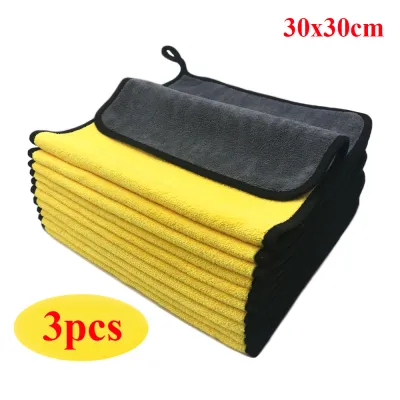
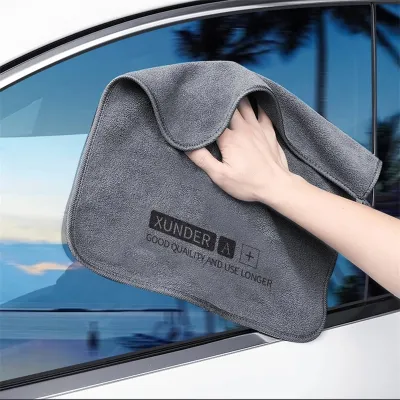
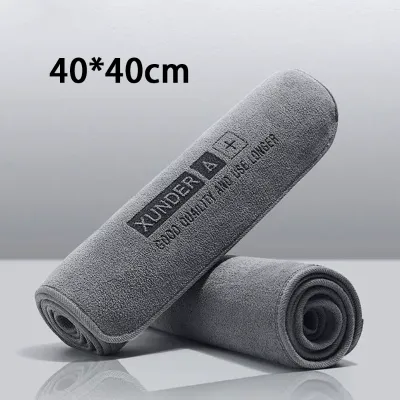
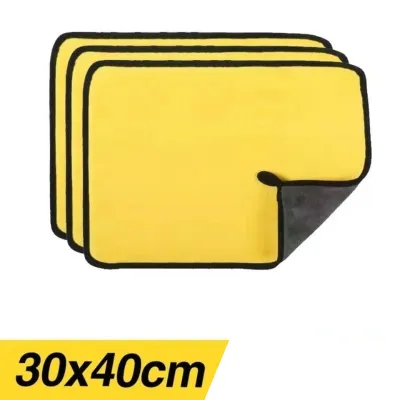
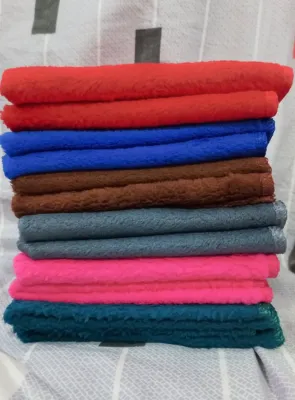
Prices are valid at publication and may change. Please refer to the product page for the latest price.
Edgeless cloths are typically laser-cut or ultrasonic-cut, leaving a completely seamless edge. Traditional cloths often feature overlocked stitched edges or polyester silk borders, which can become stiff over time and scratch delicate clear coats. This design eliminates the risk of edge-induced scratching, making them the preferred choice for final buffing and delicate interior trim.
When purchasing a fiver cloth, check the manufacturer’s label or product specifications for the blend ratio and weight. Most high-quality detailing cloths use a blend of polyester and polyamide, often expressed as 80/20 or 70/30. Polyamide provides absorbency and softness, while polyester provides structural strength. Additionally, look for the GSM (grams per square meter) rating; higher GSM numbers (such as 500+ GSM) generally indicate a thicker, plusher cloth, while lower GSM numbers (around 200 to 300 GSM) are typical for flat-weave glass cloths or utility towels.
Always perform a physical and visual inspection of your cloths before they touch your vehicle. Shake the cloth out vigorously to dislodge any loose particles. Run your hand over both sides to feel for embedded debris, such as small twigs, dried leaves, or hardened polish residue from a previous detailing session. If you feel any rough spots or find loose threads, set the cloth aside for non-sensitive tasks.
Matching Cloths to Exterior Paint and Glass
Cleaning exterior paint requires a careful balance of lubrication and soft materials. For washing, a high-pile microfiber wash mitt or a plush fiver cloth is ideal because it safely encapsulates dirt particles suspended in the soapy water. When it comes to drying, dragging a standard towel across the paint can easily cause marring. Instead, use a large, high-absorbency waffle-weave towel or a twisted-loop drying towel. Gently lay the towel flat across the wet panel and pull it toward you, allowing the weight of the towel and its absorbent pockets to lift the water without requiring aggressive rubbing.

Automotive glass presents a different challenge, as any residue or lint will immediately impair visibility, especially under the glare of oncoming headlights during a rainy night. To achieve a streak-free finish, use a dedicated low-pile glass cloth or a tight waffle-weave cloth. These cloths do not shed fibers and allow glass cleaners to evaporate cleanly. For best results, use a two-cloth method: apply your glass cleaner and wipe with the first cloth to remove dirt, then immediately follow up with a dry, clean second cloth to buff away any remaining moisture.
To prevent cross-contamination, you must separate your cloths by vehicle zone. The lower sections of your car—such as the wheels, tires, rocker panels, and exhaust tips—accumulate highly abrasive brake dust, road grime, and tar. If you use the same cloth on these areas and then wipe your hood or doors, you will inevitably transfer these abrasive particles directly onto your clear coat, causing severe scratching. Establish a strict color-coding system or store your cloths in separate, labeled bins to ensure that utility cloths never mix with your premium paint-safe towels.
Selecting Cloths for Interior Surfaces
Modern vehicle interiors are filled with sensitive materials, including soft-touch plastics, piano black trim, and delicate infotainment screens. These screens often feature anti-glare or anti-fingerprint coatings that can be easily stripped or scratched by rough fibers or harsh chemicals. For daily dusting, a dry, ultra-soft edgeless plush cloth is highly effective because its electrostatic charge naturally attracts dust without requiring moisture. When cleaning screens, always verify the manufacturer’s instructions; many require nothing more than a slightly damp, clean fiver cloth to remove smudges safely.
Leather and fabric seats require different approaches. Leather has a protective topcoat that can be worn away by aggressive scrubbing. Use a medium-pile cloth to gently work leather cleaner into the grain, allowing the fibers to lift dirt from the texture without scratching the surface. For fabric upholstery, a low-pile cloth can be used with a fabric cleaner to agitate and lift stains. Always check the care labels on your seats and the instructions on your cleaning products to ensure compatibility.
Before using any new cloth and cleaner combination on your interior, perform a spot test on an inconspicuous area. Excellent testing locations include the underside of the glove box, the lower portion of a door panel, or a hidden section of the seat frame. Apply a small amount of cleaner to your cloth, gently wipe the test area, and let it dry completely. Inspect the spot under good lighting to ensure there is no discoloration, loss of gloss, or scratching before proceeding to the rest of the cabin.
Care and Maintenance to Prevent Scratches
Proper maintenance is crucial to preserving the structural integrity of your fiver cloth collection. Always wash your detailing cloths separately from household laundry, as cotton towels will shed lint that permanently embeds itself in the microfiber. Use a dedicated microfiber wash solution or a mild, dye-free liquid detergent. Never use fabric softeners or bleach; fabric softeners coat the microscopic fibers with a chemical layer that destroys their absorbency, while bleach degrades the polyester-polyamide blend over time. Wash in cold or warm water.
When drying your cloths, air drying in a clean, dust-free environment is the safest option. If you use a dryer, select a no-heat or low-heat setting. Microfiber is made of synthetic plastics that melt at high temperatures. If the fibers melt, they fuse together, turning a once-soft cloth into a rough, scratchy surface that will damage your car’s paint.
After every wash, inspect your cloths for signs of wear. Feel the edges and corners to ensure they have not hardened. If a cloth has lost its plushness, fails to absorb water, or has stubborn stains that won’t wash out, it is time to retire it from paint duty. Downgrade these worn cloths to less sensitive tasks, such as cleaning door jambs, engine bays, or wheels. Once a cloth becomes heavily saturated with grease or begins to fray, discard it entirely to prevent accidental damage to your vehicle.
Frequently Asked Questions (FAQ)
Can I use the same fiber cloth for both the exterior paint and the interior dashboard?
No, using the same cloth for both exterior and interior surfaces carries a high risk of cross-contamination. Exterior cloths inevitably collect microscopic road grit, brake dust, and chemical residues from waxes, polishes, or tire dressings. Even after washing, some of these particles can remain trapped deep within the fibers. If you transfer this cloth to your interior, you risk scratching delicate piano black trim, clouding your infotainment screen, or leaving greasy chemical residues on your dashboard and leather seats. To prevent this, implement a strict color-coded system—such as yellow for exterior paint, blue for glass, and green for interior surfaces—and store them separately.
How do I know if a fiber cloth is safe for matte or satin car paint finishes?
Matte and satin finishes require extreme care because they have a textured clear coat designed to scatter light rather than reflect it. Any aggressive rubbing, polishing, or use of an abrasive cloth can flatten this microscopic texture, creating a permanent shiny spot (burnishing) that cannot be repaired without repainting the entire panel. To verify if a fiver cloth is safe, check both your vehicle owner’s manual and the cloth manufacturer’s specifications for explicit matte-finish compatibility. Always choose a clean, high-GSM, edgeless plush cloth, apply minimal pressure, and perform a spot test on an inconspicuous area before cleaning the visible panels.
Community discussion
Share your experience or ask a question. Comments are reviewed before publication.