
Selecting the ideal MDL phone bracket for your Yamaha NMAX V3 requires balancing convenience, device safety, and structural compatibility. The NMAX V3 is a highly popular scooter, but its unique handlebar cover and fairing design mean that not every generic phone mount will fit seamlessly. To make the right choice, you must evaluate where you want to position your device and how the bracket will interface with your scooter’s existing mounting points.
A secure phone mount is essential for navigating busy city streets or embarking on long weekend rides. By understanding the specific physical characteristics of your NMAX V3 and comparing the available mounting styles, you can ensure your smartphone remains stable, visible, and protected from road vibrations. This guide outlines the key factors to consider when choosing and installing an MDL bracket on your scooter.
Identifying Mounting Points on Your NMAX V3
Before purchasing any MDL bracket, you must identify the physical locations on your NMAX V3 that can support a phone mount. The most common mounting areas include the handlebars, the mirror stems, and the windshield or fairing structure. Each location has unique dimensions and clearance requirements that you must verify against the bracket’s specifications.
Products mentioned in this guide
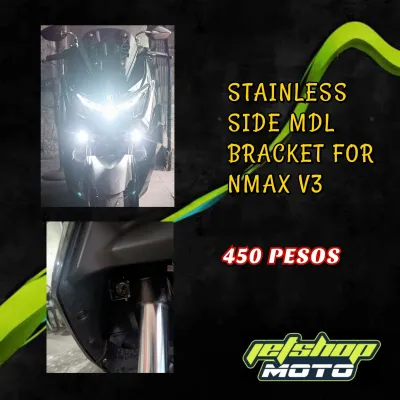
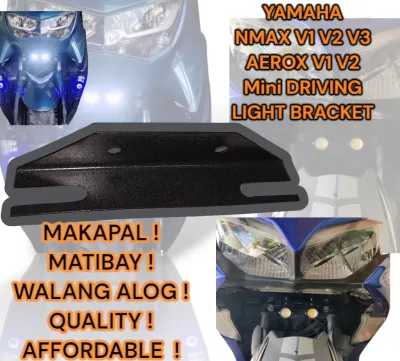
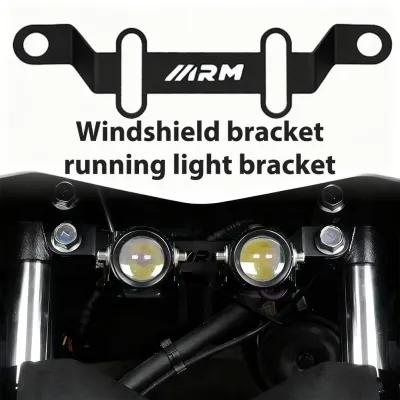
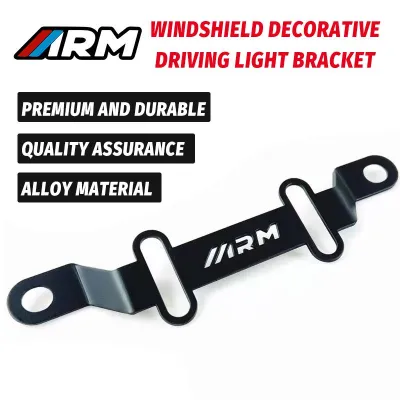
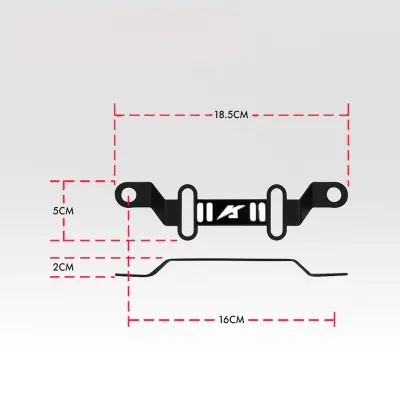
Prices are valid at publication and may change. Please refer to the product page for the latest price.
Handlebar Tube and Cover Clearances
The stock Yamaha NMAX V3 features a molded plastic cover over the handlebars, which conceals the metal handlebar tube. If you plan to use a standard handlebar clamp mount, you cannot attach it directly to the covered sections. You must inspect the handlebar assembly to locate any exposed metal portions, typically near the center or close to the controls. Alternatively, if you have installed an aftermarket naked handlebar kit, you will have a fully exposed tube. In either case, use a caliper to measure the tube’s outer diameter—most standard handlebars are 22mm or 28mm—and ensure the MDL clamp matches this measurement. Additionally, check that the clamp will not pinch electrical wiring, throttle cables, or interfere with the brake master cylinders and the digital dashboard display.
Mirror Stem Thread and Pitch Verification
Mirror-mount brackets are a highly popular alternative because they do not require modifying the handlebar cover. These brackets typically install by sandwiching a mounting plate between the mirror stem and the scooter’s handlebar controls. To ensure compatibility, you must verify the thread size and direction of your NMAX V3’s mirror mounts. Yamaha scooters traditionally utilize 10mm (M10) threads. Crucially, the right-side mirror often features a left-hand (reverse) thread, which tightens counter-clockwise, while the left-side mirror uses a standard right-hand thread. Before buying an MDL mirror mount, check the product specifications to confirm it includes the correct thread adapters for this asymmetrical setup.
Bolt-On and Fairing-Mount Anchor Points
For riders who prefer a high-mounted phone position, bolt-on brackets that attach to the windshield support structure are an excellent option. These brackets place your phone directly above the digital instrument cluster, allowing you to view navigation maps without lowering your eyes from the road. To use this style, you must inspect the windshield mounting bolts on your NMAX V3. Measure the distance between the bolt holes and compare them to the mounting plate of the MDL bracket. Ensure that the bracket is designed specifically for the V3 model, as older NMAX generations may have different bolt spacing.
Comparing MDL Mounting Styles and Mechanisms
Once you know where your scooter can accommodate a mount, you must compare the different MDL mounting styles to determine which best suits your riding habits and preferences. Each style offers distinct advantages regarding stability, adjustability, and ease of installation.

Handlebar Clamp Mounts
Handlebar clamp mounts provide a highly rigid and secure connection because they bolt directly to a solid metal tube. This structural rigidity minimizes phone shaking, even when riding over uneven road surfaces or potholes. These mounts also offer excellent adjustability, allowing you to tilt and rotate the phone holder to achieve the perfect viewing angle. However, on a stock NMAX V3, the plastic handlebar cover limits your placement options. If you manage to mount a clamp, you must carefully check for clearance. Ensure that the phone and bracket do not strike the windshield or the front fairings when you turn the handlebars fully to the left or right lock.
Mirror Stem Mounts
Mirror stem mounts are incredibly convenient because they position the phone near your natural line of sight without cluttering the center of your handlebars. They are relatively easy to install, requiring only basic hand tools to loosen the mirror, insert the bracket, and retighten the assembly. The primary trade-off with mirror mounts is their susceptibility to vibration. Because the mirror stems are long and relatively thin, they can amplify engine vibrations and road shocks. This can make the phone screen difficult to read while riding and may place extra stress on the mirror threads. Always check the manufacturer’s recommended load limits and ensure the bracket is tightened securely to prevent the mirror from rotating under the weight of your phone.
Bolt-On and Custom Windshield Mounts
Bolt-on brackets that mount behind the windshield offer the most integrated and professional look. By utilizing the scooter’s existing windshield mounting points, these brackets distribute the weight of the phone across a wider, structurally sound area of the front fairing. This results in a highly stable mount with minimal vibration. The main consideration with this style is the potential for visual obstruction. You must ensure that the bracket and your phone do not block your view of the digital speedometer or obstruct your forward line of sight through the windshield. Additionally, because these mounts are rigid, they must be perfectly aligned during installation to avoid putting uneven stress on the plastic fairing panels, which could cause them to crack over time.
Evaluating Holder Features for Your Smartphone
Choosing the right bracket base is only half the decision; you must also select an MDL holder head that securely cradles your specific smartphone. Your phone’s dimensions, the type of protective case you use, and local environmental conditions should dictate your choice.
Clamping Mechanisms and Case Compatibility
MDL holders utilize various clamping mechanisms, including manual screw-tightened clamps, spring-loaded auto-locking grips, and multi-claw security designs. Manual screw clamps allow you to adjust the gripping force precisely, making them ideal for securing heavy or unusually shaped phones. Spring-loaded grips offer the convenience of quick, one-handed mounting but rely entirely on internal spring tension to hold your device. If you use a thick, rugged, or battery-extending phone case, you must measure the total depth of your encased phone. Compare this measurement with the maximum claw depth specified by the MDL holder to ensure the claws can fully wrap around the edges of your phone.
Vibration Dampening and Camera Protection
Modern smartphones are equipped with highly sensitive optical image stabilization (OIS) systems in their cameras. These systems use miniature gyroscopes and mechanical actuators to compensate for hand movement. However, the continuous, high-frequency vibrations produced by a motorcycle engine—especially a single-cylinder engine like the NMAX V3’s—can quickly degrade and damage these delicate mechanical components. To protect your phone’s camera, look for MDL brackets that feature integrated vibration dampening modules. These modules utilize rubber or silicone isolators to absorb high-frequency shocks before they reach your device. If the specific MDL model you prefer does not have built-in dampening, check if the manufacturer offers a compatible add-on dampening module.
Material Durability and Weather Resistance
Riding a scooter in the Philippines exposes your accessories to harsh tropical elements, including intense sunlight, high humidity, and sudden torrential downpours. Plastic phone holders can quickly become brittle and crack under constant UV exposure. For long-term durability, prioritize MDL brackets constructed from high-grade aluminum alloy with an anodized or powder-coated finish to prevent rust and corrosion. If you choose a model with an integrated USB charging port, inspect the product specifications to ensure it has a high weather-resistance rating. The charging port must feature a tight-fitting rubber cap to prevent water from entering and short-circuiting the electronics during heavy rain.
Verifying Compatibility and Installing Safely
Before you finalize your purchase or begin the installation process, you must perform a series of compatibility checks to ensure a safe setup that does not compromise your scooter’s operation or damage its components.
Cross-Referencing Manuals and Specifications
Always cross-reference the installation instructions provided in the MDL product manual with your Yamaha NMAX V3 owner’s manual. Pay close attention to the torque specifications for any bolts you must loosen or replace, such as mirror stems or windshield mounting bolts. Over-tightening bolts into the scooter’s aluminum threads or plastic fairing anchors can easily strip the threads or crack the bodywork. Conversely, under-tightening can cause the bracket to loosen while riding, creating a severe safety hazard. If the MDL bracket includes replacement bolts, verify that their thread pitch and length match the original factory bolts exactly.
Post-Installation Visual and Physical Inspection
Once the bracket is installed, perform a comprehensive physical inspection before taking your scooter out on the road. Use the following checklist to verify safety:
- Steering Clearance Check: Turn the handlebars fully from the left lock to the right lock. Verify that the bracket, holder, and phone do not touch the windshield, fairings, brake levers, or fuel tank cover at any point.
- Instrument Visibility Check: Sit on the scooter in your normal riding position. Ensure the mounted phone does not block your view of the digital dashboard, warning lights, or your rear-view mirrors.
- Rigidity and Vibration Check: Firmly grasp the mounted bracket and shake it. There should be no play, slipping, or rattling. If you notice the plastic fairings flexing significantly under the weight, you may need to reinforce the mounting point with rubber washers or relocate the bracket.
When to Consult a Professional
If you encounter any difficulties during the installation, such as bolts that do not thread smoothly, or if you feel uncomfortable removing body panels to access mounting points, stop immediately. Forcing a component can lead to costly damage to your scooter’s electrical system or bodywork. Consult a qualified motorcycle mechanic or contact the bracket manufacturer to verify compatibility and ensure a safe, professional installation.
Frequently Asked Questions (FAQ)
Will a standard MDL handlebar mount fit the NMAX V3's handlebar?
A standard MDL handlebar clamp is typically designed to fit open metal tubes with diameters of 22mm or 28mm. Because the stock Yamaha NMAX V3 features a molded plastic cover over the handlebars, you cannot attach a standard clamp directly without modifying or removing this cover. To use a handlebar mount on a stock NMAX V3, you must look for specialized MDL brackets designed to extend through the gaps in the plastic cover, or consider upgrading to an aftermarket naked handlebar setup.
Do I need a separate vibration dampener for my MDL bracket?
Whether you need a separate dampener depends on the specific MDL model you choose and your smartphone’s camera specifications. If your phone features optical image stabilization (OIS) and the MDL bracket you select has a rigid, metal-to-metal design, adding a vibration dampening module is highly recommended. Check the MDL product specifications to see if a dampening module is included or if the manufacturer offers a compatible add-on to protect your phone’s camera from engine vibrations.
Can I install a mirror-mount MDL bracket on both left and right mirrors?
Yes, you can install a mirror-mount bracket on either side, but you must verify the thread direction of each mirror stem. Yamaha scooters, including the NMAX V3, typically use a standard right-hand thread on the left mirror and a reverse left-hand thread on the right mirror. Ensure that the MDL mirror adapter you purchase matches the specific thread direction of the side you choose, and verify that the added weight does not exceed the structural limits of the mirror stem.
Community discussion
Share your experience or ask a question. Comments are reviewed before publication.